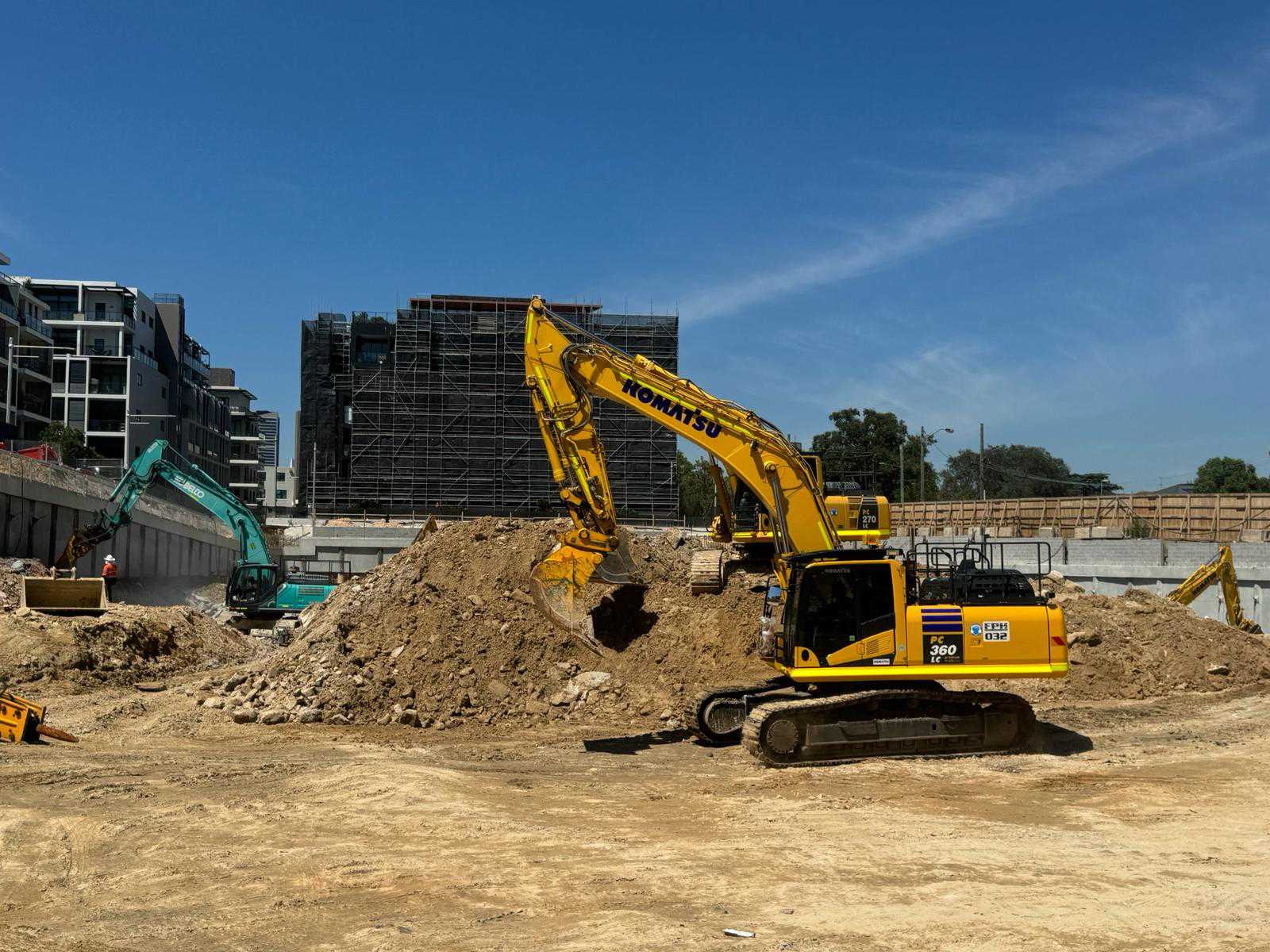
Professional Excavation and Earthmoving Services Across South West Sydney

Preparing land for construction, improving an uneven property or clearing an area for a new project requires careful planning and the right excavation equipment. Whether you are preparing a residential block, creating space for a driveway, arranging a pool excavation or undertaking larger earthmoving work, professional excavation services help establish a suitable foundation for the next stage of your project.

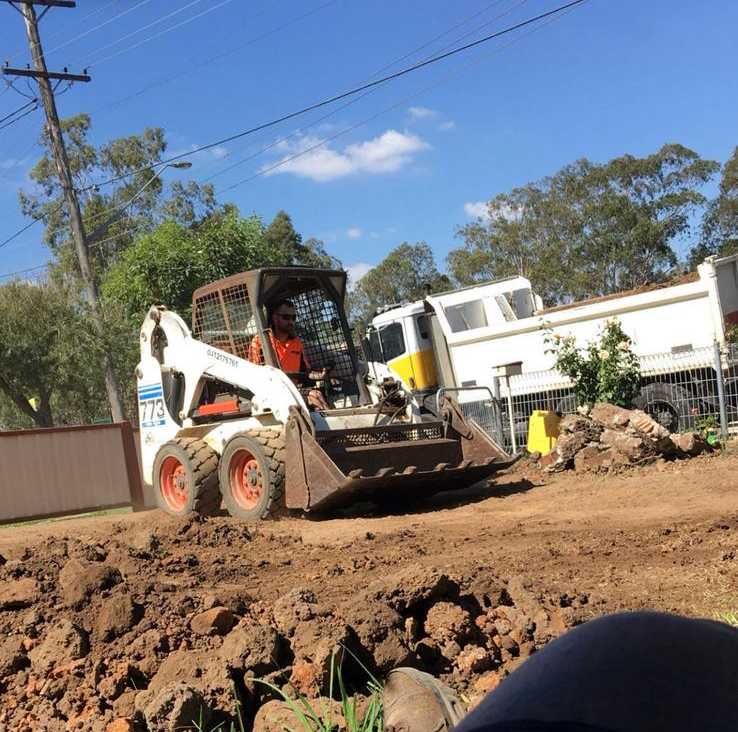
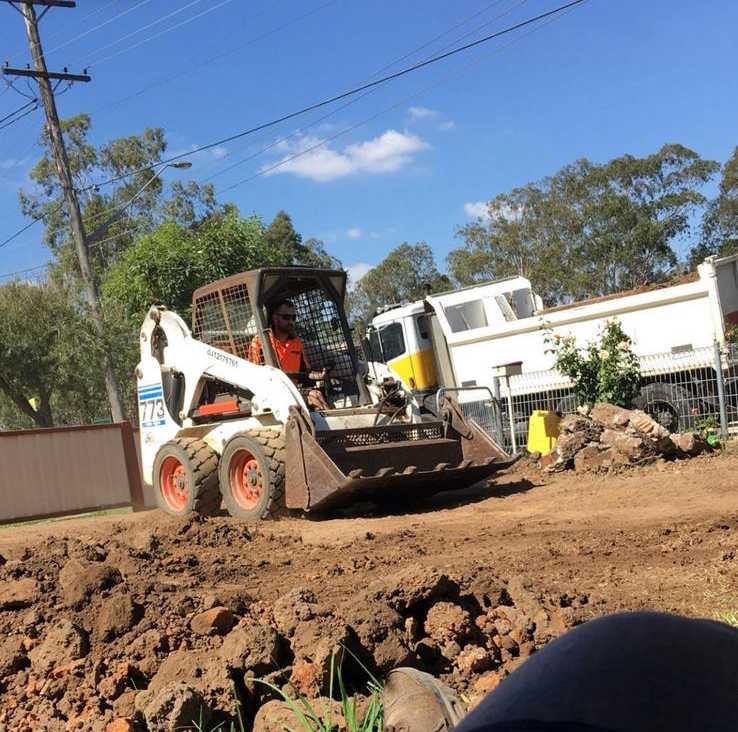
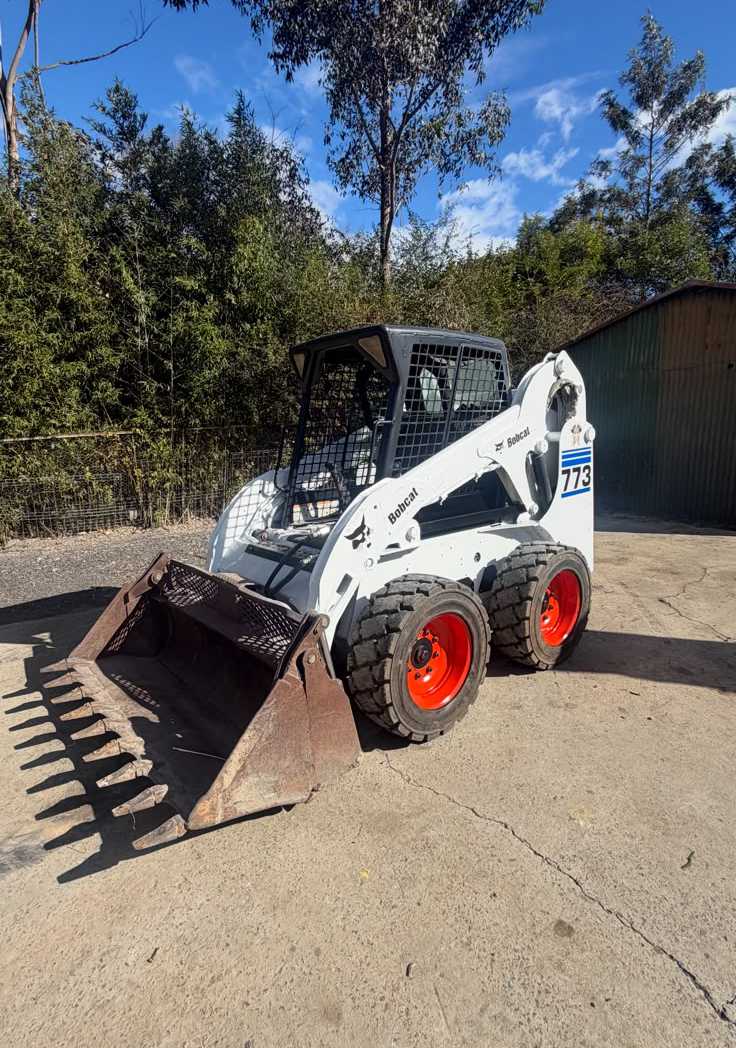
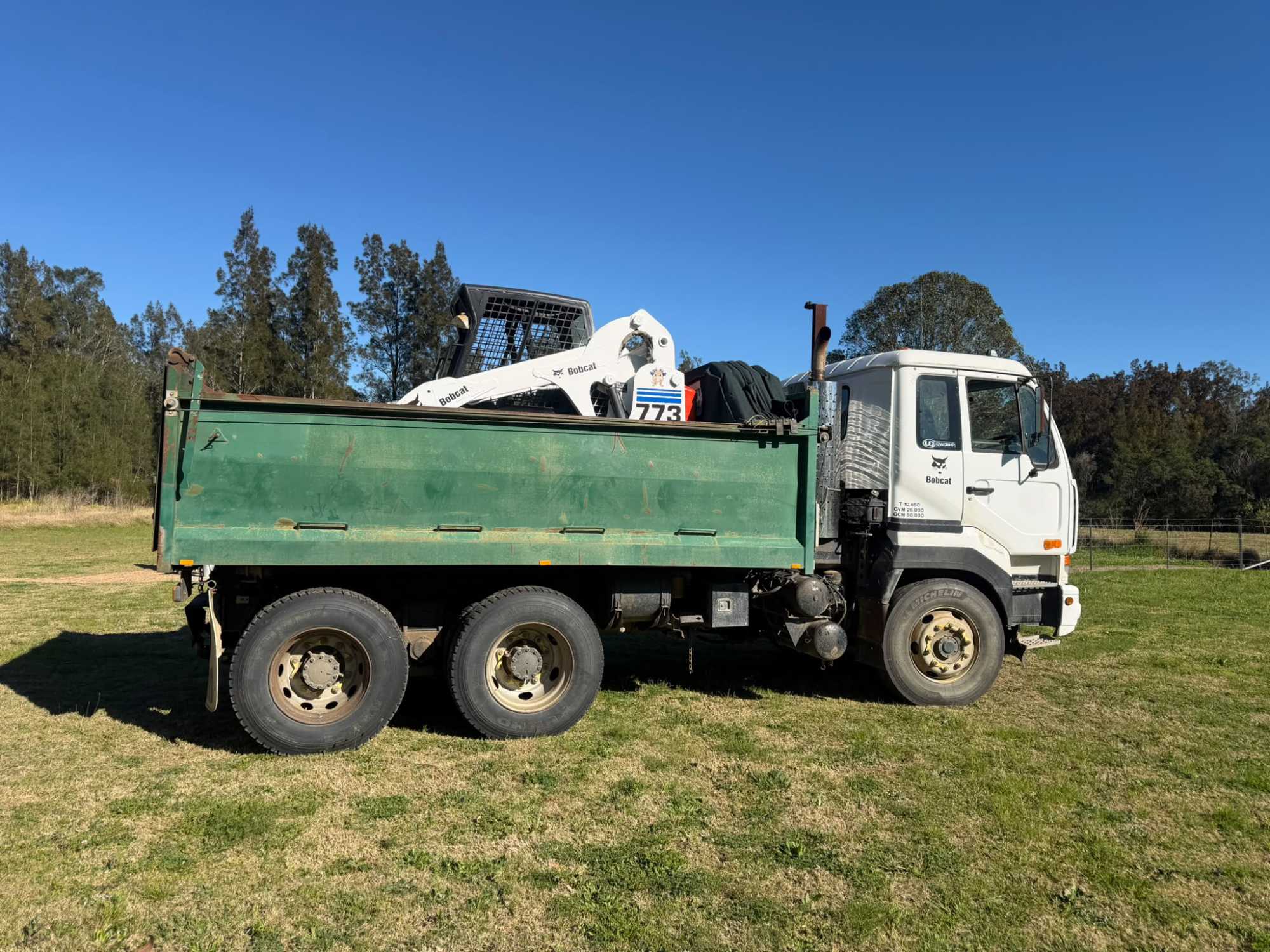
Bobby’s Bobcat Ground Levelling and Excavation provides excavation and earthmoving solutions for residential, commercial and rural property requirements across South West Sydney and surrounding areas. With nine years of industry experience, the business undertakes a range of ground preparation and excavation tasks, helping property owners prepare their land for practical use.

From bulk excavation and detailed excavation to ground levelling, site clearing, driveway repairs and sand and soil removal, each project requires an approach suited to the property’s conditions, access and intended purpose.

If you are searching for reliable excavation services in South West Sydney, understanding the available services and how they support different projects can help you make an informed decision.

Understanding Excavation and Earthmoving Requirements

Excavation and earthmoving involve removing, relocating, shaping or preparing soil and other ground materials to achieve a specific result. The work may be required before construction, landscaping, driveway installation, pool construction or general property improvements.

Not every property requires the same type of excavation. Some projects involve removing large quantities of soil, while others require careful digging around existing structures or creating a more even surface across an uneven block.

Before work begins, several factors need to be considered:

Property size and layout: The dimensions and shape of the site influence the equipment and approach required.

Ground conditions: Soil composition, moisture levels, rocks and existing ground stability can affect excavation requirements.

Site access: Narrow driveways, restricted entrances, fences and nearby structures may influence equipment selection and movement.

Required excavation depth: Different projects require different excavation depths and levels of precision.

Soil removal: Excavated soil may need to be relocated, reused or removed depending on the project.

Drainage and ground levels: The finished surface should be suitable for its intended purpose and take water movement into consideration.

Understanding these factors helps establish a practical excavation plan and reduces the likelihood of unnecessary complications during the project.

Bulk Excavation Services in South West Sydney

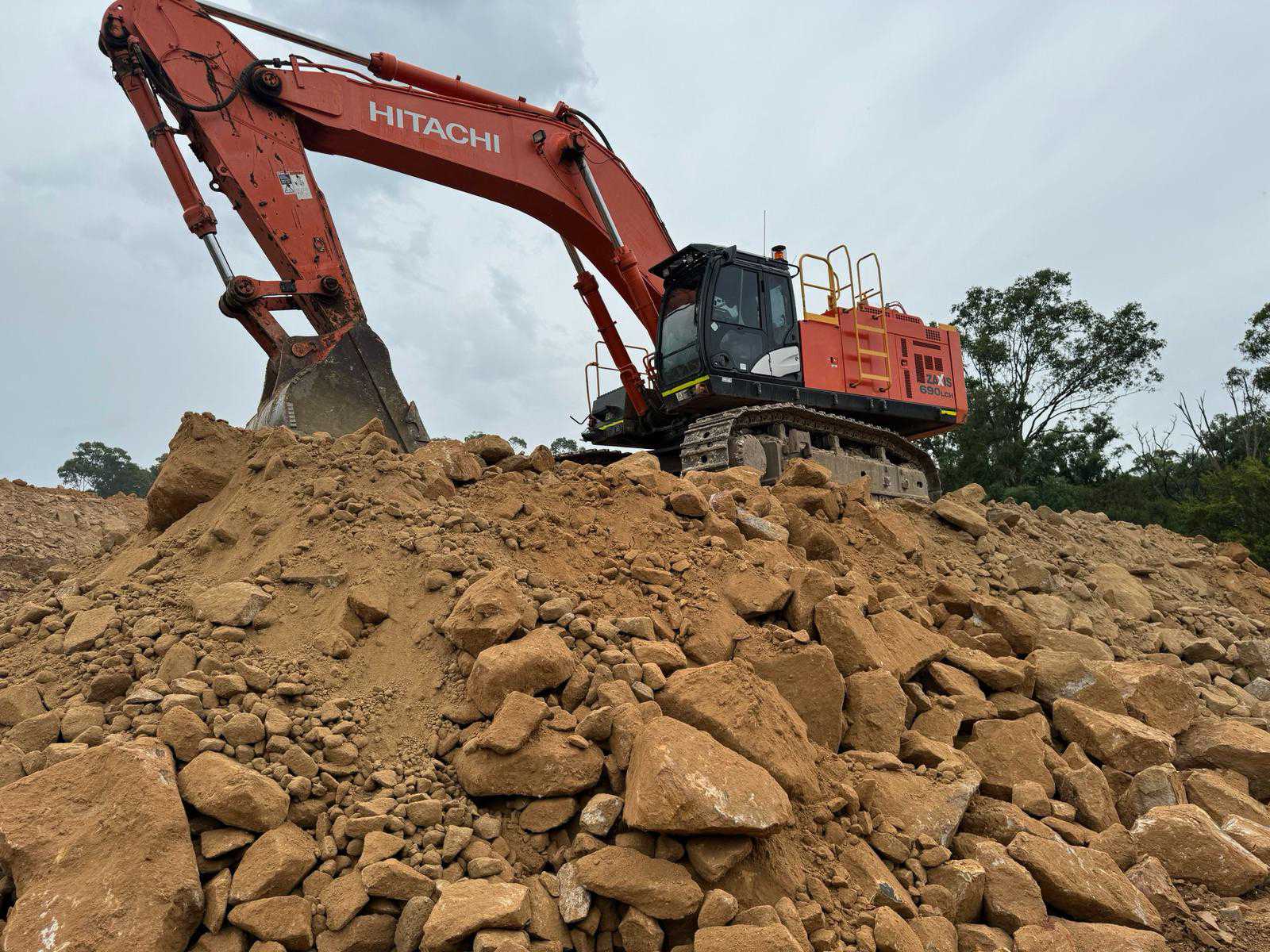
Bulk excavation involves removing or relocating substantial quantities of soil to establish the required ground levels for a development or property improvement project.

This type of excavation is commonly required for construction sites, building platforms, larger residential blocks, access areas and other projects involving significant ground preparation.

The process may include removing excess soil, reducing ground levels, shaping the site and preparing the area for subsequent construction activities.

When Is Bulk Excavation Required?

Bulk excavation may be suitable for:

  • Preparing land before building construction
  • Removing large quantities of unwanted soil
  • Creating level building areas
  • Preparing larger residential or rural properties
  • Adjusting ground levels across uneven blocks
  • Preparing areas for driveways and access roads
  • Supporting broader site preparation requirements

The amount of excavation required depends on the existing ground levels and the proposed design. Accurate planning is important because removing too much or too little material can affect the next stage of construction.

Bobby’s Bobcat Ground Levelling and Excavation can assist with bulk excavation requirements across South West Sydney and surrounding locations.

Detailed Excavation for Residential and Construction Projects

Detailed excavation involves more controlled digging where accuracy and careful ground preparation are important.

Unlike bulk excavation, which generally focuses on moving larger quantities of material, detailed excavation is suited to work where specific dimensions, depths or site conditions need closer attention.

It may be required for smaller construction areas, service trenches, landscaping preparation, concrete work and other projects where the excavation must follow a particular layout.

Common Applications of Detailed Excavation

Detailed excavation can support:

  • Preparation for concrete slabs
  • Small construction foundations
  • Landscaping and garden improvements
  • Trenching and ground preparation
  • Driveway preparation
  • Pool excavation requirements
  • Restricted or smaller work areas

The excavation method should be selected according to the site layout, required depth and surrounding conditions. Existing underground services and nearby structures should also be considered before digging begins.

For property owners planning construction or improvements, detailed excavation helps prepare the ground according to the project’s requirements.

Ground Levelling Services Across South West Sydney

Uneven ground can create practical problems for residential, commercial and rural properties. Sloping sections, raised soil, low areas and inconsistent surfaces may make it difficult to use the land effectively.

Ground levelling involves adjusting the existing surface to achieve more suitable levels for the property’s intended purpose.

It may be needed before landscaping, driveway construction, concrete installation, building preparation or general outdoor improvements.

Why Is Ground Levelling Important?

A properly prepared surface can help:

  • Create a more usable outdoor area
  • Prepare land for landscaping
  • Establish a suitable base for concrete work
  • Improve driveway preparation
  • Address uneven ground conditions
  • Support planned construction activities
  • Assist with managing surface water when incorporated into an appropriate drainage design

Ground levelling is not simply about making every property completely flat. The correct finished levels depend on the intended use of the area and the need to manage water movement.

For example, a driveway may require a suitable slope to support drainage, while a building area may need to follow specific construction levels.

Bobby’s Bobcat Ground Levelling and Excavation provides ground preparation solutions for properties with different layouts and requirements.

Site Clearing and Land Preparation

Before excavation or construction begins, a property may need to be cleared of unwanted vegetation, shrubs, loose materials and other obstructions.

Site clearing creates a more accessible working area and helps prepare the land for the next stage of development.

The amount of clearing required depends on the existing condition of the property. Some sites need only minor vegetation removal, while others may require more extensive clearing before excavation can begin.

What Can Site Clearing Help With?

Site clearing may be required for:

  • Residential construction preparation
  • Landscaping projects
  • Driveway and access area preparation
  • Clearing overgrown sections of land
  • Removing unwanted shrubs and vegetation
  • Preparing rural properties for improvements
  • General ground preparation

Before clearing begins, it is important to identify any protected vegetation, underground services, existing structures and access restrictions.

Bobby’s Bobcat Ground Levelling and Excavation also undertakes bush and shrub clearing, dam clearing and maintenance, and other property preparation work.

Pool Excavation and Pool Site Preparation

Installing a swimming pool involves more than selecting a suitable design and location. The ground must be excavated according to the pool’s dimensions, depth and installation requirements.

Pool excavation creates the space needed for the pool structure and helps prepare the surrounding area for the next stages of installation.

What Should Be Considered Before Pool Excavation?

Several factors can affect a pool excavation project:

Pool dimensions: The excavation area needs to reflect the proposed pool size and design.

Ground conditions: Soil type, rocks and other ground conditions can influence the excavation process.

Site access: Equipment needs suitable access to reach the excavation area.

Excavated material: The project may require arrangements for removing or relocating the excavated soil.

Nearby structures: Fences, buildings, retaining structures and existing landscaping should be considered.

Safety and approvals: Pool construction and excavation must comply with relevant local requirements and safety obligations.

Professional planning helps ensure the excavation is appropriate for the pool installation requirements. Property owners should coordinate excavation with their pool builder and other relevant contractors before work begins.

If you are preparing a property for a new swimming pool, Bobby’s Bobcat Ground Levelling and Excavation can assist with pool dig-outs and related ground preparation.

Sand and Soil Removal Services

Excavation, landscaping and construction projects can produce excess soil and other unwanted ground materials. Leaving these materials in the wrong areas can restrict access, affect site organisation and delay further work.

Sand and soil removal helps clear unwanted materials from residential, commercial and rural properties.

This service may be useful when:

  • Excess soil remains after excavation
  • A property needs to be cleared before landscaping
  • A driveway area requires preparation
  • Sand or soil needs to be relocated
  • A construction site needs general material removal
  • Outdoor areas require clearing before improvement work

The appropriate removal method depends on the quantity and type of material, site access and disposal requirements.

Before arranging removal, it is helpful to understand whether the material can be reused elsewhere on the property or needs to be transported away.

Driveway Repairs and Concrete Site Preparation

Driveways and concrete areas require suitable ground preparation to support their intended use. Uneven surfaces, deteriorating sections and poor preparation can create problems for vehicles and pedestrians.

Driveway repairs may involve correcting damaged or uneven areas and preparing the surface for further improvement work.

Concrete site preparation involves preparing the ground before concrete is installed. Depending on the project, this may include excavation, levelling and removing unsuitable material.

Preparing a Site for Concrete Work

Before concrete installation, the site should be assessed for:

  • Existing ground levels
  • Soil condition and stability
  • Required excavation depth
  • Access for equipment and concrete delivery
  • Surface drainage requirements
  • The proposed concrete design

The preparation requirements vary between pathways, driveways, slabs and other concrete areas.

Working with the concrete contractor before excavation begins helps ensure that the ground preparation matches the intended installation.

Road Base, Gravel and Rural Property Preparation

Rural properties and larger residential blocks often require access improvements and general ground preparation.

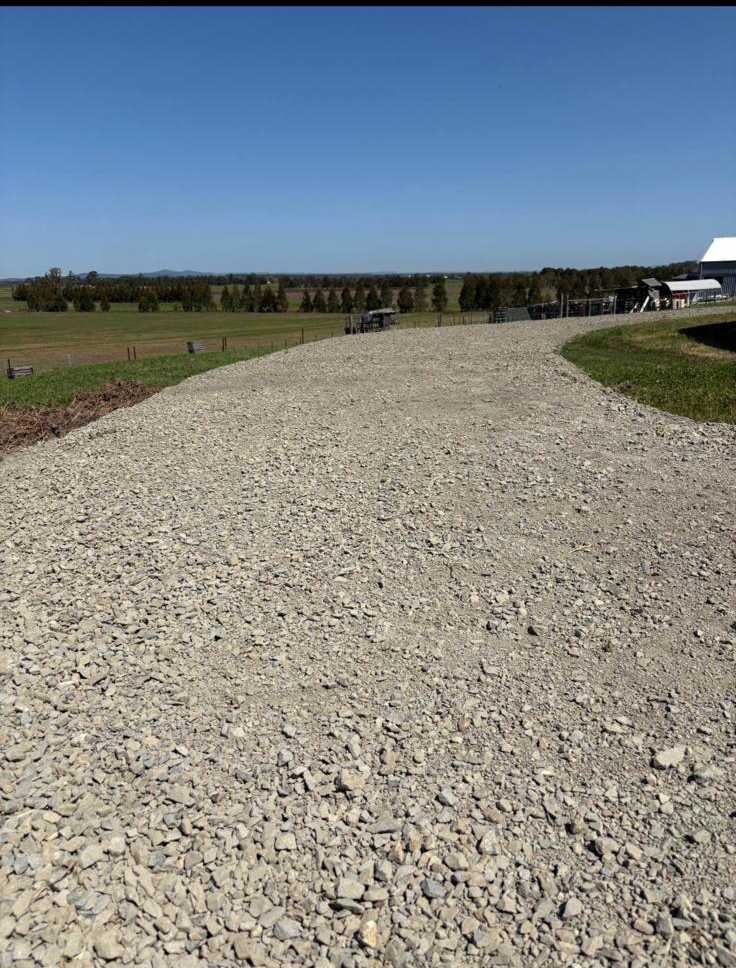
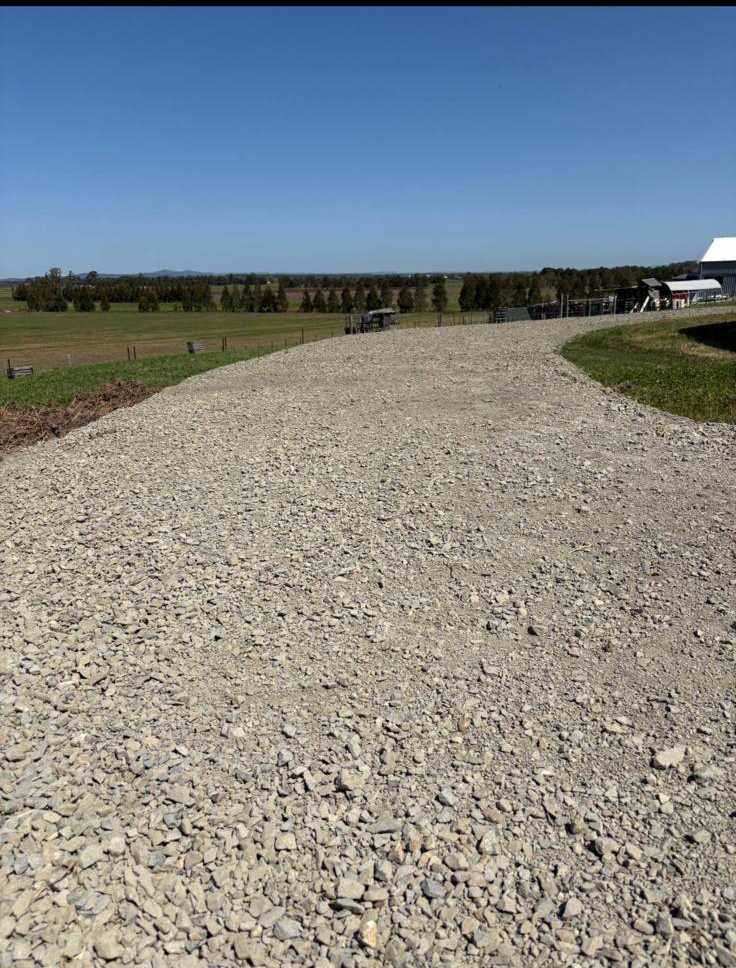
Road base and gravel works can help establish or improve access areas, depending on the existing ground conditions and intended use.

These works may be required for:

  • Rural driveways
  • Property access tracks
  • Vehicle access areas
  • General site preparation
  • Surface improvements
  • Areas requiring additional ground material

The material and preparation method should suit the expected vehicle use, ground conditions and drainage requirements.

Bobby’s Bobcat Ground Levelling and Excavation also undertakes road base and gravel works as part of its broader earthmoving and property preparation services.

Bobby’s Bobcat Service Areas Across South West Sydney and Surrounding NSW

Bobby’s Bobcat Ground Levelling and Excavation provides excavation, earthmoving, ground levelling and site preparation services across South West Sydney and surrounding areas. Different properties have different ground conditions and access requirements, so each project should be assessed according to its location and scope.

Excavation Services in South West Sydney and the Camden Region

The business works with property owners and project requirements across locations including:

  • Leppington NSW 2179
  • Bringelly NSW 2556
  • Narellan NSW 2567
  • Camden Valley Way and surrounding areas
  • Catherine Field NSW 2557
  • Oran Park NSW 2570
  • Cobbitty NSW 2570
  • Edmondson Park NSW 2174

These locations include established residential neighbourhoods, developing properties and larger blocks where excavation and ground preparation may be required.

Projects can include site clearing, driveway preparation, ground levelling, pool dig-outs and general earthmoving. The scope of work depends on the property and the intended outcome.

Excavation and Earthmoving in Wollondilly and Surrounding Areas

Bobby’s Bobcat also services project requirements in surrounding Wollondilly locations, including:

  • Hill Top NSW 2575
  • The Oaks NSW 2570
  • Orangeville NSW 2570
  • Wilton NSW 2571

Properties in these areas can have varied site layouts, including sloping blocks, rural land and larger outdoor spaces. Depending on the site, excavation may be needed for building preparation, access improvements, land clearing, driveway work or general ground levelling.

Assessing the property before work begins helps determine the equipment, access arrangements and excavation approach required.

Bobcat Excavation in Western Sydney and Surrounding Rural Areas

The surrounding rural areas also have different earthmoving and property preparation requirements. Service locations include:

  • Luddenham NSW 2745
  • Greendale NSW 2745
  • Mulgoa NSW 2745
  • Silverdale NSW 2752

Rural and semi-rural properties may require larger areas of ground preparation, vegetation clearing, driveway improvements, soil removal or general excavation.

Whether you are preparing a section of land for construction or improving access across an existing property, the work should be planned around the ground conditions and intended use.

Local Excavation Solutions for Different Property Requirements

Across Leppington, Bringelly, Cobbitty, Narellan, Oran Park, Catherine Field and Edmondson Park, excavation requirements may include residential site preparation, pool excavation and driveway works.

In Hill Top, The Oaks, Orangeville and Wilton, projects may involve rural property preparation, ground levelling and access improvements.

For properties in Luddenham, Greendale, Mulgoa and Silverdale, site clearing, earthmoving, sand and soil removal and other ground preparation services may be required.

Bobby’s Bobcat Ground Levelling and Excavation can discuss your project requirements and confirm service availability for your specific property.

What to Consider Before Booking an Excavation Contractor

Choosing an excavation contractor involves more than comparing prices. The right approach depends on the work required, the property’s condition and the experience and equipment available.

Before arranging excavation work, consider the following points.

Understand the Scope of Work

Be clear about what needs to be completed. For example, a project may require bulk excavation, detailed digging, ground levelling or a combination of services.

Providing a clear description helps the contractor understand the project and assess what is required.

Check Site Access

Access is an important consideration for Bobcat and earthmoving equipment. Narrow entrances, steep driveways, fences and nearby structures can affect how equipment reaches the work area.

Photographs and site details can help when discussing access requirements.

Identify Underground Services

Before excavation, underground utilities and services should be identified. These may include water pipes, electrical cables, gas lines, telecommunications infrastructure and drainage systems.

Appropriate service location checks and relevant safety procedures should be followed before digging begins.

Discuss Soil and Material Removal

Excavation can produce substantial amounts of soil and other materials. Confirm whether the material will remain on the property, be relocated or require removal.

This should be considered when planning the work and estimating the overall project requirements.

Consider Drainage and Finished Levels

The finished ground levels should suit the property’s intended use. Incorrect levels can contribute to water pooling, runoff problems or unsuitable surfaces.

Where required, discuss drainage and levels with the relevant builder, engineer or drainage professional.

Confirm the Project Requirements

Some excavation work may require approvals, plans or coordination with other contractors. Property owners should check relevant council requirements and obtain professional advice where necessary.

Good preparation helps make the excavation process more organised.

Why Choose Bobby’s Bobcat Ground Levelling and Excavation?

Selecting an excavation provider is an important part of preparing a property for construction or improvement work. You need a service that understands the practical requirements of earthmoving and ground preparation.

Bobby’s Bobcat Ground Levelling and Excavation brings nine years of industry experience to a range of residential, commercial and rural property projects.

The business provides services including:

  • Bulk excavation
  • Detailed excavation
  • Bobcat excavation
  • Ground levelling
  • Site clearing
  • Bush and shrub clearing
  • Dam clearing and maintenance
  • Pool dig-outs
  • Driveway repairs
  • Concrete site preparation
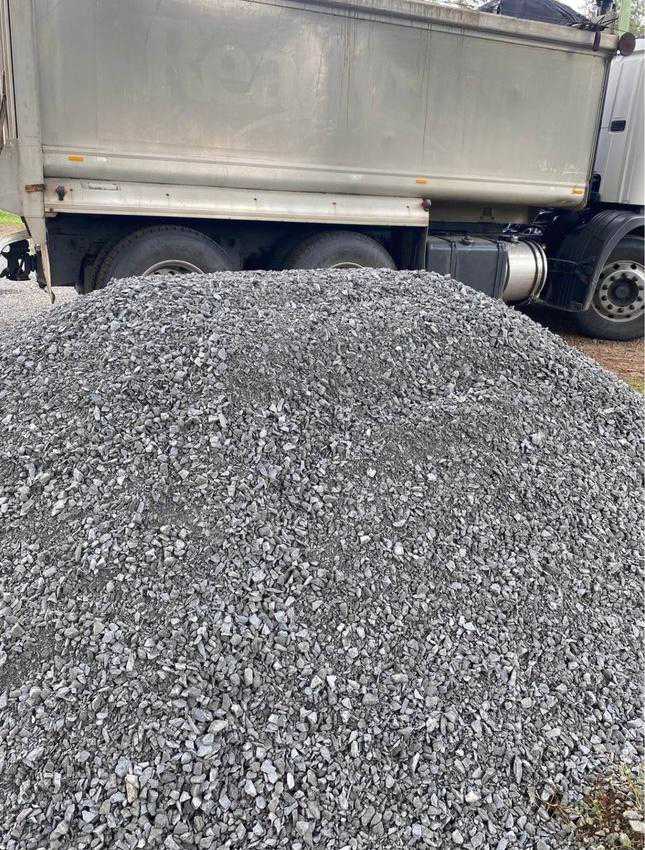
  • Road base and gravel works
  • Sand and soil removal

Having access to a range of excavation and property preparation services can help property owners discuss different stages of their project with one provider.

Every site is different. The most suitable approach depends on the ground conditions, access, project scope and intended outcome.

To discuss your excavation requirements, contact Bobby’s Bobcat Ground Levelling and Excavation on 0449 993 438.

How to Prepare for Your Excavation Project

Preparing your property before the excavation contractor arrives can help the work proceed more efficiently.

1. Explain Your Project Clearly

Describe what you want to achieve. Whether you need a level building area, a pool dig-out, driveway preparation or general land clearing, explain the intended outcome.

2. Provide Site Photographs

Photographs of the property, access points and proposed work area can help the contractor understand the site before visiting.

3. Identify Access Restrictions

Let the contractor know about narrow entrances, gates, overhead obstacles, fences or other access limitations.

4. Locate Underground Services

Arrange for underground utilities to be identified before excavation. Never assume that an area is clear simply because no visible services are present.

5. Discuss Soil Removal

Decide whether excavated soil will be retained, relocated or removed from the property.

6. Coordinate With Other Contractors

If your excavation is part of a larger construction or landscaping project, coordinate the work with builders, pool installers, concreters or other relevant trades.

7. Confirm the Work Area

Make sure the intended excavation area is clearly identified and that unnecessary obstacles are removed where practical.

Taking these steps helps establish clear expectations before work begins.

Frequently Asked Questions About Excavation Services in South West Sydney

1. What excavation services are available across South West Sydney?

Excavation services can include bulk excavation, detailed excavation, Bobcat excavation, ground levelling, site clearing, pool dig-outs, driveway preparation and sand and soil removal. The appropriate service depends on the property and project requirements.

2. What is the difference between bulk excavation and detailed excavation?

Bulk excavation generally involves removing or relocating larger quantities of soil to establish broad ground levels. Detailed excavation involves more controlled digging where specific dimensions, depths or site conditions require closer attention.

3. Can excavation help prepare land for a new home?

Yes. Excavation can help prepare land for residential construction by removing excess soil, adjusting ground levels and creating suitable areas for subsequent building work. The required preparation should follow the relevant construction plans and site requirements.

4. Do I need excavation before installing a swimming pool?

Most in-ground swimming pools require excavation to create the space for the pool structure. The required excavation depends on the pool design, dimensions, ground conditions and installation requirements.

5. Can uneven ground be levelled before landscaping?

Yes. Ground levelling can help prepare uneven areas for landscaping, outdoor improvements and other property projects. The finished levels should be planned according to the intended use and drainage requirements.

6. Do excavation contractors remove excess soil?

Soil removal may be available as part of an excavation or separate material removal project. Confirm the quantity, type of material and removal arrangements before the work begins.

7. What areas does Bobby’s Bobcat Ground Levelling and Excavation service?

The service areas include locations such as Leppington, Bringelly, Narellan, Catherine Field, Oran Park, Cobbitty, Edmondson Park, Hill Top, The Oaks, Orangeville, Wilton, Luddenham, Greendale, Mulgoa and Silverdale. Contact the business to confirm availability for your property.

8. What information should I provide when requesting an excavation quote?

Provide your property location, a description of the work, approximate dimensions, access details and photographs where possible. Mention any known underground services, soil removal requirements or construction plans that may affect the project.

9. Can a Bobcat be used for residential excavation?

Bobcat equipment can be suitable for many residential excavation and ground preparation tasks. Equipment suitability depends on site access, available working space, ground conditions and the amount of material that needs to be moved.

10. How do I arrange excavation services with Bobby’s Bobcat?

Contact Bobby’s Bobcat Ground Levelling and Excavation on 0449 993 438 to discuss your project. Explain the work required and provide your location so the business can discuss the next steps and service availability.

Contact Bobby’s Bobcat for Excavation and Earthmoving Services

Whether you are preparing a residential block, improving a rural property, arranging a pool dig-out or undertaking general site preparation, selecting the right excavation approach is an important first step.

Bobby’s Bobcat Ground Levelling and Excavation provides a range of earthmoving and ground preparation services across South West Sydney and surrounding NSW locations.

From bulk excavation and detailed excavation to ground levelling, site clearing, driveway repairs and sand and soil removal, the business can discuss the requirements of your project and the most suitable way to approach the work.

If you are located in Leppington, Bringelly, Narellan, Catherine Field, Oran Park, Cobbitty, Edmondson Park, Hill Top, The Oaks, Orangeville, Wilton, Luddenham, Greendale, Mulgoa or Silverdale, get in touch to confirm availability.

Call Bobby’s Bobcat Ground Levelling and Excavation on 0449 993 438 to discuss your excavation and earthmoving requirements.

Visit the Bobby’s Bobcat website to learn more about the business and its services.

You can also explore the About Us page and the Services section for further information.
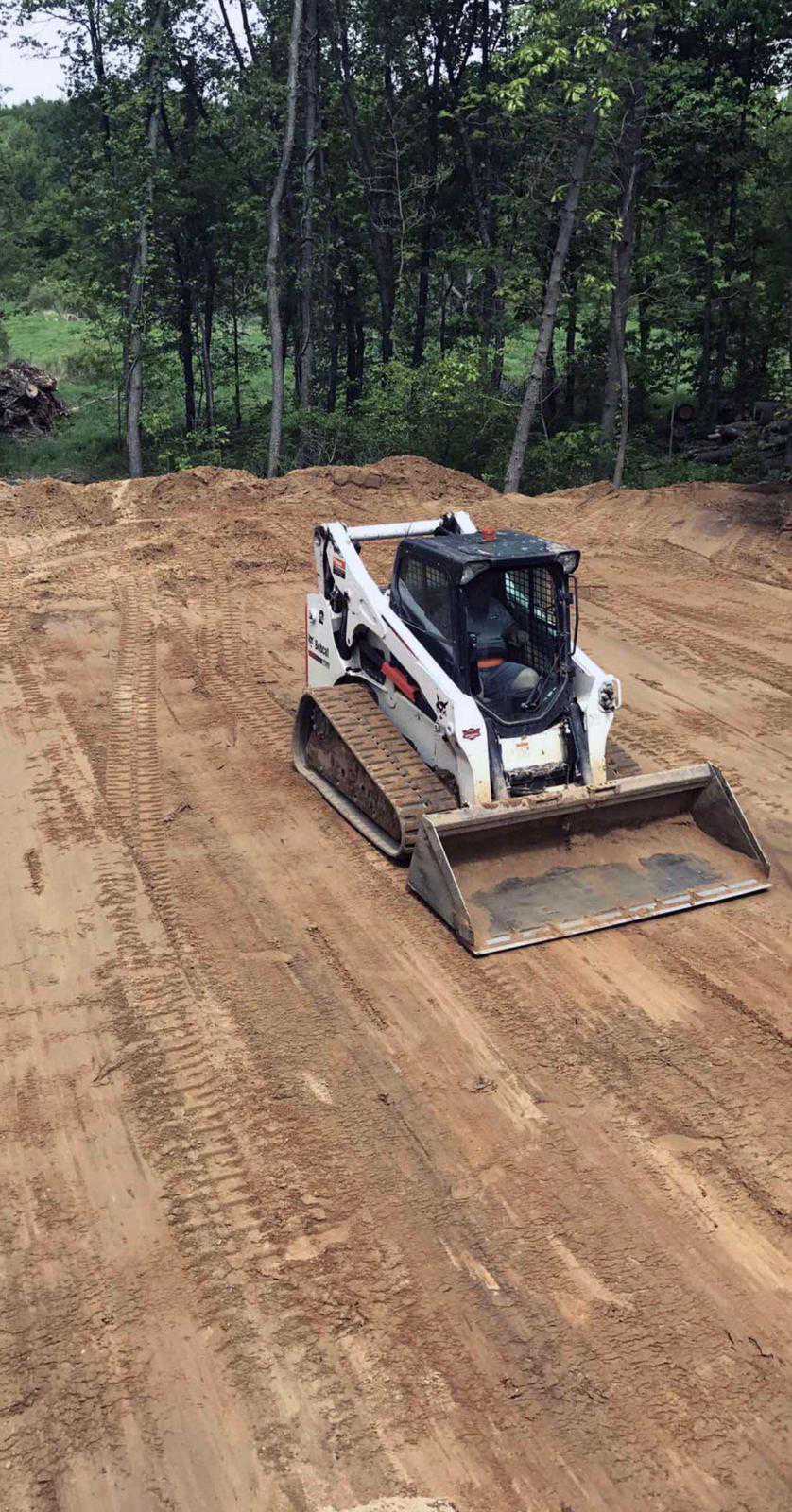
10 Essential Steps for Site Clearing Bringelly Projects

Site clearing Bringelly projects can look straightforward until the first machine rolls in. Then the real questions appear. Where do the trees go? Which rules apply to native vegetation? Who checks for buried cables? How does the waste leave the property? A clear plan answers these questions before they cost you money.

Quick answer: Site clearing Bringelly means removing vegetation, debris, old structures and unwanted material from a block so the land is safe and ready for building, landscaping, farming or development. A good clearing job follows ten steps: set your goals, check the rules, inspect the site, locate underground services, plan access, protect what stays, clear in a safe order, manage waste, control erosion and finish the levels. Bobby’s Bobcat Ground Levelling and Excavation delivers this work across Sydney with 9 years of industry experience.

Bringelly is a suburb on The Northern Road between Penrith and Camden. According to Wikipedia’s summary of Bringelly, the suburb sits next to Badgerys Creek and the Western Sydney Airport site. It also splits between Liverpool City Council and Camden Council. Because of that split, the rules for your block can depend on which side of the boundary it sits.

Meanwhile, the area keeps changing. New roads, new homes and the growing Aerotropolis precinct bring fresh demand for cleared and levelled land. As a result, owners of acreage blocks, rural lots and development sites all ask the same question: how do I clear this land properly?

This guide answers that question in ten steps. It also explains what affects the price, how to choose a contractor and which mistakes to avoid. By the end, you will know exactly how to prepare and what to expect.

What Does Site Clearing in Bringelly Actually Involve?

Site clearing is the process of removing everything that stops a block from serving its next purpose. Depending on the property, that can include grass, weeds, shrubs, trees, stumps, fallen timber, old fences, sheds, dumped rubbish and surface rock. In some cases it also includes stripping topsoil and trimming the ground to rough levels.

Many people confuse clearing with excavation. However, the two services differ. Clearing prepares the surface. Excavation digs below it. Most projects need both at different stages. For example, you might clear a paddock first and then excavate a building pad. You can read more about our approach on the Site Clearing and Clean Ups service page.

What Sort of Properties Need Clearing?

Bringelly includes semi rural acreage, farm blocks, lifestyle properties and land waiting for development. Each type of property raises different needs.

A lifestyle block might need overgrown paddocks cut back so owners can build a shed or a new driveway. A farm might need old structures and dead trees cleared to improve access. A development site might need everything removed before surveyors and builders begin. Similarly, an owner who buys a neglected block often needs a full clean up before any plans can move forward.

What Equipment Do Contractors Use?

Operators use bobcats, excavators, tipper trucks and attachments such as grapples, mulchers and rock buckets. Bobcats handle tight areas and light vegetation. Excavators remove stumps and larger debris. Trucks carry the waste away.

Because machine choice affects cost and time, a good contractor explains why they pick each one. They should also explain how they protect the surfaces the machines cross.

Why Bringelly Properties Need Careful Planning

Every suburb has its own character. Bringelly stands out because it blends rural land with fast moving growth. Therefore, owners face a mix of old and new challenges.

First, many blocks carry mature trees and thick undergrowth. Some also contain old dams, creek lines or drainage paths. Second, council boundaries shift across the suburb. Third, large infrastructure projects nearby attract heavy traffic on roads like The Northern Road and Bringelly Road. As a result, truck movements need good timing.

Clay Soils and Wet Weather

Western Sydney soils often contain clay. Dry clay digs easily but wet clay turns into sticky mud that traps machines and trucks. In addition, heavy rain can stop a clearing job for days. For that reason, flexible scheduling matters. A contractor who watches the forecast and talks to you about timing protects both your property and your budget.

Bushfire Awareness

Many rural blocks in Western Sydney sit near bushland. Consequently, owners often clear land to reduce fire risk around buildings. The NSW Rural Fire Service runs the 10/50 Vegetation Clearing Scheme, which lets eligible owners in designated areas clear certain vegetation near their homes without formal council approval. You can learn more on the NSW RFS 10/50 vegetation clearing page.

However, the scheme has limits. It only applies to land in a mapped entitlement area. It also has exclusions and conditions. Therefore, always check your eligibility before you clear anything.

Growth and Development

Bringelly sits inside a growth corridor. Many owners clear land because they plan to subdivide, build or sell. In those cases, clean and levelled land adds value. Buyers and builders respond well to sites that look ready.

Step 1: Define Your Goals and Boundaries

Every successful clearing project starts with a clear goal. Before you call anyone, decide what you want the land to do next.

Ask yourself several questions. Do you plan to build a house or a shed? Will you install a driveway? Do you want open paddock for animals? Are you preparing the land for sale or subdivision? Each goal needs a different finish.

For instance, a building pad needs stripped topsoil and firm levels. A paddock might only need weed control and tree removal. A development site might need total removal of every plant and structure.

Confirm Your Boundaries

Next, confirm exactly where your land begins and ends. Old fences often sit in the wrong place. Mistakes here cause disputes and legal headaches. If you have any doubt, ask a registered surveyor to mark the boundary pegs before work starts.

Write Down What Stays

Also decide which features you want to keep. Mature shade trees, garden beds, dams, fences and sheds often matter to owners. Mark them clearly and tell your contractor early. A short list saves arguments later.

Set a Budget and a Timeline

Finally, set a rough budget and a target finish date. Doing so helps your contractor suggest realistic options. If your timeline is tight, say so. If you can wait for drier weather, mention that too.

Step 2: Check the Rules and Approvals for Site Clearing Bringelly

Rules shape what you can remove and how you can do it. Skipping this step creates the biggest risk of fines and forced rework.

Know Your Council

As noted earlier, Bringelly falls under both Liverpool City Council and Camden Council. Check your rates notice or ask council which authority covers your lot. Then contact that council about tree preservation orders and clearing rules.

Native Vegetation and Protected Species

Some trees and plant communities carry legal protection. Removing them without approval can lead to heavy penalties. For example, certain native species and endangered ecological communities appear in Western Sydney bushland. Therefore, if your block holds remnant bush or large native trees, seek advice before you clear.

The RFS page also warns that clearing under the 10/50 Code does not override Commonwealth environmental law. In short, even when the state scheme allows clearing, other rules can still apply.

Bushfire Rules

If your property sits in a bushfire prone area, special conditions may apply to building and clearing. Use the RFS online tool and check again on the day you clear because mapping and rules can change.

Development Approvals

Large earthworks and changes of use can need development consent. Likewise, clearing for a new dwelling or a commercial site may form part of a wider approval. If you hold a development application, share the conditions with your contractor so the work matches the plan.

Our Role

We do not give legal advice or replace a town planner. Instead, we flag obvious concerns and recommend that you confirm approvals before the machines arrive. That approach keeps your project on the right side of the rules.

Step 3: Inspect the Site and Identify Hazards

A thorough inspection reveals problems before they become emergencies. Walk the whole block with your contractor if possible. If not, send detailed photos and videos.

Look for Dumped Waste

Neglected land often hides rubbish. Old tyres, car bodies, building scraps and household waste appear in thick grass or under bushes. Some of this material may need special disposal. Therefore, identify it early.

Watch for Asbestos

Older buildings and fences may contain asbestos. If you find broken cement sheeting or suspect fibrous material, stop work and call a licensed asbestos professional. Do not break it up or move it yourself. Safety comes first.

Check Dams, Creeks and Soft Ground

Water features create hazards for heavy machines. Soft edges can collapse. Hidden holes can swallow a wheel. As a result, operators look closely at wet areas and plan safe travel routes. If you also need work on a farm dam, our dam clearing and maintenance service may help.

Spot Wildlife

Snakes, bees, birds and other animals live in overgrown land. Operators check for nests and burrows. If you find a protected animal or active nest, tell us right away. Sometimes we can adjust the schedule or the work zone.

Examine Trees

Dead trees, leaning trunks and hanging limbs can fall without warning. Therefore, mark any dangerous trees and keep people away from them. Operators remove them first in a controlled way.

Identify Old Structures

Sheds, tanks, septic systems, fences and slabs may sit under the vegetation. Some need demolition. Others need protection. Knowing what lies hidden helps your contractor choose the right tools.

Step 4: Locate Underground Services

Buried services make excavation and heavy clearing dangerous. Rural properties often contain private lines that no public map shows. Therefore, plan this step carefully.

The free national Dial Before You Dig service provides plans of many underground assets. You can submit a request at Before You Dig Australia or by phoning 1100. The service advises that you apply well before work starts and then study the plans carefully. Note that plans show approximate locations only. Hand digging, known as potholing, confirms the exact position before heavy machinery moves in.

Do Not Forget Private Lines

Not every asset owner joins the service. Consequently, check your property for private water lines to sheds or troughs, old electrical cables, bore pump lines and septic pipes. Ask previous owners or neighbours if you can. Tell your contractor everything you know.

Overhead Lines

Overhead power lines also create hazards. Tall machinery and falling branches can touch them. Therefore, point out any lines near the work area so the operator can plan safe distances.

Why This Step Saves Money

A single hit on a cable or pipe can cost thousands of dollars and risk serious injury. In contrast, a short call and a few hours of hand digging cost very little. For that reason, never skip this step.

Step 5: Plan Access and Machinery

Access controls the speed of almost every job. A wide gate and firm track let machines work quickly. A narrow gate or a boggy entry slows everything.

Check Gates and Tracks

Measure your gate width. Look for overhead branches. Test the surface where trucks will drive. If the track is soft, a contractor may lay temporary crushed rock or timber mats. Our road base and gravel works service can improve access tracks when needed.

Choose the Right Machine

Bobcats suit small yards, tight corners and light clearing. Excavators handle stumps, large trees and bulk debris. Mulchers shred vegetation into chips on site. Often a mix of machines gives the best result.

Plan Truck Movements

Trucks need space to turn and load. Plan where they will park and how they will leave. On busy roads, timing matters. For example, avoid peak traffic if you can.

Protect Neighbours’ Access

Never block a neighbour’s driveway or a shared lane. Talk to them first. Friendly communication prevents conflict.

Stockpile Locations

Decide where cleared material will sit before it leaves. Keep stockpiles away from drainage lines, boundaries and trees you want to keep. In wet weather, cover loose piles.

Step 6: Mark and Protect What Stays

Clearing removes a lot. Protection keeps the valuable parts safe. Therefore, mark every feature that must remain.

Use Clear Markers

Mark trees, fences, gardens, drains, bores and buildings with coloured tape, paint or stakes. Take photos of the markings so everyone remembers the plan. Operators rely on these signs when they work.

Protect Roots

Tree roots extend well beyond the canopy. Heavy machines compact the soil and damage roots. Therefore, keep machines outside the root zone of trees you want to keep.

Protect Surfaces

Existing driveways, pavers and lawns can suffer under machine tracks. Operators use plywood, mats or alternative paths where needed. If you have a fragile surface, tell us in advance.

Protect Water Paths

Never block natural drainage lines unless a plan covers it. Instead, keep water moving. This protects your land and your neighbours.

Protect the Neighbours

Keep clearing debris on your side of the fence. If branches overhang a boundary, discuss trimming with the neighbour first. Good relationships make future projects easier.

Step 7: Clear Vegetation and Debris in a Safe Order

The order of work matters. A planned sequence keeps people safe and keeps the site efficient.

Start With Hazards

First, remove dangerous trees and structures. Next, clear overhead risks. After that, tackle larger timber. Finally, handle the grass and small shrubs. Following this order prevents falling branches from damaging cleared areas.

Cut Trees Safely

Trained operators fell trees in controlled directions. They use machines to lower large limbs instead of letting them crash. If a tree sits near a building or power line, specialist arborists may need to handle it.

Remove Stumps and Roots

Stumps can stay or go depending on the plan. If you plan to build, grading or landscaping, remove them completely. Excavators grab stumps and pull roots out of the ground. Alternatively, a mulcher grinds them below the surface when full removal is not needed.

Clear Shrubs and Undergrowth

Dense bush and weeds hide hazards. Our bush and shrub clearing service targets overgrown areas so you can use your land again. Operators take care to avoid damaging soil structure more than necessary.

Handle Weeds Responsibly

Weeds such as lantana, blackberry and African olive can regrow from small root pieces. Therefore, remove them carefully and dispose of them properly. If they re-sprout later, follow up with treatment.

Remove Old Fences and Structures

Pull out old posts and wire. Break down sheds and tanks if the plan calls for it. Keep scrap metal separate for recycling.

Strip Topsoil When Needed

For building pads and driveways, stripping the organic topsoil gives a firm base. Operators remove it in layers and stockpile it for reuse in landscaping. Topsoil holds nutrients that gardens love, so it often has value.

Step 8: Manage Waste, Soil and Green Material

Waste management often decides how much a clearing job costs. Plan it before you start.

Sort the Material

Separate the waste into streams. Green waste includes branches, grass and leaves. Timber includes logs and trunks. Soil and sand include topsoil and fill. Builder’s waste includes bricks, concrete and metal. Rubbish includes household items and plastic.

Sorting at the source cuts disposal costs because clean streams often cost less to process.

Mulch and Reuse Green Waste

Mulching turns branches and shrubs into useful chips. You can spread the mulch on garden beds or tracks. This approach cuts truck loads and saves money. Moreover, mulch suppresses weeds and holds moisture in the soil.

Reuse Timber

Large logs can become firewood, fence posts or habitat features for wildlife. If you want them, tell your contractor so the crew stacks them separately.

Classify Excavated Soil

When clearing includes stripping or digging soil, classification matters. The NSW EPA explains that virgin excavated natural material, known as VENM, covers natural material such as clay, gravel, sand, soil or rock fines from uncontaminated land. You can read the official guidance on the NSW EPA VENM page.

If the land has a history of dumping, farming chemicals or industrial use, the soil might not qualify. In that case, testing may be necessary before disposal. Therefore, share any site history you have.

Deal With Problem Waste

Asbestos, chemicals, fuel drums and similar items need specialist handling. Never mix them with general waste. If you find them, stop and call the right professionals.

Keep Records

Ask for dockets from disposal facilities. These records prove where the material went. They also protect you if questions arise later.

Consider Fill and Soil Delivery

Sometimes you clear one part of a site and need soil elsewhere. If that applies, check our free soil delivery service for details on what we can supply. Availability and suitability depend on your site, so contact us to confirm.

Step 9: Control Erosion, Dust and Neighbour Impact

Clearing exposes bare ground. Rain, wind and traffic can then move soil where you do not want it. Good controls protect your property and the wider area.

Install Sediment Controls

Place silt fences, sandbags or straw barriers along low boundaries and near drains. These barriers slow water and trap soil. Check them after rain and repair any damage straight away.

Protect Drains and Creeks

Never let sediment wash into stormwater drains or waterways. Keep stockpiles away from these paths. Cover them when rain looms.

Control Dust

Dry clay and sand create dust. On windy days, operators may wet the surface or delay dusty tasks. Moreover, trucks should travel slowly on dirt tracks.

Keep Roads Clean

Trucks can carry mud onto public roads. Clean the entry point and tyres when needed. Clean roads keep drivers safe and avoid complaints.

Manage Noise

Machines make noise. We work between 7 AM and 5 PM from Monday to Sunday. Even so, tell neighbours when the loudest work will happen. A simple message builds goodwill.

Establish Safe Zones

Fence off the work area from children and pets. Keep visitors away from machines. If you live on site, ask the operator where you can walk safely.

Stabilise Bare Ground

After clearing, bare soil needs quick cover. Options include grass seed, mulch, jute mesh or a temporary stabilising layer. If you plan to build soon, a rolled surface may suffice. Otherwise, planting cover prevents erosion during rainy periods.

Step 10: Finish Levels, Drainage and Handover

The final step turns cleared land into a ready site. Good finishing sets up every task that follows.

Trim to Rough Levels

Operators trim the ground to rough levels so water drains away from future structures. They fill holes, remove humps and smooth tracks. If you need precise finished levels, our ground levelling service handles that work.

Shape Drainage

Water must leave the site safely. Therefore, shape swales, channels or falls that guide runoff to a suitable outlet. Avoid sending water toward neighbours or buildings.

Prepare for the Next Stage

Different projects need different finishes. A slab needs a stable base. A driveway needs compacted material. A shed needs a flat pad. Learn more about base preparation through our concrete site preparation service.

If your project involves deeper digging for footings or services, our detailed excavation service provides precision. For large cuts, consider bulk excavation.

Do a Final Walk Through

Walk the site with your contractor. Check that cleared areas match the plan. Confirm that protected features remain intact. Ask about any follow up tasks such as weed control or erosion checks.

Collect Your Paperwork

Keep waste dockets, approvals, service plans and photos. These documents help with future sales, council queries and insurance.

Plan Maintenance

Cleared land needs care. Slash grass, treat weeds and check erosion controls after storms. Small tasks prevent big problems.

What Affects the Cost of Site Clearing Bringelly?

Owners often want a fixed price immediately. However, honest pricing depends on facts that a site visit reveals. Several factors shape the final figure.

Size and Density

A large block takes longer than a small one. Dense bush costs more than light grass. Therefore, area and vegetation type sit at the top of every quote.

Tree Size and Number

Large trees need more time and bigger machines. Stump removal adds further work. If trees sit near buildings or power lines, costs rise.

Access and Terrain

Steep slopes, soft ground and narrow gates slow progress. As a result, difficult access adds cost.

Waste Volume and Type

Heavy loads and special waste raise disposal fees. Sorting waste helps control costs. Mulching on site can reduce the number of truck trips.

Distance to Disposal

Longer trips to disposal facilities increase fuel and time. The location of the nearest suitable facility influences the price.

Hazards and Extras

Asbestos, dumped rubbish, services location and erosion controls all add work. Good quotes list these items clearly so you can compare options fairly.

Weather and Timing

Wet weather causes delays. Urgent timelines may need extra resources. Flexible dates often reduce cost.

How to Get an Accurate Price

Send photos, measurements and a short description of the goal. Then arrange a site visit. A short inspection usually saves money because it removes guesswork. Ready to start? Request your free quote from Bobby’s Bobcat and we will review your site, access and the work required.

How to Choose a Site Clearing Contractor in Bringelly

Choosing well protects your budget and your land. Consider these points before you commit.

Experience With Local Conditions

Look for a contractor who understands Western Sydney soils, weather and access issues. Bobby’s Bobcat has 9 years of industry experience across Sydney. Our base at Kemps Creek sits in Western Sydney, so Bringelly falls within our regular working region.

Clear Communication

You should understand the plan, the price and the schedule before work starts. Responsive contractors answer questions quickly. They also explain options in plain language.

Insurance and Safe Work Practices

Ask about public liability insurance and safety procedures. A professional contractor answers without hesitation.

Transparent Quotes

Compare what each quote includes. Check disposal, services location, erosion control and finishing. A cheap price that leaves out these items often costs more later.

Respect for Your Property

Choose someone who protects fences, driveways, trees and neighbours. Ask how they prevent damage.

Proof of Past Work

Photos show quality. You can browse examples in our gallery. You can also read about our values on the About Us page.

Flexible Support

Every property differs. Choose a contractor who adapts to your block instead of forcing one method onto every site.

Common Mistakes to Avoid

Many clearing problems repeat from site to site. Learning from them saves time and money.

One frequent mistake involves clearing before checking the rules. Fines and stop work orders follow quickly. Another mistake involves ignoring underground services. Hits cause injury and expensive repairs. Some owners also forget to plan waste disposal. Consequently, piles of debris sit on the property for months.

In addition, people sometimes clear too much. Removing every tree can increase erosion and heat. Therefore, keep valuable trees where the plan allows. Others clear in wet weather and then wrestle with mud for weeks. Wait for better conditions when possible.

Finally, owners often hire on price alone. Cheap work can leave stumps, rubbish and poor levels behind. Instead, compare scope, communication and care.

Why Property Owners Choose Bobby’s Bobcat

Bobby’s Bobcat Ground Levelling and Excavation provides professional earthmoving, excavation and site preparation throughout Sydney. We work with homeowners, builders, landscapers and property owners. Our team keeps things simple, clear and easy to manage from the first call to the final walk through.

Our working hours run from 7 AM to 5 PM Monday to Sunday. Calls are welcome at any time. We handle small detailed jobs and large bulk projects alike.

Clients from Penrith, Liverpool and Blacktown describe our work as careful and well organised. They mention clear communication and tidy sites in their feedback on our home page. That feedback reflects how we approach every job. We explain the plan. We respect your property. We keep the site tidy as we go. Then we leave the ground ready for the next step.

Frequently Asked Questions About Site Clearing Bringelly

What does site clearing Bringelly include?

Site clearing usually includes removing vegetation, stumps, debris, old fences and unwanted structures. It can also include stripping topsoil and trimming the ground to rough levels. The exact scope depends on your goals and should appear in your quote.

Do I need council approval to clear my block in Bringelly?

Sometimes you do. Bringelly sits across Liverpool City Council and Camden Council areas, and each has its own tree and vegetation controls. Native vegetation and protected species can need approval. Check with your council and confirm any bushfire scheme eligibility before you start.

What is the 10/50 vegetation clearing rule?

The 10/50 scheme allows eligible owners in mapped areas to clear certain trees and vegetation near their homes for bushfire protection. It only applies in designated entitlement areas and has exclusions. It also does not override Commonwealth environmental law. Use the NSW Rural Fire Service online tool to check your property.

How long does site clearing take?

A small block with light vegetation may take a day or two. Larger acreage with dense bush can take a week or more. Weather, access, tree size, waste volume and the finish you want all influence the timeline. A site inspection gives a more reliable estimate.

How much does site clearing cost in Bringelly?

Cost depends on block size, vegetation density, tree size, access, waste volume and disposal distance. Hazards such as asbestos or dumped rubbish add to the price. Because every site differs, the best way to get a price is to request a quote with photos and measurements.

Should I check for underground services before clearing?

Yes. Submit a free Dial Before You Dig request before any machine breaks ground. Plans show approximate positions only so hand digging confirms exact locations. Also check for private lines such as bore pumps and water pipes to sheds.

What happens to the trees and branches after clearing?

Crews can mulch branches on site for reuse or load them onto trucks for disposal. Large logs can become firewood or fence posts. Tell your contractor what you want to keep so they sort the material correctly.

Can site clearing include levelling the land?

Yes. Many projects clear the land and then trim it to rough levels. Precise finished levels may need a separate ground levelling stage. Discuss your final goal so your contractor plans both steps together.

What if I find asbestos on my property?

Stop work and keep people away from the area. Do not break or move suspected material. Call a licensed asbestos professional to assess and remove it. Work can resume once the area is safe.

Is soil from site clearing reusable?

Often yes. Clean topsoil works well for landscaping and garden beds. Fill soil may suit low areas if it meets quality and environmental rules. If the land has a history of contamination, testing may be necessary before reuse or disposal.

What information should I give when I request a quote?

Share your address, block size, photos, the type of vegetation and any hazards you know about. Mention access limits, target dates and what must stay. Clear details lead to more accurate pricing.

Do you work on weekends?

Our working hours run from 7 AM to 5 PM Monday to Sunday. Calls are welcome at any time. Contact us to confirm availability for your preferred date.

Final Thoughts on Site Clearing Bringelly

Site clearing Bringelly projects succeed when you plan the rules, services, access, waste and finished levels before the first machine starts. These ten steps give you a clear path from the first inspection to the final handover. Along the way, careful communication and respect for your land and your neighbours make the difference.

Do you have a Bringelly block that needs clearing? Call Bobby’s Bobcat on 0449 993 438 or visit our contact page to talk through your site, your access and the work you need done. We will give you clear advice and a practical plan.

Sand and Soil Removal Maroota: A Practical Property Guide

Sand and soil removal Maroota projects often look simple from the driveway. However, the work behind a clean finish involves ground assessment, safe access, correct disposal and careful machine operation. If you own land in Maroota or plan to build there, understanding the process before the first truck arrives will save you time and money.

Quick answer: Sand and soil removal Maroota means digging unwanted sand, soil or fill from your property with a bobcat or excavator. Trucks then carry the material away for reuse or lawful disposal. The service suits house pads, driveways, pool areas, sheds, dams, landscaping zones and cleared building sites. Bobby’s Bobcat Ground Levelling and Excavation delivers this work across Sydney with 9 years of industry experience.

Maroota sits in the Hornsby Shire in Sydney’s north west. Planning records show that the district has a history of sand and sandstone extraction, which means many properties rest on sandy ground that behaves very differently from the heavy clay found elsewhere in Sydney. Therefore, local ground knowledge matters when you plan any removal work.

This guide explains what the service involves, why Maroota conditions deserve attention, how disposal rules work and what affects the final price. Along the way you will also find practical checklists, honest advice and answers to the questions property owners ask most often.

What Does Sand and Soil Removal Maroota Involve?

Sand and soil removal means excavating material from a defined area and moving it off the work zone. The crew loads the material into trucks and takes it to a suitable destination. Depending on the quality of the material, that destination might be another property that needs fill or an approved waste facility.

In practice, the job has several moving parts. First, an operator inspects the site and confirms the volume of material. Next, the team plans machine access and truck movements. After that, the excavation begins, usually with a bobcat for tight areas or an excavator for deeper and larger digs. Finally, the crew trims the surface to the agreed levels and leaves the area ready for the next trade.

Many owners assume that removal is just digging. In fact, digging is only one stage. A well run job also covers underground service checks, waste classification, sediment control, traffic movements and neighbour courtesy. Skipping any of these steps can turn a one day task into a week of delays.

Bobby’s Bobcat offers sand and soil removal as a dedicated service. You can read more about it on our Sand and Soil Removal service page. Alternatively, if your project needs a larger scale dig, our bulk excavation service may fit better.

Sand Removal Versus Soil Removal

Although people often use the two terms together, sand and soil behave differently on site. Sand drains quickly but it also collapses easily when you cut it vertically. Soil, on the other hand, holds its shape better when it contains clay but it turns heavy and slippery after rain.

Because of these differences, operators choose different bucket sizes and travel paths for each material. They also stack and load the two materials differently. For example, loose dry sand flows off a bucket quickly so a careful operator loads trucks in smaller passes to avoid spillage onto the road.

Who Needs This Service?

Homeowners, builders, landscapers and rural property owners all request removal work. A homeowner might want to level a backyard for a new patio. A builder might need to strip topsoil before pouring a slab. Meanwhile, a landscaper might need to clear a sloping garden bed before installing retaining walls.

Each of these customers shares one goal. They want the ground cleared safely and left in a condition that supports the next stage of the project.

Why Maroota Ground Conditions Matter

Maroota is a rural and semi rural locality with large lots and varied terrain. In many parts of the area the ground contains sand layers over sandstone. As a result, the way you dig and the way you manage water can differ from a typical suburban block in Western Sydney.

Moreover, NSW planning records describe approved sand extraction on Old Telegraph Road at Maroota. You can see an example in the NSW Planning Portal record for that extractive industry project. That kind of history tells us the local geology often supports sand deposits. Therefore, property owners should expect to meet sandy material when they dig.

How Sandy Ground Behaves

Sandy ground offers a few advantages. It drains well so water rarely sits on the surface for long. In addition, machines can usually work on it without leaving deep ruts when the surface stays dry.

However, sand creates risks too. Loose sand slumps into trenches and pool excavations. It also blows around in strong winds, which can annoy neighbours and clog drains. Similarly, heavy rain can wash exposed sand into gutters, creeks and driveways. For these reasons, an experienced operator controls the working face carefully and protects stormwater paths from the first hour.

How Sandstone and Clay Change the Job

Beneath the sand, many Maroota properties hit sandstone or clay. Sandstone slows excavation because the bucket cannot dig it as easily as loose soil. In some cases the job needs rock breaking equipment or a larger machine. Clay, in contrast, digs easily when dry but becomes sticky and heavy when wet.

So before you commit to a schedule, ask your contractor how they plan to handle the layers under your block. A reliable operator will explain what they expect to find and how they will adapt if the ground surprises everyone.

Steep Blocks and Dams

Many Maroota properties include slopes and farm dams. Therefore, access and stability become key concerns. Heavy machines need firm and safe tracks to travel. On steeper blocks, operators often cut a bench or work along contours to stay stable.

Dam work adds another layer. If you plan to remove silt or sand from a dam, you should read about our dam clearing and maintenance service as well. The two services overlap often on rural properties.

When Do You Need Sand and Soil Removal in Maroota?

Property owners call us for many reasons. Some of the most common situations appear below.

Preparing a Building Site

Before a builder pours footings or a slab, the site needs correct levels and a stable base. Often that means stripping topsoil and cutting into sandy fill. Because builders work to tight schedules, they value a contractor who arrives on time and finishes cleanly.

Digging for a Pool

A pool excavation produces a large volume of spoil in a short time. In fact, a typical residential pool can generate dozens of truckloads of material depending on size and depth. Our pool dig out service handles this work and the removal of spoil together so you avoid mountains of dirt sitting on your lawn.

Levelling Uneven Ground

Sometimes a sloping or lumpy yard needs reshaping. Removing high spots and redistributing material creates a flat area for sheds, play space or parking. If this describes your project, our ground levelling service may help.

Cleaning Up After Construction

Builders and tradies often leave spare sand, clay and rubble behind. Consequently, many owners need a clean up once the structure is finished. Our site clearing and clean ups service covers this stage.

Fixing Drainage or Erosion Problems

Sand washes away when water flows across it. Over time, a driveway edge or garden bed may build up with sediment. Removing that material and reshaping the ground can restore proper drainage. For related guidance, see our article on planning driveway repairs in Greendale, which explains how groundwork and drainage connect.

Clearing Excess Fill

Previous owners sometimes dump fill without records. If you buy a property and discover mounds of unknown material, you will probably want it assessed and removed or reshaped. This situation links directly to waste classification, which we explain below.

How the Removal Process Works From Start to Finish

A clear process protects your budget and your property. Here is how a typical job runs.

Step 1: Discuss the Project

First, you describe what you want. Useful details include the location, the size of the area, the depth of cut and any hard deadlines. Photos help a great deal. In addition, tell us about any known problems such as soft patches, old fill or tight gates.

Step 2: Assess the Site

Next, we look at access, slope, existing structures and likely ground conditions. We check where trucks can stand and where machines can travel without damaging driveways or lawns. If the property has trees, fences or buried pipes near the work zone, we flag them early.

Step 3: Confirm Volume and Material Type

Then we estimate how much material needs to leave. Volume matters because it drives truck numbers and time on site. Material type matters because it decides where the load can go. If something looks unusual, such as odd smells, colours or foreign objects, we pause and recommend testing.

Step 4: Check Underground Services

Before any machine breaks ground, someone must check for buried cables and pipes. We explain this step in detail below because it protects lives and property.

Step 5: Set Up Controls

After the planning stage, the crew installs sediment barriers where needed. They also mark exclusion zones for pedestrians and pets. On windy days they may limit dusty work or dampen the surface lightly.

Step 6: Excavate and Load

Now the real digging starts. The operator removes material in controlled layers and keeps the working face stable. Trucks load in a safe sequence so the site stays tidy and the road stays clean.

Step 7: Trim and Finish

When the bulk removal ends, the operator trims the surface to the target levels. They also tidy edges and clear stray material from access paths. As a result, the area is ready for concrete, landscaping, pool shells or whatever comes next.

Step 8: Final Walk Through

Finally, we walk the site with you to confirm that the finished result matches the plan. If anything needs adjustment, we fix it while the machine is still there.

Understanding Soil Classification and Disposal Rules

Disposal is the part many owners overlook. Yet it often decides the cost and the schedule. In NSW, the way you classify excavated material determines where it can go.

What Is VENM?

The NSW EPA explains that virgin excavated natural material, or VENM, covers natural material such as clay, gravel, sand, soil or rock fines. The material must come from land that carries no contamination from industrial, commercial, mining or agricultural activity. You can read the official explanation on the NSW EPA virgin excavated natural material page.

Clean sand from a natural deposit often fits this definition. However, classification requires certainty. If a site has a history of dumping, farming chemicals or industrial use, the material may fail the VENM test. In that case you may need laboratory testing before anyone can move it.

What About Excavated Natural Material?

Some material does not meet the VENM definition but still comes from natural sources. The EPA allows reuse of certain excavated natural material under a specific order and exemption. These rules include chemical limits and record keeping duties. Because the rules can change, you should check the current EPA guidance or ask a qualified consultant before you rely on any exemption.

When Soil Is Contaminated

If testing shows contamination, the material needs a different path. Contaminated soil usually goes to a licensed facility, and disposal fees rise sharply compared with clean fill. Therefore, early testing protects you from surprise bills.

Why Documentation Matters

Receiving sites often ask for proof of origin or classification. Without that proof, a facility may refuse the load or charge higher rates. For this reason, we recommend that owners keep records of previous land use and any reports they hold. If you have a contaminated land report or a site history, share it before the job starts.

Our Practical Advice

We cannot replace an environmental consultant. Nevertheless, we can spot obvious warning signs and help you decide when to seek testing. If your block looks clean and natural, the job often proceeds smoothly. If it looks doubtful, a short test program usually costs far less than a rejected truck.

Checking Underground Services Before You Dig

Every excavation near Maroota homes and farms carries a risk of hitting buried services. Electricity, water, gas, telecommunications and sewer or septic lines can all sit below the surface. Rural properties may also contain private lines that no public database records.

The national Dial Before You Dig service offers free plans of many underground assets. You can start a request at Before You Dig Australia or by phoning 1100. The service recommends that you apply at least two business days before the job begins. Plans show approximate locations only, so careful hand digging (potholing) confirms exact positions before heavy machines move in.

Not every asset owner joins the service. Consequently, you should also check your own property for private cables, water lines to sheds or old farm pipes. Tell your contractor about anything you know. A short conversation at the start can prevent an expensive and dangerous strike.

Site Access, Trucks and Machinery

Access shapes almost every part of a removal job. A site with a wide gate and a firm driveway moves quickly. A site with a narrow lane, overhanging trees or a steep entry demands more planning.

What We Look At

Before we arrive, we consider gate width, driveway strength, turning space and overhead obstacles. We also think about where trucks can queue without blocking neighbours. On many Maroota properties, long private driveways help because trucks can pull well off the public road.

Machine Choice

Bobcats suit tight spaces. They turn within their own length and slip through narrow gates. As a result, they work well in backyards and around buildings. However, they carry smaller buckets, so large volume jobs take longer.

Excavators dig deeper and move more material per pass. Therefore, bigger pool digs and bulk cuts often need them. Many projects use both machines together. The bobcat feeds material to a loading point while the excavator handles the heavy digging.

For precision work such as trenches or footing cuts, see our detailed excavation service.

Protecting Driveways and Lawns

Heavy machines can crack concrete, crush pavers and tear lawns. To prevent this, operators use timber mats, plywood sheets or alternative travel paths. If you have a delicate surface, tell us before the job begins.

Weather

Rain changes everything. Wet sand slumps, wet clay turns slippery and wet access tracks collapse under trucks. For that reason, we watch the forecast and discuss schedule changes with you if heavy rain approaches. Patience on the day often prevents long repairs afterward.

Protecting Your Property and Your Neighbours

Good contractors treat the surrounding area with care. This matters even more in a semi rural place like Maroota where neighbours share roads and sometimes fence lines.

Erosion and Sediment Control

Exposed sand and soil can wash into stormwater drains and creeks. Therefore, crews use silt fences, sandbags or straw barriers where water might flow off site. They also keep stockpiles away from drainage lines and cover them if rain is likely.

Dust Control

Dry sand creates dust quickly. In windy weather, operators may wet the surface or pause the most dusty tasks. Likewise, they keep trucks loaded below the sides so material does not blow out on the road.

Noise and Hours

Machines make noise. We work between 7 AM and 5 PM from Monday to Sunday, but you should still let neighbours know when heavy work will happen. A friendly heads up costs nothing and often prevents complaints.

Road Cleanliness

Trucks can drag soil or sand onto public roads. To prevent this, the team checks tyres and sweeps the entry when needed. A clean road protects other drivers and avoids complaints to council.

Safety Around the Work Zone

Keep children and pets away from the excavation area. Open cuts, moving machines and loose stockpiles create real hazards. If you live on the property during the job, ask the operator where it is safe to walk.

Planning Approvals and Local Rules

Many small removal jobs need no formal approval. Even so, larger earthworks can trigger planning requirements. The rules depend on the zone of your land, the volume and depth of the work, the presence of flood or bushfire controls and the proposed future use.

Maroota falls within the Hornsby Shire Council area. Hornsby Local Environmental Plan and Development Control Plan settings apply to land there. Because these controls vary from lot to lot, you should confirm requirements with council or a town planner before you start a large cut or fill.

Furthermore, if your property sits near a watercourse or contains native vegetation, extra rules may apply. For example, clearing bushland or disturbing a creek bank may need separate consent. Our bush and shrub clearing service can help with vegetation once you confirm the rules.

We do not give legal or planning advice. Instead, we recommend that you check first and share any approvals with us. That approach keeps everyone on the right side of the rules.

What Affects the Cost of Sand and Soil Removal Maroota?

Owners often ask for a fixed price straight away. However, honest pricing depends on facts that only a site inspection reveals. Several factors move the final figure.

Volume

More material means more machine hours and more truck trips. Volume sits at the top of every quote.

Material Type and Disposal

Clean sand that another site wants can cost less to move than mixed fill that needs a licensed facility. In addition, tipping charges at waste facilities vary and often rise with contamination.

Distance

The distance between your property and the destination affects fuel, driver time and truck cycles. Therefore, the location of the receiving site influences the price.

Access

Tight gates, steep driveways and long carry distances slow the job. As a result, access problems add cost.

Depth and Ground Hardness

Digging loose sand costs less than breaking sandstone. Likewise, a shallow strip costs less than a deep cut with benching.

Timing and Weather

Urgent jobs may need schedule changes. Meanwhile, wet weather can force delays that spread the work over more days.

Extra Tasks

Testing, services location, traffic control, sediment barriers and surface repair all add work. Good quotes list these items clearly so you can compare options fairly.

How to Get an Accurate Price

If you want a price you can trust, send photos, measurements and a short description of the goal. Then let us look at the site. A short inspection usually saves money because it removes guesswork. Ready to talk it through? Request your free quote from Bobby’s Bobcat and we will review your site, access and the work required.

Reusing Sand and Soil Instead of Removing It

Sometimes the best answer keeps material on your property. If the sand or soil suits your plans, reusing it can cut truck trips and disposal fees.

For instance, you might use excavated soil to build up a low corner of a paddock. Alternatively, you might spread clean sand under pavers or in garden beds after testing its quality. A contractor can sort suitable material from unsuitable material while digging, which keeps your options open.

On the other side, some owners need clean fill delivered rather than removed. In that case, our free soil delivery service may help depending on availability and site suitability. Check the service page for details and then contact us to confirm what we can supply.

Reuse always needs thought. Material must suit its new use and comply with environmental rules. If you doubt the quality, seek advice first.

Services That Often Go Together

Sand and soil removal rarely stands alone. Most projects connect to other groundwork tasks. Here is how the pieces fit.

First, bulk excavation handles large cuts for building platforms. You can learn more on our bulk excavation page. Second, ground levelling shapes the surface so water flows away from structures. Third, detailed excavation creates precise trenches and footings. After that, concrete site preparation builds a stable base for slabs and driveways. You can explore this on our services overview.

Together, these services let you hire one contractor for a whole stage of work. As a result, you avoid coordination problems between separate trades.

How to Choose a Sand and Soil Removal Contractor in Maroota

Choosing well protects your budget and your property. Consider the following points before you sign anything.

Experience

Look for a contractor with a track record. Bobby’s Bobcat has 9 years of industry experience, and the team works with homeowners, builders, landscapers and property owners. Experience helps operators read the ground and avoid common mistakes.

Clear Communication

You should understand the plan, the price and the schedule before work starts. Responsive contractors answer questions quickly and explain options in plain language. Our clients often mention communication in their feedback, and you can see examples on the Bobby’s Bobcat home page.

Insurance and Compliance

Ask about public liability insurance and safe work practices. A professional contractor answers these questions without hesitation.

Transparent Quotes

Compare what each quote includes. A low price that excludes disposal or sediment control may cost more in the end.

Respect for Your Property

Look for a contractor who protects access points, existing structures and neighbours. Ask how they handle damage prevention. Our team focuses on property care on every site.

Evidence of Past Work

Photos help you judge quality. You can view examples in our gallery. In addition, you can read more about our approach on the About Us page.

Local Awareness

Finally, choose someone who understands how Sydney conditions vary. Sand in the north west behaves differently from clay in the south west. A contractor who recognises these differences will plan better.

How to Prepare Your Property Before the Crew Arrives

A little preparation makes the day go faster. Use this guide.

Start by marking the work area clearly. Spray paint, stakes or tape all work well. Next, clear vehicles, bins, play equipment and loose items from the zone and the access path. Then trim low branches that could hit the machine or truck.

After that, locate gates, keys and codes so the crew can enter without delay. If dogs live on the property, secure them away from the work area. Also tell us about irrigation lines, septic tanks, sheds and other features that might sit below or beside the dig.

Furthermore, gather any documents that relate to the site. Useful items include survey plans, approvals, soil reports and Dial Before You Dig results. Lastly, speak with your neighbours and explain the schedule. Good communication builds goodwill and reduces stress.

Common Mistakes to Avoid

Many problems repeat from job to job. Learning from them saves effort.

One common mistake involves ignoring underground services. Another involves guessing the volume and ordering too few or too many trucks. Some owners skip classification and then discover that a facility rejects the load. Others dig in wet weather and wreck their own driveway.

In addition, some people hire the cheapest operator and later pay for repairs. Instead, weigh price against care and communication. Finally, avoid leaving stockpiles in drainage paths. Rain can wash them into neighbouring land and create disputes.

Why Property Owners Choose Bobby’s Bobcat

Bobby’s Bobcat Ground Levelling and Excavation provides professional earthmoving, excavation and site preparation throughout Sydney. Our team works with a straightforward process, flexible project support and responsive communication. We also look for practical ways to handle difficult ground and limited access.

Our working hours run from 7 AM to 5 PM Monday to Sunday. Calls are welcome at any time, so you can discuss your project when it suits you. We handle small detailed jobs and large bulk excavation projects alike.

Our approach rests on a few simple ideas. We explain the plan before we start. We respect your property and your neighbours. We keep the site tidy as we go. Then we leave the ground in a condition that supports your next step.

Clients across Sydney describe the experience as smooth and well organised. One Penrith client said the area was prepared properly and left in great condition. Reviews like that reflect our focus on careful work.

Frequently Asked Questions About Sand and Soil Removal Maroota

What is included in sand and soil removal in Maroota?

The service usually includes site inspection, excavation, loading and transport of unwanted sand or soil. It can also include trimming the area to agreed levels and tidying access paths. Extra tasks such as testing, sediment control or services location depend on the project and should appear in your quote.

How do I know if my soil can go to a normal disposal site?

The answer depends on the soil type and the land history. Natural sand or clay from uncontaminated land may qualify as virgin excavated natural material under NSW EPA definitions. However, land with past industrial use, dumping or chemical exposure may need laboratory testing before disposal. Check the EPA guidance or ask an environmental consultant if you have doubts.

Do I need council approval to remove sand or soil from my Maroota property?

Some small jobs need no approval but larger earthworks can. Zoning, volume, depth, flood controls and vegetation all influence the answer. Contact Hornsby Shire Council or a town planner before you start a major cut or fill. We recommend you confirm requirements first and share any approvals with your contractor.

How long does sand and soil removal take?

A small backyard job may finish in a day. Larger excavations such as pool digs or building pads can take several days. Volume, access, weather, ground hardness and truck distance all affect the schedule. A site inspection gives a more reliable estimate than any general rule.

How much does sand and soil removal cost in Maroota?

Price depends on volume, material type, disposal fees, truck distance, access and ground conditions. Contaminated soil costs more to dispose of than clean fill. Because every site differs, the most reliable way to get a price is to request a quote with photos and measurements.

Can you remove sand and soil from a property with a steep or narrow driveway?

Often yes. Smaller machines such as bobcats suit tight access and operators can work in stages to manage slopes. Sometimes smaller trucks or extra trips help. Tell your contractor about gate widths, gradients and overhead obstacles so they can plan properly.

Should I call Dial Before You Dig before the work starts?

Yes. The free national service provides plans of many underground assets and recommends applying at least two business days before the job. Plans show approximate positions only so hand digging helps confirm exact locations. Also check for private lines that the service may not list.

Can I keep some of the sand or soil for my own landscaping?

Sometimes you can. If the material is clean and suits your use, reusing it can reduce truck trips and disposal fees. For example, you might use it to build up a low area or fill garden beds. Always check quality and environmental rules before you reuse any material.

What happens if the soil is contaminated?

Contaminated soil needs separate handling. Testing identifies the type and level of contamination. The material then goes to a facility licensed to accept it, and fees are usually higher than for clean fill. Early testing helps you avoid delays and unexpected costs.

Is a bobcat or an excavator better for soil removal?

Each machine has strengths. Bobcats work well in tight spaces and on small to medium jobs. Excavators handle deeper cuts and larger volumes more efficiently. Many projects use both machines together to balance access and speed.

What information should I give when I ask for a quote?

Share your address, the size of the area, the depth of cut, photos and any access limits. Mention known problems such as soft ground, old fill or nearby services. Include your target dates and whether you plan to reuse any material. Clear details lead to more accurate pricing.

Do you work on weekends?

Our working hours run from 7 AM to 5 PM Monday to Sunday. Calls are welcome at any time. Contact us to confirm availability for your preferred date.

Final Thoughts on Sand and Soil Removal Maroota

Sand and soil removal Maroota projects succeed when planning, access and disposal all work together. Sandy ground, sloping blocks and rural access add complexity, but careful preparation handles each challenge. By checking underground services, classifying material correctly, protecting your neighbours and choosing an experienced contractor, you give your project the best chance of running smoothly.

Do you have a block in Maroota that needs sand or soil cleared? Call Bobby’s Bobcat on 0449 993 438 or use our contact page to talk through your site, your access and the work you need done. We will give you clear advice and a practical plan.

Pool Excavation Theresa Park: Professional Excavation and Site Preparation

Pool excavation Theresa Park is an important stage of creating a new swimming pool on a residential property. Before a pool can be installed, the site needs to accommodate the required pool shape, depth, access requirements and surrounding construction work. Professional excavation helps create the space required for the pool while also considering ground conditions, underground services, site access and the existing features of the property.

A swimming pool project involves much more than digging a hole. The excavation needs to match the approved pool design and finished levels. The contractor also needs to consider where excavated soil and rock will go, how machinery will reach the work area and whether existing structures or services could affect the excavation.

Properties around Theresa Park can have different site conditions. Some blocks provide generous machinery access while others have restricted entrances, existing landscaping, established homes, fences or other structures close to the proposed pool location. Terrain can also vary across a property.

For that reason, professional pool excavation should begin with proper site planning.

Bobby’s Bobcat Ground Levelling and Excavation provides earthmoving and excavation services for property preparation and related projects. Where appropriate, pool excavation can form part of a wider site preparation process involving access preparation, soil removal, ground levelling and other earthmoving requirements.

If you are planning a swimming pool in Theresa Park, understanding the excavation process can help you prepare for the work and communicate more effectively with your pool builder and excavation contractor.

What Is Pool Excavation?

Pool excavation is the process of removing soil, rock and other ground material to create the space required for an inground swimming pool.

The excavation must follow the pool design rather than simply creating a large open area.

The required excavation can depend on:

Pool dimensions

Pool depth

Pool shape

Pool construction method

Ground conditions

Soil type

Rock conditions

Finished ground levels

Access for machinery

Required working space

Drainage considerations

Surrounding structures

The pool builder normally provides the design and specifications that determine the required excavation.

An excavation contractor then works within those requirements to remove the material and prepare the site for the next stage.

The amount of material removed can be substantial. Depending on the site, excavated material may include topsoil, clay, gravel, fill, sandstone or other rock.

Planning what happens to that material is an important part of the project.

Why Professional Pool Excavation Matters

Pool excavation establishes the physical space for one of the most important parts of the project.

An excavation that does not match the required dimensions can create problems for subsequent construction work. The pool builder may need to spend additional time correcting levels, removing extra material or dealing with unsuitable ground.

Professional excavation also considers the surrounding property.

For example, machinery may need to operate close to:

Existing houses

Retaining walls

Fences

Driveways

Garages

Gardens

Trees

Utilities

Neighbouring structures

A suitable excavation plan reduces unnecessary disturbance and helps the work progress in an organised manner.

The goal is not simply to remove soil quickly. Instead, the excavation should create the correct working area for the next stage of the pool project.

Pool Excavation Theresa Park and Site Conditions

Every pool site is different.

Two properties can have the same pool design but require very different excavation approaches.

One site may have soft soil and easy access. Another may contain rock or compacted material. A third property may have a narrow driveway that limits machinery movement.

Before excavation starts, the contractor should consider:

The pool location

Access route

Excavation depth

Ground slope

Existing structures

Underground services

Overhead services

Soil conditions

Rock

Drainage

Spoil storage

Material removal

Weather conditions

These factors influence how the excavation should proceed.

A proper site assessment therefore provides more useful information than a generic excavation estimate.

Pool Excavation for New Homes

Many Theresa Park homeowners consider a pool as part of a broader new home project.

When the house and pool are planned together, excavation needs to fit into the overall construction schedule.

The property may require:

Site clearing

Bulk excavation

House site preparation

Pool excavation

Driveway preparation

Ground levelling

Soil removal

Drainage work

Landscaping preparation

Coordinating these activities can make the overall project easier to manage.

For example, the excavation contractor may need to consider where soil from the house excavation and pool excavation will go. If material remains on the property temporarily, it should not block important access routes.

Planning early can reduce unnecessary movement of machinery and material.

Pool Excavation for Existing Properties

Existing homes create different excavation considerations.

The proposed pool may sit behind the house or within an established backyard. Access can then become one of the most important factors.

The contractor may need to work around:

Fences

Patios

Retaining walls

Garden beds

Trees

Outdoor structures

Existing driveways

Garages

Sheds

Utility services

Limited turning areas

In these circumstances, the machinery choice becomes important.

A machine that can physically enter the property may still need enough room to manoeuvre and safely remove excavated material.

A site assessment can identify these limitations before excavation begins.

How Pool Excavation Works

A typical pool excavation project follows a planned sequence.

Pool Design and Excavation Requirements

The first step involves understanding the pool design.

The excavation contractor needs information about the proposed pool location, dimensions and depth.

The pool builder or relevant project professional should provide the required excavation specifications.

These details establish the basic excavation target.

Site Assessment

Next, the contractor assesses the property.

The assessment considers access, existing structures, ground conditions and the location of the proposed pool.

The operator can then determine how machinery will reach the excavation area.

Underground Service Checks

Before excavation, underground services need to be identified.

SafeWork NSW states that current underground essential service information should be obtained before excavation work starts. It also directs excavation workers to Before You Dig Australia for underground asset information.

This consideration is important even when the pool area appears clear.

Underground infrastructure may include:

Electrical cables

Gas services

Water pipes

Telecommunications

Stormwater

Sewer infrastructure

Other private services

Knowing where services are located helps the excavation team plan the work.

Machinery Access

Once the site has been assessed, the operator can determine how machinery will enter and reach the pool location.

Access may involve:

Driveway entry

Side access

Rear access

Temporary gate removal

Restricted pathways

Open property boundaries

The available space influences equipment selection and excavation planning.

Excavation

The excavation then proceeds according to the pool design.

The operator removes soil and other ground material while working toward the required depth and shape.

Machine positioning changes as the excavation progresses.

Careful operation becomes particularly important around existing structures and service locations.

Material Management

Excavated material needs a destination.

Some homeowners have enough space to temporarily store suitable soil. Others need the material removed from the property.

Rock can create additional handling requirements.

NSW Government guidance for pool construction specifically notes that the cost of removing and disposing of rocks and other materials can be significant.

Planning material management before excavation helps avoid unexpected delays.

Final Excavation Preparation

After the main excavation is complete, the site can be assessed against the required pool specifications.

The next stage may involve pool construction, base preparation or other work determined by the pool builder and project design.

The excavation contractor’s role should therefore connect with the wider pool construction process.

Soil Conditions and Pool Excavation

Ground conditions can significantly affect excavation.

Common materials may include:

Topsoil

Clay

Sandy soil

Gravel

Compacted fill

Weathered rock

Sandstone

Mixed ground

The excavation method depends on the material encountered.

Soft soil may move relatively easily with suitable earthmoving equipment. Hard rock can require additional equipment and handling.

This difference explains why a pool excavation quote should not rely solely on the pool dimensions.

The contractor also needs to understand the likely ground conditions.

Rock Excavation for Pools

Rock is one of the conditions that can change the excavation process.

A pool site may contain rock beneath an apparently ordinary surface.

Rock excavation can require additional equipment and more time than standard soil excavation.

It can also generate material that needs to be removed from the property.

Before excavation begins, homeowners should ask how potential rock conditions will affect:

Excavation time

Equipment

Spoil removal

Disposal

Project scheduling

Cost

A geotechnical assessment may provide useful information about ground conditions before construction. NSW Government guidance recommends considering a geotechnical survey because rock or unstable foundation soil can significantly affect costs.

Pool Excavation on Sloping Blocks

A sloping property does not automatically prevent pool construction.

However, it can change the excavation requirements.

The contractor may need to consider:

Cut levels

Finished levels

Machine positioning

Access

Material movement

Retaining structures

Drainage

Ground stability

The pool design needs to account for the site’s existing levels.

Sometimes the pool area requires a substantial cut. Other projects may combine excavation with retaining or other structural work.

These decisions should follow the pool design and appropriate engineering advice.

Pool Excavation Near Retaining Walls

Retaining walls require careful consideration.

Excavation can change the ground conditions around an existing structure. If the proposed pool is close to a retaining wall, the pool builder and relevant engineers may need to determine suitable excavation methods and structural requirements.

SafeWork NSW identifies instability of adjoining structures as an excavation risk and recommends appropriate assessment and control measures where excavation may affect nearby structures.

The excavation contractor should therefore know about existing retaining walls before machinery starts digging.

Pool Excavation Near Houses

A pool may sit relatively close to the existing home.

That creates several considerations.

The contractor may need to work around:

Building foundations

Footings

Walls

Patios

Drainage

Utility connections

Existing landscaping

The excavation sequence should consider the stability of nearby structures.

SafeWork NSW advises that excavation work should account for the possible impact on adjoining structures and recommends competent advice where excavation could affect foundations or structural stability.

This is particularly important when the proposed pool excavation is deep or close to an existing building.

Underground Services Before Pool Excavation

Underground services should always form part of the planning process.

The surface of a backyard does not show everything below ground.

Before excavation begins, relevant service information should be obtained.

SafeWork NSW states that current essential service information for the workplace and adjacent areas must be obtained before excavation work commences.

Before You Dig Australia can provide information about underground infrastructure.

Homeowners should also provide the excavation contractor with any relevant plans or service information they already have.

Overhead Powerlines and Pool Excavation

Overhead services can also affect machinery operation.

A machine may need to travel into a backyard or operate near the property boundary.

If overhead powerlines are present, the contractor should assess the work area and maintain appropriate clearances and controls.

SafeWork NSW provides guidance on working near overhead electrical lines and mobile plant.

The location of overhead services should therefore be discussed during the initial site assessment.

Access for Pool Excavation

Access can be one of the biggest challenges on residential pool projects.

The excavation area may be behind the house with no direct driveway access.

In other situations, the machine may have to travel through a side passage.

Important measurements can include:

Gate width

Gate height

Path width

Machine width

Machine height

Turning space

Overhead clearance

Ground slope

Distance to the excavation

If access is too narrow, the contractor may need to consider alternative equipment or a different excavation strategy.

For this reason, accurate site measurements are useful before the job begins.

Why Machinery Selection Matters

The largest machine is not necessarily the best choice.

A larger machine can move more material quickly but may require greater access.

A smaller machine can often manoeuvre through restricted areas but may take longer to remove large volumes of material.

Equipment selection depends on:

Pool size

Excavation depth

Access

Soil

Rock

Working space

Material volume

Existing structures

Site conditions

The contractor should choose equipment that can complete the work while remaining practical for the property.

Bobcat Excavation for Pool Projects

Bobcat equipment can be useful for residential earthmoving where access and site conditions suit the machine.

Depending on the project, Bobcat equipment may assist with:

Excavation

Soil movement

Material loading

Site preparation

Ground levelling

Access preparation

Spoil movement

The machine’s suitability depends on the excavation requirements.

A pool excavation project may also require additional equipment if the site contains significant rock or difficult ground.

The important point is to match equipment to the actual site rather than assuming one machine will suit every project.

Managing Excavated Soil

Pool excavation can produce a large quantity of soil.

Homeowners should decide early whether suitable material will remain on site or leave the property.

Possible options depend on the project and may include:

Temporary stockpiling

Reuse elsewhere on the property

Loading for removal

Separate management of rock

Use in approved landscaping work

The right option depends on the soil type and the property’s future design.

Stockpiled material should also be positioned so it does not obstruct machinery access or create additional hazards around the excavation.

Soil Removal After Pool Excavation

Many pool projects require soil removal.

A residential backyard may not have enough space to store all excavated material.

In addition, the homeowner may not need the material for future landscaping.

When soil needs to leave the property, the excavation plan should include:

Loading

Transport

Suitable disposal or reuse arrangements

Access for trucks

Timing

Temporary storage if required

NSW Government guidance recommends that pool construction quotes clearly account for moving service lines where necessary and disposing of excavated material and construction debris.

This is useful when comparing project costs.

Pool Excavation and Drainage

Pool projects need to account for existing drainage.

The pool should not interfere with existing drainage systems or utility pipes.

NSW Government guidance specifically advises homeowners to check the location of sewers, stormwater, drainage systems and utility pipes before building a pool.

A drainage issue discovered after excavation can create unnecessary project delays.

Therefore, drainage information should form part of the planning process.

Groundwater and Wet Conditions

Some properties may encounter groundwater or unusually wet ground during excavation.

This condition can affect the excavation and the construction process.

The correct response depends on the site conditions and pool design.

A geotechnical assessment may help identify potential ground and groundwater issues before work starts.

Weather also matters.

Heavy rainfall can affect access and ground stability. Wet soil may become difficult for machinery to travel across without causing unnecessary disturbance.

The excavation schedule should therefore remain flexible enough to account for significant weather conditions.

Pool Excavation and Site Preparation

Pool excavation often forms part of a wider site preparation project.

A homeowner may also need:

Land clearing

Ground levelling

Soil removal

Driveway preparation

Access preparation

Drainage work

Landscaping preparation

Retaining work

When these requirements are known early, the contractor can plan machinery movements more efficiently.

For example, clearing an access route before pool excavation can make it easier for equipment to reach the backyard.

Similarly, arranging soil removal at the right stage can prevent excavated material from blocking access.

Pool Excavation for Concrete Pools

Concrete pool construction can involve substantial excavation requirements.

The excavation needs to match the pool’s structural design.

The pool builder may specify the required dimensions and additional working space.

The excavation contractor then removes the required ground material.

Rock and difficult soil can change the excavation process.

The contractor should therefore coordinate with the pool builder so the excavation meets the project’s requirements.

Pool Excavation for Fibreglass Pools

Fibreglass pools also require accurately prepared excavation.

The excavation needs to accommodate the pool shell and the installation requirements specified by the pool manufacturer or installer.

The final dimensions and levels should come from the relevant pool design.

An excavation that is too small can create installation problems. An unnecessarily oversized excavation can increase material removal and handling.

Clear communication between the pool installer and excavation contractor is therefore important.

Pool Excavation and Pool Installation

The excavation contractor is only one part of the wider pool project.

The overall project may involve:

Pool design

Approvals

Excavation

Pool installation

Plumbing

Electrical work

Backfilling

Pool surrounds

Landscaping

Fencing

Certification

Because several trades may work on the same property, scheduling matters.

The excavation should occur at the right stage so the pool builder can continue without unnecessary waiting.

Pool Approvals in NSW

Pool excavation should not begin simply because the homeowner has chosen a pool design.

NSW Government guidance advises homeowners to discuss approval requirements with their local council or a private registered certifier before building a pool.

The NSW Planning Portal also provides information about swimming pools and complying development requirements. Specific development standards can apply depending on the property and approval pathway.

Homeowners should confirm the requirements that apply to their individual property.

The excavation contractor should work from the relevant approved design and project instructions.

Pool Safety Requirements During Construction

Pool safety does not start only after the pool is finished.

NSW Government guidance states that temporary child resistant fencing must be installed around a pool area while construction is underway. It also requires the relevant permanent barrier and certification steps before the pool can be used.

An open excavation creates a physical hazard.

The work area should therefore remain controlled and inaccessible to people who are not involved with the project.

SafeWork NSW also requires excavation work areas to be secured against unauthorised access and highlights the need to manage excavation risks.

Excavation Safety

Pool excavation involves heavy machinery, open ground and potentially deep excavation.

Important safety considerations include:

Underground services

Overhead services

Ground stability

Machine movement

Excavation edges

Nearby structures

Weather

Unauthorised access

Falling material

Safe access

SafeWork NSW states that excavation and earthmoving work can present serious risks and requires appropriate precautions. The regulator also identifies underground services and plant movement as important hazards.

The excavation team should follow appropriate site controls based on the actual work.

High Risk Construction Work

Some excavation activities can fall within high risk construction work requirements.

SafeWork NSW identifies excavation work near certain services and excavations with particular depths or conditions as examples where additional safety planning may apply.

Where the work qualifies as high risk construction work, the required safety documentation and controls need to be in place before work starts.

This is one reason why homeowners should use appropriately qualified and experienced contractors for significant excavation projects.

How Long Does Pool Excavation Take?

The excavation timeframe depends on the project.

Factors include:

Pool dimensions

Excavation depth

Soil conditions

Rock

Access

Machinery

Material volume

Weather

Soil removal

Site restrictions

A small pool on an accessible property may have a relatively straightforward excavation.

A larger pool with difficult access and rock can require substantially more work.

An accurate timeframe comes from assessing the actual site and understanding the excavation specifications.

How Much Does Pool Excavation Cost?

Pool excavation costs vary between properties.

The main factors can include:

Pool size

Excavation depth

Soil type

Rock

Access

Machinery

Spoil volume

Soil removal

Travel

Site restrictions

Additional ground preparation

The cheapest excavation method on paper may not be suitable for the property.

For example, difficult access can require smaller machinery. Rock can require additional equipment. Limited spoil storage can create additional removal requirements.

A useful quotation should therefore identify what the excavation includes.

Why Pool Excavation Quotes Differ

Two excavation contractors may provide different prices for the same pool project.

That does not automatically mean one contractor has misunderstood the work.

The difference can come from:

Machinery selection

Estimated excavation time

Rock assumptions

Soil removal

Transport

Access

Site preparation

Included services

Additional equipment

The homeowner should compare quotes based on the scope rather than the final number alone.

Ask whether soil removal is included.

Ask how rock will be handled if encountered.

Ask whether access preparation forms part of the quote.

Also ask what happens if site conditions differ from the information available before excavation.

What Should Be Included in a Pool Excavation Quote?

A useful excavation quotation should clearly identify the work.

Depending on the project, it may include:

Site preparation

Machinery

Excavation

Loading

Soil movement

Spoil removal

Rock handling

Machine transport

Final excavation preparation

Additional charges for unexpected ground conditions

Not every project requires every item.

The important point is clarity.

A homeowner should know what the contractor has included before work begins.

Choosing a Pool Excavation Contractor in Theresa Park

Choosing an excavation contractor involves more than checking price.

Look for someone who can discuss:

The pool design

Access

Ground conditions

Machinery

Excavation depth

Soil management

Rock

Underground services

Nearby structures

Project scheduling

A contractor should also be willing to explain the work in practical terms.

If the property has difficult access, mention it early.

If the proposed pool sits close to a house or retaining wall, provide that information.

If you have engineering or pool plans, make them available.

Better information allows the contractor to provide a more realistic assessment.

Questions to Ask Before Pool Excavation

Homeowners can ask several useful questions before booking excavation.

Will the machinery fit through my access?

What equipment will you use?

Is soil removal included?

What happens if rock is encountered?

How will excavated material be handled?

Have underground services been considered?

Does the excavation quote include machine transport?

Will the excavation match the pool builder’s specifications?

How will nearby structures be protected?

What happens if weather affects the work?

These questions help establish the scope before excavation begins.

Preparing Your Property for Pool Excavation

Homeowners can make the excavation process easier by preparing the property.

First, confirm the pool location.

Next, identify the access route.

Then remove personal items and movable garden furniture from the work area.

The property owner should also discuss:

Gate access

Existing fencing

Trees

Retaining walls

Drainage

Utility locations

Existing structures

Soil storage

Truck access

If fencing needs temporary removal, arrange it before the machinery arrives.

Clear access can reduce unnecessary delays.

What If Pool Excavation Access Is Narrow?

Restricted access is common on residential properties.

A side passage may be only wide enough for compact machinery.

In that situation, equipment selection becomes especially important.

The contractor may need to use smaller equipment and plan additional trips for material movement.

The excavation could therefore take longer than a similar pool on an open block.

Measuring the access route before booking excavation provides useful information.

Consider both width and height.

A narrow gate may provide enough width for a machine but overhead branches or structures can still prevent safe entry.

Can Excavation Damage My Existing Driveway?

Machinery movement can affect surfaces depending on the equipment, ground conditions and access route.

The contractor should assess the access path before starting.

Existing driveways, pavers and landscaped areas should be discussed during the site assessment.

Where practical, suitable protection measures can be considered based on the property and machinery.

Homeowners should tell the contractor about any surfaces that need particular attention.

What Happens If Rock Is Found?

Rock can change the excavation process.

The contractor may need different equipment or additional excavation time.

Rock also creates additional material that may need to leave the property.

The NSW Government recommends considering geotechnical information because rock and unstable foundation soil can increase pool construction costs.

Before work starts, ask how unexpected rock will be handled.

A clear agreement can reduce confusion if ground conditions differ from expectations.

Can Pool Excavation Be Combined With Soil Removal?

Yes.

Combining excavation with planned soil removal can make the workflow more efficient.

Instead of moving large amounts of soil around the backyard several times, the project can be organised around the required removal process.

The best approach depends on truck access and available space.

If the property has limited room for stockpiling, removal may need to happen as excavation progresses.

Pool Excavation and Landscaping

Pool excavation can create opportunities to plan landscaping at the same time.

The pool area may eventually include:

Retaining walls

Garden beds

Paving

Decking

Grass

Outdoor entertaining areas

Paths

Drainage

The final landscaping design can influence the finished ground levels around the pool.

For that reason, the pool excavation should form part of the wider property plan.

Pool Excavation and Driveway Access

The excavation contractor needs access to the pool area.

If the driveway provides the main machinery route, its condition and width should be assessed before work starts.

A narrow driveway can limit machinery options.

A sloping driveway can also affect machine movement.

If the driveway is already under construction, the project schedule should coordinate with the pool excavation.

Pool Excavation for Rural Properties

Theresa Park includes properties with different site characteristics and larger residential blocks.

A larger property may offer more space for machinery and temporary soil storage.

However, rural style properties can also have:

Long access routes

Sloping ground

Large vegetation

Fences

Dams

Unsealed areas

Soft ground

Large quantities of soil

These conditions can affect excavation planning.

A site assessment helps identify the most practical access route and material management strategy.

Professional Pool Excavation and EEAT

A useful excavation service should demonstrate practical experience rather than simply repeat generic claims.

Experience matters because every excavation site presents different conditions.

An experienced operator can identify practical issues such as restricted access, unsuitable stockpile locations, difficult machine positioning and potential obstacles.

At the same time, specialist engineering, pool design and approval matters should remain with the appropriately qualified professionals responsible for those areas.

This separation of responsibilities helps keep the project organised.

The excavation contractor handles the earthmoving work within the agreed scope while the pool builder, engineer, certifier and other specialists manage their respective responsibilities.

When Should You Book Pool Excavation?

Pool excavation should be scheduled after the required approvals, pool design and site planning are sufficiently established.

Booking too early can create uncertainty if the design changes.

Booking too late can delay the pool builder.

The ideal timing depends on the project schedule.

Discuss the excavation date with the pool builder and confirm when the site needs to be ready.

Weather should also be considered because wet ground can affect machinery access.

A Simple Pool Excavation Checklist

Before excavation begins, check the following:

Pool design is available

Excavation dimensions are confirmed

Required approvals are understood

Access has been assessed

Underground services have been checked

Overhead services have been considered

Existing structures have been identified

Retaining walls have been discussed

Soil storage has been planned

Soil removal has been discussed

Rock conditions have been considered

Machinery access is confirmed

Temporary safety controls are planned

Pool builder and excavator have coordinated schedules

This checklist can help prevent avoidable delays.

Frequently Asked Questions About Pool Excavation Theresa Park

What is involved in pool excavation in Theresa Park?

Pool excavation involves removing soil, rock and other ground material to create the space required for an inground swimming pool. The excavation follows the pool design and needs to account for depth, dimensions, access, ground conditions and surrounding structures.

How much does pool excavation cost in Theresa Park?

The cost varies according to pool size, excavation depth, soil conditions, rock, machinery access, spoil volume and whether excavated material needs to be removed. A site assessment provides a more useful estimate than a standard price.

How long does pool excavation take?

The timeframe depends on the pool size, ground conditions, machinery access, rock and soil removal requirements. A straightforward site may require less excavation time than a restricted site with difficult ground.

Does pool excavation include soil removal?

It can, depending on the agreed scope. Homeowners should confirm whether loading, transport and disposal of excavated material are included in the quotation.

What happens if rock is found during pool excavation?

Rock can require additional equipment, excavation time and material removal. Homeowners should discuss potential rock conditions and the process for handling unexpected material before excavation begins.

Can a Bobcat excavate a swimming pool?

A Bobcat can assist with some residential pool excavation and site preparation projects where the machine suits the access and ground conditions. Larger or more difficult excavations may require additional or different equipment.

Can you excavate a pool on a sloping block?

Yes. Sloping blocks can accommodate pools, but excavation planning needs to account for finished levels, machine access, ground stability, drainage and nearby structures.

Do underground services need to be checked before pool excavation?

Yes. SafeWork NSW requires current essential service information to be obtained before excavation work begins. Underground services can include electricity, gas, water, telecommunications and drainage infrastructure.

Do I need approval before excavating for a pool?

Pool approval requirements depend on the property and the approval pathway. NSW Government guidance recommends discussing requirements with the relevant local council or a private registered certifier before building a pool.

Can pool excavation happen close to my house?

It can be possible, but the excavation needs careful planning when it is close to existing structures. The relevant professionals should assess foundations, ground conditions and structural requirements before work starts.

Can pool excavation damage existing retaining walls?

Excavation can affect nearby retaining structures depending on the location, depth and ground conditions. Existing retaining walls should therefore be identified during the site assessment.

What should I do before the excavator arrives?

Confirm the pool design, access route, service information, excavation requirements and soil removal plan. Clear movable items from the work area and arrange any required temporary access changes before machinery arrives.

Can you remove the excavated soil after digging the pool?

Yes, where soil removal forms part of the agreed service. The quantity and type of material should be discussed before excavation so the project can account for loading and transport.

Does wet weather affect pool excavation?

Yes. Rain can affect ground conditions and machinery access. The contractor may need to adjust the excavation schedule when the ground becomes unsuitable for safe or practical machine operation.

What should a pool excavation quote include?

The quotation should clearly state what excavation work is included. Depending on the project, this can include machinery, excavation, loading, soil movement, spoil removal, machine transport and additional charges related to unexpected ground conditions.

Plan Your Pool Excavation in Theresa Park

Planning a pool is exciting, but the excavation stage deserves careful attention because it establishes the space where the pool will be constructed.

If you are preparing a property in Theresa Park for a new swimming pool, start by confirming the pool design, excavation requirements and access conditions. Then discuss the site with an experienced excavation contractor who can assess the ground and determine the appropriate machinery.

Bobby’s Bobcat Ground Levelling and Excavation can assist with excavation and related earthmoving requirements where the site conditions and project scope are suitable.

Need pool excavation in Theresa Park? Discuss your pool site, access requirements, excavation needs and soil removal requirements before machinery arrives so the project can be planned around the actual property.

Prepare the Site for Your New Pool

A successful pool excavation starts before the first bucket of soil is removed.

Confirm underground services. Check access. Understand the pool dimensions. Consider rock and soil conditions. Plan where excavated material will go. Coordinate the excavation schedule with the pool builder.

These steps can make the excavation process easier and help prevent avoidable surprises.

If your Theresa Park property needs pool excavation, ground preparation, soil removal or related earthmoving work, arrange a site discussion and explain the final outcome you want. A clear plan allows the excavation work to support the next stage of your pool project.

Conclusion

Pool excavation Theresa Park is a specialist stage of residential site preparation that requires more planning than simply removing soil from a backyard.

The excavation needs to follow the pool design while accounting for ground conditions, machinery access, soil, rock, drainage, underground services and existing structures.

Access can have a major influence on the project. A large open property may allow efficient machinery movement while a backyard with narrow side access may require compact equipment and additional planning.

Ground conditions also matter. Clay, loose soil, compacted fill and rock can all affect excavation time and equipment requirements.

Material management deserves attention as well. Pool excavation can produce significant quantities of soil and rock. Planning removal or suitable reuse before digging starts can help prevent the excavated material from becoming an obstacle.

Safety remains essential throughout the process. SafeWork NSW identifies excavation collapse, underground services, moving plant and instability of adjoining structures among the hazards that need appropriate controls.

NSW Government guidance also recommends checking approval requirements, underground services, drainage and geotechnical conditions before building a pool.

Ultimately, good pool excavation connects the excavation stage with the entire pool project.

When the pool builder, excavation contractor and other relevant professionals communicate clearly, the site can move from excavation toward pool construction with fewer avoidable problems.

If you are planning a new swimming pool in Theresa Park, take the time to assess access, ground conditions, services and soil management before excavation begins. Proper preparation can help create a practical and organised starting point for the next stage of your pool project.

Land Clearing South Maroota: Professional Site Clearing for Safe and Usable Properties

Land clearing South Maroota can be an important first step when a property needs to be prepared for construction, landscaping, access improvements, fencing, agriculture or other land use changes. Overgrown vegetation, fallen branches, unwanted trees, thick undergrowth, old vegetation and accumulated organic material can make a property difficult to access and harder to develop.

Professional land clearing does more than remove vegetation. A well planned clearing process considers the existing terrain, soil conditions, drainage, access, underground services, nearby structures, environmental requirements and the intended use of the property. These factors help determine what equipment should be used and how the work should be completed.

South Maroota properties can present different site conditions from one block to another. Some properties have established vegetation and uneven ground while others may have restricted access, sloping sections or areas that require careful clearing around existing structures. For this reason, land clearing should begin with an assessment of the property rather than simply sending machinery onto the site.

Bobby’s Bobcat Ground Levelling and Excavation provides earthmoving and site preparation services for property owners who need practical groundworks before their next project. Land clearing can be coordinated with excavation, ground levelling, soil removal and other site preparation requirements where the project calls for it.

If you are planning land clearing in South Maroota, understanding the process can help you prepare your property properly and avoid unnecessary delays.

What Is Land Clearing?

Land clearing involves removing unwanted vegetation, organic material, debris and other obstacles from an area so the land can be used for its intended purpose.

Depending on the property, clearing may involve removing:

Trees that are approved for removal

Small vegetation and shrubs

Dense undergrowth

Fallen branches

Dead vegetation

Tree roots and stumps where required

Organic debris

Overgrown grass and weeds

Loose material

Old site debris

Unwanted vegetation around access areas

The exact scope depends on what the property owner wants to achieve. A site intended for a new driveway may only require a narrow access area to be cleared. A larger construction project may require broader site clearing before excavation and ground preparation begin.

Land clearing should also account for vegetation that needs to remain. Not every tree or plant on a property should automatically be removed. Existing vegetation may provide privacy, shade, habitat or erosion protection.

A professional approach therefore starts by identifying the clearing area and separating vegetation that should remain from material that can be removed.

Why Land Clearing Matters Before Construction

Construction projects require a workable site.

Builders need suitable access for machinery, materials and workers. Surveyors need clear areas to establish reference points. Excavation contractors need space to operate equipment safely. Ground levelling also becomes easier when unwanted vegetation and debris no longer obstruct the work area.

Without proper clearing, vegetation can interfere with:

Site access

Excavation

Ground levelling

Driveway construction

Drainage works

Building set out

Material deliveries

Machinery movement

Fencing

Landscaping

Pool excavation

Utility installation

For example, a property owner planning a new shed may first need access through an overgrown section of the block. Clearing that section can allow machinery to reach the proposed work area.

Similarly, a driveway project may require vegetation removal before the driveway alignment can be established.

Land clearing therefore often forms part of a larger site preparation process rather than acting as an isolated task.

Land Clearing South Maroota for Different Property Projects

Property owners request land clearing for many different reasons.

A residential block may require clearing before construction of a new home. Another property may need vegetation removed before installing a driveway or shed. Some owners may want to reclaim an overgrown section of land for landscaping or usable outdoor space.

Common applications include:

New home construction

Driveway preparation

Shed construction

Rural property improvements

Access tracks

Fencing preparation

Landscaping

Pool projects

Drainage preparation

Site preparation

Ground levelling

Earthmoving projects

Property maintenance

The required equipment and clearing method depend on the project.

A small residential area may require controlled machinery work with careful attention to nearby structures. A larger rural property may require more extensive vegetation removal and material management.

Before work starts, the intended end result should be clearly established. This helps the operator determine how much vegetation should be removed and what should happen to the material afterwards.

How Professional Land Clearing Works

A professional land clearing project usually begins with an assessment of the site.

The operator considers the size of the clearing area, vegetation density, ground conditions, access and nearby hazards. The intended use of the land also influences the clearing approach.

Once the scope is understood, the work can proceed in a controlled sequence.

Site Assessment

The first step involves looking at the property and identifying the area that needs clearing.

The assessment may consider:

Site access

Ground slope

Vegetation density

Existing trees

Structures

Fences

Driveways

Drainage

Overhead services

Underground services

Soft ground

Potential hazards

Machinery access

Material storage areas

A clear understanding of the site helps reduce unnecessary disturbance.

Planning Machinery Access

Machinery needs a safe route into and around the clearing area.

Restricted access can become a major consideration on residential and rural properties. Narrow gates, fences, steep sections and existing structures may limit where machinery can travel.

The operator can assess the available access before selecting the appropriate equipment.

This approach helps avoid situations where machinery arrives on site only to discover that the work area cannot be reached safely.

Clearing Vegetation

Once the work area has been established, the operator can begin removing the vegetation that falls within the agreed clearing zone.

The process may involve pushing, cutting, lifting, moving or separating vegetation depending on its size and location.

Smaller vegetation can often be cleared relatively quickly. Larger material may require additional handling.

Careful machine operation becomes particularly important around fences, buildings, driveways and vegetation that needs to remain.

Removing Debris

Clearing creates organic material that needs to be managed.

Depending on the project, material may be:

Moved to a designated area

Loaded for removal

Separated for later processing

Stacked where permitted

Used as part of an approved property management plan

The correct approach depends on the material and the requirements of the property.

Simply pushing everything into a pile may not provide the finished site the owner needs. A clear plan for debris management helps keep the property organised.

Preparing the Ground

Once vegetation and unwanted material have been removed, the ground may still need additional work.

Roots, uneven areas, loose soil and organic material can affect future construction.

For some projects, the next stage may involve excavation or ground levelling.

That transition is particularly important when land clearing forms part of a broader site preparation project.

Land Clearing and Ground Levelling

Land clearing and ground levelling often work together.

Clearing removes obstacles from the site. Ground levelling then addresses the terrain so the property can better suit its intended use.

A site may contain:

High areas

Low areas

Uneven sections

Loose material

Organic soil

Small depressions

Sloping sections

Areas affected by previous activity

After vegetation removal, these conditions become easier to identify.

Ground levelling can then involve cutting high areas, moving soil and shaping the surface to achieve a more practical profile.

The required level depends on the final project.

A driveway needs a suitable formation and gradient. A building area may require a stable platform based on the construction design. Landscaping may need a different finished profile.

The goal is not always to make the entire property completely flat. In many situations, the natural slope can remain while specific areas receive grading or levelling.

Preparing South Maroota Properties for Construction

Construction site preparation requires more than simply removing visible vegetation.

Once clearing is complete, the site may still require excavation, soil management, grading or access preparation.

A property owner should consider what the builder or next contractor needs before clearing begins.

For example, a building project may require:

Clear machinery access

Defined building areas

Suitable excavation zones

Stable work areas

Material storage space

Drainage considerations

Safe movement around the site

The clearing plan should support those requirements.

Early coordination can also reduce repeated machinery work. If the clearing contractor understands the intended construction layout, the operator can avoid disturbing areas that need to remain and can focus work on the sections that will actually be developed.

Land Clearing for Driveway Preparation

A driveway is one of the most common reasons a property may require clearing.

A proposed driveway may pass through:

Grass

Shrubs

Small trees

Dense vegetation

Uneven ground

Loose soil

Old debris

Before construction starts, the access route may need to be cleared and shaped.

Land clearing provides the first step. Excavation and grading may follow depending on the driveway design and ground conditions.

The driveway route should also consider drainage and finished levels.

A driveway that simply follows the easiest clearing path may not provide the best long term result. The final alignment should work with the property and the intended access requirements.

Land Clearing for Shed Sites

Sheds need suitable access and a prepared area.

A property owner may have a proposed shed location surrounded by grass, shrubs or other vegetation. Clearing creates space for the construction team and can make the proposed footprint easier to establish.

The next stage may involve:

Removing unsuitable material

Levelling the area

Improving access

Preparing a foundation area

Managing excess soil

Creating equipment access

The required preparation depends on the shed size and construction method.

Land clearing should therefore be planned around the final shed location rather than treating vegetation removal as a separate activity.

Land Clearing for Landscaping

Land clearing can also help property owners reclaim unused outdoor areas.

An overgrown section may prevent the owner from using the land for:

Gardens

Lawns

Outdoor entertaining

Play areas

Retaining structures

Paths

Access areas

Planting zones

Landscaping works can become much easier once unwanted vegetation and debris have been removed.

However, good landscaping does not necessarily require complete clearing.

Existing mature trees can provide shade and character. Established vegetation can also contribute to privacy and habitat.

A better approach is often selective clearing that removes what needs to go while retaining suitable vegetation.

Clearing Sloping Land

Sloping properties require additional care.

Machinery behaves differently on slopes compared with level ground. Ground conditions can also change across the property.

A clearing plan should therefore consider:

Slope direction

Ground stability

Machinery positioning

Access routes

Wet areas

Drainage

Material movement

Nearby structures

Existing vegetation

Safe operating space

SafeWork NSW identifies plant rollover and ground conditions as important risks associated with earthmoving work. The regulator also highlights the need to assess excavation and earthmoving hazards before work begins.

For this reason, land clearing on sloping ground should not be approached as a simple push and clear operation.

The operator needs to understand how the machine will access the area and where cleared material can safely go.

Soil Conditions Matter During Land Clearing

Vegetation often hides the actual condition of the ground.

Once the surface is cleared, the site may reveal:

Soft soil

Compacted soil

Rock

Roots

Organic layers

Wet areas

Erosion

Uneven ground

Old fill

Drainage problems

These conditions can influence the next stage of work.

For example, a building area may require excavation and preparation after clearing. A driveway may require additional grading. A landscaping project may need soil redistribution.

Land clearing therefore provides useful visibility into what comes next.

What Happens to Trees During Land Clearing?

Tree removal requires careful consideration.

A property owner should not assume that every tree can be removed simply because it stands inside the proposed work area.

Tree removal requirements can depend on local planning controls, vegetation protection rules and the characteristics of the tree and property.

Native vegetation can also have environmental significance. NSW environmental information recognises land clearing as an important pressure on native vegetation and biodiversity.

Before removing significant vegetation, property owners should check the requirements that apply to their property and the proposed work.

Where trees need to remain, the clearing process should protect them from unnecessary machinery damage.

That means establishing clear working boundaries and avoiding unnecessary movement around retained vegetation.

Underground Services and Land Clearing

Underground services are an important consideration before earthmoving work.

A property may contain:

Electricity

Gas

Water

Telecommunications

Drainage

Other underground infrastructure

Some services may not be visible from the surface.

SafeWork NSW advises that essential service information should be obtained before excavation work begins. The regulator specifically directs those undertaking excavation work to consult Before You Dig Australia for current underground service information.

Land clearing may not always involve deep excavation. However, once earthmoving machinery will disturb the ground, underground services should be considered as part of the site planning process.

Property owners should not rely on assumptions about where services are located.

Working Near Existing Buildings

Many South Maroota properties contain existing homes, sheds, fences, retaining structures or other improvements.

Machinery needs enough space to operate without unnecessarily affecting these structures.

The clearing plan should identify:

Buildings

Fences

Retaining walls

Driveways

Pools

Utilities

Trees to retain

Drainage structures

Neighbouring boundaries

The operator can then plan machine movements around these features.

SafeWork NSW highlights risks associated with earthmoving plant working near people and structures. It also recommends appropriate controls including exclusion zones and suitable traffic management.

Careful planning becomes especially important when access is restricted.

Land Clearing and Drainage

Vegetation removal can change how water moves across a property.

This does not mean that clearing automatically creates drainage problems. It means that drainage should form part of the site assessment.

South Maroota properties can have varying terrain and natural drainage patterns. A clearing project should avoid unintentionally directing water towards buildings, driveways or neighbouring areas.

Where grading follows clearing, the final surface should consider the intended flow of stormwater.

If drainage infrastructure is required, it should be planned according to the overall property design rather than added as an afterthought.

Why Access Planning Matters

Machinery needs a practical route to the work area.

Access planning considers:

Gate width

Gate height

Driveway width

Overhead clearance

Ground conditions

Slope

Turning space

Nearby structures

Fence locations

Power lines

Property boundaries

A machine that cannot safely reach the clearing area cannot complete the work efficiently.

Therefore, access should be discussed before the job starts.

This simple step can prevent unnecessary delays and help determine whether temporary access arrangements are required.

Choosing the Right Equipment

Different clearing jobs require different equipment.

The appropriate machinery depends on:

Vegetation size

Clearing area

Ground conditions

Access

Slope

Material volume

Existing structures

Project requirements

A compact machine may work well in a restricted residential area. Larger machinery may be more suitable for extensive clearing where access and ground conditions allow.

The operator should select equipment based on the site rather than simply choosing the largest available machine.

Smaller equipment can provide better manoeuvrability around existing structures. Larger equipment may provide greater productivity on open areas.

The right choice balances capability with safe site access.

Bobcat Services for Land Clearing

Bobcat machinery can be useful for many site clearing applications because it can work within relatively restricted areas and can handle different attachments depending on the job.

A Bobcat may assist with:

Vegetation movement

Debris handling

Surface clearing

Soil movement

Minor grading

Access preparation

Site preparation

Material relocation

The exact equipment and attachments should match the clearing requirements.

For larger trees or specialised vegetation removal, additional services may be necessary depending on the site.

The important point is that machinery should support the project plan rather than determine it.

How Long Does Land Clearing Take?

There is no single timeframe for land clearing in South Maroota.

The duration depends on:

Property size

Clearing area

Vegetation density

Tree size

Ground conditions

Access

Slope

Amount of debris

Required soil removal

Machinery requirements

Weather

The difference between clearing a small access route and preparing a large construction site can be significant.

A professional assessment provides a more useful timeframe than a generic estimate.

Once the operator understands the site, they can consider the amount of work involved and the machinery required.

Does Rain Affect Land Clearing?

Weather can affect earthmoving operations.

Wet conditions may change ground stability and machinery access. Soil can become soft and machinery can leave deeper tracks than it would on dry ground.

Rain can also affect the safe operation of earthmoving plant.

SafeWork NSW notes that ground and weather conditions should be monitored when managing excavation related risks.

For that reason, the timing of land clearing should consider recent and expected weather conditions.

A short delay can sometimes protect the property from unnecessary ground disturbance.

What Happens After Land Clearing?

The next stage depends on the purpose of the project.

After clearing, the property may require:

Ground levelling

Excavation

Soil removal

Driveway preparation

Drainage work

Building site preparation

Landscaping

Fencing preparation

Pool excavation

Access improvements

The advantage of planning the entire project early is that each stage can support the next.

For example, a property owner preparing a new home site may arrange clearing first followed by excavation and ground preparation.

Another owner may clear a driveway route before arranging driveway construction.

The finished clearing should make the next stage easier.

Soil Removal After Clearing

Land clearing can expose soil and organic material that the property owner does not want to retain.

Some projects require material to be removed from the property.

Soil removal may become necessary when:

Excavation creates excess material

The site contains unsuitable soil

The finished level requires material reduction

The property owner has limited space for stockpiling

Construction requires imported fill

The existing material is unsuitable for the intended application

Soil removal should be planned rather than treated as an unexpected problem.

If excavation follows clearing, discussing soil management before work begins can make the overall project more efficient.

Land Clearing and Site Preparation

Site preparation brings several activities together.

A project may involve:

Land clearing

Excavation

Ground levelling

Grading

Soil removal

Access preparation

Drainage preparation

Each task affects the next.

If vegetation remains where excavation needs to occur, the excavator cannot work efficiently.

If soil is stockpiled in the machinery access route, deliveries can become difficult.

If the final level is not considered during clearing, additional earthmoving may become necessary later.

Good site preparation therefore starts with the end goal in mind.

Environmental Considerations for Land Clearing

Responsible land clearing considers more than the immediate work area.

Vegetation can provide habitat and contribute to soil stability. Removing too much vegetation can expose soil and alter the character of the property.

NSW environmental information identifies land clearing and habitat disturbance as significant environmental considerations.

Property owners should therefore establish what vegetation can legally and practically be removed before machinery starts.

Where possible, retaining suitable vegetation can help preserve shade, privacy and natural features.

Clearing boundaries should also be clearly identified.

Managing Erosion After Clearing

Removing vegetation can expose soil.

On sloping land, exposed soil may be more vulnerable to erosion during heavy rainfall.

The clearing plan should therefore consider the future use of the site and whether temporary or permanent erosion controls are required.

Depending on the property, measures may include:

Maintaining suitable vegetation

Controlling water flow

Avoiding unnecessary soil disturbance

Stabilising exposed areas

Planning drainage

Completing grading carefully

The correct solution depends on the site.

Where substantial earthworks are planned, drainage and erosion considerations should form part of the broader site preparation design.

Safety During Land Clearing

Land clearing involves moving machinery and changing ground conditions.

Common hazards can include:

Moving plant

Falling branches

Unstable ground

Underground services

Overhead powerlines

Sloping terrain

Unstable trees

Hidden debris

Restricted access

People entering the work area

SafeWork NSW identifies earthmoving plant contact with services, plant striking people and plant rollover among the significant risks associated with earthmoving work.

That is why professional land clearing should include suitable planning and control measures.

People who are not involved with the work should stay away from active machinery areas.

Where required, exclusion zones and traffic controls can help separate people from moving plant.

Underground Service Checks Before Earthmoving

Before excavation or ground disturbance begins, service information should be obtained.

Before You Dig Australia provides information about underground infrastructure to assist with planning excavation work.

SafeWork NSW specifically advises contacting Before You Dig Australia before excavation begins.

This step should not be skipped simply because the site appears rural.

Underground services can exist on developed and rural properties.

Knowing what is below ground helps the contractor plan the work more safely.

When Should You Book Land Clearing?

It is best to arrange clearing before the project reaches the stage where machinery is urgently needed.

Early planning allows time to consider:

Vegetation requirements

Access

Machinery

Service locations

Council requirements

Tree considerations

Soil management

Waste management

Weather

Future excavation

Early booking can also help coordinate land clearing with builders, landscapers, fencing contractors or other trades.

If the property has a fixed construction start date, the clearing stage should form part of the overall project schedule.

What Should You Ask a Land Clearing Contractor?

Before engaging a contractor, ask practical questions about the work.

Useful questions include:

What area will be cleared?

What vegetation will remain?

What machinery will be used?

Can the machinery access the property?

How will cleared material be handled?

Will soil removal be required?

Will ground levelling be needed afterwards?

How will underground services be considered?

Are there structures near the clearing area?

What happens if ground conditions change?

How will the finished area be left?

These questions help clarify the scope before work begins.

A clear scope also makes it easier to compare quotations because you can check whether each contractor is pricing the same work.

What Affects the Cost of Land Clearing?

Land clearing costs vary because every property is different.

Important cost factors include:

Size of the clearing area

Vegetation density

Tree size

Ground conditions

Access

Slope

Machinery requirements

Debris volume

Soil removal

Travel

Additional excavation

Ground levelling

Waste handling

Restricted working conditions

A small open area with good machinery access may require less work than a heavily overgrown property with restricted access.

Likewise, clearing combined with excavation and soil removal involves more work than vegetation removal alone.

The most reliable way to understand the cost is to assess the actual site and define the required scope.

Why Cheap Land Clearing Can Become Expensive

The lowest initial price does not always represent the complete project cost.

A quote may appear inexpensive because it excludes important tasks.

For example, the property owner may later discover that:

Debris still needs to be removed

Additional soil work is required

Access was not prepared

Stumps remain

The ground needs grading

More machinery is required

Additional trips are necessary

Unexpected site conditions have affected the work

A clear quotation should explain what is included.

Before accepting a price, ask whether the quote covers the complete clearing requirement or only the initial vegetation removal.

Land Clearing for Rural Properties

Rural properties can require different approaches from smaller residential blocks.

Large areas may contain a mixture of grass, shrubs, trees and fallen vegetation. Access can also vary considerably across the property.

The clearing strategy should identify the areas that actually need development.

There is often little reason to clear vegetation that will remain unused.

Selective clearing can help retain useful natural features while creating practical access and working areas.

The property owner should also consider future maintenance.

A newly cleared area may eventually need mowing, landscaping, fencing or other ongoing work.

Planning the finished use can therefore make the clearing more practical.

Land Clearing Near Property Boundaries

Property boundaries require particular care.

Clearing should remain within the agreed area and should not unnecessarily disturb neighbouring land.

Before work starts, the clearing boundary should be clear.

This becomes especially important when vegetation crosses or grows close to boundary lines.

The operator should also consider:

Fences

Neighbouring structures

Shared access

Trees near boundaries

Drainage

Retaining structures

Overhead services

A clear work area helps prevent accidental disturbance.

Land Clearing Around Fences

Existing fences can make machinery access more difficult.

Vegetation may also grow through or around fence lines.

Where fencing must remain, the operator should plan machine movements carefully.

If the fence needs to be removed or relocated, that requirement should be agreed before clearing begins.

For a new fence project, clearing can prepare a practical line for the fencing contractor.

The final ground profile also matters because uneven terrain can affect fence installation.

Land Clearing Before Pool Excavation

Pool construction often requires clear access for excavation machinery.

The proposed pool area may need vegetation removal before excavation begins.

In addition, machinery may need a clear route from the property entrance to the excavation area.

Pool projects can also generate substantial excavated material.

Planning clearing, excavation access and soil management together can reduce unnecessary handling.

Once the site is clear, the excavation contractor can work more efficiently within the designated area.

Land Clearing for Future Development

Some property owners clear land even when construction will happen later.

This can make sense when the property needs to be made accessible or when an overgrown area prevents future planning.

However, clearing too early can create maintenance and erosion issues.

The timing should therefore match the development plan.

If construction is several years away, retaining appropriate vegetation may be more practical.

If construction is approaching, clearing can become part of the immediate site preparation process.

Why Professional Experience Matters

Land clearing looks straightforward until machinery encounters difficult conditions.

A professional operator needs to understand:

Machine limitations

Ground conditions

Safe operating distances

Access requirements

Vegetation handling

Material movement

Slopes

Existing structures

Underground services

Overhead hazards

SafeWork NSW states that operators of earthmoving plant need appropriate information, instruction, training and supervision and that risks from moving plant must be managed.

Experience helps the operator make practical decisions as site conditions change.

That does not mean every site has the same solution.

Instead, the clearing method should respond to the specific property.

A Practical Land Clearing Process for South Maroota

A straightforward process can make the project easier to manage.

First, identify the exact area that needs clearing.

Next, determine which vegetation and structures must remain.

Then assess access for machinery.

After that, check underground services and other relevant site hazards.

The operator can then select appropriate machinery and establish a safe working area.

Vegetation is removed according to the agreed scope.

Cleared material is managed according to the project requirements.

Finally, the area is assessed for the next stage such as excavation, grading, soil removal or construction.

This process keeps the clearing connected to the property’s final purpose.

Preparing for a Land Clearing Visit

Property owners can make the process easier by preparing some basic information before the contractor arrives.

Consider marking:

The proposed clearing area

Trees that should remain

Access gates

Existing structures

Areas that should not be disturbed

Proposed building areas

Driveway locations

Shed locations

Pool locations

Areas where material can be temporarily stored

Photos of the property can also help explain the project during the initial discussion.

If the project involves construction, having plans available can provide useful context.

Land Clearing South Maroota and the Next Stage of Your Project

Land clearing should not be viewed as the end of the preparation process.

For many properties, clearing creates the conditions needed for the next stage.

That stage could involve:

Excavation

Ground levelling

Driveway preparation

Soil removal

Drainage preparation

Building site preparation

Landscaping

Fencing

Pool excavation

The more clearly these stages are planned together, the easier it becomes to manage machinery access and material movement.

A contractor who understands the intended outcome can also provide more practical advice about what needs to be cleared and what can remain.

Frequently Asked Questions About Land Clearing South Maroota

What does land clearing in South Maroota involve?

Land clearing involves removing unwanted vegetation, debris and other obstacles from a defined area so the property can be used for its intended purpose. Depending on the project, the work may include vegetation removal, debris movement, surface preparation and coordination with excavation or ground levelling.

Do I need land clearing before building a house?

Not every building project requires extensive land clearing. However, the building area and machinery access route may need vegetation and debris removed before construction and excavation can begin. The required clearing depends on the property and building plan.

Can land clearing include ground levelling?

Yes. Land clearing and ground levelling can form part of the same site preparation project. Clearing removes vegetation and obstacles while levelling or grading addresses uneven ground.

Can a Bobcat clear overgrown land?

A Bobcat can assist with many site clearing tasks, particularly where access is suitable and the vegetation is within the machine’s capabilities. The appropriate equipment depends on vegetation size, ground conditions, access and the overall project requirements.

Does land clearing include tree removal?

It can include vegetation removal where the required work is permitted and within the agreed scope. However, property owners should check applicable tree and vegetation requirements before removing significant trees or native vegetation.

What happens to the material after land clearing?

Cleared material can be moved to an agreed location, loaded for removal or managed according to the project requirements. The correct approach depends on the type and quantity of material and the property’s available space.

How much does land clearing cost in South Maroota?

There is no single price because clearing requirements vary between properties. The clearing area, vegetation density, access, slope, machinery, debris volume and additional work such as soil removal or grading can all affect the cost.

Can land clearing be done on sloping land?

Yes, but sloping land requires careful planning. Machinery position, access, ground stability and material movement all need consideration. SafeWork NSW identifies plant rollover and ground conditions among the risks that need to be managed during earthmoving work.

Should underground services be checked before clearing?

Underground services should be considered before ground disturbance and excavation work. SafeWork NSW advises obtaining current essential service information and consulting Before You Dig Australia before excavation work starts.

Can land clearing prepare a driveway site?

Yes. Clearing can remove vegetation and obstacles along a proposed driveway route. The area may then require excavation, grading or other preparation before driveway construction.

Can land clearing prepare a shed site?

Yes. Clearing can create access and working space around a proposed shed location. Depending on the ground conditions, the area may then require grading or other preparation before construction.

Is land clearing suitable for landscaping projects?

Yes. Clearing can reclaim an overgrown section of a property so landscaping can begin. Selective clearing may be preferable when the owner wants to retain established trees or useful vegetation.

How long does land clearing take?

The timeframe depends on the property. A small clearing area with good access may take much less time than a large block with dense vegetation, difficult terrain or restricted machinery access.

Can rain delay land clearing?

Yes. Wet conditions can affect machinery access and ground stability. The operator may need to consider current ground conditions before proceeding with earthmoving work.

What should I do before booking a land clearing contractor?

Define the area that needs clearing and identify vegetation or structures that should remain. Also consider access, the property’s intended future use and whether excavation, ground levelling or soil removal will follow.

Your Next Step for Land Clearing South Maroota

If an overgrown or uneven property is preventing you from moving forward, professional land clearing can create a more practical starting point for your next project.

Whether you are preparing for construction, improving property access, creating space for a shed, preparing a driveway or reclaiming an unused section of land, the work should begin with a clear understanding of the site.

Bobby’s Bobcat Ground Levelling and Excavation can assist with practical earthmoving and site preparation requirements where land clearing forms part of a larger property improvement project. Discuss the area you want cleared, the access available and what you plan to do with the land after clearing.

Plan Your South Maroota Site Preparation

If your property needs more than vegetation removal, consider planning the next stage at the same time. Ground levelling, excavation and soil removal may be required after clearing depending on the final use of the site.

A coordinated approach can help reduce unnecessary machinery movement and keep the property ready for the next contractor.

For land clearing South Maroota and related earthmoving requirements, arrange an assessment of your property and explain what you want the finished area to achieve. A clear project scope makes it easier to plan the machinery, access and work sequence before the job starts.

Conclusion

Land clearing South Maroota can transform an overgrown or obstructed section of property into a practical area ready for its next purpose.

The process involves more than removing vegetation. Good clearing considers access, terrain, soil, drainage, underground services, existing structures, retained vegetation and the next stage of the project.

For construction projects, proper clearing can create the access and working space needed for excavation and building activities. For driveways and sheds, it can prepare the route and working area. For landscaping, it can help reclaim unused parts of the property while allowing suitable vegetation to remain.

Safety should remain a priority throughout the process. SafeWork NSW highlights the risks associated with earthmoving plant, excavation work, underground services, moving machinery and unstable ground.

Environmental considerations also matter. Native vegetation and habitat should be considered before clearing begins and property owners should confirm any requirements that apply to the proposed work.

Most importantly, land clearing should be planned around the property’s final purpose.

When the clearing process is connected to excavation, ground levelling, soil removal, driveway preparation or construction, the result can provide a much more useful foundation for the next stage of the project.

If you are preparing a property in South Maroota and need professional land clearing or related earthmoving work, start with a site assessment and explain what you want to achieve. The right plan can help turn an overgrown area into a practical site ready for its next stage.

Ground Levelling Mulgoa: Professional Ground Preparation for Residential and Construction Projects

Ground levelling Mulgoa is an important service for property owners who need safer, more usable and better prepared land for construction, landscaping, driveways, sheds, extensions, pools and other outdoor projects. Uneven ground can create drainage problems, difficult access, unstable surfaces and additional construction challenges. Professional ground levelling helps create a more suitable surface by removing high areas, filling low areas and shaping the site according to the requirements of the planned project.

Properties around Mulgoa can include sloping blocks, uneven surfaces, compacted soil, loose material, old landscaping areas and ground affected by previous construction work. As a result, every site needs a practical assessment before earthmoving work begins.

Bobby’s Bobcat Ground Levelling and Excavation provides earthmoving services for property owners and construction projects that require practical site preparation and ground improvement. Depending on the property and project requirements, ground levelling can involve excavation, soil removal, filling, grading, compaction and preparation for the next stage of construction.

If you are searching for ground levelling Mulgoa because your property has an uneven block or difficult terrain, the first step is to understand what the site actually needs. A simple visual inspection may not reveal drainage issues, unsuitable soil, underground services or changes in ground level that could affect the finished project.

Professional earthmoving equipment can make the process more efficient while allowing the work area to be shaped with greater control. The right approach depends on the size of the property, access conditions, existing ground levels, soil conditions and the intended use of the land.

For property owners who need dependable site preparation, Bobby’s Bobcat Ground Levelling and Excavation can assess the work required and discuss the most practical approach for the site.

What Is Ground Levelling?

Ground levelling is the process of changing the existing surface of a property to create a more suitable and controlled ground profile.

The work can include removing excess soil from higher sections, placing suitable fill into lower sections, spreading soil across the work area, grading the surface and preparing the ground for construction or landscaping.

Ground levelling does not always mean creating a completely flat property. In many situations, the correct result is a carefully graded surface that maintains suitable falls for drainage while providing an appropriate foundation for the intended use.

For example, a residential property may need a level area for a new shed while the surrounding ground still needs a controlled fall so rainwater can move away from the structure.

Similarly, a driveway may require a carefully shaped formation rather than a completely flat surface. A pool project may need excavation to a specified level while the surrounding area requires additional preparation.

Therefore, professional ground levelling focuses on achieving the right finished ground profile rather than simply removing soil until the property looks flat.

Why Ground Levelling Matters in Mulgoa

Uneven ground can affect almost every stage of a construction or landscaping project.

A sloping or irregular surface can make it harder to install a driveway. It can complicate shed construction. It can create drainage concerns around buildings. It can make landscaping more difficult and can increase the amount of preparation required before construction begins.

Ground levelling can help create a more practical surface for the next stage of work.

Proper preparation also allows builders, landscapers and other contractors to work from a more predictable ground profile. That can make site planning easier and help reduce unnecessary earthmoving during later stages.

However, the correct finished level depends on the project. A qualified professional should consider drainage, existing structures, boundaries, access and the intended use of the area before deciding how much soil should be removed or added.

Ground Levelling for Sloping Blocks in Mulgoa

Sloping blocks can provide attractive views and useful elevation changes. At the same time, slopes can create challenges when property owners want to construct usable outdoor areas.

A property owner may want to create a level section for a shed, driveway, garden area, entertaining space or another structure.

Ground levelling on a sloping block requires more planning than simply removing soil from the highest point.

The excavation process needs to consider the stability of the surrounding ground. It also needs to consider where excavated material will go and whether imported fill is required.

Drainage also matters.

Water naturally follows changes in elevation. If earthmoving work changes the existing flow of water without considering the finished design, runoff can collect in unwanted locations.

For that reason, ground levelling should form part of the wider site preparation plan.

Common Ground Levelling Services in Mulgoa

Ground levelling can involve several different earthmoving tasks depending on the property.

Site Assessment

The first stage involves understanding the existing site.

An assessment can consider access, ground conditions, existing levels, vegetation, structures, drainage patterns and the intended use of the area.

The assessment also helps identify practical equipment requirements.

Cutting High Areas

High sections of ground can be excavated to reduce the existing elevation.

The removed soil may need to be transported away from the property or reused elsewhere on the site if it is suitable for the intended purpose.

Filling Low Areas

Low sections may require suitable fill material.

The type and quantity of fill depend on the project. Not every excavated soil type is suitable for every application.

Grading

Grading shapes the surface to achieve the required levels and falls.

A properly graded area can provide a more suitable surface for driveways, landscaping, construction areas and other projects.

Soil Removal

Some projects generate excess soil that cannot remain on site.

Professional excavation and earthmoving can assist with removing unwanted material while keeping the work area organised.

Compaction

Some projects require compaction after filling or grading.

Compaction helps create a more stable ground surface when the project specifications require it.

The appropriate compaction method depends on the material, depth, intended use and engineering requirements.

Ground Levelling for New Homes

New residential construction often requires carefully prepared ground before building work starts.

The existing property may contain uneven areas, vegetation, excess soil, old landscaping or sections that require excavation.

Ground preparation can help establish the working area for the construction project.

Depending on the site, earthmoving work may include clearing vegetation, removing unsuitable material, cutting high areas, filling low areas and shaping the ground.

The finished levels should follow the requirements of the building design and relevant professional advice.

A ground levelling contractor should not simply guess the final elevation. Building plans, site levels and engineering information may determine the required excavation and filling.

Ground Levelling for Driveways

Driveways require a suitable base and appropriate surface levels.

An uneven driveway area can cause water to collect in low sections. It can also create difficult vehicle access and contribute to surface deterioration if the underlying preparation is inadequate.

Ground preparation may involve removing existing material, cutting high areas, filling low areas and grading the driveway formation.

The driveway contractor may then complete the required base preparation and installation.

The earthmoving stage should therefore coordinate with the driveway design.

Property owners should also consider vehicle access during the work. Narrow access points, retaining walls, trees, fences and existing structures can affect the equipment that can reach the site.

Ground Levelling for Landscaping

Landscaping projects often benefit from controlled ground preparation.

A garden design may require several different levels rather than one completely flat area.

For example, a property may need a level lawn area with a separate garden bed, retaining structure or pathway.

Ground levelling can help create these different areas before landscaping begins.

The final surface should match the landscaping plan. This may involve creating gentle falls, shaping garden areas and preparing soil for later planting.

Good communication between the earthmoving contractor and landscaper can help avoid unnecessary rework.

Ground Levelling for Sheds

A shed generally needs a suitable prepared area before installation.

The exact requirements depend on the shed design and installation method.

Ground levelling may be necessary where the proposed shed location contains uneven ground or a slope.

The site can be shaped to provide the required footprint while maintaining suitable drainage around the structure.

Property owners should confirm the required finished levels with the shed installer before earthmoving begins.

Ground Levelling for Pool Projects

Pool construction often requires significant earthmoving.

Depending on the site, pool excavation can involve removing large quantities of soil and rock.

Ground preparation around the proposed pool area may also be necessary to establish suitable levels for surrounding paving, landscaping and access.

Because pool construction involves structural requirements, excavation depth and finished levels should follow the pool design and engineering requirements.

Ground levelling should therefore form part of the broader pool construction plan.

Ground Levelling and Drainage

Drainage is one of the most important considerations when changing ground levels.

Water needs a suitable path to move away from buildings and other areas where accumulation could create problems.

Changing the slope of a property can change how water moves across the surface.

That means ground levelling should not focus only on appearance.

The finished profile needs to work with the drainage design.

Where a project involves significant changes to ground levels, retaining structures, stormwater systems or building foundations, property owners should obtain appropriate professional advice before work begins.

Why Soil Conditions Matter

Soil is not the same at every property.

Different materials behave differently when excavated, moved, placed and compacted.

Some soil may contain clay. Other sites may contain sand, gravel, fill or mixed materials.

Groundwater can also affect excavation and site preparation.

These conditions can influence the equipment required, the amount of material that can be reused and the way the finished surface should be prepared.

A professional assessment helps identify these factors before work begins.

Ground Levelling and Site Access

Access is a major practical consideration for earthmoving work.

A property may have a narrow driveway or limited side access. Trees, fences, retaining walls and neighbouring properties can also restrict equipment movement.

The size and type of earthmoving machinery should therefore suit the available access.

Bobcat and compact earthmoving equipment can be useful for projects where access is more restricted. However, the appropriate equipment depends on the site.

Before booking ground levelling work, property owners should provide accurate information about the property access and proposed work area.

Photographs can also help a contractor understand the site before an inspection.

What Equipment Can Be Used for Ground Levelling?

Ground levelling can involve different types of earthmoving equipment.

A compact loader may be suitable for moving and spreading soil across a residential property.

An excavator can assist with deeper excavation and material removal.

Different attachments can also perform specific tasks.

The equipment choice depends on the size and conditions of the project.

Using equipment that is too large can create access problems. Using equipment that is too small can make a large earthmoving project unnecessarily slow.

A professional contractor can determine what equipment best matches the site conditions.

The Ground Levelling Process

A professional ground levelling project usually follows a logical sequence.

Step 1: Understand the Project

The contractor first needs to understand why the ground requires levelling.

A driveway project has different requirements from a pool project. A shed site has different requirements from a new building site.

Knowing the end goal helps determine the appropriate ground preparation method.

Step 2: Inspect the Property

The property should be assessed for access, existing levels, soil conditions, structures and potential hazards.

The contractor can then identify practical constraints.

Step 3: Confirm Existing Services

Underground services must be considered before excavation.

SafeWork NSW advises that current information about underground essential services should be obtained before excavation work begins.

Before You Dig Australia is specifically referenced by SafeWork NSW as a source for underground asset information.

Step 4: Plan the Finished Levels

The desired finished levels should be established according to the project requirements.

This stage can involve building plans, driveway plans, landscape designs or engineering information.

Step 5: Remove or Redistribute Material

High areas can be excavated while suitable material may be moved to low areas where appropriate.

Unsuitable or excess material may need to leave the property.

Step 6: Grade the Surface

The surface is shaped to achieve the required levels and falls.

Step 7: Compact Where Required

Where filling has occurred, suitable compaction may be required depending on the project specifications.

Step 8: Prepare for the Next Contractor

Once the ground reaches the required condition, the site can be handed over for the next stage.

That may involve building, driveway construction, landscaping, paving or another project.

Ground Levelling Safety in Mulgoa

Earthmoving work involves real safety risks.

SafeWork NSW identifies hazards associated with excavations and earthmoving plant including plant overturning, people being struck by machinery, excavation collapse and contact with underground services.

For that reason, ground levelling should not be treated as simply moving dirt around a property.

Excavation work requires proper planning and appropriate controls.

SafeWork NSW also states that high risk construction work can require a Safe Work Method Statement when specific conditions apply. These conditions include excavation work involving certain depths, underground services and other identified hazards.

The requirements that apply to a particular project depend on the work being undertaken.

Underground Services and Ground Levelling

Underground services are one of the most important issues to consider before excavation.

Electricity, telecommunications, gas, water and other infrastructure may exist below ground.

A machine operator may not be able to identify an underground service simply by looking at the surface.

SafeWork NSW advises businesses to obtain current underground essential services information before excavation work begins.

Property owners should therefore make service checks part of the planning process rather than waiting until machinery arrives on site.

Ground Levelling Near Existing Buildings

Ground levels around an existing building need careful consideration.

Removing soil close to a structure can affect the surrounding ground and potentially influence foundations.

The correct approach depends on the building, excavation depth, soil conditions and location of the proposed work.

SafeWork NSW advises that excavation planning should consider the stability of potentially affected structures and foundations. It also recommends obtaining advice from competent professionals where required.

If the proposed earthworks could affect an existing building, retaining wall or neighbouring structure, the appropriate engineering advice should be obtained before excavation starts.

Ground Levelling After Heavy Rain

Weather can affect earthmoving conditions.

Heavy rainfall can soften soil and alter ground stability.

Wet conditions can also affect machinery access and the ability to achieve suitable compaction.

A professional contractor should assess whether conditions are appropriate before proceeding.

SafeWork NSW highlights the importance of monitoring ground and weather conditions during excavation work.

How Much Does Ground Levelling Mulgoa Cost?

The cost of ground levelling varies because every property has different requirements.

Several factors can affect the price.

The size of the area is one consideration.

The amount of soil that needs to be moved is another.

Access conditions can also affect equipment selection and labour requirements.

Soil conditions may increase the difficulty of excavation.

The amount of material that needs to be removed from the property can also affect the total cost.

Additional requirements such as filling, grading, compaction or coordination with other contractors can influence the final price.

Because of these variables, a reliable quotation should follow an understanding of the actual site rather than relying only on a generic hourly rate.

How Long Does Ground Levelling Take?

The duration depends on the size and complexity of the project.

A small residential area with good access may require considerably less time than a large sloping block with significant quantities of soil.

The volume of material, equipment access, weather and disposal requirements can all affect the timeframe.

A contractor can provide a more useful estimate after understanding the site conditions and intended finished levels.

Can Ground Levelling Improve a Sloping Property?

Ground levelling can create more usable sections of a sloping property.

However, the amount of levelling possible depends on the site.

A steep slope may require retaining structures or engineered solutions rather than simple grading.

Removing too much material can also create stability problems.

Therefore, property owners should not assume that every slope can be converted into one completely flat area.

The appropriate solution depends on the property’s topography, soil conditions, drainage requirements and proposed use.

Can Excavated Soil Be Reused?

Sometimes suitable excavated soil can be reused on the same property.

However, suitability depends on the soil characteristics and the purpose for which the material will be used.

Material containing unsuitable debris, organic matter or other contaminants may not be appropriate for structural filling.

The required fill specification should come from the project requirements where structural work is involved.

A professional contractor can discuss whether material appears suitable for reuse or whether disposal and imported fill may be more appropriate.

Why Professional Ground Levelling Is Important

Professional ground levelling provides more than a visually flatter surface.

The work can form the foundation for later construction.

Correct levels can help other contractors understand the prepared site.

Proper grading can support drainage planning.

Suitable equipment can improve productivity.

Experienced operators can also identify practical issues that may not be obvious to a property owner.

Most importantly, professional earthmoving work considers the complete site rather than treating one section of soil in isolation.

Ground Levelling for Residential Renovations

Home renovations can sometimes require external ground preparation.

An extension may require excavation around part of the existing house.

A new driveway may require regrading.

A backyard renovation may require a new lawn level.

A shed or outdoor entertaining area may need a prepared platform.

In each case, the earthmoving work needs to fit the wider renovation plan.

The earlier the excavation contractor understands the final objective, the easier it becomes to coordinate the work with builders, landscapers and other trades.

Ground Levelling for Commercial and Construction Sites

Commercial and construction sites can involve larger areas and more complex site preparation.

The work may include bulk earthmoving, excavation, site clearing and formation preparation.

Construction projects may also require specific levels and compaction standards.

For larger projects, the earthmoving contractor may need to work from detailed plans and coordinate closely with the site supervisor.

Safety planning becomes especially important when multiple workers and machines operate in the same area.

SafeWork NSW identifies risks involving moving plant, excavation collapse and underground services.

Choosing a Ground Levelling Contractor in Mulgoa

When comparing ground levelling contractors, property owners should look beyond the basic price.

Ask whether the contractor understands the type of work required.

Ask whether the contractor has suitable equipment for the available site access.

Ask how the contractor plans to handle excess soil.

Ask whether the contractor understands the required finished levels.

Ask about underground service considerations.

Ask what information is needed before providing a quotation.

Clear communication at the beginning can prevent misunderstandings later.

A contractor who understands the final purpose of the earthworks can plan the work around the project’s actual requirements.

Questions to Ask Before Booking Ground Levelling

Before engaging an earthmoving contractor, consider asking the following questions.

What ground preparation does my project require?

How much soil needs to be removed?

Can suitable excavated material remain on site?

Will imported fill be required?

What equipment can access my property?

How will the finished levels be established?

Are there underground services that need to be checked?

Will the work affect drainage?

Will retaining structures be required?

Does another contractor need to inspect the site before earthworks begin?

What access does the machinery require?

What happens if soil conditions differ from what was expected?

These questions can help property owners understand the work before machinery arrives.

Ground Levelling Mulgoa and Local Site Conditions

Mulgoa properties can vary considerably.

Some blocks have open areas with straightforward machinery access. Other properties may contain established gardens, trees, slopes, driveways, retaining walls or buildings that limit equipment movement.

That variation means a standard approach does not suit every property.

Local knowledge can help a contractor understand the practical requirements of working around residential and rural style properties in the area.

However, the actual conditions of each individual site remain the most important consideration.

Ground Levelling and Environmental Considerations

Earthmoving work can disturb soil and change surface drainage.

Good planning helps minimise unnecessary disturbance.

Soil should be managed appropriately during the project.

Excess material should be handled according to the applicable requirements.

Where soil may contain contamination or other unsuitable material, specialist advice may be necessary.

Projects involving significant earthworks should also consider local planning requirements and any approvals that may apply.

Property owners should confirm requirements with the relevant authority when the project involves substantial changes to the property.

Ground Levelling and Erosion Control

Exposed soil can become vulnerable to erosion during rainfall.

This is especially relevant when ground levels have recently changed.

Temporary controls may be appropriate while the site remains exposed.

The correct approach depends on the slope, soil type, weather conditions and project duration.

Good site management helps reduce the movement of loose soil into drainage areas and neighbouring properties.

What Makes a Good Finished Level?

A good finished level is not necessarily perfectly flat.

Instead, it should match the purpose of the area.

A lawn may need a gentle fall.

A driveway may need controlled grades for vehicle access and drainage.

A building platform may require specific levels according to engineering and building requirements.

A shed site may need a prepared base that meets the installation requirements.

A pool area may require several different finished levels.

Therefore, successful ground levelling means achieving the correct result for the project rather than simply creating a visually flat surface.

Ground Levelling Mulgoa for Better Site Preparation

Ground preparation is one of the earliest physical stages of many property improvement projects.

Getting this stage right can make later work more straightforward.

Once the ground has the appropriate shape and level, other trades can work from a clearer starting point.

For this reason, property owners should treat ground levelling as part of the overall project plan.

The right equipment, correct levels, suitable material and careful site management all contribute to a better prepared property.

When Should You Book Ground Levelling?

It is usually useful to organise earthmoving before other contractors depend on the finished ground levels.

For example, if you are planning a new driveway, the earthmoving contractor should understand the driveway design before excavation begins.

If you are building a shed, the shed installer should provide the required site dimensions and levels.

If you are constructing a pool, the excavation contractor should work from the pool project’s approved requirements.

Planning the earthworks early can reduce the possibility of repeated excavation later.

A Practical Ground Levelling Checklist

Before ground levelling begins, property owners can prepare the following information.

The location of the work area.

The approximate size of the area.

The intended use of the finished area.

Photos showing property access.

Information about existing structures.

Information about retaining walls.

Details of known underground services.

Relevant building or landscaping plans.

Information about where excess soil can go.

Any known drainage problems.

Any relevant engineering information.

This information gives the contractor a clearer picture of the project.

Voice Search Questions About Ground Levelling Mulgoa

People searching by voice often use complete questions rather than short keywords.

Common searches can include:

Who provides ground levelling in Mulgoa?

How much does ground levelling cost in Mulgoa?

How do I level a sloping block in Mulgoa?

Can a bobcat level my backyard?

How do I prepare land for a shed?

How do I prepare a site for a driveway?

What happens before ground levelling?

Do I need excavation before landscaping?

How do I remove excess soil from my property?

Can ground levelling improve drainage?

These questions reflect the practical information property owners usually need before contacting an earthmoving contractor.

Frequently Asked Questions About Ground Levelling Mulgoa

What is ground levelling used for?

Ground levelling is used to shape uneven land into a suitable profile for construction, landscaping, driveways, sheds, pools and other property projects. The work can include excavation, filling, grading, soil movement and compaction where required.

Does ground levelling always make land completely flat?

No. The finished surface may need controlled falls for drainage or access. The correct level depends on the purpose of the area and the project’s design.

Can ground levelling be done on a sloping block?

Ground levelling can create more usable areas on many sloping properties. However, steep slopes may require retaining structures, engineering advice or other specialised solutions.

How do I know how much soil needs to be removed?

The amount depends on existing ground levels and the required finished levels. A site assessment and project plans can help establish the required excavation depth and material quantities.

Can the excavated soil stay on my property?

Suitable material may sometimes be reused on site. However, suitability depends on the soil and the intended application. Some projects require specific fill material.

Does ground levelling help with drainage?

Ground levelling can help create suitable surface falls. However, changing ground levels can also alter existing water movement. Drainage should therefore form part of the site planning process.

Can ground levelling be used before a driveway?

Yes. Ground preparation is commonly required before driveway construction. The finished formation should follow the driveway design and allow for the required base and surface construction.

Can ground levelling prepare a site for a shed?

Yes. Ground preparation can create a suitable area for shed installation. The exact requirements should come from the shed supplier or installer before earthmoving begins.

Is underground service checking important before excavation?

Yes. Underground services can create serious safety risks. SafeWork NSW advises that current information about underground essential services should be obtained before excavation work starts.

Can wet weather affect ground levelling?

Yes. Heavy rainfall can change soil conditions and affect machinery access and ground stability. The contractor should assess whether conditions are suitable before continuing work.

How long does ground levelling take?

The timeframe depends on the area, soil volume, access, equipment and disposal requirements. A site assessment provides a more useful estimate than a generic timeframe.

What should I tell a ground levelling contractor?

Explain what you want to build or use the area for. Provide the location of the work area and any available plans. Photos of the property and machinery access can also help the contractor understand the job.

Does ground levelling require excavation?

Some ground levelling projects require excavation while others mainly involve filling, spreading and grading. The method depends on the existing ground profile and the required finished levels.

Can ground levelling be combined with other earthmoving work?

Yes. Depending on the project, ground levelling can form part of broader earthmoving work such as excavation, site clearing, soil removal, driveway preparation or pool excavation.

Get Ground Levelling Mulgoa Advice for Your Project

If your Mulgoa property has uneven ground, a slope or an area that needs preparation for construction, the best starting point is to understand the existing site and the finished result you need.

Bobby’s Bobcat Ground Levelling and Excavation can help property owners understand the earthmoving requirements for residential and construction projects.

Whether you need a prepared area for a driveway, shed, landscaping project, pool or building work, explain the intended project when requesting a quote. This allows the earthmoving work to be planned around the finished outcome rather than simply moving soil without a clear objective.

For ground levelling Mulgoa and related excavation requirements, contact Bobby’s Bobcat Ground Levelling and Excavation to discuss your property and the work you need completed.

Plan Your Ground Levelling Before Construction Starts

Ground levelling is often the foundation of successful site preparation.

The right finished levels can make the next stage of a project easier to manage. Careful planning can also help identify access restrictions, soil requirements, drainage considerations and underground service risks before machinery begins work.

If you are planning earthworks in Mulgoa, start by identifying what the finished area needs to achieve. From there, a professional assessment can help determine the most suitable excavation, filling and grading approach.

For reliable earthmoving assistance, contact Bobby’s Bobcat Ground Levelling and Excavation and discuss your ground levelling requirements before starting the project.

10 Essential Steps for Planning Excavation Services in Box Hill

Excavation services in Box Hill play an important role in preparing land for construction, landscaping, driveways, pools, drainage work and other property improvements. However, successful excavation involves much more than placing an excavator or bobcat on a site and starting to dig.

Every property has its own ground conditions, access limitations, existing structures, drainage patterns and underground services. As a result, excavation work needs to begin with proper planning.

A well planned excavation project can help create the required levels, remove unsuitable material, prepare a site for construction and make the next stage of a project easier to complete. In contrast, poor planning can create delays, access problems, excess soil, drainage issues and unnecessary disruption.

For property owners looking for excavation services in Box Hill, understanding the excavation process can make it easier to prepare the site, communicate with a contractor and make informed decisions before machinery arrives.

This guide explains 10 essential steps for planning excavation services in Box Hill. It covers site assessment, excavation requirements, underground services, machinery selection, ground conditions, soil removal, drainage, site access, safety and final inspection.

Whether you are preparing a residential property, driveway, landscaping area, pool site or construction site, the right excavation plan should always begin with the actual conditions of the property.

1. Assess the Property Before Excavation Begins

The first step in planning excavation services in Box Hill is to assess the existing property.

Before machinery starts working, the contractor should understand the shape and condition of the land. This includes existing ground levels, structures, vegetation, drainage, access and any areas that need protection.

A proper assessment helps establish what the excavation needs to achieve.

Check the existing ground levels

Uneven ground can affect building work, landscaping, driveway construction and outdoor areas.

For example, one part of a property may sit higher than another. A proposed building area may require a specific level. A driveway may need a controlled fall so that water can move away from the surface.

Therefore, the existing ground levels should be considered before soil is removed.

Identify nearby structures

Buildings, sheds, retaining walls, fences, pools and other structures can influence excavation planning.

Machinery needs enough space to operate without creating unnecessary risks around existing structures. The contractor should understand the position of these structures before excavation begins.

Inspect vegetation

Trees, roots, shrubs and other vegetation may affect access and excavation.

Some projects require vegetation to be removed before machinery can reach the excavation area. Other projects need existing trees or gardens protected throughout the work.

The required approach depends on the property and the purpose of the excavation.

Consider drainage

Water movement should also form part of the initial assessment.

Changing ground levels can change how rainwater travels across a property. Consequently, excavation should be planned with the proposed finished levels and drainage requirements in mind.

Assess machinery access

Access can determine what type of machinery can reach the work area.

A narrow gate may restrict equipment size. A steep driveway may create another access challenge. Trees, fences and overhead structures can also affect machinery movement.

Identifying these issues before excavation begins helps reduce unexpected delays.

2. Clearly Define the Excavation Requirements

Once the site has been assessed, the next step is to define exactly what excavation work is required.

The phrase excavation services can cover many different activities. Some projects require a small amount of controlled digging while others involve substantial quantities of soil.

The excavation requirement may include:

  1. Bulk excavation
  2. Detailed excavation
  3. Ground preparation
  4. Driveway excavation
  5. Pool excavation
  6. Drainage excavation
  7. Site preparation
  8. Soil removal
  9. Ground levelling
  10. Construction preparation

The purpose of the excavation should be clear before work starts.

For instance, excavation for a driveway has different requirements from excavation for a pool. Likewise, preparing a building site can involve different levels and material requirements from preparing a garden area.

Bulk excavation

Bulk excavation involves moving larger quantities of soil or other ground material.

It may be required when a property needs substantial reshaping or when a construction project requires a large area to be excavated.

Detailed excavation

Detailed excavation focuses on more controlled excavation work.

The contractor may need to work around existing structures or achieve specific dimensions and levels.

You can learn more about detailed excavation through the Detailed Excavation service page.

Ground preparation

Some properties need excavation as part of broader ground preparation.

The work may involve removing unsuitable soil, reshaping the ground and establishing a more appropriate surface for the next stage of the project.

Site preparation

Site preparation may combine clearing, excavation and ground levelling.

For property owners planning a broader project, the Landscaping and Site Preparation service page provides more information about related services.

3. Check Underground Services Before Digging

Underground services are one of the most important considerations before excavation begins.

Electricity, gas, telecommunications, water and other infrastructure may run beneath or near the proposed excavation area.

For this reason, excavation should never begin without appropriate service information.

Before You Dig Australia provides a free referral service that allows people planning excavation work to request information about underground infrastructure from relevant asset owners.

You can access the Before You Dig Australia service before planning excavation work.

SafeWork NSW also states that essential services information should be obtained before excavation work begins.

Why underground service checks matter

A service strike can cause serious injury, property damage, service interruption and significant project disruption.

Therefore, underground service checks should form part of the excavation planning process rather than something considered after machinery arrives.

What should be considered?

The planning process should identify:

  1. Underground electricity services
  2. Gas services
  3. Telecommunications infrastructure
  4. Water services
  5. Sewer infrastructure
  6. Other known underground assets
  7. Overhead services

The contractor should also receive relevant service information before excavation starts.

Do not rely only on assumptions

A property owner may believe that no services run through a particular part of the property. However, assumptions should never replace proper service checks.

SafeWork NSW specifically highlights underground and overhead services as major hazards associated with excavation and earthmoving plant.

4. Choose Machinery According to the Excavation

The right machinery can make excavation more efficient and controlled.

However, equipment should be selected according to the actual property rather than simply choosing the largest machine available.

Factors that influence equipment selection include:

  1. Excavation size
  2. Excavation depth
  3. Soil conditions
  4. Property access
  5. Working space
  6. Quantity of material
  7. Nearby structures
  8. Ground stability
  9. Required precision
  10. Material removal requirements

Bobcat excavation

Bobcats can be useful for projects that require controlled material movement and manoeuvrability.

They can assist with:

  1. Site preparation
  2. Ground levelling
  3. Soil movement
  4. Driveway preparation
  5. Landscaping preparation
  6. Site clearing
  7. Material loading

Excavators

Excavators can provide greater digging capability for projects that require deeper or more controlled excavation.

The appropriate machine depends on the project.

A machine that is too large may create access difficulties on a residential property. On the other hand, equipment that is too small may increase the time required to complete a larger excavation.

SafeWork NSW guidance recommends considering site access, hazards, ground conditions, excavation type and depth, material volume and where excavated material will be placed when selecting powered mobile plant.

5. Understand the Ground Conditions

Ground conditions can have a major effect on excavation.

Different soils behave differently when machinery operates on or through them. Some areas may contain firm ground while other sections may contain loose soil, clay, fill or mixed material.

Before excavation begins, the contractor should consider the ground conditions that could affect the work.

Soil type

The type of soil can influence how easily excavation proceeds.

Clay can behave differently from sandy material. Fill can also vary considerably depending on what was previously placed on the site.

Moisture

Wet conditions can change ground stability and machinery access.

Heavy rainfall can make some areas soft and difficult to work on. Consequently, weather conditions may need to be considered when scheduling excavation.

Existing fill

Previously filled land may contain different materials at different depths.

This can make the excavation less predictable.

Ground stability

Excavation can affect surrounding ground.

The contractor should consider nearby structures, slopes, retaining walls and other features that could be affected by excavation.

Unexpected material

Excavation can sometimes reveal material that was not obvious from the surface.

Examples may include buried construction waste, old fill or other unwanted material.

When unexpected conditions appear, the project may require reassessment before work continues.

6. Plan Where Excavated Soil Will Go

Excavation often produces a significant amount of soil.

Before machinery begins digging, the project should have a clear plan for the material being removed.

Depending on the project, suitable material may be:

  1. Reused onsite
  2. Relocated to another part of the property
  3. Temporarily stockpiled
  4. Loaded for removal
  5. Transported to an appropriate facility

The correct option depends on the material and the requirements of the project.

Reusing suitable material

Some clean excavated material may be suitable for reuse.

For example, suitable material could potentially help reshape parts of the property when the project allows it.

However, material should not automatically be reused without considering its suitability.

Removing excess soil

When the property does not have enough space to retain excavated soil, removal may be necessary.

This requires planning for loading, transport and appropriate disposal.

The quantity of material can influence the project logistics considerably.

Why soil planning matters

A large soil pile can reduce access and interfere with other work.

It may also affect drainage or create additional site management issues.

Planning material movement before excavation begins helps keep the working area organised.

For soil and material removal services, visit the Sand and Soil Removal service page.

7. Plan Finished Levels and Drainage

Excavation should not only consider how much soil needs to be removed.

The finished level is equally important.

A site may need to reach a specific elevation for a building, driveway, pool, landscaping area or other project.

Why finished levels matter

Incorrect levels can create problems during later construction.

For example, a driveway may not drain properly if the finished fall is incorrect. Similarly, an outdoor area may collect water if the surrounding ground levels do not direct water appropriately.

Drainage considerations

The excavation plan should consider:

  1. Existing drainage
  2. Proposed drainage
  3. Finished ground levels
  4. Surface falls
  5. Water movement
  6. Nearby buildings
  7. Driveway levels
  8. Retaining structures

Changing the shape of land can change how water travels across the property.

Therefore, drainage should be considered before major soil movement begins.

Ground levelling and excavation

Excavation and ground levelling often work together.

A higher section may need material removed while another area may require suitable fill.

For more information about ground preparation and levelling, visit the Ground Levelling service page.

8. Prepare Safe Access for Machinery

Machinery access can affect the entire excavation project.

Before booking excavation work, property owners should consider how the equipment will enter and leave the site.

Measure gates

Gate width should be checked before selecting equipment.

The contractor should know the available access width and any restrictions.

Check the driveway

Existing driveways may need consideration before heavy machinery enters the property.

The condition of the driveway can affect access and the contractor may need to assess whether another access route is more appropriate.

Identify overhead obstacles

Trees, structures and overhead services can affect machinery movement.

These hazards should be identified before machinery arrives.

Allow enough working space

The machine needs enough room to manoeuvre.

A property may have a wide entrance but limited working space once fences, buildings, trees and other obstacles are considered.

Protect existing areas

If gardens, paving or other surfaces need to remain undisturbed, tell the contractor before work begins.

Clear communication allows the work area to be planned accordingly.

9. Coordinate Excavation With the Rest of the Project

Excavation is often the first major physical stage of a larger property project.

Other trades may depend on the excavation being completed correctly.

For example, excavation may need to occur before:

  1. Building construction
  2. Concrete installation
  3. Driveway installation
  4. Pool construction
  5. Landscaping
  6. Drainage installation
  7. Retaining wall construction
  8. Other site development work

Consequently, excavation should be scheduled around the broader project.

Coordinate with builders

If excavation forms part of a building project, the excavation contractor should understand the required levels and dimensions.

Coordinate with landscapers

Landscaping may require specific ground levels.

Completing excavation and levelling before landscaping installation can make the following stage more efficient.

Coordinate driveway work

A driveway contractor may need the excavation and ground preparation completed before installing the driveway surface.

Coordinate soil removal

If large quantities of soil need to leave the property, removal should be coordinated with the excavation schedule.

Doing so can keep the site clear while work continues.

10. Inspect the Excavated Area Before the Next Stage

The final step is to inspect the completed excavation.

The finished area should be checked against the original requirements before another contractor begins work.

The inspection may consider:

  1. Excavation dimensions
  2. Finished ground levels
  3. Surface condition
  4. Drainage direction
  5. Remaining soil
  6. Access areas
  7. Surrounding structures
  8. Site cleanliness
  9. Areas requiring additional preparation
  10. Material that still needs removal

A final inspection gives the property owner and contractor an opportunity to identify issues before the next stage begins.

For construction projects, this can be particularly important because later work may depend directly on the excavation levels.

Excavation Services for Residential Properties in Box Hill

Residential excavation can support many different property improvement projects.

Homeowners may require excavation when preparing:

  1. Driveways
  2. Pools
  3. Landscaping areas
  4. Outdoor living spaces
  5. Building sites
  6. Drainage areas
  7. Retaining structures
  8. Garden areas
  9. Access areas
  10. Uneven sections of land

The size of the project can vary considerably.

A small residential job may require a compact machine with careful access planning. A larger property may require more substantial excavation and material movement.

The right approach should always reflect the property conditions and the intended use of the finished area.

Excavation for Driveway Preparation

Driveway construction often begins with ground preparation.

An existing driveway or unsuitable ground may need to be removed before the area can be reshaped.

Excavation may help prepare the ground by removing:

  1. Unsuitable soil
  2. Existing damaged material
  3. Excess material
  4. Uneven sections
  5. Unwanted vegetation
  6. Old surface material

The finished ground should then be prepared according to the requirements of the driveway project.

Drainage also deserves attention.

Water should have an appropriate path away from the driveway surface. Therefore, excavation and grading should be considered together.

Excavation for Pool Projects

Pool excavation requires careful planning because the excavation needs to correspond with the proposed pool design.

The contractor may need to consider:

  1. Pool location
  2. Excavation dimensions
  3. Required depth
  4. Machinery access
  5. Existing structures
  6. Underground services
  7. Soil conditions
  8. Excavated material
  9. Truck access
  10. Surrounding ground

Pool excavation can generate a substantial amount of material.

Planning soil removal before excavation begins can therefore help keep the project organised.

Excavation for Landscaping

Landscaping projects can require excavation and ground preparation before new features are installed.

For example, a property may need excavation before installing:

  1. Garden areas
  2. Outdoor entertainment spaces
  3. Retaining structures
  4. Paved areas
  5. Levelled lawn areas
  6. Drainage features
  7. Access paths
  8. Other outdoor improvements

A landscaper may also require particular finished levels.

For this reason, excavation should be coordinated with the overall landscape design.

Excavation and Site Preparation

Site preparation can involve several activities before construction or landscaping begins.

The work may include clearing, excavation, levelling and material removal.

The aim is to create a more suitable working environment for the next stage.

Site preparation can be particularly useful when a property contains:

  1. Uneven ground
  2. Excess soil
  3. Vegetation
  4. Debris
  5. Old material
  6. Poor access
  7. Areas requiring reshaping

A contractor can assess the site and determine which services are required.

Excavation and Ground Levelling

Ground levelling involves changing the shape or elevation of land to achieve a more suitable surface.

Excavation can form part of this process when soil needs to be removed from higher sections.

However, a level looking surface is not always the correct finished surface.

Some areas need a deliberate fall for drainage.

Other areas need particular levels for construction.

Consequently, the final result should reflect how the property will be used.

Common Excavation Problems to Avoid

Good planning can help prevent several common problems.

Starting without checking services

Excavating without appropriate underground service information can create serious safety and infrastructure risks. SafeWork NSW specifically identifies contact with underground and overhead services as a major excavation hazard.

Choosing unsuitable machinery

Equipment that cannot access the site efficiently can increase project time.

Ignoring drainage

Changing ground levels without considering water movement can create drainage problems.

Failing to plan soil removal

Large quantities of excavated material can quickly become a site management problem.

Starting without clear finished levels

Unclear levels can create problems during the next stage of construction.

Ignoring restricted access

Limited gate width or working space can prevent the planned machinery from reaching the excavation area.

Failing to coordinate contractors

Poor scheduling can create delays between excavation and the next stage.

What Can Affect the Cost of Excavation Services in Box Hill?

Excavation costs vary between properties because every project has different requirements.

Important factors can include:

Project size

Larger excavation areas generally require more machinery time and material handling.

Excavation depth

Deeper excavation may require different equipment and additional safety controls.

Soil conditions

Hard or difficult ground can affect productivity.

Site access

Restricted access can influence machinery selection and project efficiency.

Material quantity

The amount of soil removed affects loading, transport and disposal requirements.

Material disposal

If soil cannot remain onsite, removal and disposal arrangements may affect the total project cost.

Existing structures

Working close to buildings, fences and other structures can require additional planning.

Ground preparation

Clearing, levelling and other preparation can add to the project scope.

For this reason, an onsite assessment is usually more useful than relying on a generic excavation price.

How to Prepare Your Property for Excavation

Property owners can take several practical steps before excavation begins.

Clear movable items

Remove furniture, equipment, garden items and other objects from the working area.

Confirm access

Make sure the contractor knows the available entrance and any access restrictions.

Identify protected areas

Tell the contractor which gardens, trees, structures or surfaces need protection.

Discuss services

Make sure underground and overhead services have been considered.

Explain the project goal

Tell the contractor what the excavated area will be used for after the work is completed.

Plan material removal

Discuss whether excavated material will remain onsite or require removal.

Coordinate other trades

If a builder, landscaper, pool contractor or driveway contractor is involved, make sure everyone understands the sequence.

These steps can help make excavation easier to organise.

Safety Considerations for Excavation Work

Excavation involves heavy machinery, moving material and ground related hazards.

SafeWork NSW states that excavation and earthmoving plant can present serious risks and requires appropriate precautions.

Important safety considerations include:

  1. Checking underground services
  2. Identifying overhead hazards
  3. Assessing ground conditions
  4. Controlling access to excavation areas
  5. Establishing exclusion zones
  6. Separating people from moving machinery
  7. Maintaining equipment
  8. Using competent operators
  9. Monitoring excavation conditions
  10. Following applicable safety requirements

SafeWork NSW also identifies plant contact with services, plant striking people and plant rollover among key risks associated with excavation and earthmoving operations.

For excavation work involving high risk construction activities, additional planning requirements can apply. Contractors should follow the current NSW requirements relevant to the specific project.

You can review current excavation safety information through SafeWork NSW.

Environmental Considerations During Excavation

Excavation can affect soil, water movement and surrounding areas.

Responsible project planning should therefore consider environmental conditions.

Important areas include:

  1. Soil erosion
  2. Sediment movement
  3. Dust
  4. Surface water
  5. Vegetation
  6. Waste material
  7. Soil storage
  8. Site cleanliness

The appropriate controls depend on the scale and nature of the excavation.

For example, a small residential excavation may have different environmental considerations from a larger construction project.

Planning these issues early can reduce disruption and help maintain an organised site.

When Should You Book Excavation Services in Box Hill?

Excavation should be planned before the stage of a project that depends on the finished ground.

For example, if you are preparing a driveway, excavation should occur before the final driveway surface is installed.

If you are preparing for construction, excavation should align with the required site levels and construction schedule.

Pool excavation should also be coordinated with the pool installation process.

Landscaping projects may require excavation and levelling before the landscaper begins installing the finished features.

Therefore, early communication can help prevent scheduling problems.

Signs Your Property May Need Excavation

Several conditions can indicate that excavation may be useful.

These include:

  1. Uneven ground
  2. Excess soil
  3. A planned driveway
  4. A proposed pool
  5. A planned construction project
  6. Poor site access
  7. Existing material that needs removal
  8. Land that requires reshaping
  9. Landscaping preparation
  10. Drainage related ground work

The appropriate solution depends on the reason for the excavation.

A site assessment can help identify whether excavation, levelling, clearing, soil removal or another service is required.

Excavation Services for Property Development

Property development can require substantial ground preparation.

Excavation may form one part of a larger sequence involving site clearing, ground preparation, drainage, construction and landscaping.

The excavation plan should therefore consider the entire project.

Important questions include:

What finished levels are required?

How much soil will be removed?

Where will the material go?

What machinery can access the property?

Are underground services present?

How will drainage work?

What work needs to happen after excavation?

Answering these questions early can help create a clearer project plan.

Why Professional Excavation Planning Matters

Professional excavation is about more than moving soil.

The contractor needs to understand the relationship between the ground, machinery, access, services, drainage and the intended finished result.

Good planning can help reduce:

  1. Unnecessary material movement
  2. Machinery access problems
  3. Project delays
  4. Unexpected site disruption
  5. Poor ground levels
  6. Drainage problems
  7. Unplanned soil stockpiles
  8. Conflicts with other contractors

The goal is to complete the excavation in a way that prepares the property for its next stage.

Questions to Ask an Excavation Contractor

Before hiring an excavation contractor in Box Hill, property owners can ask practical questions about the work.

What type of excavation does my project require?

The answer should relate to the actual site and intended outcome.

What machinery will you use?

The equipment should suit the available access and excavation requirements.

How will you manage excavated soil?

Ask whether material will be reused, stockpiled or removed.

How will you access the property?

Confirm that machinery can safely reach the working area.

Have underground services been considered?

Service information should form part of the excavation plan.

How will finished levels be established?

This is especially important for construction, driveways, drainage and landscaping.

What does the excavation quote include?

Understanding the scope can help prevent misunderstandings about soil removal, access and additional work.

Practical Excavation Checklist for Box Hill

Before excavation starts, use this checklist.

Site assessment

Check existing ground levels.

Identify nearby structures.

Assess vegetation.

Consider drainage.

Confirm machinery access.

Services

Check underground services.

Identify overhead hazards.

Provide service information to the excavation contractor.

Excavation planning

Define the excavation area.

Confirm required depth.

Confirm required finished levels.

Determine material quantities.

Machinery

Select suitable equipment.

Check access width.

Assess working space.

Consider ground conditions.

Soil management

Decide whether suitable soil will remain onsite.

Plan temporary stockpiling if required.

Arrange removal of unwanted material.

Safety

Control access to the excavation.

Keep people away from moving machinery.

Assess ground stability.

Establish suitable exclusion areas.

Follow applicable safety requirements.

Final inspection

Check excavation dimensions.

Confirm finished levels.

Check drainage direction.

Remove unwanted material.

Prepare the area for the next stage.

Why Local Excavation Services Can Help With Property Projects

Every property requires a slightly different excavation approach.

Local experience can help a contractor understand the practical challenges that commonly arise around residential and property work. Nevertheless, an onsite assessment remains important because neighbouring properties can still have very different access, ground and drainage conditions.

A contractor should assess the actual site before recommending the excavation approach.

For property owners planning excavation, ground levelling, soil removal or site preparation, the objective should be to establish a clear scope before machinery starts.

Bobby’s Bobcat Ground Levelling and Excavation provides excavation and related ground preparation services for property owners requiring practical site work.

If you are planning excavation services in Box Hill, visit the Bobby’s Bobcat Ground Levelling and Excavation website to explore the available services and discuss your project requirements.

Frequently Asked Questions About Excavation Services in Box Hill

What are excavation services?

Excavation services involve removing, moving or reshaping soil and other ground materials using suitable machinery. The work can support construction, landscaping, driveways, pools, drainage and other property projects.

What excavation services are available for properties in Box Hill?

Excavation can include bulk excavation, detailed excavation, site preparation, driveway excavation, pool excavation, ground preparation, soil removal and ground levelling. The appropriate service depends on the property and project requirements.

How much do excavation services cost in Box Hill?

The cost depends on factors such as project size, excavation depth, soil conditions, machinery requirements, site access, material quantity and soil removal. An onsite assessment can provide a more accurate understanding of the project scope.

Do I need to check underground services before excavation?

Yes. Underground services should be identified before excavation starts. Before You Dig Australia provides a free service for obtaining information about underground infrastructure at planned work sites.

Can excavation help prepare a driveway?

Yes. Excavation can remove unsuitable material and help establish the required ground levels before driveway construction. Drainage and the final driveway design should also be considered.

Can excavation be used for pool construction?

Yes. Pool excavation is a common application of excavation machinery. The contractor needs to consider the pool dimensions, excavation depth, access, underground services, soil conditions and removal of excavated material.

Can excavation improve uneven land?

Excavation can help reshape uneven land by removing material from higher sections and preparing the site for suitable finished levels. The final surface should also account for drainage and the intended use of the property.

What happens to soil removed during excavation?

Depending on the material and project requirements, suitable soil may be reused onsite, moved to another area, temporarily stockpiled or removed from the property.

Can excavation affect drainage?

Yes. Changing ground levels can change the direction of surface water. Therefore, drainage should form part of the excavation plan.

What machinery is used for excavation?

Machinery depends on the size and requirements of the project. Bobcats and excavators can be used for different excavation and ground preparation tasks. The contractor should select equipment according to access, ground conditions and the required work.

How do I prepare my property for excavation?

Clear unnecessary items, confirm machinery access, identify areas that require protection, consider underground services and explain the intended final use of the excavated area.

How long does excavation take?

Project duration varies according to excavation size, depth, ground conditions, machinery access, material quantity and whether soil needs to be removed from the property. A site assessment can provide a more realistic timeframe.

Can excavation be completed on a residential property?

Yes. Residential excavation can support driveway preparation, pool excavation, landscaping, ground levelling, site preparation and other property improvement projects.

Why is machinery access important?

Machinery needs enough space to enter the property and safely operate. Narrow gates, fences, buildings, trees and overhead obstacles can affect which equipment can be used.

Should excavation be completed before landscaping?

In many projects, excavation and ground preparation occur before landscaping installation. The exact sequence depends on the landscape design and the work required.

What should I ask before getting an excavation quote?

Ask what excavation work is included, which machinery will be used, how soil will be managed, how access will be handled, whether underground services have been considered and whether additional preparation or removal work is required.

Plan Your Excavation Services in Box Hill

Excavation services in Box Hill can provide an important foundation for construction, landscaping, driveways, pools, drainage work and other property improvements.

The best excavation outcome begins with planning.

Start by assessing the property. Then define the excavation requirements and check underground services. From there, choose machinery according to the site, assess ground conditions and plan where excavated material will go.

Next, establish finished levels and drainage requirements. Prepare safe machinery access and coordinate excavation with the other trades involved in the project.

Finally, inspect the completed excavation before the next stage begins.

This approach helps turn excavation from a simple digging task into a properly planned stage of the overall property project.

Bobby’s Bobcat Ground Levelling and Excavation can assist property owners with excavation, ground levelling, site preparation and soil removal requirements.

If you are looking for excavation services in Box Hill and want to understand what your property requires, visit the Bobby’s Bobcat Ground Levelling and Excavation website and get in touch to discuss your excavation project.

10 Essential Steps for Planning Earthmoving Services in Silverdale

Earthmoving services in Silverdale can involve much more than simply moving soil from one part of a property to another. A successful earthmoving project requires proper planning, suitable machinery, careful ground preparation and an understanding of how the existing site conditions can affect the work.

Silverdale properties can present different site requirements depending on the land size, existing structures, driveway access, soil conditions, drainage requirements and the type of earthmoving work being planned. A residential property may need ground preparation for landscaping or a new driveway while a larger property may require bulk excavation, site clearing, soil removal or broader earthmoving work.

Professional earthmoving can help prepare land for construction, improve site access, reshape uneven areas, remove unwanted material and create a more suitable foundation for future work. However, the quality of the finished result depends heavily on what happens before machinery begins operating.

This guide explains 10 essential steps for planning earthmoving services in Silverdale. It covers site assessment, project requirements, machinery selection, ground conditions, excavation, material removal, drainage, access, safety and final inspection.

For property owners planning excavation, ground preparation or earthmoving work around Silverdale, understanding the process can make it easier to prepare the site and communicate requirements clearly with an experienced earthmoving contractor.

1. Assess the Silverdale Site Before Earthmoving Begins

The first step in planning earthmoving services in Silverdale is understanding the existing site.

Every property has different conditions. Even two properties located close to each other can require completely different approaches because of changes in ground levels, soil, vegetation, structures, drainage and access.

A site assessment should consider the current condition of the land and the work that needs to be completed.

Important areas to assess include:

Existing ground levels

Uneven ground can create problems for construction, landscaping, driveways and outdoor areas. Some parts of a property may sit higher than others while natural slopes can direct water toward areas where it is not wanted.

Before earthmoving begins, the existing levels should be understood.

The contractor can then determine where material needs to be removed, where material may need to be placed and whether the finished surface needs to be level or gently graded.

Existing structures

Buildings, sheds, retaining walls, fences, pools, driveways and other structures can affect machinery access and excavation requirements.

Machinery needs enough room to operate safely. The proximity of structures should therefore be considered before work starts.

Vegetation and trees

Trees, shrubs, roots and other vegetation may need to be considered when clearing or reshaping land.

Tree removal can involve additional requirements depending on the location and type of tree. Earthmoving around established trees should also be planned carefully because excavation can affect root systems and surrounding ground stability.

Drainage

Water movement across a property is an important part of earthmoving planning.

Changing the level of land can change how water flows. If earth is moved without considering drainage, water may collect in low areas or flow toward buildings, driveways or neighbouring properties.

A professional assessment should therefore consider how the proposed earthmoving work will affect existing drainage.

Access

Machinery access is another major consideration.

A contractor needs to know how equipment will enter the property and where it can safely operate.

Narrow gates, steep driveways, overhead structures, fences and existing buildings can restrict access.

Planning access before work begins helps reduce delays and makes the project more efficient.

2. Clearly Define the Earthmoving Work Required

The second step is to identify exactly what the project requires.

The term earthmoving services can describe many different types of work. A contractor may be required to excavate soil, level land, clear vegetation, remove unwanted material or prepare a site for another construction activity.

Clearly defining the scope helps the contractor understand the machinery, labour and time that may be required.

Common earthmoving requirements in Silverdale can include:

Bulk excavation

Bulk excavation involves removing or moving larger quantities of soil and other material.

It can be required for construction sites, building pads, access areas and other projects where significant volumes of material need to be moved.

Detailed excavation

Detailed excavation requires more controlled digging around defined areas.

This can be relevant where excavation needs to follow specific dimensions or levels.

Ground levelling

Ground levelling involves reshaping uneven land to create a more suitable surface.

This can support landscaping, building preparation, driveway work and other property improvements.

You can learn more about this type of service through the Ground Levelling service page.

Site clearing

Site clearing can involve removing unwanted vegetation, debris and other material from an area before further work begins.

More information about preparing a property can be found through the Landscaping and Site Preparation service page.

Soil and sand removal

Some projects generate excess soil that needs to be removed from the property.

The quantity, type and location of the material should be considered when planning removal.

You can read more about this service through the Sand and Soil Removal service page.

Driveway preparation

Earthmoving can also be part of preparing a new driveway or repairing an existing driveway.

The work may involve removing unsuitable material, reshaping the ground and preparing the base before the driveway surface is installed.

3. Check Underground Services Before Excavation

Underground services must be considered before excavation or earthmoving work begins.

Electricity, telecommunications, gas, water and other services may run underground around residential and rural properties.

Digging without understanding the location of underground infrastructure can create serious safety risks and potentially cause service damage.

Before digging, property owners and contractors should use the appropriate underground service location process.

Before You Dig Australia provides information about obtaining underground utility plans before excavation work.

This step is especially important when earthmoving involves:

• Excavation near buildings

• Driveway construction

• Drainage work

• Landscaping

• Site preparation

• Trenching

• Pool excavation

• Ground reshaping

• Installation work

Knowing where services are located helps the contractor plan the excavation approach and determine where machinery can safely operate.

Underground service information should not be treated as an optional part of planning. It should be incorporated into the project before digging starts.

4. Select Machinery According to the Site

Choosing suitable machinery is an important part of earthmoving services in Silverdale.

Different machines have different operating capabilities. The right equipment depends on the amount of material being moved, the available space, ground conditions and the type of work.

A compact machine may be suitable for restricted residential areas while larger machinery may be more efficient for larger earthmoving projects.

Bobcat equipment

Bobcats can be useful for a wide range of earthmoving tasks where manoeuvrability and controlled material movement are important.

They can be suitable for:

• Ground preparation

• Material movement

• Levelling

• Site clearing

• Driveway preparation

• Landscaping preparation

• Soil movement

Excavators

Excavators are commonly used when deeper or more controlled excavation is required.

They can be suitable for projects involving:

• Trenching

• Detailed excavation

• Pool excavation

• Removal of soil

• Larger excavation areas

Choosing equipment for restricted access

Residential properties can sometimes have limited access.

The contractor may need to consider:

• Gate width

• Driveway width

• Overhead clearance

• Fence locations

• Building proximity

• Ground conditions

• Turning space

A machine that is too large for the site may create access problems while equipment that is too small may increase the time required for the project.

Professional planning helps match the equipment to the actual conditions of the property.

5. Understand Soil and Ground Conditions

Soil conditions can significantly affect earthmoving work.

Different soil types behave differently during excavation and material movement. Some ground can be relatively easy to excavate while other conditions can require additional effort or specialised equipment.

The site assessment should consider:

Soil composition

The type of soil can influence excavation difficulty and material handling.

Clay, sand, gravel, topsoil and mixed ground conditions can each behave differently during earthmoving.

Moisture

Wet ground can become soft and difficult for heavy machinery to operate on.

Excessive moisture can also affect the stability of the working area.

Compaction

Existing ground may have different levels of compaction.

Areas that have previously supported driveways, structures or heavy vehicles can behave differently from undisturbed soil.

Fill material

Some properties may contain previously placed fill.

Fill can vary significantly in composition and compaction. Understanding existing ground conditions helps determine whether material can remain on site or should be removed.

Ground stability

Excavation and earthmoving can change the stability of surrounding ground.

The contractor should consider nearby structures, slopes, retaining walls and other features before moving significant amounts of soil.

This is one reason why professional earthmoving planning is more than simply deciding where to place a machine.

6. Plan Material Removal and Soil Management

Earthmoving projects can generate substantial quantities of soil and other material.

Before work begins, property owners should understand what will happen to the material being removed.

Depending on the project, excavated material may be:

• Reused elsewhere on the property

• Used for suitable filling

• Stockpiled temporarily

• Loaded for removal

• Taken to an appropriate disposal or recovery facility

The correct option depends on the material, project requirements and applicable disposal requirements.

Reusing suitable material

Some excavated material may be suitable for reuse.

For example, clean material may sometimes be used to reshape other parts of a property when the project design allows it.

However, material should not automatically be reused simply because it is already available.

Its suitability depends on the intended use and the characteristics of the material.

Removing unwanted soil

If excess soil cannot be reused, removal may be necessary.

This requires planning for loading, transport and disposal.

The quantity of material can also affect project logistics.

A small amount of excess soil may require a different approach from a major bulk excavation project.

Avoiding unnecessary stockpiling

Unplanned stockpiles can reduce access and create additional site management problems.

Material should be placed in an area where it will not interfere with machinery, drainage or other site activities.

7. Plan Drainage Before Changing Ground Levels

Drainage is one of the most important considerations when planning earthmoving services in Silverdale.

Moving soil changes the shape and level of the ground. This can influence the direction in which rainwater travels.

Poorly planned earthmoving can potentially create low areas where water collects.

It can also direct water toward buildings, retaining walls, driveways or other areas where drainage problems may develop.

Why ground levels matter

Water naturally follows changes in elevation.

When a contractor reshapes land, the finished levels should therefore be considered alongside drainage.

A site may need:

• Controlled falls

• Drainage channels

• Improved surface levels

• Suitable grading

• Preparation around existing drainage infrastructure

The correct solution depends on the property and project.

Drainage around buildings

Ground should generally be planned so that water does not unnecessarily collect against building areas.

The existing site design should be considered before material is removed or added.

Driveway drainage

Driveways also require attention because poor drainage can contribute to surface deterioration and erosion.

If earthmoving is being completed as part of driveway preparation, drainage should be considered at the same time rather than treated as an afterthought.

8. Prepare Safe Machinery Access

Machinery access should be planned before earthmoving begins.

This can be particularly important on residential properties where access may be restricted.

The contractor should understand how equipment will reach the working area and where material will be moved.

Gate access

Measure gates and other entry points before arranging machinery.

The available width should be compared with the dimensions of the equipment.

Surface conditions

The entry route should also be considered.

Soft ground can create access problems for heavy machinery. Existing driveways may also need protection depending on the equipment and site conditions.

Overhead obstacles

Overhead powerlines, trees, structures and other obstacles can affect machine operation.

These should be identified before work begins.

Working space

The contractor needs enough room to manoeuvre the machine.

A site that appears large enough from the street may have limited usable working space once fences, buildings and landscaping are considered.

Proper access planning can help avoid delays on the day of the project.

9. Coordinate Earthmoving With Other Trades

Earthmoving is often one part of a larger property project.

The timing of the work can therefore affect builders, landscapers, concreters, plumbers and other contractors.

For example, a building project may require earthmoving before construction begins.

A driveway project may require excavation and ground preparation before the driveway contractor begins.

Landscaping may require clearing and levelling before new garden areas, retaining structures or outdoor surfaces are installed.

Good coordination helps create a logical sequence.

A typical project may involve:

Site assessment

Underground service checks

Site clearing

Earthmoving

Excavation

Ground levelling

Material removal

Drainage preparation

Base preparation

Construction or landscaping

Final site inspection

The exact sequence depends on the project.

Why scheduling matters

If earthmoving is completed too early, later construction activities may disturb the finished ground.

If earthmoving is completed too late, other trades may be unable to start.

Discussing the complete project schedule with the relevant contractors can help avoid unnecessary rework.

10. Inspect the Site After Earthmoving

The final step is to inspect the completed earthmoving work.

The finished site should be compared with the original project requirements.

The inspection can consider:

• Ground levels

• Surface condition

• Access areas

• Drainage direction

• Excavation dimensions

• Remaining material

• Site cleanliness

• Areas requiring further preparation

A final inspection is particularly important when the earthmoving work is preparing the property for another stage of construction.

If additional work is required, it is better to identify the issue before another contractor begins.

Earthmoving Services for Residential Properties in Silverdale

Residential earthmoving projects can range from small landscaping preparation to substantial excavation and ground reshaping.

Homeowners may require earthmoving when:

• Preparing a new garden area

• Creating a level outdoor area

• Preparing a driveway

• Removing unwanted soil

• Clearing a property

• Preparing for construction

• Excavating for a pool

• Reshaping uneven ground

• Preparing land for landscaping

• Improving access around a property

The scale of residential projects can vary considerably.

A small backyard project may require compact equipment while a larger property development may require more extensive machinery and material management.

Professional earthmoving can help ensure the work is planned around the actual property conditions.

Earthmoving for Property Development

Larger property projects can involve substantial volumes of soil and require more detailed planning.

Earthmoving may be required before:

• Building construction

• Driveway installation

• Retaining wall construction

• Landscaping

• Drainage improvements

• Outdoor area construction

• Access road preparation

• Site development

The contractor may need to coordinate excavation levels, material movement and access requirements with other parts of the project.

For larger earthmoving projects, early planning can help establish realistic expectations about machinery, material quantities and site access.

Ground Levelling and Earthmoving Work

Ground levelling is closely connected with earthmoving.

An uneven site may require soil to be removed from higher areas and moved into lower areas where suitable.

However, simply making a surface look flat does not necessarily mean it has been prepared correctly.

The finished ground may need to account for drainage, construction requirements and future use.

For example, a surface intended for a driveway has different requirements from an area intended for landscaping.

Similarly, land being prepared for construction may require specific levels and ground conditions.

For more information about professional ground preparation, visit the Ground Levelling service page.

Detailed Excavation and Earthmoving

Some Silverdale projects require more controlled excavation rather than broad soil movement.

Detailed excavation may be necessary where specific dimensions and levels are required.

Examples can include:

• Service trenches

• Footing preparation

• Pool excavation

• Drainage preparation

• Restricted excavation areas

• Building preparation

• Landscaping structures

Detailed excavation requires attention to existing services, measurements, access and surrounding structures.

The Detailed Excavation service page provides more information about this type of work.

Site Clearing Before Earthmoving

Site clearing may be required before machinery can begin earthmoving.

Vegetation, branches, old material, debris and other obstacles can prevent equipment from accessing the working area.

Clearing should therefore be considered during the initial planning stage.

Site clearing can also help create a safer and more organised working environment.

However, clearing requirements vary from property to property.

Trees and other vegetation may require additional consideration before removal.

Soil Removal During Earthmoving Projects

Soil removal is often an important part of earthmoving.

A project may create excess soil because the finished site needs to sit at a different level.

The amount of material can be influenced by:

• Excavation depth

• Project area

• Existing ground levels

• Finished ground levels

• Soil conditions

• Drainage requirements

• Construction requirements

Accurately estimating the quantity of material can be difficult without assessing the site.

This is why an onsite assessment can be valuable before confirming the project scope.

For additional information about soil removal services, visit the Sand and Soil Removal service page.

Earthmoving for Driveway Preparation

Driveway projects frequently involve earthmoving.

An existing surface may need to be removed before the ground can be reshaped and prepared for a new driveway surface.

Depending on the condition of the property, the work may involve:

• Removing unsuitable material

• Levelling the area

• Establishing the required fall

• Preparing the driveway base

• Improving drainage

• Removing excess soil

• Creating suitable access

Driveway preparation should be planned according to the final driveway design.

If the ground underneath is not properly prepared, problems may develop after the surface is installed.

Earthmoving for Pool Preparation

Pool excavation requires careful planning because excavation depth and location need to match the proposed pool design.

The contractor should consider:

• Pool location

• Excavation dimensions

• Access for machinery

• Underground services

• Excavated soil

• Surrounding structures

• Ground conditions

• Material removal

Pool projects can generate significant amounts of excavated material.

Planning the removal process before excavation starts can make the project easier to manage.

Common Problems Caused by Poor Earthmoving Planning

Poor planning can create unnecessary problems during and after an earthmoving project.

Incorrect ground levels

If finished levels are not properly established, the site may not be suitable for its intended purpose.

Poor drainage

Incorrect grading can create unwanted water movement.

Insufficient machinery access

If equipment cannot reach the required area, additional arrangements may be needed.

Unexpected soil conditions

Unknown ground conditions can affect excavation difficulty and project duration.

Excess material

If soil removal is not planned, unwanted material can remain on site and interfere with other work.

Damage to existing areas

Without proper access planning, machinery movement may affect existing surfaces, landscaping or structures.

Project delays

Poor coordination with other contractors can delay construction or landscaping.

Planning reduces the likelihood of these issues and gives the contractor a clearer understanding of the work.

What Can Affect the Cost of Earthmoving Services in Silverdale?

The cost of earthmoving cannot be determined accurately from the project title alone.

Several factors can influence the overall price.

These can include:

Size of the work area

Larger areas generally require more time and machinery use.

Quantity of material

The amount of soil that needs to be moved or removed can have a significant impact on project logistics.

Excavation depth

Deeper excavation can require different equipment and additional handling.

Ground conditions

Hard or difficult ground can increase the effort required.

Access

Restricted access can affect which machinery can be used and how efficiently material can be moved.

Soil disposal

If excavated material must be removed from the property, transport and disposal requirements can influence the project cost.

Site preparation

Vegetation, debris or existing structures may require preparation before earthmoving begins.

Project complexity

Projects involving several stages or coordination with other contractors can require more detailed planning.

For this reason, an onsite assessment is generally more useful than relying on a generic earthmoving price.

Questions to Ask Before Hiring an Earthmoving Contractor

Before starting an earthmoving project in Silverdale, property owners can ask practical questions about the proposed work.

Important questions include:

What type of machinery will be required?

How will machinery access the property?

Where will excavated soil go?

Will suitable material be reused?

How will underground services be checked?

What preparation is required before machinery arrives?

How will drainage be considered?

What areas need to remain protected?

Will the work need to coordinate with another contractor?

What does the quoted work include?

Clear answers to these questions can help property owners understand the scope of the project.

Safety Considerations for Earthmoving Work

Earthmoving involves heavy machinery and excavation activities.

Safety planning should therefore be part of every project.

SafeWork NSW provides guidance for construction activities including excavation and earthmoving work. Property owners can access relevant information through SafeWork NSW.

Important considerations can include:

• Identifying underground services

• Maintaining suitable exclusion areas

• Keeping people away from operating machinery

• Managing excavation hazards

• Considering ground stability

• Maintaining clear communication

• Managing vehicle movement

• Assessing overhead hazards

• Using appropriate equipment

• Following relevant workplace safety requirements

Professional earthmoving contractors should assess site specific risks before work begins.

Homeowners should also keep children, visitors and other unauthorised people away from active work areas.

Environmental Considerations During Earthmoving

Responsible earthmoving should also consider the surrounding environment.

Soil movement can create dust, sediment and changes in surface water flow.

Depending on the project, appropriate measures may be required to manage:

• Soil erosion

• Sediment movement

• Dust

• Runoff

• Waste material

• Vegetation

• Water movement

The appropriate approach depends on the property and scale of the work.

Planning environmental controls early can reduce disruption and help maintain a cleaner site.

Why Local Site Knowledge Matters in Silverdale

Choosing an earthmoving contractor who understands local project conditions can make communication easier.

Local knowledge does not replace a proper onsite assessment. However, experience working across similar residential and property environments can help a contractor understand common access and project planning considerations.

A local contractor can assess the specific property and discuss practical requirements before machinery arrives.

For homeowners planning earthmoving, excavation, ground levelling or site preparation, the goal should be to establish a clear scope before work begins.

How to Prepare Your Property for Earthmoving

Property owners can take several practical steps before the contractor arrives.

Clear unnecessary items

Remove movable furniture, equipment, garden items and other objects from the working area.

Confirm access

Check gates and access routes.

Identify areas that must remain protected

Tell the contractor about gardens, structures, trees and other areas that should not be disturbed.

Discuss underground services

Ensure service information has been considered before excavation.

Explain the final goal

Tell the contractor what the land will be used for after earthmoving.

Plan soil removal

Discuss whether excavated material will remain onsite or require removal.

Coordinate other contractors

If a builder, landscaper or concreter will work after the earthmoving stage, make sure the timing is understood.

These simple steps can make the work easier to organise.

When Should You Arrange Earthmoving Services?

Earthmoving should generally be planned before the stage of a project that depends on the finished ground.

For example, if a property requires land preparation before landscaping, earthmoving should be completed before the landscaping installation begins.

If excavation is required before a building project, the required levels and access should be understood before the excavation work starts.

Early planning can also help identify potential problems such as restricted access, underground services or excess soil.

Leaving earthmoving until the last moment can make scheduling more difficult.

Signs Your Property May Need Earthmoving

Some common signs can indicate that earthmoving may be useful.

These include:

• Uneven ground

• Large soil mounds

• Poor site access

• Areas that collect water

• Excess soil after construction

• Ground that needs reshaping

• An unsuitable driveway base

• Land that needs clearing

• A planned building project

• A planned pool project

• Landscaping requiring a level surface

The correct solution depends on the cause of the problem and the intended use of the property.

A Practical Earthmoving Planning Checklist for Silverdale

Before starting an earthmoving project, property owners can use the following checklist.

Site

Assess existing ground levels.

Identify structures.

Identify vegetation.

Assess drainage.

Confirm machinery access.

Services

Check underground services.

Identify overhead hazards.

Discuss existing infrastructure.

Project

Define the required earthmoving work.

Determine the final ground levels.

Estimate material movement.

Plan excavation requirements.

Machinery

Select suitable equipment.

Confirm access dimensions.

Consider working space.

Plan equipment movement.

Material

Determine whether soil can be reused.

Identify material requiring removal.

Plan temporary stockpiling if required.

Discuss transport and disposal.

Safety

Establish the working area.

Keep unauthorised people away.

Consider excavation risks.

Manage machinery movement.

Follow relevant safety requirements.

Completion

Check final levels.

Inspect drainage.

Confirm the required area has been prepared.

Remove unwanted material.

Coordinate the next stage of the project.

Choosing Earthmoving Services in Silverdale

The right earthmoving approach depends on the property rather than simply the name of the service.

A small residential project may require controlled machinery and careful access planning.

A larger property may require bulk excavation, extensive material movement and soil removal.

A driveway project may focus heavily on ground preparation and drainage.

A landscaping project may require site clearing and levelling.

A construction project may require more detailed excavation and accurate finished levels.

The important starting point is understanding what the site needs.

Bobby’s Bobcat Ground Levelling and Excavation provides earthmoving and related ground preparation services for property owners requiring practical site work.

If you are planning earthmoving in Silverdale and want to discuss the requirements of your property, visit the Bobby’s Bobcat Ground Levelling and Excavation homepage to learn more about the available services and make an enquiry.

Frequently Asked Questions About Earthmoving Services in Silverdale

What are earthmoving services?

Earthmoving services involve using machinery to move, excavate, level or remove soil and other ground materials. The work can support construction, landscaping, driveway preparation, site clearing and other property improvement projects.

What types of earthmoving work can be completed in Silverdale?

Earthmoving can include bulk excavation, detailed excavation, ground levelling, site clearing, soil removal, driveway preparation and general site preparation. The appropriate service depends on the existing property and the intended outcome.

Do I need to check underground services before earthmoving?

Yes. Underground electricity, gas, water and telecommunications services can create serious risks during excavation. Before digging, property owners and contractors should use the appropriate service location process. Before You Dig Australia provides information about obtaining underground service plans.

Can excavated soil be reused on my property?

Some excavated material may be suitable for reuse depending on its composition and the intended application. The suitability of the material should be assessed before it is used for filling or reshaping.

How much does earthmoving cost in Silverdale?

Earthmoving costs vary according to factors such as the size of the project, quantity of material, excavation depth, soil conditions, machinery requirements, site access and material removal. An onsite assessment is generally the most useful way to establish the scope of work.

Can earthmoving improve uneven ground?

Yes. Earthmoving equipment can be used to reshape uneven areas and establish more suitable ground levels. The final levels should also consider drainage and the future purpose of the land.

Can earthmoving help prepare a driveway?

Yes. Earthmoving can be part of driveway preparation where existing soil needs to be removed, ground levels need to be adjusted or the site requires preparation before the driveway surface is installed.

Can earthmoving be used for landscaping projects?

Yes. Earthmoving can assist with site clearing, soil movement, ground levelling and preparation of outdoor areas before landscaping work begins.

What machinery is used for earthmoving?

The machinery depends on the project. Bobcats and excavators are commonly used for different types of earthmoving and excavation work. The contractor should select equipment according to site access, ground conditions and the required work.

How do I prepare my property for earthmoving?

Remove unnecessary items from the work area, confirm access, identify areas that need protection, discuss underground services and explain the final purpose of the site to the contractor.

Can earthmoving affect drainage?

Yes. Changing ground levels can change the way water moves across a property. Drainage should therefore be considered before soil is removed or placed.

Is earthmoving suitable for residential properties?

Yes. Earthmoving can be used for residential projects including landscaping preparation, driveway preparation, ground levelling, site clearing, soil removal and construction preparation.

Should I remove soil before or after excavation?

The appropriate approach depends on the project. For some projects, excavated material can be loaded and removed as the work progresses. For others, suitable material may be temporarily stockpiled or reused onsite.

Why is site access important for earthmoving?

Machinery needs enough room to enter the property and safely operate. Narrow gates, fences, buildings, trees and overhead obstacles can affect which equipment can be used and how efficiently the work can be completed.

Plan Your Earthmoving Project With the Right Preparation

Earthmoving services in Silverdale can provide the foundation for many types of property improvement and construction projects. However, successful earthmoving begins before machinery arrives onsite.

A clear understanding of the site, ground conditions, access, underground services, drainage, machinery requirements and material management can help create a more organised project.

Whether the work involves bulk excavation, detailed excavation, ground levelling, site clearing, soil removal or driveway preparation, the correct approach should be based on the actual conditions of the property.

If you are planning earthmoving services in Silverdale, Bobby’s Bobcat Ground Levelling and Excavation can help you understand the practical requirements of your project.

Visit Bobby’s Bobcat Ground Levelling and Excavation to explore earthmoving, excavation, ground levelling, site preparation and soil removal services and get in touch about your project.

10 Essential Steps for Planning Driveway Repairs in Greendale

Driveway repairs in Greendale require more than simply filling cracks or adding a new layer of material over an existing surface. A driveway needs to handle vehicles, rainfall, changing ground conditions and regular daily use. When the underlying ground has drainage problems, settlement or poor preparation, a surface repair may only provide a temporary improvement.

For homeowners, property managers, builders and developers in Greendale, planning driveway repairs carefully can help identify the actual cause of deterioration before repair work begins. Cracking, potholes, uneven surfaces, edge damage and water pooling can all indicate different underlying problems. Understanding those problems helps determine whether a small repair is appropriate or whether more extensive ground preparation is required.

Bobby’s Bobcat Ground Levelling and Excavation provides groundwork services that can support driveway repairs and related site preparation requirements. Depending on the condition of the property, driveway work may involve ground levelling, excavation, removal of unsuitable material, soil removal and preparation of the area before the finished driveway surface is installed.

This guide explains 10 essential steps for planning driveway repairs in Greendale. It covers driveway inspection, identifying damage, drainage, ground conditions, excavation, material preparation, machinery access, safety, project scheduling and final checks.

1. Inspect the Existing Driveway Before Planning Repairs

The first step in driveway repairs in Greendale is a detailed inspection of the existing driveway.

A driveway can appear damaged on the surface while the actual problem exists underneath. For example, a crack may develop because of movement in the underlying ground. A pothole may form because water has entered a weak section. An uneven driveway may result from settlement or inadequate preparation.

Before deciding how to repair the surface, inspect the entire driveway and identify the areas requiring attention.

Look for Cracks

Cracks can vary considerably in size and severity.

Small surface cracks may develop from normal weather exposure or minor surface movement. Larger cracks, widening cracks or cracks associated with uneven sections can indicate a more significant issue.

Record where the cracks occur and whether they appear to be spreading.

Check for Potholes

Potholes commonly develop when water enters weakened areas and repeated vehicle movement breaks down the surface.

Small potholes may sometimes be repaired locally. Larger or recurring potholes may require investigation of the underlying base and drainage conditions.

Look for Uneven Areas

Driveways should provide a reasonably stable surface for vehicles.

Low sections, depressions and areas that have visibly settled can create problems with water drainage and vehicle movement.

If one part of the driveway has dropped compared with the surrounding surface, the underlying material may need to be assessed before resurfacing or repairing the area.

Examine the Edges

Driveway edges can deteriorate when vehicles regularly travel over them or when surrounding soil is not properly supported.

Edge failure may also occur where water flows along the side of the driveway.

Inspect both sides of the driveway and identify sections where the edge has broken away, become soft or lost its original shape.

Check for Water Pooling

Water pooling is an important warning sign.

After rainfall, observe whether water remains on the driveway or collects in particular areas. Persistent water can contribute to surface deterioration and may indicate that the driveway does not have suitable drainage or falls.

Addressing the water issue may be necessary before completing the surface repair.

2. Identify the Cause of Driveway Damage

Repairing the visible damage without addressing its cause can result in recurring problems.

A professional assessment should consider what caused the driveway to deteriorate.

Ground Settlement

Ground settlement occurs when underlying material changes position or compresses.

Settlement can create dips, uneven sections and cracking. If the underlying ground is unstable, simply repairing the visible surface may not provide a durable result.

Ground preparation may therefore be required before rebuilding the affected section.

Poor Base Preparation

The base beneath a driveway provides important structural support.

If the base was not properly prepared, compacted or constructed for the expected vehicle loads, the surface may deteriorate prematurely.

When repairing a damaged driveway, the condition of the existing base should be considered.

Drainage Problems

Water is one of the major factors that can contribute to driveway deterioration.

Poor drainage can allow water to remain around the driveway or penetrate beneath the surface.

Where drainage contributes to the damage, the repair plan should consider how water will move away from the driveway.

Tree Roots

Trees and established vegetation near driveways can sometimes affect surrounding ground conditions.

Roots may contribute to movement or create uneven areas depending on the site.

Where vegetation is contributing to driveway damage, the situation should be assessed carefully before removing roots or vegetation.

Heavy Vehicle Use

A driveway designed for ordinary residential vehicles may experience different stresses when regularly used by heavy vehicles.

Construction equipment, delivery vehicles, trucks or other heavy traffic can place additional loads on the driveway.

The expected vehicle use should therefore be considered when planning repairs.

3. Assess the Ground and Base Beneath the Driveway

One of the most important steps in driveway repairs is understanding what is underneath the damaged surface.

A driveway is not simply a top layer. Its performance depends on the ground beneath it and the materials used to support the finished surface.

Why Ground Preparation Matters

If unsuitable or unstable material remains beneath the driveway, new surface material may eventually experience movement.

Ground preparation can involve removing unsuitable soil, reshaping the area, bringing in suitable material and compacting the prepared surface according to the requirements of the project.

The exact method depends on the driveway type and site conditions.

Identify Soft Ground

Soft or unstable areas may become visible through vehicle tracks, depressions or movement after rainfall.

If a section feels unstable or repeatedly settles, the area may require further investigation before repair.

Check Existing Base Material

If an existing driveway has a base layer, assess whether it remains suitable for the planned repair.

In some cases, sections of the existing base can remain in place. In other situations, damaged material may need to be removed and replaced.

The decision should be based on the actual condition of the driveway.

Consider Ground Levels

Ground levels are particularly important where a driveway connects to a garage, road, footpath, carport or other paved area.

Incorrect levels can create drainage problems or create an uncomfortable transition between surfaces.

Ground levelling and excavation may therefore form part of a larger driveway repair project.

For related groundwork requirements, you can explore ground levelling services from Bobby’s Bobcat Ground Levelling and Excavation.

4. Plan Drainage Before Repairing the Driveway

Drainage should be considered before completing driveway repairs.

A repaired driveway can deteriorate again if water continues to collect beneath or around the surface.

Observe How Rainwater Moves

After rainfall, look at where water flows across the property.

Consider whether water moves toward the house, garage, neighbouring property or driveway.

Also check whether existing drains are blocked or whether the driveway has areas where water naturally collects.

Consider Driveway Falls

Driveways generally require suitable gradients so water can move away from the surface.

The appropriate fall depends on the driveway design, location and drainage arrangement.

Where changes to levels are required, the work should be planned carefully so that water does not create new problems.

Protect Buildings

Water should not be directed toward areas where it could create problems for buildings or other structures.

When a driveway sits close to a garage or house, drainage planning becomes particularly important.

Manage Runoff

Excavation and ground reshaping can change the way water moves across a property.

Any significant changes to levels should therefore be considered in relation to existing drainage and stormwater arrangements.

Where technical drainage design is required, consult an appropriately qualified professional.

5. Decide Whether Excavation or Ground Preparation Is Required

Not every damaged driveway needs excavation.

Some surface defects may be addressed with localised repairs. However, if the underlying material has failed, excavation and ground preparation may be necessary.

When Excavation May Be Required

Excavation may be considered when:

The existing base has deteriorated.

The ground beneath the driveway is unsuitable.

A section has significantly settled.

The driveway needs new levels.

Drainage improvements require changes to the ground.

Existing damaged material needs to be removed.

A new driveway section needs to connect with another area at a different level.

The actual requirements should be assessed on site.

Removing Unsuitable Material

If unsuitable soil or damaged base material is identified, it may need to be removed before replacement material is placed.

The depth of excavation depends on the site and project requirements.

Excavated material also needs to be managed properly rather than simply left beside the driveway.

Preparing the New Ground

After unsuitable material is removed, the area may need to be shaped and prepared for the next construction stage.

Compaction and material selection are important because the prepared ground needs to provide suitable support for the finished driveway.

For excavation and groundwork requirements, see detailed excavation services.

6. Choose the Appropriate Driveway Repair Approach

Different driveway surfaces require different repair methods.

The repair approach should match the existing surface, the extent of damage, the underlying ground and the intended use of the driveway.

Concrete Driveways

Concrete driveways can develop cracks, surface deterioration and settlement.

Minor defects may sometimes be addressed with localised repair methods. Larger structural problems may require removal and replacement of affected sections.

Gravel Driveways

Gravel driveways can develop potholes, ruts and uneven areas as vehicles move material and rainfall changes the surface.

Repair work may involve reshaping the driveway, adding suitable gravel and restoring the correct surface profile.

Asphalt Driveways

Asphalt can experience cracking, potholes and surface deterioration.

The appropriate repair depends on the extent and depth of the damage.

Mixed or Older Driveways

Older properties may have driveways constructed using several materials or layers.

Before repair work begins, identify what materials are present and how they interact with the surrounding ground.

A site assessment can help determine whether the existing surface can be repaired or whether more extensive reconstruction is appropriate.

7. Plan Machinery Access and Site Preparation

Machinery can make driveway repair and groundwork more efficient, but access must be considered before equipment arrives.

Check Driveway Width

Measure the available access width and identify narrow sections.

Gates, fences, buildings and neighbouring structures can restrict machinery movement.

Check Overhead Clearance

Trees, cables, awnings and other overhead structures can affect machinery access.

These restrictions should be identified before equipment is selected.

Protect Existing Property

During groundwork, consider nearby landscaping, walls, fences and other structures.

The excavation contractor should understand the site conditions and access limitations before beginning work.

Select Machinery for the Site

Different projects require different equipment.

Compact machinery may be suitable for restricted residential properties while larger equipment may be appropriate where there is sufficient access and a greater volume of material needs to be moved.

The machinery should match the job rather than simply being selected based on size.

8. Organise Soil and Material Removal

Driveway repairs involving excavation can produce soil, old base material, broken surface material and other waste.

Planning removal before work begins helps keep the site organised.

Estimate Material Volumes

The amount of material produced depends on the size and depth of the excavation.

Larger driveway reconstruction projects can generate substantial volumes of material.

Planning for transport and disposal early can help avoid unnecessary stockpiling.

Determine Whether Material Can Be Reused

Some material may be suitable for reuse depending on its condition and intended purpose.

However, unsuitable or contaminated material should not be reused without appropriate assessment.

Material intended for structural applications should meet the requirements of the relevant project.

Keep Access Clear

Material piles should not unnecessarily block access for machinery, vehicles or workers.

A clear site allows the excavation and repair process to proceed more efficiently.

For projects that involve significant soil removal, see sand and soil removal services.

9. Plan the Repair Schedule and Coordinate the Work

Driveway repairs can affect vehicle access to a home, business or construction site.

A realistic schedule helps property owners understand when the driveway may be unavailable and allows other work to be coordinated.

Plan Around Property Access

If the driveway is the primary vehicle entrance, determine where vehicles can park while repairs are underway.

Commercial properties may also need to consider customer access, deliveries and staff parking.

Coordinate With Other Contractors

If driveway repairs are part of a larger building or landscaping project, coordinate excavation with the other trades.

For example, drainage work may need to happen before driveway reconstruction. Landscaping may need to wait until heavy machinery has finished operating.

Allow for Unexpected Conditions

Existing driveways do not always reveal what is underneath.

Excavation may uncover unsuitable soil, old construction material, unexpected drainage infrastructure or other obstructions.

A practical schedule should allow for assessment if unexpected conditions are discovered.

Confirm the Work Area

Before machinery arrives, make sure the contractor knows which sections are included in the repair.

Clearly identifying the work area can help prevent confusion and unnecessary excavation.

10. Inspect the Completed Driveway Repairs

The final step is to inspect the completed work.

A driveway should be reviewed for surface condition, levels, drainage and access before the project is considered complete.

Check the Finished Levels

Look at the repaired section in relation to the surrounding driveway.

The repaired area should transition appropriately into existing surfaces.

Check Water Movement

Where practical, confirm that water is not collecting in newly repaired areas.

If drainage was part of the project, review the relevant drainage arrangement.

Inspect Edges

Check where the repaired driveway meets lawns, gardens, kerbs, paths and other surfaces.

Well managed edges can help maintain the overall condition of the driveway.

Confirm Surface Condition

Look for obvious soft spots, loose material, depressions or unfinished sections.

Any concerns should be discussed with the contractor before finalising the work.

Driveway Repairs for Residential Properties in Greendale

Residential driveway repairs often involve smaller work areas but can still require careful planning.

A driveway may connect the street with a garage, carport or house. This means even relatively small repairs can affect everyday vehicle access.

Homeowners should consider the age of the driveway, existing drainage, ground movement, vehicle usage and future property improvements.

If the driveway is being repaired as part of a wider landscaping project, it can be useful to coordinate driveway work with site preparation and ground levelling.

Driveway Repairs for Commercial Properties in Greendale

Commercial driveway repairs can involve additional considerations because vehicles may use the area more frequently and the property may need to remain accessible during the work.

Businesses should consider:

Vehicle volumes

Delivery vehicles

Customer access

Staff parking

Drainage

Heavy vehicle loads

Worksite safety

Repair scheduling

Material storage

Machinery access

For larger commercial properties, driveway repairs may form part of broader site preparation or earthmoving work.

Planning these activities together can help coordinate the overall project.

How Ground Levelling Supports Driveway Repairs

Ground levelling can be an important part of driveway repair when the surrounding ground levels are uneven.

An uneven site can affect drainage, driveway transitions and vehicle access.

Ground levelling may involve removing high areas, filling suitable low areas or reshaping the ground to achieve the required levels.

However, the appropriate approach depends on the existing soil, driveway design and engineering requirements.

Ground levelling should not be used simply to cover an underlying problem. The cause of settlement or movement should be investigated first.

How Excavation Supports Driveway Reconstruction

Excavation may be required when the existing driveway has failed below the visible surface.

Removing damaged material can allow the underlying area to be assessed and prepared for replacement.

Excavation may also be required when changing driveway levels or improving connections between different areas of the property.

The excavation depth and preparation method should be determined according to the actual project requirements.

Common Causes of Driveway Deterioration

Understanding why driveways deteriorate can help property owners identify potential problems early.

Poor Drainage

Persistent water can weaken surrounding ground and contribute to surface deterioration.

Ground Movement

Changes in soil conditions can cause settlement and movement.

Insufficient Base Preparation

A weak or poorly prepared base can reduce driveway performance.

Heavy Traffic

Repeated heavy vehicle use can accelerate surface deterioration.

Weather Exposure

Rainfall and temperature changes can contribute to cracking and surface wear over time.

Lack of Maintenance

Small cracks and drainage problems can become larger issues when they remain untreated.

Signs Your Driveway May Need More Than a Surface Repair

Some signs indicate that the problem may extend beneath the surface.

These include:

Large or expanding cracks

Repeated potholes

Significant settlement

Standing water

Soft ground

Widespread surface failure

Movement around driveway edges

Damage that returns after previous repairs

If these conditions are present, investigate the underlying ground and drainage before applying another surface repair.

Preparing for a Driveway Repair Quote in Greendale

Providing detailed information can help an excavation or groundwork contractor understand your requirements.

Before requesting a quote, prepare:

The property location

Approximate driveway dimensions

Photos of damaged areas

Information about previous repairs

Details about vehicle use

Known drainage problems

Access restrictions

Information about nearby structures

Any available plans

Information about soil or ground conditions

A site inspection may then be required to assess the driveway properly.

The final cost can vary depending on the amount of excavation, material removal, machinery requirements, access conditions and repair method.

Driveway Repair Safety Considerations

Driveway repairs involving excavation and machinery should be planned with safety in mind.

Work areas should be managed so that vehicles, pedestrians and machinery do not interfere with one another.

Underground services should also be investigated before excavation.

Before You Dig Australia provides a national service for obtaining information about underground utility infrastructure. You can visit Before You Dig Australia for further information.

SafeWork NSW also provides guidance relating to excavation and earthmoving work. Relevant information is available through SafeWork NSW.

The exact safety requirements depend on the project and site conditions. Where specialist assessment is required, engage an appropriately qualified professional.

Environmental Considerations During Driveway Repairs

Driveway repair work can affect soil, vegetation, drainage and surrounding areas.

Good planning can help reduce unnecessary disturbance.

Control Soil Movement

Excavated soil should be managed so it does not unnecessarily move onto roads, neighbouring properties or stormwater systems.

Manage Dust

Dry excavation and material handling can generate dust.

Appropriate site management should be used where dust may affect workers, neighbours or nearby properties.

Protect Drainage

Soil and loose material should not be allowed to enter stormwater systems.

Manage Waste

Old driveway material and unsuitable soil should be managed according to applicable requirements.

Where waste classification or disposal requirements are unclear, obtain appropriate advice.

Why Professional Groundwork Planning Matters

Driveway repairs can look straightforward from the surface. However, the long term result depends on what happens underneath.

Professional groundwork planning considers the existing ground, drainage, access, machinery, material handling and final levels.

This broader approach can help property owners understand whether they need a local repair, ground preparation or more extensive reconstruction.

For homeowners and businesses in Greendale, the right repair approach depends on the actual condition of the property.

Practical Driveway Repair Checklist for Greendale Property Owners

Before starting driveway repairs, review the following checklist:

Inspect the entire driveway.

Identify cracks and potholes.

Check for uneven areas.

Look for water pooling.

Inspect driveway edges.

Consider the underlying ground.

Check existing drainage.

Identify underground services before excavation.

Measure the driveway and affected areas.

Confirm access for machinery.

Determine whether excavation is required.

Plan soil and material removal.

Choose a suitable repair approach.

Coordinate the repair schedule.

Protect surrounding structures and landscaping.

Inspect the finished work.

This checklist can help property owners prepare useful information before discussing their project with a professional.

Frequently Asked Questions About Driveway Repairs in Greendale

1. What are the most common reasons a driveway needs repairs?

Common reasons include cracking, potholes, settlement, drainage problems, edge deterioration, heavy vehicle use and deterioration of the underlying base. The correct repair method depends on the cause and extent of the damage.

2. Can a damaged driveway be repaired without complete replacement?

In some situations, yes. Localised damage may be repairable without replacing the entire driveway. However, if the underlying base or ground has failed, more extensive reconstruction may be necessary.

3. How do I know if driveway damage is caused by poor drainage?

Persistent water pooling, soft areas, erosion around driveway edges and deterioration that becomes worse after rainfall can indicate drainage issues. A site assessment can help determine whether drainage is contributing to the problem.

4. Does driveway repair require excavation?

Not always. Minor surface repairs may not require excavation. Excavation becomes more relevant when the underlying ground or base has deteriorated, when levels need to change or when unsuitable material needs to be removed.

5. Can a bobcat be used for driveway repairs?

A bobcat can be useful for suitable groundwork activities such as moving soil, removing material, preparing areas and assisting with ground levelling. The appropriate machinery depends on site access, excavation requirements and the amount of material involved.

6. How long do driveway repairs take?

The timeframe depends on the driveway size, extent of damage, ground conditions, machinery access, material requirements and weather. A small localised repair can require significantly less work than a driveway that needs excavation and reconstruction.

7. What should I do if my driveway keeps developing potholes?

Recurring potholes should be investigated rather than repeatedly filled without assessing the underlying cause. Drainage problems, weak base material or unstable ground may contribute to recurring damage.

8. Can drainage problems cause driveway settlement?

Drainage problems can contribute to changes in ground conditions and may play a role in settlement. However, settlement can have multiple causes, so the specific site should be assessed before determining the appropriate repair method.

9. Can driveway repairs be combined with ground levelling?

Yes. Where uneven ground levels contribute to driveway problems, ground levelling may form part of a broader repair or reconstruction project. The appropriate approach depends on the site and the desired finished levels.

10. What happens to material removed during driveway repairs?

Removed material may be reused where appropriate, stockpiled temporarily or transported away for suitable disposal. The correct method depends on the material type, condition and applicable requirements.

11. Should underground services be checked before driveway excavation?

Yes. Underground services should be investigated before excavation. Electricity, gas, water, telecommunications and other infrastructure may be located beneath or near the driveway.

12. What information should I provide when requesting driveway repair services?

Provide the property location, driveway dimensions, photographs of the damage, access information, known drainage issues, vehicle usage and details about previous repairs. This information can help the contractor understand the scope before a site inspection.

13. Are driveway repairs suitable for commercial properties?

Yes. Commercial driveways can require repairs because of vehicle traffic, deliveries, parking requirements and general site use. Commercial projects may require additional planning to maintain access and coordinate repairs with business operations.

14. Can driveway repairs improve drainage?

Driveway repair work can sometimes include changes to levels or related groundwork that support better water movement. However, drainage design depends on the property and should be assessed according to site conditions and applicable requirements.

Final Thoughts on Driveway Repairs in Greendale

Planning driveway repairs properly starts with identifying the actual cause of the problem.

A cracked or uneven surface may be the visible symptom of a deeper issue involving drainage, settlement, unsuitable ground or an inadequate base. By inspecting the driveway, assessing ground conditions, checking underground services, planning drainage, selecting suitable machinery and organising material removal, property owners can approach the repair process with a clearer understanding of what the project requires.

For some properties, a localised repair may be appropriate. Other driveways may require excavation, ground preparation and reconstruction. The right approach depends on the condition of the existing driveway and the requirements of the finished surface.

Bobby’s Bobcat Ground Levelling and Excavation can assist with related groundwork requirements including excavation, ground levelling, site preparation and soil removal.

Planning driveway repairs in Greendale? Visit Bobby’s Bobcat Ground Levelling and Excavation to discuss your groundwork requirements and determine the appropriate next step for your property.

If your driveway repair project requires ground preparation, excavation or material removal, early planning can help make the work easier to coordinate with the rest of your property improvement or construction project.

10 Essential Steps for Planning Detailed Excavation in Cbring Creg

Commercial and residential construction projects depend on accurate excavation and proper site preparation. Before builders can install foundations, prepare access areas or begin major construction work, the ground must be assessed, measured and prepared according to the project requirements. Detailed excavation plays an important role in achieving these objectives because it focuses on controlled ground removal, accurate excavation depths and suitable site conditions.

For property owners, builders, developers and contractors in Cbring Creg, planning detailed excavation requires more than arranging machinery and removing soil. Every site has different ground conditions, access limitations, drainage requirements and construction objectives. A well organised excavation plan helps identify these factors early and supports better coordination between excavation work and the next stages of construction.

Whether you are preparing a commercial building site, improving a residential property, creating a level area or organising groundwork for a new development, understanding the excavation process can help you make informed decisions. Proper planning can also reduce avoidable delays, improve site coordination and support safer working conditions.

Bobby’s Bobcat Ground Levelling and Excavation provides groundwork services for different property and construction requirements. From detailed excavation and ground levelling to site preparation and soil removal, selecting the right service depends on your site conditions and intended outcome.

This guide explains 10 essential steps for planning detailed excavation in Cbring Creg. It covers initial site assessment, project requirements, underground services, machinery selection, excavation measurements, soil management, safety planning, drainage, scheduling and final site checks.

1. Assess the Site Before Starting Detailed Excavation

The first step in planning detailed excavation in Cbring Creg is understanding the existing site conditions. Every excavation project begins with a different set of challenges. Some properties have relatively flat ground and straightforward machinery access. Others have uneven surfaces, compacted soil, slopes, existing structures or restricted working areas.

A site assessment helps identify these conditions before excavation begins. It gives property owners and contractors a clearer understanding of the work involved and helps determine the appropriate machinery, labour and preparation requirements.

Examine the Existing Ground Conditions

Ground conditions directly influence excavation methods. Soil composition, moisture levels, compaction and the presence of rocks can affect how easily machinery removes material.

For example, loose topsoil may require a different approach from compacted clay. Rocky ground may require additional planning and specialised equipment. Wet or unstable soil can also create difficulties for machinery movement and excavation stability.

Before arranging detailed excavation, consider the following factors:

  • Existing soil composition
  • Ground slope and elevation
  • Surface water and drainage conditions
  • Vegetation and existing obstructions
  • Machinery access and working space
  • Nearby structures and property boundaries

A clear understanding of these factors helps contractors prepare an appropriate excavation plan.

Identify Existing Structures and Site Restrictions

Commercial and residential properties often contain structures or features that influence excavation activities. Fences, retaining walls, driveways, sheds, neighbouring buildings and existing landscaping may restrict where machinery can operate.

The site assessment should identify areas that need protection and determine how excavation can proceed without unnecessary disturbance.

If the property has narrow access, steep entry points or overhead obstructions, these limitations should be discussed before selecting machinery.

Understand the Purpose of the Excavation

The excavation method depends on the intended use of the prepared ground.

A commercial building project may require accurate foundation excavation and coordinated site preparation. A residential renovation may involve removing soil around an extension or preparing a new outdoor area. A landscaping project may focus on reshaping ground levels and improving surface conditions.

Clearly identifying the purpose of the excavation allows the contractor to establish the correct scope of work.

For professional groundwork support, explore Bobby’s Bobcat Ground Levelling and Excavation  and review the available services according to your project needs.

2. Define the Excavation Requirements and Project Scope

Once the site assessment is complete, the next step is to define exactly what the excavation project needs to achieve.

An unclear project scope can lead to misunderstandings, unnecessary soil removal, additional machinery requirements and delays. A detailed scope gives everyone involved a shared understanding of the work.

Establish Excavation Depth and Dimensions

Excavation depth and dimensions must follow the requirements of the project design. Different construction activities require different excavation profiles.

For example, foundation excavation may require precise dimensions based on engineering drawings. Drainage work may need carefully planned gradients. Landscaping preparation may require broader shaping and levelling rather than deep excavation.

Before work starts, confirm:

  • Required excavation depth
  • Length and width of the excavation area
  • Finished ground levels
  • Areas where existing soil must remain
  • Required excavation shape
  • Expected condition of the finished surface

Where excavation supports structural construction, follow the approved plans and instructions of the relevant engineers or building professionals.

Separate Essential Work From Optional Work

Some projects combine several groundwork activities. A building site might require detailed excavation, bulk soil removal, ground levelling and access preparation.

However, not every activity needs to happen at the same time.

Separate essential excavation requirements from optional improvements. This makes it easier to prioritise the work and coordinate machinery use.

For example, a commercial construction project may need foundation excavation before other trades can begin. Additional landscaping preparation may be scheduled later to avoid interfering with construction access.

Confirm Responsibilities Before Work Begins

Excavation projects may involve property owners, builders, engineers, surveyors, utility providers and machinery operators.

Each party should understand their responsibilities.

The builder may coordinate construction drawings and site access. A surveyor may provide relevant set-out information. The excavation contractor may organise machinery and carry out the agreed groundwork. Utility providers and qualified professionals may need to assist with underground service identification or other technical requirements.

Clear communication reduces the risk of conflicting instructions and helps keep the project organised.

3. Check Underground Utilities and Existing Services

Underground services are one of the most important considerations in detailed excavation planning.

Water pipes, electrical cables, gas lines, telecommunications infrastructure and drainage systems may run beneath the excavation area. Damaging these services can create serious safety risks, service interruptions, expensive repairs and construction delays.

Before any excavation begins, underground service information must be obtained and assessed.

Request Underground Service Information

In Australia, property owners and contractors can use Before You Dig Australia  to request information about underground utility infrastructure.

The information supplied helps identify the possible presence of underground services. However, plans and service-location information should not be treated as a precise representation of the actual location or depth of every service.

Additional investigation and appropriate locating methods may be required before excavation.

Identify Services on the Ground

Once service information has been collected, the relevant services should be assessed and identified according to the project’s requirements.

Depending on the location and risk, this may involve service locating equipment, non-destructive digging or assistance from qualified service providers.

The excavation team should understand the location of identified services and any restrictions that apply to working near them.

Establish Safe Excavation Procedures

Where underground services are present or suspected, suitable precautions must be planned before excavation begins.

These may include:

  • Reviewing available service plans
  • Confirming service locations
  • Marking relevant exclusion areas
  • Selecting suitable excavation methods
  • Communicating service risks to machinery operators
  • Following the instructions of relevant utility providers

For additional guidance, consult SafeWork NSW , particularly its excavation safety resources.

Careful underground service planning is essential for both commercial and residential detailed excavation in Cbring Creg.

4. Select Suitable Excavation Machinery

Choosing appropriate machinery is another essential step. The equipment required depends on excavation dimensions, ground conditions, site access, material type and the level of precision needed.

Using machinery that is too large for the site may create access and manoeuvrability problems. Equipment that is too small may increase working time or struggle with particular ground conditions.

Match Equipment to the Project

Different machinery serves different excavation purposes.

A bobcat or compact loader can be useful for moving soil, clearing material and working in restricted areas. Excavators are commonly used for digging trenches, removing larger volumes of soil and shaping excavation areas. Other equipment may be needed for compaction, material transport or specialised site conditions.

The correct choice depends on the actual project rather than the size of the machine alone.

Consider Site Access

Before machinery arrives, assess the access route and working area.

Consider gate widths, ground stability, overhead clearances, turning space and the distance between the machinery entry point and the excavation area.

Restricted access may require smaller equipment or an adjusted work sequence.

For properties with narrow driveways or limited space, machinery selection should account for the need to minimise disturbance to existing surfaces and surrounding structures.

Balance Precision and Productivity

Detailed excavation requires control as well as efficient material removal.

For example, foundation excavation may require careful depth control and accurate positioning. Broad site preparation may involve larger-scale soil movement. Selecting suitable machinery and experienced operators helps match the excavation method to the intended result.

You can explore detailed excavation services  to understand how this type of groundwork fits into different construction requirements.

5. Establish Accurate Levels, Measurements and Set-Out Information

Accurate measurements are fundamental to successful detailed excavation. Even a small variation in excavation depth or position can affect the next stage of construction.

For projects involving foundations, drainage, access areas or structural elements, excavation should follow the relevant approved drawings and set-out information.

Use Appropriate Survey and Set-Out Information

Depending on the project, a qualified surveyor or other relevant professional may need to establish reference points, boundaries, levels and excavation positions.

The excavation team should understand which reference points apply and how they relate to the required finished levels.

This is especially important on sloping properties, where existing ground levels may vary significantly across the site.

Plan Excavation Depths Carefully

Excavation depth should be based on the approved project requirements rather than visual estimates.

Incorrect excavation depths can create additional work. Excavating too deeply may require engineering advice or approved remedial measures. Excavating too shallowly may leave the ground unsuitable for the next construction activity.

For structural excavation, follow the directions of the relevant engineer and builder.

Check Measurements During the Work

Measurements should not be treated as a one-time activity.

Where the project requires tight tolerances, the excavation process may need regular level checks and verification against set-out information.

Checking progress helps identify variations early and reduces the risk of completing an excavation that does not meet the project requirements.

6. Plan Soil Removal, Stockpiling and Material Management

Detailed excavation produces soil and other excavated materials that must be managed properly.

Without a clear material management plan, soil piles can obstruct machinery, restrict access, interfere with drainage and create additional handling requirements.

Planning soil removal before excavation begins helps maintain an organised work area.

Estimate the Amount of Excavated Material

The amount of soil removed depends on excavation dimensions, depth, ground conditions and the amount of material that must be retained.

An initial estimate can help determine whether the project requires on-site stockpiling, transport vehicles or disposal arrangements.

Actual volumes may differ from estimates because soil expands when excavated and ground conditions can vary across the site.

Decide Whether Soil Can Be Reused

Some excavated soil may be suitable for reuse in landscaping, filling or other approved applications.

However, suitability depends on soil type, contamination status, moisture content, compaction requirements and the purpose of the proposed reuse.

Material should not be reused for structural purposes without appropriate assessment and approval.

Organise Soil Removal and Stockpiling

Where soil must be removed from the site, plan the collection and transport arrangements before work starts.

Consider vehicle access, loading areas, stockpile locations and the sequence in which material will be removed.

Stockpiles should be positioned so they do not block access routes, overload unsuitable ground or create hazards near excavation edges.

For projects requiring dedicated material handling, sand and soil removal services  may be relevant.

Consider Environmental Requirements

Soil management should also account for erosion, sediment runoff, dust and potential contamination.

If unexpected or potentially contaminated material is discovered, stop and obtain appropriate professional advice before deciding how to handle it.

Good material management helps protect the site and supports smoother excavation operations.

7. Prepare a Safe Work Plan for Excavation Activities

Safety planning is a critical part of detailed excavation in Cbring Creg. Excavation work can involve risks associated with unstable ground, falling materials, machinery movement, underground services and people entering hazardous areas.

A safe work plan should reflect the actual conditions and risks of the site.

Identify Site-Specific Hazards

Before excavation begins, identify potential hazards such as:

  • Unstable soil
  • Excavation wall collapse
  • Underground services
  • Nearby structures
  • Moving machinery
  • Restricted visibility
  • Falling objects
  • Water accumulation
  • Unauthorised site access

The risk level depends on excavation depth, soil conditions, surrounding structures and the work being performed.

Establish Suitable Controls

Controls should be selected according to the identified risks and applicable safety requirements.

Depending on the project, controls may include suitable excavation support systems, safe access and egress, exclusion zones, traffic management, protective barriers and appropriate supervision.

Excavations that could affect nearby structures may require assessment by a suitably qualified professional.

Coordinate Workers and Machinery

Clear communication is essential when machinery and people operate in the same work area.

The work plan should establish how operators, workers and other site personnel communicate. It should also identify areas where pedestrian access is restricted and explain how machinery movements are controlled.

Everyone involved should understand the relevant site rules before excavation starts.

Follow Applicable NSW Safety Guidance

SafeWork NSW provides information about excavation hazards, construction work and relevant safety responsibilities.

You can review its resources at SafeWork NSW .

Safety requirements vary according to the work and site conditions. A generic checklist cannot replace a site-specific risk assessment or professional advice.

8. Plan Drainage and Manage Water on the Site

Water management can significantly affect excavation conditions and the quality of the prepared ground.

Rainfall, surface runoff, groundwater and existing drainage systems may influence excavation stability, machinery access and soil handling.

Planning for water management helps reduce avoidable interruptions and protects surrounding areas.

Review Existing Drainage Conditions

Before excavation, identify where water currently flows across the site.

Consider roof runoff, existing stormwater infrastructure, surface depressions, neighbouring properties and the direction of natural drainage.

Where excavation changes existing ground levels, assess whether the changes could redirect water toward buildings, access routes or adjoining land.

Prevent Uncontrolled Water Accumulation

Water collecting inside an excavation may create unstable conditions or make the work area unsuitable for machinery and workers.

The appropriate response depends on excavation depth, soil conditions, water source and site-specific risks.

Where necessary, obtain professional advice about drainage arrangements, dewatering methods or temporary water controls.

Protect Surrounding Areas

Excavation and soil stockpiling can increase the risk of sediment movement during rainfall.

Temporary erosion and sediment controls may be needed to prevent soil from entering stormwater systems or moving onto neighbouring properties.

Water management should be considered throughout the project rather than only after excavation is complete.

For projects that combine excavation with ground reshaping, ground levelling services  may also be relevant.

9. Create a Realistic Excavation Schedule and Coordinate Other Trades

Excavation work is often one stage within a larger construction or property improvement project. Its timing can affect builders, concrete contractors, plumbers, electricians, landscapers and other trades.

A realistic schedule helps coordinate these activities and reduce avoidable downtime.

Establish the Work Sequence

The excavation sequence should reflect the approved project plans and site conditions.

For example, a construction project may involve site clearing, underground service checks, set-out, excavation, inspection and preparation for the next stage.

Some tasks must be completed before others can begin. Identifying these dependencies helps prevent scheduling conflicts.

Allow for Ground Conditions and Weather

Excavation timelines can change because of rainfall, unexpected soil conditions, buried obstructions, restricted access or changes to the project scope.

A schedule should allow reasonable flexibility for these circumstances.

Wet weather may affect machinery access and ground stability. Unexpected rock or unsuitable material may require further assessment and a revised work method.

Coordinate With Builders and Other Contractors

Before excavation begins, confirm when the area needs to be available for the next stage of work.

Builders may need completed excavation areas inspected before arranging concrete or structural activities. Drainage contractors may require access to particular sections of the site. Other trades may need clear access routes.

Good communication helps ensure that excavation work supports the overall construction sequence.

Confirm the Start Date and Site Readiness

Before machinery is booked, verify that the site is ready.

This may include confirming access, completing required service checks, obtaining relevant approvals, finalising excavation dimensions and arranging material removal.

For commercial projects, early coordination is especially important because delays can affect multiple contractors and project milestones.

10. Inspect the Completed Excavation and Confirm Site Readiness

The final step is to inspect the completed excavation and confirm that the work meets the agreed requirements.

Finishing the digging activity does not automatically mean the site is ready for construction or the next stage of a project.

A final review helps identify issues that may need attention before other work proceeds.

Check Excavation Dimensions and Levels

Where required, verify the completed excavation against the relevant plans and set-out information.

Check the excavation position, dimensions, depth and overall shape. Any variations should be raised with the relevant builder, engineer or project professional.

Do not assume that a visually level surface meets structural or engineering requirements.

Review Ground Conditions

Inspect the exposed ground for unexpected material, water accumulation, loose areas or other conditions that may affect the next stage of work.

If the excavation reveals unsuitable soil or unexpected ground conditions, seek appropriate professional advice before proceeding.

Remove Unnecessary Obstructions

Confirm that excavated material, temporary obstructions and unused equipment have been managed according to the agreed scope.

Maintain safe access and ensure that the work area is left in an appropriate condition for the next activity.

Confirm Handover With the Relevant People

The excavation contractor, builder and other relevant project representatives should agree on the status of the completed work.

Where inspections or approvals are required, arrange them before the next construction stage begins.

A clear handover helps avoid misunderstandings and supports a more organised project workflow.

Why Detailed Excavation Planning Matters for Commercial Projects

Commercial excavation projects often involve multiple contractors, larger site areas, specific engineering requirements and strict construction schedules.

Planning detailed excavation carefully can help commercial property owners and builders coordinate groundwork with other construction activities.

Better Construction Coordination

Commercial developments may include building foundations, access roads, service trenches, loading areas and drainage infrastructure.

Each activity may require different excavation dimensions and sequencing.

A clear plan helps coordinate these requirements and reduces the risk of one activity obstructing another.

More Effective Machinery Use

Commercial projects may involve larger machinery and more extensive material movement.

Selecting equipment according to the work area, ground conditions and excavation requirements helps avoid unnecessary machinery changes and inefficient handling.

Improved Site Organisation

Commercial construction sites often have several work zones operating simultaneously.

Planning machinery routes, stockpiles, excavation areas and pedestrian access helps maintain an organised site.

Greater Visibility Over Project Requirements

A detailed excavation plan provides a reference for the work that needs to be completed.

This can help project managers and contractors monitor progress, discuss changes and coordinate the next construction stages.

Common Mistakes to Avoid When Planning Detailed Excavation

Even a well-intentioned excavation project can encounter problems when important planning steps are overlooked.

Understanding common mistakes can help property owners and contractors make better decisions.

Starting Without a Clear Scope

Beginning excavation before confirming dimensions, depths and intended outcomes can result in unnecessary work.

A clear scope should be established before machinery arrives.

Ignoring Underground Services

Failing to investigate underground services creates serious risks.

Always obtain available service information and arrange additional locating or investigation where necessary.

Choosing Machinery Without Assessing Access

Large equipment may not suit every site. Restricted access, overhead obstructions and ground conditions can affect machinery selection.

Assess the site before confirming the equipment.

Underestimating Soil Removal Requirements

Excavated material can take up substantial space.

Without a material management plan, stockpiles may block machinery access or create additional handling costs.

Estimate the expected material volume and organise suitable removal or storage arrangements.

Overlooking Water and Weather Conditions

Water accumulation and wet ground can affect excavation stability and machinery movement.

Include drainage and weather considerations in the initial plan.

Failing to Coordinate With Other Trades

Excavation is often connected to several other construction activities.

Confirm the work sequence and handover requirements with the relevant contractors before starting.

Factors That Can Affect the Cost of Detailed Excavation in Cbring Creg

Excavation costs depend on the work required and the conditions of the site. There is no single price that applies to every detailed excavation project.

Understanding the main cost factors can help property owners prepare a more realistic budget.

Excavation Size and Depth

Larger excavation areas generally require more material handling and machinery time.

Deeper excavation may also involve additional safety controls, specialised equipment or professional assessment.

Soil and Ground Conditions

Loose soil, compacted clay, rocky ground and wet conditions can require different excavation methods.

Unexpected obstructions may increase the time or equipment needed.

Machinery and Site Access

Restricted access may require compact machinery, additional handling or a different work sequence.

The distance between the machinery entry point and the excavation area can also influence productivity.

Soil Transport and Disposal

The cost of managing excavated material depends on its quantity, condition, transport requirements and disposal arrangements.

Material that cannot be reused may require additional transport and approved disposal.

Underground Services and Site Constraints

Existing infrastructure and nearby structures may require additional investigation, careful excavation methods or specialist support.

These requirements should be considered when preparing the project budget.

Project Scheduling

Urgent work, restricted access hours or coordination with multiple contractors may influence the overall cost.

A clear schedule can help identify these requirements early.

Requesting a Detailed Excavation Quote

When requesting a quote, provide as much project information as possible.

Useful details include the site location, excavation dimensions, approximate depth, access conditions, available plans, expected soil removal requirements and intended use of the prepared area.

A site inspection may be necessary before a reliable quote can be provided.

Planning detailed excavation in Cbring Creg? Contact Bobby’s Bobcat Ground Levelling and Excavation through the company website  to discuss your site requirements and arrange the next steps for your groundwork project.

How Detailed Excavation Supports Different Projects

Detailed excavation is used in many types of property improvement and construction work. The exact requirements vary according to the intended outcome.

Commercial Building Preparation

Commercial building projects may require accurate excavation for foundations, service areas, access routes and other construction elements.

Planning helps coordinate these activities with engineering requirements and the wider construction schedule.

Residential Extensions and Renovations

Residential projects may require excavation for extensions, structural improvements, new access areas or outdoor construction.

Restricted access and nearby structures often make careful planning particularly important.

Drainage and Service Work

Some projects require trenches or excavated areas for drainage and other underground infrastructure.

These activities need accurate positioning and careful consideration of existing services.

Landscaping and Ground Reshaping

Detailed excavation can support landscaping projects that involve reshaping the ground, preparing new areas or removing unsuitable material.

The final ground levels should account for the intended use of the area and appropriate water management.

Site Preparation for Future Construction

Property owners may undertake excavation and preparation before the main construction work begins.

This can help establish suitable site conditions and make subsequent activities easier to coordinate.

Practical Checklist Before Booking Detailed Excavation in Cbring Creg

Use this checklist to organise the main planning tasks before excavation begins.

  • Confirm the purpose and scope of the excavation.
  • Assess existing ground conditions and site access.
  • Obtain relevant project drawings and set-out information.
  • Confirm excavation dimensions and required levels.
  • Request underground service information.
  • Arrange additional service locating where required.
  • Identify safety risks and appropriate control measures.
  • Select machinery that suits the project and site conditions.
  • Estimate excavated soil volumes.
  • Organise stockpiling, reuse, transport or disposal.
  • Review drainage and water management requirements.
  • Confirm site access and machinery arrival arrangements.
  • Coordinate excavation timing with builders and other trades.
  • Discuss unexpected ground conditions and possible changes.
  • Arrange any required inspections and handover checks.

Completing these tasks can make it easier to discuss the project with an excavation contractor and prepare for the work.

Frequently Asked Questions About Detailed Excavation in Cbring Creg

1. What is detailed excavation?

Detailed excavation is controlled ground removal carried out to meet specific project dimensions, depths, positions and levels. It is commonly used for foundations, trenches, drainage work, building preparation and other construction activities where accuracy is important.

2. How is detailed excavation different from bulk excavation?

Bulk excavation generally focuses on moving larger quantities of soil to establish broad site levels or remove substantial volumes of material. Detailed excavation focuses on specific areas, dimensions and levels required for particular construction or groundwork activities. Some projects require both types of excavation.

3. How do I prepare my property for detailed excavation in Cbring Creg?

Start by confirming the excavation requirements and arranging a site assessment. Provide available plans, identify access restrictions, obtain underground service information and organise any required approvals. You should also discuss soil removal, machinery access, drainage and scheduling with the excavation contractor.

4. What machinery is used for detailed excavation?

Machinery depends on excavation size, depth, ground conditions and site access. Excavators are commonly used for digging and removing soil. Compact loaders and bobcats can assist with material movement and work in suitable restricted areas. The equipment should be selected according to the actual project requirements.

5. How long does detailed excavation take?

The duration depends on the excavation dimensions, soil conditions, machinery, site access, material removal requirements and any additional preparation work. Smaller projects may take less time than larger commercial or complex residential jobs. A site assessment helps establish a more realistic schedule.

6. What affects the cost of detailed excavation?

Key cost factors include excavation size and depth, soil conditions, machinery requirements, site access, underground services, material transport, safety controls and project scheduling. A site-specific quote is more reliable than a general price estimate.

7. Do I need to check underground services before excavation?

Yes. Underground service information should be obtained and assessed before excavation. Services such as electricity, gas, water, telecommunications and drainage may be present beneath the work area. Additional locating or investigation may be necessary because service plans do not always establish precise locations and depths.

8. Can detailed excavation be carried out on a restricted-access property?

Yes, depending on the site conditions and available equipment. Restricted access may require compact machinery, a modified work sequence or additional planning. A site assessment helps determine whether the proposed excavation can be completed safely and practically.

9. What happens to soil removed during excavation?

Excavated soil may be stockpiled for suitable reuse, transported to another approved location or taken to an appropriate disposal facility. The correct approach depends on soil quality, contamination status, project requirements and applicable environmental rules.

10. Is detailed excavation suitable for commercial construction projects?

Yes. Detailed excavation can support commercial building preparation, foundation work, service trenches, drainage infrastructure and other construction requirements. Commercial projects often benefit from early coordination between excavation contractors, builders, surveyors and relevant technical professionals.

11. Can detailed excavation help with site preparation?

Yes. Detailed excavation is one of several groundwork activities that may form part of site preparation. Depending on the project, site preparation may also involve clearing, bulk excavation, ground levelling, soil removal and access preparation.

12. Should I arrange a site inspection before requesting an excavation quote?

A site inspection is often useful, particularly when ground conditions, access limitations, excavation depth or underground services are uncertain. Providing plans and measurements beforehand can also help the contractor understand the scope and prepare a more accurate estimate.

Plan Your Detailed Excavation Project With Confidence

Successful detailed excavation starts with a clear understanding of the site, the intended outcome and the requirements of the next construction stage. From checking underground services and selecting suitable machinery to managing soil, planning safety and verifying completed levels, each step contributes to a more organised project.

For commercial and residential projects in Cbring Creg, careful planning helps property owners and builders make informed decisions about excavation methods, scheduling and material management.

Bobby’s Bobcat Ground Levelling and Excavation offers groundwork services for a range of site and property requirements. If you are planning detailed excavation, ground preparation or soil removal, discuss your project needs before work begins.

Ready to plan your excavation project? Visit Bobby’s Bobcat Ground Levelling and Excavation  to enquire about your requirements and take the next step toward preparing your site.