Sand and Soil Removal Maroota: A Practical Property Guide
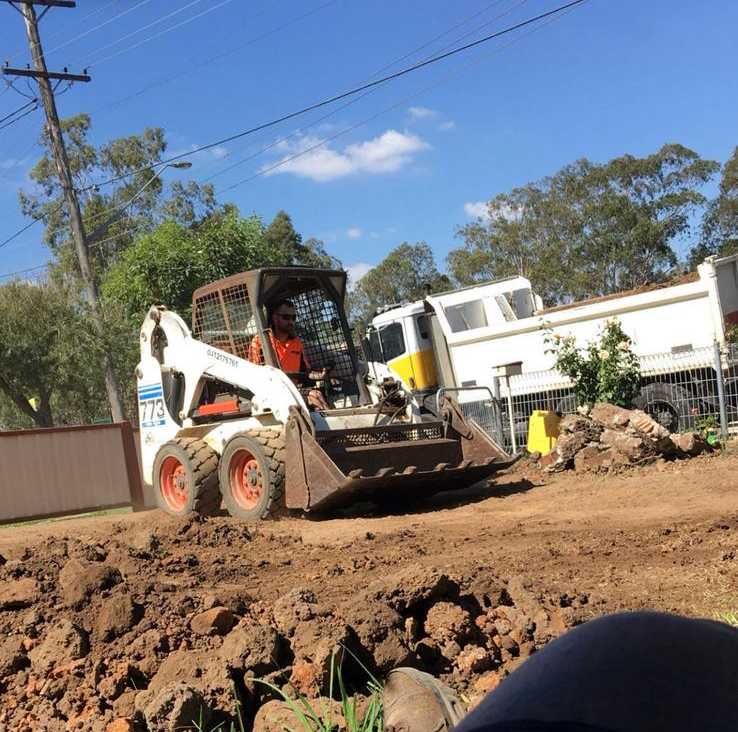
Sand and soil removal Maroota projects often look simple from the driveway. However, the work behind a clean finish involves ground assessment, safe access, correct disposal and careful machine operation. If you own land in Maroota or plan to build there, understanding the process before the first truck arrives will save you time and money.
Quick answer: Sand and soil removal Maroota means digging unwanted sand, soil or fill from your property with a bobcat or excavator. Trucks then carry the material away for reuse or lawful disposal. The service suits house pads, driveways, pool areas, sheds, dams, landscaping zones and cleared building sites. Bobby’s Bobcat Ground Levelling and Excavation delivers this work across Sydney with 9 years of industry experience.
Maroota sits in the Hornsby Shire in Sydney’s north west. Planning records show that the district has a history of sand and sandstone extraction, which means many properties rest on sandy ground that behaves very differently from the heavy clay found elsewhere in Sydney. Therefore, local ground knowledge matters when you plan any removal work.
This guide explains what the service involves, why Maroota conditions deserve attention, how disposal rules work and what affects the final price. Along the way you will also find practical checklists, honest advice and answers to the questions property owners ask most often.
What Does Sand and Soil Removal Maroota Involve?
Sand and soil removal means excavating material from a defined area and moving it off the work zone. The crew loads the material into trucks and takes it to a suitable destination. Depending on the quality of the material, that destination might be another property that needs fill or an approved waste facility.
In practice, the job has several moving parts. First, an operator inspects the site and confirms the volume of material. Next, the team plans machine access and truck movements. After that, the excavation begins, usually with a bobcat for tight areas or an excavator for deeper and larger digs. Finally, the crew trims the surface to the agreed levels and leaves the area ready for the next trade.
Many owners assume that removal is just digging. In fact, digging is only one stage. A well run job also covers underground service checks, waste classification, sediment control, traffic movements and neighbour courtesy. Skipping any of these steps can turn a one day task into a week of delays.
Bobby’s Bobcat offers sand and soil removal as a dedicated service. You can read more about it on our Sand and Soil Removal service page. Alternatively, if your project needs a larger scale dig, our bulk excavation service may fit better.
Sand Removal Versus Soil Removal
Although people often use the two terms together, sand and soil behave differently on site. Sand drains quickly but it also collapses easily when you cut it vertically. Soil, on the other hand, holds its shape better when it contains clay but it turns heavy and slippery after rain.
Because of these differences, operators choose different bucket sizes and travel paths for each material. They also stack and load the two materials differently. For example, loose dry sand flows off a bucket quickly so a careful operator loads trucks in smaller passes to avoid spillage onto the road.
Who Needs This Service?
Homeowners, builders, landscapers and rural property owners all request removal work. A homeowner might want to level a backyard for a new patio. A builder might need to strip topsoil before pouring a slab. Meanwhile, a landscaper might need to clear a sloping garden bed before installing retaining walls.
Each of these customers shares one goal. They want the ground cleared safely and left in a condition that supports the next stage of the project.
Why Maroota Ground Conditions Matter
Maroota is a rural and semi rural locality with large lots and varied terrain. In many parts of the area the ground contains sand layers over sandstone. As a result, the way you dig and the way you manage water can differ from a typical suburban block in Western Sydney.
Moreover, NSW planning records describe approved sand extraction on Old Telegraph Road at Maroota. You can see an example in the NSW Planning Portal record for that extractive industry project. That kind of history tells us the local geology often supports sand deposits. Therefore, property owners should expect to meet sandy material when they dig.
How Sandy Ground Behaves
Sandy ground offers a few advantages. It drains well so water rarely sits on the surface for long. In addition, machines can usually work on it without leaving deep ruts when the surface stays dry.
However, sand creates risks too. Loose sand slumps into trenches and pool excavations. It also blows around in strong winds, which can annoy neighbours and clog drains. Similarly, heavy rain can wash exposed sand into gutters, creeks and driveways. For these reasons, an experienced operator controls the working face carefully and protects stormwater paths from the first hour.
How Sandstone and Clay Change the Job
Beneath the sand, many Maroota properties hit sandstone or clay. Sandstone slows excavation because the bucket cannot dig it as easily as loose soil. In some cases the job needs rock breaking equipment or a larger machine. Clay, in contrast, digs easily when dry but becomes sticky and heavy when wet.
So before you commit to a schedule, ask your contractor how they plan to handle the layers under your block. A reliable operator will explain what they expect to find and how they will adapt if the ground surprises everyone.
Steep Blocks and Dams
Many Maroota properties include slopes and farm dams. Therefore, access and stability become key concerns. Heavy machines need firm and safe tracks to travel. On steeper blocks, operators often cut a bench or work along contours to stay stable.
Dam work adds another layer. If you plan to remove silt or sand from a dam, you should read about our dam clearing and maintenance service as well. The two services overlap often on rural properties.
When Do You Need Sand and Soil Removal in Maroota?
Property owners call us for many reasons. Some of the most common situations appear below.
Preparing a Building Site
Before a builder pours footings or a slab, the site needs correct levels and a stable base. Often that means stripping topsoil and cutting into sandy fill. Because builders work to tight schedules, they value a contractor who arrives on time and finishes cleanly.
Digging for a Pool
A pool excavation produces a large volume of spoil in a short time. In fact, a typical residential pool can generate dozens of truckloads of material depending on size and depth. Our pool dig out service handles this work and the removal of spoil together so you avoid mountains of dirt sitting on your lawn.
Levelling Uneven Ground
Sometimes a sloping or lumpy yard needs reshaping. Removing high spots and redistributing material creates a flat area for sheds, play space or parking. If this describes your project, our ground levelling service may help.
Cleaning Up After Construction
Builders and tradies often leave spare sand, clay and rubble behind. Consequently, many owners need a clean up once the structure is finished. Our site clearing and clean ups service covers this stage.
Fixing Drainage or Erosion Problems
Sand washes away when water flows across it. Over time, a driveway edge or garden bed may build up with sediment. Removing that material and reshaping the ground can restore proper drainage. For related guidance, see our article on planning driveway repairs in Greendale, which explains how groundwork and drainage connect.
Clearing Excess Fill
Previous owners sometimes dump fill without records. If you buy a property and discover mounds of unknown material, you will probably want it assessed and removed or reshaped. This situation links directly to waste classification, which we explain below.
How the Removal Process Works From Start to Finish
A clear process protects your budget and your property. Here is how a typical job runs.
Step 1: Discuss the Project
First, you describe what you want. Useful details include the location, the size of the area, the depth of cut and any hard deadlines. Photos help a great deal. In addition, tell us about any known problems such as soft patches, old fill or tight gates.
Step 2: Assess the Site
Next, we look at access, slope, existing structures and likely ground conditions. We check where trucks can stand and where machines can travel without damaging driveways or lawns. If the property has trees, fences or buried pipes near the work zone, we flag them early.
Step 3: Confirm Volume and Material Type
Then we estimate how much material needs to leave. Volume matters because it drives truck numbers and time on site. Material type matters because it decides where the load can go. If something looks unusual, such as odd smells, colours or foreign objects, we pause and recommend testing.
Step 4: Check Underground Services
Before any machine breaks ground, someone must check for buried cables and pipes. We explain this step in detail below because it protects lives and property.
Step 5: Set Up Controls
After the planning stage, the crew installs sediment barriers where needed. They also mark exclusion zones for pedestrians and pets. On windy days they may limit dusty work or dampen the surface lightly.
Step 6: Excavate and Load
Now the real digging starts. The operator removes material in controlled layers and keeps the working face stable. Trucks load in a safe sequence so the site stays tidy and the road stays clean.
Step 7: Trim and Finish
When the bulk removal ends, the operator trims the surface to the target levels. They also tidy edges and clear stray material from access paths. As a result, the area is ready for concrete, landscaping, pool shells or whatever comes next.
Step 8: Final Walk Through
Finally, we walk the site with you to confirm that the finished result matches the plan. If anything needs adjustment, we fix it while the machine is still there.
Understanding Soil Classification and Disposal Rules
Disposal is the part many owners overlook. Yet it often decides the cost and the schedule. In NSW, the way you classify excavated material determines where it can go.
What Is VENM?
The NSW EPA explains that virgin excavated natural material, or VENM, covers natural material such as clay, gravel, sand, soil or rock fines. The material must come from land that carries no contamination from industrial, commercial, mining or agricultural activity. You can read the official explanation on the NSW EPA virgin excavated natural material page.
Clean sand from a natural deposit often fits this definition. However, classification requires certainty. If a site has a history of dumping, farming chemicals or industrial use, the material may fail the VENM test. In that case you may need laboratory testing before anyone can move it.
What About Excavated Natural Material?
Some material does not meet the VENM definition but still comes from natural sources. The EPA allows reuse of certain excavated natural material under a specific order and exemption. These rules include chemical limits and record keeping duties. Because the rules can change, you should check the current EPA guidance or ask a qualified consultant before you rely on any exemption.
When Soil Is Contaminated
If testing shows contamination, the material needs a different path. Contaminated soil usually goes to a licensed facility, and disposal fees rise sharply compared with clean fill. Therefore, early testing protects you from surprise bills.
Why Documentation Matters
Receiving sites often ask for proof of origin or classification. Without that proof, a facility may refuse the load or charge higher rates. For this reason, we recommend that owners keep records of previous land use and any reports they hold. If you have a contaminated land report or a site history, share it before the job starts.
Our Practical Advice
We cannot replace an environmental consultant. Nevertheless, we can spot obvious warning signs and help you decide when to seek testing. If your block looks clean and natural, the job often proceeds smoothly. If it looks doubtful, a short test program usually costs far less than a rejected truck.
Checking Underground Services Before You Dig
Every excavation near Maroota homes and farms carries a risk of hitting buried services. Electricity, water, gas, telecommunications and sewer or septic lines can all sit below the surface. Rural properties may also contain private lines that no public database records.
The national Dial Before You Dig service offers free plans of many underground assets. You can start a request at Before You Dig Australia or by phoning 1100. The service recommends that you apply at least two business days before the job begins. Plans show approximate locations only, so careful hand digging (potholing) confirms exact positions before heavy machines move in.
Not every asset owner joins the service. Consequently, you should also check your own property for private cables, water lines to sheds or old farm pipes. Tell your contractor about anything you know. A short conversation at the start can prevent an expensive and dangerous strike.
Site Access, Trucks and Machinery
Access shapes almost every part of a removal job. A site with a wide gate and a firm driveway moves quickly. A site with a narrow lane, overhanging trees or a steep entry demands more planning.
What We Look At
Before we arrive, we consider gate width, driveway strength, turning space and overhead obstacles. We also think about where trucks can queue without blocking neighbours. On many Maroota properties, long private driveways help because trucks can pull well off the public road.
Machine Choice
Bobcats suit tight spaces. They turn within their own length and slip through narrow gates. As a result, they work well in backyards and around buildings. However, they carry smaller buckets, so large volume jobs take longer.
Excavators dig deeper and move more material per pass. Therefore, bigger pool digs and bulk cuts often need them. Many projects use both machines together. The bobcat feeds material to a loading point while the excavator handles the heavy digging.
For precision work such as trenches or footing cuts, see our detailed excavation service.
Protecting Driveways and Lawns
Heavy machines can crack concrete, crush pavers and tear lawns. To prevent this, operators use timber mats, plywood sheets or alternative travel paths. If you have a delicate surface, tell us before the job begins.
Weather
Rain changes everything. Wet sand slumps, wet clay turns slippery and wet access tracks collapse under trucks. For that reason, we watch the forecast and discuss schedule changes with you if heavy rain approaches. Patience on the day often prevents long repairs afterward.
Protecting Your Property and Your Neighbours
Good contractors treat the surrounding area with care. This matters even more in a semi rural place like Maroota where neighbours share roads and sometimes fence lines.
Erosion and Sediment Control
Exposed sand and soil can wash into stormwater drains and creeks. Therefore, crews use silt fences, sandbags or straw barriers where water might flow off site. They also keep stockpiles away from drainage lines and cover them if rain is likely.
Dust Control
Dry sand creates dust quickly. In windy weather, operators may wet the surface or pause the most dusty tasks. Likewise, they keep trucks loaded below the sides so material does not blow out on the road.
Noise and Hours
Machines make noise. We work between 7 AM and 5 PM from Monday to Sunday, but you should still let neighbours know when heavy work will happen. A friendly heads up costs nothing and often prevents complaints.
Road Cleanliness
Trucks can drag soil or sand onto public roads. To prevent this, the team checks tyres and sweeps the entry when needed. A clean road protects other drivers and avoids complaints to council.
Safety Around the Work Zone
Keep children and pets away from the excavation area. Open cuts, moving machines and loose stockpiles create real hazards. If you live on the property during the job, ask the operator where it is safe to walk.
Planning Approvals and Local Rules
Many small removal jobs need no formal approval. Even so, larger earthworks can trigger planning requirements. The rules depend on the zone of your land, the volume and depth of the work, the presence of flood or bushfire controls and the proposed future use.
Maroota falls within the Hornsby Shire Council area. Hornsby Local Environmental Plan and Development Control Plan settings apply to land there. Because these controls vary from lot to lot, you should confirm requirements with council or a town planner before you start a large cut or fill.
Furthermore, if your property sits near a watercourse or contains native vegetation, extra rules may apply. For example, clearing bushland or disturbing a creek bank may need separate consent. Our bush and shrub clearing service can help with vegetation once you confirm the rules.
We do not give legal or planning advice. Instead, we recommend that you check first and share any approvals with us. That approach keeps everyone on the right side of the rules.
What Affects the Cost of Sand and Soil Removal Maroota?
Owners often ask for a fixed price straight away. However, honest pricing depends on facts that only a site inspection reveals. Several factors move the final figure.
Volume
More material means more machine hours and more truck trips. Volume sits at the top of every quote.
Material Type and Disposal
Clean sand that another site wants can cost less to move than mixed fill that needs a licensed facility. In addition, tipping charges at waste facilities vary and often rise with contamination.
Distance
The distance between your property and the destination affects fuel, driver time and truck cycles. Therefore, the location of the receiving site influences the price.
Access
Tight gates, steep driveways and long carry distances slow the job. As a result, access problems add cost.
Depth and Ground Hardness
Digging loose sand costs less than breaking sandstone. Likewise, a shallow strip costs less than a deep cut with benching.
Timing and Weather
Urgent jobs may need schedule changes. Meanwhile, wet weather can force delays that spread the work over more days.
Extra Tasks
Testing, services location, traffic control, sediment barriers and surface repair all add work. Good quotes list these items clearly so you can compare options fairly.
How to Get an Accurate Price
If you want a price you can trust, send photos, measurements and a short description of the goal. Then let us look at the site. A short inspection usually saves money because it removes guesswork. Ready to talk it through? Request your free quote from Bobby’s Bobcat and we will review your site, access and the work required.
Reusing Sand and Soil Instead of Removing It
Sometimes the best answer keeps material on your property. If the sand or soil suits your plans, reusing it can cut truck trips and disposal fees.
For instance, you might use excavated soil to build up a low corner of a paddock. Alternatively, you might spread clean sand under pavers or in garden beds after testing its quality. A contractor can sort suitable material from unsuitable material while digging, which keeps your options open.
On the other side, some owners need clean fill delivered rather than removed. In that case, our free soil delivery service may help depending on availability and site suitability. Check the service page for details and then contact us to confirm what we can supply.
Reuse always needs thought. Material must suit its new use and comply with environmental rules. If you doubt the quality, seek advice first.
Services That Often Go Together
Sand and soil removal rarely stands alone. Most projects connect to other groundwork tasks. Here is how the pieces fit.
First, bulk excavation handles large cuts for building platforms. You can learn more on our bulk excavation page. Second, ground levelling shapes the surface so water flows away from structures. Third, detailed excavation creates precise trenches and footings. After that, concrete site preparation builds a stable base for slabs and driveways. You can explore this on our services overview.
Together, these services let you hire one contractor for a whole stage of work. As a result, you avoid coordination problems between separate trades.
How to Choose a Sand and Soil Removal Contractor in Maroota
Choosing well protects your budget and your property. Consider the following points before you sign anything.
Experience
Look for a contractor with a track record. Bobby’s Bobcat has 9 years of industry experience, and the team works with homeowners, builders, landscapers and property owners. Experience helps operators read the ground and avoid common mistakes.
Clear Communication
You should understand the plan, the price and the schedule before work starts. Responsive contractors answer questions quickly and explain options in plain language. Our clients often mention communication in their feedback, and you can see examples on the Bobby’s Bobcat home page.
Insurance and Compliance
Ask about public liability insurance and safe work practices. A professional contractor answers these questions without hesitation.
Transparent Quotes
Compare what each quote includes. A low price that excludes disposal or sediment control may cost more in the end.
Respect for Your Property
Look for a contractor who protects access points, existing structures and neighbours. Ask how they handle damage prevention. Our team focuses on property care on every site.
Evidence of Past Work
Photos help you judge quality. You can view examples in our gallery. In addition, you can read more about our approach on the About Us page.
Local Awareness
Finally, choose someone who understands how Sydney conditions vary. Sand in the north west behaves differently from clay in the south west. A contractor who recognises these differences will plan better.
How to Prepare Your Property Before the Crew Arrives
A little preparation makes the day go faster. Use this guide.
Start by marking the work area clearly. Spray paint, stakes or tape all work well. Next, clear vehicles, bins, play equipment and loose items from the zone and the access path. Then trim low branches that could hit the machine or truck.
After that, locate gates, keys and codes so the crew can enter without delay. If dogs live on the property, secure them away from the work area. Also tell us about irrigation lines, septic tanks, sheds and other features that might sit below or beside the dig.
Furthermore, gather any documents that relate to the site. Useful items include survey plans, approvals, soil reports and Dial Before You Dig results. Lastly, speak with your neighbours and explain the schedule. Good communication builds goodwill and reduces stress.
Common Mistakes to Avoid
Many problems repeat from job to job. Learning from them saves effort.
One common mistake involves ignoring underground services. Another involves guessing the volume and ordering too few or too many trucks. Some owners skip classification and then discover that a facility rejects the load. Others dig in wet weather and wreck their own driveway.
In addition, some people hire the cheapest operator and later pay for repairs. Instead, weigh price against care and communication. Finally, avoid leaving stockpiles in drainage paths. Rain can wash them into neighbouring land and create disputes.
Why Property Owners Choose Bobby’s Bobcat
Bobby’s Bobcat Ground Levelling and Excavation provides professional earthmoving, excavation and site preparation throughout Sydney. Our team works with a straightforward process, flexible project support and responsive communication. We also look for practical ways to handle difficult ground and limited access.
Our working hours run from 7 AM to 5 PM Monday to Sunday. Calls are welcome at any time, so you can discuss your project when it suits you. We handle small detailed jobs and large bulk excavation projects alike.
Our approach rests on a few simple ideas. We explain the plan before we start. We respect your property and your neighbours. We keep the site tidy as we go. Then we leave the ground in a condition that supports your next step.
Clients across Sydney describe the experience as smooth and well organised. One Penrith client said the area was prepared properly and left in great condition. Reviews like that reflect our focus on careful work.
Frequently Asked Questions About Sand and Soil Removal Maroota
What is included in sand and soil removal in Maroota?
The service usually includes site inspection, excavation, loading and transport of unwanted sand or soil. It can also include trimming the area to agreed levels and tidying access paths. Extra tasks such as testing, sediment control or services location depend on the project and should appear in your quote.
How do I know if my soil can go to a normal disposal site?
The answer depends on the soil type and the land history. Natural sand or clay from uncontaminated land may qualify as virgin excavated natural material under NSW EPA definitions. However, land with past industrial use, dumping or chemical exposure may need laboratory testing before disposal. Check the EPA guidance or ask an environmental consultant if you have doubts.
Do I need council approval to remove sand or soil from my Maroota property?
Some small jobs need no approval but larger earthworks can. Zoning, volume, depth, flood controls and vegetation all influence the answer. Contact Hornsby Shire Council or a town planner before you start a major cut or fill. We recommend you confirm requirements first and share any approvals with your contractor.
How long does sand and soil removal take?
A small backyard job may finish in a day. Larger excavations such as pool digs or building pads can take several days. Volume, access, weather, ground hardness and truck distance all affect the schedule. A site inspection gives a more reliable estimate than any general rule.
How much does sand and soil removal cost in Maroota?
Price depends on volume, material type, disposal fees, truck distance, access and ground conditions. Contaminated soil costs more to dispose of than clean fill. Because every site differs, the most reliable way to get a price is to request a quote with photos and measurements.
Can you remove sand and soil from a property with a steep or narrow driveway?
Often yes. Smaller machines such as bobcats suit tight access and operators can work in stages to manage slopes. Sometimes smaller trucks or extra trips help. Tell your contractor about gate widths, gradients and overhead obstacles so they can plan properly.
Should I call Dial Before You Dig before the work starts?
Yes. The free national service provides plans of many underground assets and recommends applying at least two business days before the job. Plans show approximate positions only so hand digging helps confirm exact locations. Also check for private lines that the service may not list.
Can I keep some of the sand or soil for my own landscaping?
Sometimes you can. If the material is clean and suits your use, reusing it can reduce truck trips and disposal fees. For example, you might use it to build up a low area or fill garden beds. Always check quality and environmental rules before you reuse any material.
What happens if the soil is contaminated?
Contaminated soil needs separate handling. Testing identifies the type and level of contamination. The material then goes to a facility licensed to accept it, and fees are usually higher than for clean fill. Early testing helps you avoid delays and unexpected costs.
Is a bobcat or an excavator better for soil removal?
Each machine has strengths. Bobcats work well in tight spaces and on small to medium jobs. Excavators handle deeper cuts and larger volumes more efficiently. Many projects use both machines together to balance access and speed.
What information should I give when I ask for a quote?
Share your address, the size of the area, the depth of cut, photos and any access limits. Mention known problems such as soft ground, old fill or nearby services. Include your target dates and whether you plan to reuse any material. Clear details lead to more accurate pricing.
Do you work on weekends?
Our working hours run from 7 AM to 5 PM Monday to Sunday. Calls are welcome at any time. Contact us to confirm availability for your preferred date.
Final Thoughts on Sand and Soil Removal Maroota
Sand and soil removal Maroota projects succeed when planning, access and disposal all work together. Sandy ground, sloping blocks and rural access add complexity, but careful preparation handles each challenge. By checking underground services, classifying material correctly, protecting your neighbours and choosing an experienced contractor, you give your project the best chance of running smoothly.
Do you have a block in Maroota that needs sand or soil cleared? Call Bobby’s Bobcat on 0449 993 438 or use our contact page to talk through your site, your access and the work you need done. We will give you clear advice and a practical plan.