10 Essential Steps for Planning Excavation Services in Box Hill
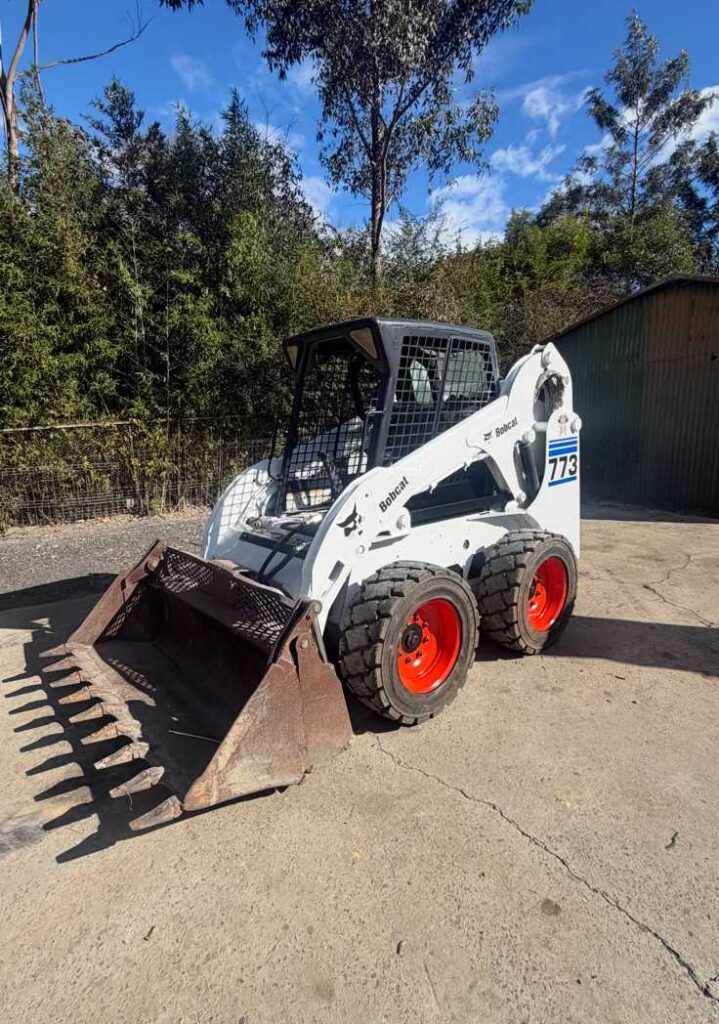
Excavation services in Box Hill play an important role in preparing land for construction, landscaping, driveways, pools, drainage work and other property improvements. However, successful excavation involves much more than placing an excavator or bobcat on a site and starting to dig.
Every property has its own ground conditions, access limitations, existing structures, drainage patterns and underground services. As a result, excavation work needs to begin with proper planning.
A well planned excavation project can help create the required levels, remove unsuitable material, prepare a site for construction and make the next stage of a project easier to complete. In contrast, poor planning can create delays, access problems, excess soil, drainage issues and unnecessary disruption.
For property owners looking for excavation services in Box Hill, understanding the excavation process can make it easier to prepare the site, communicate with a contractor and make informed decisions before machinery arrives.
This guide explains 10 essential steps for planning excavation services in Box Hill. It covers site assessment, excavation requirements, underground services, machinery selection, ground conditions, soil removal, drainage, site access, safety and final inspection.
Whether you are preparing a residential property, driveway, landscaping area, pool site or construction site, the right excavation plan should always begin with the actual conditions of the property.
1. Assess the Property Before Excavation Begins
The first step in planning excavation services in Box Hill is to assess the existing property.
Before machinery starts working, the contractor should understand the shape and condition of the land. This includes existing ground levels, structures, vegetation, drainage, access and any areas that need protection.
A proper assessment helps establish what the excavation needs to achieve.
Check the existing ground levels
Uneven ground can affect building work, landscaping, driveway construction and outdoor areas.
For example, one part of a property may sit higher than another. A proposed building area may require a specific level. A driveway may need a controlled fall so that water can move away from the surface.
Therefore, the existing ground levels should be considered before soil is removed.
Identify nearby structures
Buildings, sheds, retaining walls, fences, pools and other structures can influence excavation planning.
Machinery needs enough space to operate without creating unnecessary risks around existing structures. The contractor should understand the position of these structures before excavation begins.
Inspect vegetation
Trees, roots, shrubs and other vegetation may affect access and excavation.
Some projects require vegetation to be removed before machinery can reach the excavation area. Other projects need existing trees or gardens protected throughout the work.
The required approach depends on the property and the purpose of the excavation.
Consider drainage
Water movement should also form part of the initial assessment.
Changing ground levels can change how rainwater travels across a property. Consequently, excavation should be planned with the proposed finished levels and drainage requirements in mind.
Assess machinery access
Access can determine what type of machinery can reach the work area.
A narrow gate may restrict equipment size. A steep driveway may create another access challenge. Trees, fences and overhead structures can also affect machinery movement.
Identifying these issues before excavation begins helps reduce unexpected delays.
2. Clearly Define the Excavation Requirements
Once the site has been assessed, the next step is to define exactly what excavation work is required.
The phrase excavation services can cover many different activities. Some projects require a small amount of controlled digging while others involve substantial quantities of soil.
The excavation requirement may include:
- Bulk excavation
- Detailed excavation
- Ground preparation
- Driveway excavation
- Pool excavation
- Drainage excavation
- Site preparation
- Soil removal
- Ground levelling
- Construction preparation
The purpose of the excavation should be clear before work starts.
For instance, excavation for a driveway has different requirements from excavation for a pool. Likewise, preparing a building site can involve different levels and material requirements from preparing a garden area.
Bulk excavation
Bulk excavation involves moving larger quantities of soil or other ground material.
It may be required when a property needs substantial reshaping or when a construction project requires a large area to be excavated.
Detailed excavation
Detailed excavation focuses on more controlled excavation work.
The contractor may need to work around existing structures or achieve specific dimensions and levels.
You can learn more about detailed excavation through the Detailed Excavation service page.
Ground preparation
Some properties need excavation as part of broader ground preparation.
The work may involve removing unsuitable soil, reshaping the ground and establishing a more appropriate surface for the next stage of the project.
Site preparation
Site preparation may combine clearing, excavation and ground levelling.
For property owners planning a broader project, the Landscaping and Site Preparation service page provides more information about related services.
3. Check Underground Services Before Digging
Underground services are one of the most important considerations before excavation begins.
Electricity, gas, telecommunications, water and other infrastructure may run beneath or near the proposed excavation area.
For this reason, excavation should never begin without appropriate service information.
Before You Dig Australia provides a free referral service that allows people planning excavation work to request information about underground infrastructure from relevant asset owners.
You can access the Before You Dig Australia service before planning excavation work.
SafeWork NSW also states that essential services information should be obtained before excavation work begins.
Why underground service checks matter
A service strike can cause serious injury, property damage, service interruption and significant project disruption.
Therefore, underground service checks should form part of the excavation planning process rather than something considered after machinery arrives.
What should be considered?
The planning process should identify:
- Underground electricity services
- Gas services
- Telecommunications infrastructure
- Water services
- Sewer infrastructure
- Other known underground assets
- Overhead services
The contractor should also receive relevant service information before excavation starts.
Do not rely only on assumptions
A property owner may believe that no services run through a particular part of the property. However, assumptions should never replace proper service checks.
SafeWork NSW specifically highlights underground and overhead services as major hazards associated with excavation and earthmoving plant.
4. Choose Machinery According to the Excavation
The right machinery can make excavation more efficient and controlled.
However, equipment should be selected according to the actual property rather than simply choosing the largest machine available.
Factors that influence equipment selection include:
- Excavation size
- Excavation depth
- Soil conditions
- Property access
- Working space
- Quantity of material
- Nearby structures
- Ground stability
- Required precision
- Material removal requirements
Bobcat excavation
Bobcats can be useful for projects that require controlled material movement and manoeuvrability.
They can assist with:
- Site preparation
- Ground levelling
- Soil movement
- Driveway preparation
- Landscaping preparation
- Site clearing
- Material loading
Excavators
Excavators can provide greater digging capability for projects that require deeper or more controlled excavation.
The appropriate machine depends on the project.
A machine that is too large may create access difficulties on a residential property. On the other hand, equipment that is too small may increase the time required to complete a larger excavation.
SafeWork NSW guidance recommends considering site access, hazards, ground conditions, excavation type and depth, material volume and where excavated material will be placed when selecting powered mobile plant.
5. Understand the Ground Conditions
Ground conditions can have a major effect on excavation.
Different soils behave differently when machinery operates on or through them. Some areas may contain firm ground while other sections may contain loose soil, clay, fill or mixed material.
Before excavation begins, the contractor should consider the ground conditions that could affect the work.
Soil type
The type of soil can influence how easily excavation proceeds.
Clay can behave differently from sandy material. Fill can also vary considerably depending on what was previously placed on the site.
Moisture
Wet conditions can change ground stability and machinery access.
Heavy rainfall can make some areas soft and difficult to work on. Consequently, weather conditions may need to be considered when scheduling excavation.
Existing fill
Previously filled land may contain different materials at different depths.
This can make the excavation less predictable.
Ground stability
Excavation can affect surrounding ground.
The contractor should consider nearby structures, slopes, retaining walls and other features that could be affected by excavation.
Unexpected material
Excavation can sometimes reveal material that was not obvious from the surface.
Examples may include buried construction waste, old fill or other unwanted material.
When unexpected conditions appear, the project may require reassessment before work continues.
6. Plan Where Excavated Soil Will Go
Excavation often produces a significant amount of soil.
Before machinery begins digging, the project should have a clear plan for the material being removed.
Depending on the project, suitable material may be:
- Reused onsite
- Relocated to another part of the property
- Temporarily stockpiled
- Loaded for removal
- Transported to an appropriate facility
The correct option depends on the material and the requirements of the project.
Reusing suitable material
Some clean excavated material may be suitable for reuse.
For example, suitable material could potentially help reshape parts of the property when the project allows it.
However, material should not automatically be reused without considering its suitability.
Removing excess soil
When the property does not have enough space to retain excavated soil, removal may be necessary.
This requires planning for loading, transport and appropriate disposal.
The quantity of material can influence the project logistics considerably.
Why soil planning matters
A large soil pile can reduce access and interfere with other work.
It may also affect drainage or create additional site management issues.
Planning material movement before excavation begins helps keep the working area organised.
For soil and material removal services, visit the Sand and Soil Removal service page.
7. Plan Finished Levels and Drainage
Excavation should not only consider how much soil needs to be removed.
The finished level is equally important.
A site may need to reach a specific elevation for a building, driveway, pool, landscaping area or other project.
Why finished levels matter
Incorrect levels can create problems during later construction.
For example, a driveway may not drain properly if the finished fall is incorrect. Similarly, an outdoor area may collect water if the surrounding ground levels do not direct water appropriately.
Drainage considerations
The excavation plan should consider:
- Existing drainage
- Proposed drainage
- Finished ground levels
- Surface falls
- Water movement
- Nearby buildings
- Driveway levels
- Retaining structures
Changing the shape of land can change how water travels across the property.
Therefore, drainage should be considered before major soil movement begins.
Ground levelling and excavation
Excavation and ground levelling often work together.
A higher section may need material removed while another area may require suitable fill.
For more information about ground preparation and levelling, visit the Ground Levelling service page.
8. Prepare Safe Access for Machinery
Machinery access can affect the entire excavation project.
Before booking excavation work, property owners should consider how the equipment will enter and leave the site.
Measure gates
Gate width should be checked before selecting equipment.
The contractor should know the available access width and any restrictions.
Check the driveway
Existing driveways may need consideration before heavy machinery enters the property.
The condition of the driveway can affect access and the contractor may need to assess whether another access route is more appropriate.
Identify overhead obstacles
Trees, structures and overhead services can affect machinery movement.
These hazards should be identified before machinery arrives.
Allow enough working space
The machine needs enough room to manoeuvre.
A property may have a wide entrance but limited working space once fences, buildings, trees and other obstacles are considered.
Protect existing areas
If gardens, paving or other surfaces need to remain undisturbed, tell the contractor before work begins.
Clear communication allows the work area to be planned accordingly.
9. Coordinate Excavation With the Rest of the Project
Excavation is often the first major physical stage of a larger property project.
Other trades may depend on the excavation being completed correctly.
For example, excavation may need to occur before:
- Building construction
- Concrete installation
- Driveway installation
- Pool construction
- Landscaping
- Drainage installation
- Retaining wall construction
- Other site development work
Consequently, excavation should be scheduled around the broader project.
Coordinate with builders
If excavation forms part of a building project, the excavation contractor should understand the required levels and dimensions.
Coordinate with landscapers
Landscaping may require specific ground levels.
Completing excavation and levelling before landscaping installation can make the following stage more efficient.
Coordinate driveway work
A driveway contractor may need the excavation and ground preparation completed before installing the driveway surface.
Coordinate soil removal
If large quantities of soil need to leave the property, removal should be coordinated with the excavation schedule.
Doing so can keep the site clear while work continues.
10. Inspect the Excavated Area Before the Next Stage
The final step is to inspect the completed excavation.
The finished area should be checked against the original requirements before another contractor begins work.
The inspection may consider:
- Excavation dimensions
- Finished ground levels
- Surface condition
- Drainage direction
- Remaining soil
- Access areas
- Surrounding structures
- Site cleanliness
- Areas requiring additional preparation
- Material that still needs removal
A final inspection gives the property owner and contractor an opportunity to identify issues before the next stage begins.
For construction projects, this can be particularly important because later work may depend directly on the excavation levels.
Excavation Services for Residential Properties in Box Hill
Residential excavation can support many different property improvement projects.
Homeowners may require excavation when preparing:
- Driveways
- Pools
- Landscaping areas
- Outdoor living spaces
- Building sites
- Drainage areas
- Retaining structures
- Garden areas
- Access areas
- Uneven sections of land
The size of the project can vary considerably.
A small residential job may require a compact machine with careful access planning. A larger property may require more substantial excavation and material movement.
The right approach should always reflect the property conditions and the intended use of the finished area.
Excavation for Driveway Preparation
Driveway construction often begins with ground preparation.
An existing driveway or unsuitable ground may need to be removed before the area can be reshaped.
Excavation may help prepare the ground by removing:
- Unsuitable soil
- Existing damaged material
- Excess material
- Uneven sections
- Unwanted vegetation
- Old surface material
The finished ground should then be prepared according to the requirements of the driveway project.
Drainage also deserves attention.
Water should have an appropriate path away from the driveway surface. Therefore, excavation and grading should be considered together.
Excavation for Pool Projects
Pool excavation requires careful planning because the excavation needs to correspond with the proposed pool design.
The contractor may need to consider:
- Pool location
- Excavation dimensions
- Required depth
- Machinery access
- Existing structures
- Underground services
- Soil conditions
- Excavated material
- Truck access
- Surrounding ground
Pool excavation can generate a substantial amount of material.
Planning soil removal before excavation begins can therefore help keep the project organised.
Excavation for Landscaping
Landscaping projects can require excavation and ground preparation before new features are installed.
For example, a property may need excavation before installing:
- Garden areas
- Outdoor entertainment spaces
- Retaining structures
- Paved areas
- Levelled lawn areas
- Drainage features
- Access paths
- Other outdoor improvements
A landscaper may also require particular finished levels.
For this reason, excavation should be coordinated with the overall landscape design.
Excavation and Site Preparation
Site preparation can involve several activities before construction or landscaping begins.
The work may include clearing, excavation, levelling and material removal.
The aim is to create a more suitable working environment for the next stage.
Site preparation can be particularly useful when a property contains:
- Uneven ground
- Excess soil
- Vegetation
- Debris
- Old material
- Poor access
- Areas requiring reshaping
A contractor can assess the site and determine which services are required.
Excavation and Ground Levelling
Ground levelling involves changing the shape or elevation of land to achieve a more suitable surface.
Excavation can form part of this process when soil needs to be removed from higher sections.
However, a level looking surface is not always the correct finished surface.
Some areas need a deliberate fall for drainage.
Other areas need particular levels for construction.
Consequently, the final result should reflect how the property will be used.
Common Excavation Problems to Avoid
Good planning can help prevent several common problems.
Starting without checking services
Excavating without appropriate underground service information can create serious safety and infrastructure risks. SafeWork NSW specifically identifies contact with underground and overhead services as a major excavation hazard.
Choosing unsuitable machinery
Equipment that cannot access the site efficiently can increase project time.
Ignoring drainage
Changing ground levels without considering water movement can create drainage problems.
Failing to plan soil removal
Large quantities of excavated material can quickly become a site management problem.
Starting without clear finished levels
Unclear levels can create problems during the next stage of construction.
Ignoring restricted access
Limited gate width or working space can prevent the planned machinery from reaching the excavation area.
Failing to coordinate contractors
Poor scheduling can create delays between excavation and the next stage.
What Can Affect the Cost of Excavation Services in Box Hill?
Excavation costs vary between properties because every project has different requirements.
Important factors can include:
Project size
Larger excavation areas generally require more machinery time and material handling.
Excavation depth
Deeper excavation may require different equipment and additional safety controls.
Soil conditions
Hard or difficult ground can affect productivity.
Site access
Restricted access can influence machinery selection and project efficiency.
Material quantity
The amount of soil removed affects loading, transport and disposal requirements.
Material disposal
If soil cannot remain onsite, removal and disposal arrangements may affect the total project cost.
Existing structures
Working close to buildings, fences and other structures can require additional planning.
Ground preparation
Clearing, levelling and other preparation can add to the project scope.
For this reason, an onsite assessment is usually more useful than relying on a generic excavation price.
How to Prepare Your Property for Excavation
Property owners can take several practical steps before excavation begins.
Clear movable items
Remove furniture, equipment, garden items and other objects from the working area.
Confirm access
Make sure the contractor knows the available entrance and any access restrictions.
Identify protected areas
Tell the contractor which gardens, trees, structures or surfaces need protection.
Discuss services
Make sure underground and overhead services have been considered.
Explain the project goal
Tell the contractor what the excavated area will be used for after the work is completed.
Plan material removal
Discuss whether excavated material will remain onsite or require removal.
Coordinate other trades
If a builder, landscaper, pool contractor or driveway contractor is involved, make sure everyone understands the sequence.
These steps can help make excavation easier to organise.
Safety Considerations for Excavation Work
Excavation involves heavy machinery, moving material and ground related hazards.
SafeWork NSW states that excavation and earthmoving plant can present serious risks and requires appropriate precautions.
Important safety considerations include:
- Checking underground services
- Identifying overhead hazards
- Assessing ground conditions
- Controlling access to excavation areas
- Establishing exclusion zones
- Separating people from moving machinery
- Maintaining equipment
- Using competent operators
- Monitoring excavation conditions
- Following applicable safety requirements
SafeWork NSW also identifies plant contact with services, plant striking people and plant rollover among key risks associated with excavation and earthmoving operations.
For excavation work involving high risk construction activities, additional planning requirements can apply. Contractors should follow the current NSW requirements relevant to the specific project.
You can review current excavation safety information through SafeWork NSW.
Environmental Considerations During Excavation
Excavation can affect soil, water movement and surrounding areas.
Responsible project planning should therefore consider environmental conditions.
Important areas include:
- Soil erosion
- Sediment movement
- Dust
- Surface water
- Vegetation
- Waste material
- Soil storage
- Site cleanliness
The appropriate controls depend on the scale and nature of the excavation.
For example, a small residential excavation may have different environmental considerations from a larger construction project.
Planning these issues early can reduce disruption and help maintain an organised site.
When Should You Book Excavation Services in Box Hill?
Excavation should be planned before the stage of a project that depends on the finished ground.
For example, if you are preparing a driveway, excavation should occur before the final driveway surface is installed.
If you are preparing for construction, excavation should align with the required site levels and construction schedule.
Pool excavation should also be coordinated with the pool installation process.
Landscaping projects may require excavation and levelling before the landscaper begins installing the finished features.
Therefore, early communication can help prevent scheduling problems.
Signs Your Property May Need Excavation
Several conditions can indicate that excavation may be useful.
These include:
- Uneven ground
- Excess soil
- A planned driveway
- A proposed pool
- A planned construction project
- Poor site access
- Existing material that needs removal
- Land that requires reshaping
- Landscaping preparation
- Drainage related ground work
The appropriate solution depends on the reason for the excavation.
A site assessment can help identify whether excavation, levelling, clearing, soil removal or another service is required.
Excavation Services for Property Development
Property development can require substantial ground preparation.
Excavation may form one part of a larger sequence involving site clearing, ground preparation, drainage, construction and landscaping.
The excavation plan should therefore consider the entire project.
Important questions include:
What finished levels are required?
How much soil will be removed?
Where will the material go?
What machinery can access the property?
Are underground services present?
How will drainage work?
What work needs to happen after excavation?
Answering these questions early can help create a clearer project plan.
Why Professional Excavation Planning Matters
Professional excavation is about more than moving soil.
The contractor needs to understand the relationship between the ground, machinery, access, services, drainage and the intended finished result.
Good planning can help reduce:
- Unnecessary material movement
- Machinery access problems
- Project delays
- Unexpected site disruption
- Poor ground levels
- Drainage problems
- Unplanned soil stockpiles
- Conflicts with other contractors
The goal is to complete the excavation in a way that prepares the property for its next stage.
Questions to Ask an Excavation Contractor
Before hiring an excavation contractor in Box Hill, property owners can ask practical questions about the work.
What type of excavation does my project require?
The answer should relate to the actual site and intended outcome.
What machinery will you use?
The equipment should suit the available access and excavation requirements.
How will you manage excavated soil?
Ask whether material will be reused, stockpiled or removed.
How will you access the property?
Confirm that machinery can safely reach the working area.
Have underground services been considered?
Service information should form part of the excavation plan.
How will finished levels be established?
This is especially important for construction, driveways, drainage and landscaping.
What does the excavation quote include?
Understanding the scope can help prevent misunderstandings about soil removal, access and additional work.
Practical Excavation Checklist for Box Hill
Before excavation starts, use this checklist.
Site assessment
Check existing ground levels.
Identify nearby structures.
Assess vegetation.
Consider drainage.
Confirm machinery access.
Services
Check underground services.
Identify overhead hazards.
Provide service information to the excavation contractor.
Excavation planning
Define the excavation area.
Confirm required depth.
Confirm required finished levels.
Determine material quantities.
Machinery
Select suitable equipment.
Check access width.
Assess working space.
Consider ground conditions.
Soil management
Decide whether suitable soil will remain onsite.
Plan temporary stockpiling if required.
Arrange removal of unwanted material.
Safety
Control access to the excavation.
Keep people away from moving machinery.
Assess ground stability.
Establish suitable exclusion areas.
Follow applicable safety requirements.
Final inspection
Check excavation dimensions.
Confirm finished levels.
Check drainage direction.
Remove unwanted material.
Prepare the area for the next stage.
Why Local Excavation Services Can Help With Property Projects
Every property requires a slightly different excavation approach.
Local experience can help a contractor understand the practical challenges that commonly arise around residential and property work. Nevertheless, an onsite assessment remains important because neighbouring properties can still have very different access, ground and drainage conditions.
A contractor should assess the actual site before recommending the excavation approach.
For property owners planning excavation, ground levelling, soil removal or site preparation, the objective should be to establish a clear scope before machinery starts.
Bobby’s Bobcat Ground Levelling and Excavation provides excavation and related ground preparation services for property owners requiring practical site work.
If you are planning excavation services in Box Hill, visit the Bobby’s Bobcat Ground Levelling and Excavation website to explore the available services and discuss your project requirements.
Frequently Asked Questions About Excavation Services in Box Hill
What are excavation services?
Excavation services involve removing, moving or reshaping soil and other ground materials using suitable machinery. The work can support construction, landscaping, driveways, pools, drainage and other property projects.
What excavation services are available for properties in Box Hill?
Excavation can include bulk excavation, detailed excavation, site preparation, driveway excavation, pool excavation, ground preparation, soil removal and ground levelling. The appropriate service depends on the property and project requirements.
How much do excavation services cost in Box Hill?
The cost depends on factors such as project size, excavation depth, soil conditions, machinery requirements, site access, material quantity and soil removal. An onsite assessment can provide a more accurate understanding of the project scope.
Do I need to check underground services before excavation?
Yes. Underground services should be identified before excavation starts. Before You Dig Australia provides a free service for obtaining information about underground infrastructure at planned work sites.
Can excavation help prepare a driveway?
Yes. Excavation can remove unsuitable material and help establish the required ground levels before driveway construction. Drainage and the final driveway design should also be considered.
Can excavation be used for pool construction?
Yes. Pool excavation is a common application of excavation machinery. The contractor needs to consider the pool dimensions, excavation depth, access, underground services, soil conditions and removal of excavated material.
Can excavation improve uneven land?
Excavation can help reshape uneven land by removing material from higher sections and preparing the site for suitable finished levels. The final surface should also account for drainage and the intended use of the property.
What happens to soil removed during excavation?
Depending on the material and project requirements, suitable soil may be reused onsite, moved to another area, temporarily stockpiled or removed from the property.
Can excavation affect drainage?
Yes. Changing ground levels can change the direction of surface water. Therefore, drainage should form part of the excavation plan.
What machinery is used for excavation?
Machinery depends on the size and requirements of the project. Bobcats and excavators can be used for different excavation and ground preparation tasks. The contractor should select equipment according to access, ground conditions and the required work.
How do I prepare my property for excavation?
Clear unnecessary items, confirm machinery access, identify areas that require protection, consider underground services and explain the intended final use of the excavated area.
How long does excavation take?
Project duration varies according to excavation size, depth, ground conditions, machinery access, material quantity and whether soil needs to be removed from the property. A site assessment can provide a more realistic timeframe.
Can excavation be completed on a residential property?
Yes. Residential excavation can support driveway preparation, pool excavation, landscaping, ground levelling, site preparation and other property improvement projects.
Why is machinery access important?
Machinery needs enough space to enter the property and safely operate. Narrow gates, fences, buildings, trees and overhead obstacles can affect which equipment can be used.
Should excavation be completed before landscaping?
In many projects, excavation and ground preparation occur before landscaping installation. The exact sequence depends on the landscape design and the work required.
What should I ask before getting an excavation quote?
Ask what excavation work is included, which machinery will be used, how soil will be managed, how access will be handled, whether underground services have been considered and whether additional preparation or removal work is required.
Plan Your Excavation Services in Box Hill
Excavation services in Box Hill can provide an important foundation for construction, landscaping, driveways, pools, drainage work and other property improvements.
The best excavation outcome begins with planning.
Start by assessing the property. Then define the excavation requirements and check underground services. From there, choose machinery according to the site, assess ground conditions and plan where excavated material will go.
Next, establish finished levels and drainage requirements. Prepare safe machinery access and coordinate excavation with the other trades involved in the project.
Finally, inspect the completed excavation before the next stage begins.
This approach helps turn excavation from a simple digging task into a properly planned stage of the overall property project.
Bobby’s Bobcat Ground Levelling and Excavation can assist property owners with excavation, ground levelling, site preparation and soil removal requirements.
If you are looking for excavation services in Box Hill and want to understand what your property requires, visit the Bobby’s Bobcat Ground Levelling and Excavation website and get in touch to discuss your excavation project.