10 Essential Steps for Site Clearing Bringelly Projects
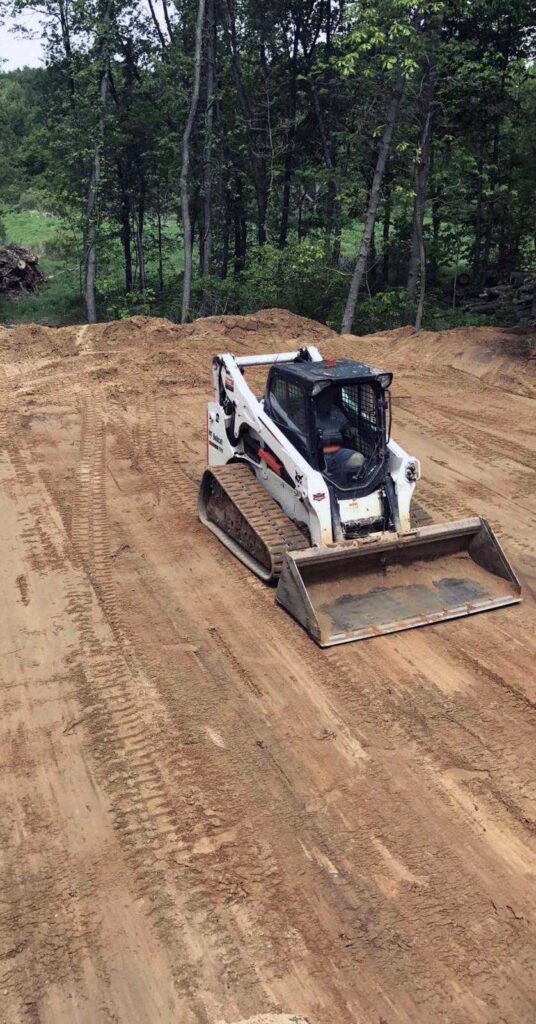
Site clearing Bringelly projects can look straightforward until the first machine rolls in. Then the real questions appear. Where do the trees go? Which rules apply to native vegetation? Who checks for buried cables? How does the waste leave the property? A clear plan answers these questions before they cost you money.
Quick answer: Site clearing Bringelly means removing vegetation, debris, old structures and unwanted material from a block so the land is safe and ready for building, landscaping, farming or development. A good clearing job follows ten steps: set your goals, check the rules, inspect the site, locate underground services, plan access, protect what stays, clear in a safe order, manage waste, control erosion and finish the levels. Bobby’s Bobcat Ground Levelling and Excavation delivers this work across Sydney with 9 years of industry experience.
Bringelly is a suburb on The Northern Road between Penrith and Camden. According to Wikipedia’s summary of Bringelly, the suburb sits next to Badgerys Creek and the Western Sydney Airport site. It also splits between Liverpool City Council and Camden Council. Because of that split, the rules for your block can depend on which side of the boundary it sits.
Meanwhile, the area keeps changing. New roads, new homes and the growing Aerotropolis precinct bring fresh demand for cleared and levelled land. As a result, owners of acreage blocks, rural lots and development sites all ask the same question: how do I clear this land properly?
This guide answers that question in ten steps. It also explains what affects the price, how to choose a contractor and which mistakes to avoid. By the end, you will know exactly how to prepare and what to expect.
What Does Site Clearing in Bringelly Actually Involve?
Site clearing is the process of removing everything that stops a block from serving its next purpose. Depending on the property, that can include grass, weeds, shrubs, trees, stumps, fallen timber, old fences, sheds, dumped rubbish and surface rock. In some cases it also includes stripping topsoil and trimming the ground to rough levels.
Many people confuse clearing with excavation. However, the two services differ. Clearing prepares the surface. Excavation digs below it. Most projects need both at different stages. For example, you might clear a paddock first and then excavate a building pad. You can read more about our approach on the Site Clearing and Clean Ups service page.
What Sort of Properties Need Clearing?
Bringelly includes semi rural acreage, farm blocks, lifestyle properties and land waiting for development. Each type of property raises different needs.
A lifestyle block might need overgrown paddocks cut back so owners can build a shed or a new driveway. A farm might need old structures and dead trees cleared to improve access. A development site might need everything removed before surveyors and builders begin. Similarly, an owner who buys a neglected block often needs a full clean up before any plans can move forward.
What Equipment Do Contractors Use?
Operators use bobcats, excavators, tipper trucks and attachments such as grapples, mulchers and rock buckets. Bobcats handle tight areas and light vegetation. Excavators remove stumps and larger debris. Trucks carry the waste away.
Because machine choice affects cost and time, a good contractor explains why they pick each one. They should also explain how they protect the surfaces the machines cross.
Why Bringelly Properties Need Careful Planning
Every suburb has its own character. Bringelly stands out because it blends rural land with fast moving growth. Therefore, owners face a mix of old and new challenges.
First, many blocks carry mature trees and thick undergrowth. Some also contain old dams, creek lines or drainage paths. Second, council boundaries shift across the suburb. Third, large infrastructure projects nearby attract heavy traffic on roads like The Northern Road and Bringelly Road. As a result, truck movements need good timing.
Clay Soils and Wet Weather
Western Sydney soils often contain clay. Dry clay digs easily but wet clay turns into sticky mud that traps machines and trucks. In addition, heavy rain can stop a clearing job for days. For that reason, flexible scheduling matters. A contractor who watches the forecast and talks to you about timing protects both your property and your budget.
Bushfire Awareness
Many rural blocks in Western Sydney sit near bushland. Consequently, owners often clear land to reduce fire risk around buildings. The NSW Rural Fire Service runs the 10/50 Vegetation Clearing Scheme, which lets eligible owners in designated areas clear certain vegetation near their homes without formal council approval. You can learn more on the NSW RFS 10/50 vegetation clearing page.
However, the scheme has limits. It only applies to land in a mapped entitlement area. It also has exclusions and conditions. Therefore, always check your eligibility before you clear anything.
Growth and Development
Bringelly sits inside a growth corridor. Many owners clear land because they plan to subdivide, build or sell. In those cases, clean and levelled land adds value. Buyers and builders respond well to sites that look ready.
Step 1: Define Your Goals and Boundaries
Every successful clearing project starts with a clear goal. Before you call anyone, decide what you want the land to do next.
Ask yourself several questions. Do you plan to build a house or a shed? Will you install a driveway? Do you want open paddock for animals? Are you preparing the land for sale or subdivision? Each goal needs a different finish.
For instance, a building pad needs stripped topsoil and firm levels. A paddock might only need weed control and tree removal. A development site might need total removal of every plant and structure.
Confirm Your Boundaries
Next, confirm exactly where your land begins and ends. Old fences often sit in the wrong place. Mistakes here cause disputes and legal headaches. If you have any doubt, ask a registered surveyor to mark the boundary pegs before work starts.
Write Down What Stays
Also decide which features you want to keep. Mature shade trees, garden beds, dams, fences and sheds often matter to owners. Mark them clearly and tell your contractor early. A short list saves arguments later.
Set a Budget and a Timeline
Finally, set a rough budget and a target finish date. Doing so helps your contractor suggest realistic options. If your timeline is tight, say so. If you can wait for drier weather, mention that too.
Step 2: Check the Rules and Approvals for Site Clearing Bringelly
Rules shape what you can remove and how you can do it. Skipping this step creates the biggest risk of fines and forced rework.
Know Your Council
As noted earlier, Bringelly falls under both Liverpool City Council and Camden Council. Check your rates notice or ask council which authority covers your lot. Then contact that council about tree preservation orders and clearing rules.
Native Vegetation and Protected Species
Some trees and plant communities carry legal protection. Removing them without approval can lead to heavy penalties. For example, certain native species and endangered ecological communities appear in Western Sydney bushland. Therefore, if your block holds remnant bush or large native trees, seek advice before you clear.
The RFS page also warns that clearing under the 10/50 Code does not override Commonwealth environmental law. In short, even when the state scheme allows clearing, other rules can still apply.
Bushfire Rules
If your property sits in a bushfire prone area, special conditions may apply to building and clearing. Use the RFS online tool and check again on the day you clear because mapping and rules can change.
Development Approvals
Large earthworks and changes of use can need development consent. Likewise, clearing for a new dwelling or a commercial site may form part of a wider approval. If you hold a development application, share the conditions with your contractor so the work matches the plan.
Our Role
We do not give legal advice or replace a town planner. Instead, we flag obvious concerns and recommend that you confirm approvals before the machines arrive. That approach keeps your project on the right side of the rules.
Step 3: Inspect the Site and Identify Hazards
A thorough inspection reveals problems before they become emergencies. Walk the whole block with your contractor if possible. If not, send detailed photos and videos.
Look for Dumped Waste
Neglected land often hides rubbish. Old tyres, car bodies, building scraps and household waste appear in thick grass or under bushes. Some of this material may need special disposal. Therefore, identify it early.
Watch for Asbestos
Older buildings and fences may contain asbestos. If you find broken cement sheeting or suspect fibrous material, stop work and call a licensed asbestos professional. Do not break it up or move it yourself. Safety comes first.
Check Dams, Creeks and Soft Ground
Water features create hazards for heavy machines. Soft edges can collapse. Hidden holes can swallow a wheel. As a result, operators look closely at wet areas and plan safe travel routes. If you also need work on a farm dam, our dam clearing and maintenance service may help.
Spot Wildlife
Snakes, bees, birds and other animals live in overgrown land. Operators check for nests and burrows. If you find a protected animal or active nest, tell us right away. Sometimes we can adjust the schedule or the work zone.
Examine Trees
Dead trees, leaning trunks and hanging limbs can fall without warning. Therefore, mark any dangerous trees and keep people away from them. Operators remove them first in a controlled way.
Identify Old Structures
Sheds, tanks, septic systems, fences and slabs may sit under the vegetation. Some need demolition. Others need protection. Knowing what lies hidden helps your contractor choose the right tools.
Step 4: Locate Underground Services
Buried services make excavation and heavy clearing dangerous. Rural properties often contain private lines that no public map shows. Therefore, plan this step carefully.
The free national Dial Before You Dig service provides plans of many underground assets. You can submit a request at Before You Dig Australia or by phoning 1100. The service advises that you apply well before work starts and then study the plans carefully. Note that plans show approximate locations only. Hand digging, known as potholing, confirms the exact position before heavy machinery moves in.
Do Not Forget Private Lines
Not every asset owner joins the service. Consequently, check your property for private water lines to sheds or troughs, old electrical cables, bore pump lines and septic pipes. Ask previous owners or neighbours if you can. Tell your contractor everything you know.
Overhead Lines
Overhead power lines also create hazards. Tall machinery and falling branches can touch them. Therefore, point out any lines near the work area so the operator can plan safe distances.
Why This Step Saves Money
A single hit on a cable or pipe can cost thousands of dollars and risk serious injury. In contrast, a short call and a few hours of hand digging cost very little. For that reason, never skip this step.
Step 5: Plan Access and Machinery
Access controls the speed of almost every job. A wide gate and firm track let machines work quickly. A narrow gate or a boggy entry slows everything.
Check Gates and Tracks
Measure your gate width. Look for overhead branches. Test the surface where trucks will drive. If the track is soft, a contractor may lay temporary crushed rock or timber mats. Our road base and gravel works service can improve access tracks when needed.
Choose the Right Machine
Bobcats suit small yards, tight corners and light clearing. Excavators handle stumps, large trees and bulk debris. Mulchers shred vegetation into chips on site. Often a mix of machines gives the best result.
Plan Truck Movements
Trucks need space to turn and load. Plan where they will park and how they will leave. On busy roads, timing matters. For example, avoid peak traffic if you can.
Protect Neighbours’ Access
Never block a neighbour’s driveway or a shared lane. Talk to them first. Friendly communication prevents conflict.
Stockpile Locations
Decide where cleared material will sit before it leaves. Keep stockpiles away from drainage lines, boundaries and trees you want to keep. In wet weather, cover loose piles.
Step 6: Mark and Protect What Stays
Clearing removes a lot. Protection keeps the valuable parts safe. Therefore, mark every feature that must remain.
Use Clear Markers
Mark trees, fences, gardens, drains, bores and buildings with coloured tape, paint or stakes. Take photos of the markings so everyone remembers the plan. Operators rely on these signs when they work.
Protect Roots
Tree roots extend well beyond the canopy. Heavy machines compact the soil and damage roots. Therefore, keep machines outside the root zone of trees you want to keep.
Protect Surfaces
Existing driveways, pavers and lawns can suffer under machine tracks. Operators use plywood, mats or alternative paths where needed. If you have a fragile surface, tell us in advance.
Protect Water Paths
Never block natural drainage lines unless a plan covers it. Instead, keep water moving. This protects your land and your neighbours.
Protect the Neighbours
Keep clearing debris on your side of the fence. If branches overhang a boundary, discuss trimming with the neighbour first. Good relationships make future projects easier.
Step 7: Clear Vegetation and Debris in a Safe Order
The order of work matters. A planned sequence keeps people safe and keeps the site efficient.
Start With Hazards
First, remove dangerous trees and structures. Next, clear overhead risks. After that, tackle larger timber. Finally, handle the grass and small shrubs. Following this order prevents falling branches from damaging cleared areas.
Cut Trees Safely
Trained operators fell trees in controlled directions. They use machines to lower large limbs instead of letting them crash. If a tree sits near a building or power line, specialist arborists may need to handle it.
Remove Stumps and Roots
Stumps can stay or go depending on the plan. If you plan to build, grading or landscaping, remove them completely. Excavators grab stumps and pull roots out of the ground. Alternatively, a mulcher grinds them below the surface when full removal is not needed.
Clear Shrubs and Undergrowth
Dense bush and weeds hide hazards. Our bush and shrub clearing service targets overgrown areas so you can use your land again. Operators take care to avoid damaging soil structure more than necessary.
Handle Weeds Responsibly
Weeds such as lantana, blackberry and African olive can regrow from small root pieces. Therefore, remove them carefully and dispose of them properly. If they re-sprout later, follow up with treatment.
Remove Old Fences and Structures
Pull out old posts and wire. Break down sheds and tanks if the plan calls for it. Keep scrap metal separate for recycling.
Strip Topsoil When Needed
For building pads and driveways, stripping the organic topsoil gives a firm base. Operators remove it in layers and stockpile it for reuse in landscaping. Topsoil holds nutrients that gardens love, so it often has value.
Step 8: Manage Waste, Soil and Green Material
Waste management often decides how much a clearing job costs. Plan it before you start.
Sort the Material
Separate the waste into streams. Green waste includes branches, grass and leaves. Timber includes logs and trunks. Soil and sand include topsoil and fill. Builder’s waste includes bricks, concrete and metal. Rubbish includes household items and plastic.
Sorting at the source cuts disposal costs because clean streams often cost less to process.
Mulch and Reuse Green Waste
Mulching turns branches and shrubs into useful chips. You can spread the mulch on garden beds or tracks. This approach cuts truck loads and saves money. Moreover, mulch suppresses weeds and holds moisture in the soil.
Reuse Timber
Large logs can become firewood, fence posts or habitat features for wildlife. If you want them, tell your contractor so the crew stacks them separately.
Classify Excavated Soil
When clearing includes stripping or digging soil, classification matters. The NSW EPA explains that virgin excavated natural material, known as VENM, covers natural material such as clay, gravel, sand, soil or rock fines from uncontaminated land. You can read the official guidance on the NSW EPA VENM page.
If the land has a history of dumping, farming chemicals or industrial use, the soil might not qualify. In that case, testing may be necessary before disposal. Therefore, share any site history you have.
Deal With Problem Waste
Asbestos, chemicals, fuel drums and similar items need specialist handling. Never mix them with general waste. If you find them, stop and call the right professionals.
Keep Records
Ask for dockets from disposal facilities. These records prove where the material went. They also protect you if questions arise later.
Consider Fill and Soil Delivery
Sometimes you clear one part of a site and need soil elsewhere. If that applies, check our free soil delivery service for details on what we can supply. Availability and suitability depend on your site, so contact us to confirm.
Step 9: Control Erosion, Dust and Neighbour Impact
Clearing exposes bare ground. Rain, wind and traffic can then move soil where you do not want it. Good controls protect your property and the wider area.
Install Sediment Controls
Place silt fences, sandbags or straw barriers along low boundaries and near drains. These barriers slow water and trap soil. Check them after rain and repair any damage straight away.
Protect Drains and Creeks
Never let sediment wash into stormwater drains or waterways. Keep stockpiles away from these paths. Cover them when rain looms.
Control Dust
Dry clay and sand create dust. On windy days, operators may wet the surface or delay dusty tasks. Moreover, trucks should travel slowly on dirt tracks.
Keep Roads Clean
Trucks can carry mud onto public roads. Clean the entry point and tyres when needed. Clean roads keep drivers safe and avoid complaints.
Manage Noise
Machines make noise. We work between 7 AM and 5 PM from Monday to Sunday. Even so, tell neighbours when the loudest work will happen. A simple message builds goodwill.
Establish Safe Zones
Fence off the work area from children and pets. Keep visitors away from machines. If you live on site, ask the operator where you can walk safely.
Stabilise Bare Ground
After clearing, bare soil needs quick cover. Options include grass seed, mulch, jute mesh or a temporary stabilising layer. If you plan to build soon, a rolled surface may suffice. Otherwise, planting cover prevents erosion during rainy periods.
Step 10: Finish Levels, Drainage and Handover
The final step turns cleared land into a ready site. Good finishing sets up every task that follows.
Trim to Rough Levels
Operators trim the ground to rough levels so water drains away from future structures. They fill holes, remove humps and smooth tracks. If you need precise finished levels, our ground levelling service handles that work.
Shape Drainage
Water must leave the site safely. Therefore, shape swales, channels or falls that guide runoff to a suitable outlet. Avoid sending water toward neighbours or buildings.
Prepare for the Next Stage
Different projects need different finishes. A slab needs a stable base. A driveway needs compacted material. A shed needs a flat pad. Learn more about base preparation through our concrete site preparation service.
If your project involves deeper digging for footings or services, our detailed excavation service provides precision. For large cuts, consider bulk excavation.
Do a Final Walk Through
Walk the site with your contractor. Check that cleared areas match the plan. Confirm that protected features remain intact. Ask about any follow up tasks such as weed control or erosion checks.
Collect Your Paperwork
Keep waste dockets, approvals, service plans and photos. These documents help with future sales, council queries and insurance.
Plan Maintenance
Cleared land needs care. Slash grass, treat weeds and check erosion controls after storms. Small tasks prevent big problems.
What Affects the Cost of Site Clearing Bringelly?
Owners often want a fixed price immediately. However, honest pricing depends on facts that a site visit reveals. Several factors shape the final figure.
Size and Density
A large block takes longer than a small one. Dense bush costs more than light grass. Therefore, area and vegetation type sit at the top of every quote.
Tree Size and Number
Large trees need more time and bigger machines. Stump removal adds further work. If trees sit near buildings or power lines, costs rise.
Access and Terrain
Steep slopes, soft ground and narrow gates slow progress. As a result, difficult access adds cost.
Waste Volume and Type
Heavy loads and special waste raise disposal fees. Sorting waste helps control costs. Mulching on site can reduce the number of truck trips.
Distance to Disposal
Longer trips to disposal facilities increase fuel and time. The location of the nearest suitable facility influences the price.
Hazards and Extras
Asbestos, dumped rubbish, services location and erosion controls all add work. Good quotes list these items clearly so you can compare options fairly.
Weather and Timing
Wet weather causes delays. Urgent timelines may need extra resources. Flexible dates often reduce cost.
How to Get an Accurate Price
Send photos, measurements and a short description of the goal. Then arrange a site visit. A short inspection usually saves money because it removes guesswork. Ready to start? Request your free quote from Bobby’s Bobcat and we will review your site, access and the work required.
How to Choose a Site Clearing Contractor in Bringelly
Choosing well protects your budget and your land. Consider these points before you commit.
Experience With Local Conditions
Look for a contractor who understands Western Sydney soils, weather and access issues. Bobby’s Bobcat has 9 years of industry experience across Sydney. Our base at Kemps Creek sits in Western Sydney, so Bringelly falls within our regular working region.
Clear Communication
You should understand the plan, the price and the schedule before work starts. Responsive contractors answer questions quickly. They also explain options in plain language.
Insurance and Safe Work Practices
Ask about public liability insurance and safety procedures. A professional contractor answers without hesitation.
Transparent Quotes
Compare what each quote includes. Check disposal, services location, erosion control and finishing. A cheap price that leaves out these items often costs more later.
Respect for Your Property
Choose someone who protects fences, driveways, trees and neighbours. Ask how they prevent damage.
Proof of Past Work
Photos show quality. You can browse examples in our gallery. You can also read about our values on the About Us page.
Flexible Support
Every property differs. Choose a contractor who adapts to your block instead of forcing one method onto every site.
Common Mistakes to Avoid
Many clearing problems repeat from site to site. Learning from them saves time and money.
One frequent mistake involves clearing before checking the rules. Fines and stop work orders follow quickly. Another mistake involves ignoring underground services. Hits cause injury and expensive repairs. Some owners also forget to plan waste disposal. Consequently, piles of debris sit on the property for months.
In addition, people sometimes clear too much. Removing every tree can increase erosion and heat. Therefore, keep valuable trees where the plan allows. Others clear in wet weather and then wrestle with mud for weeks. Wait for better conditions when possible.
Finally, owners often hire on price alone. Cheap work can leave stumps, rubbish and poor levels behind. Instead, compare scope, communication and care.
Why Property Owners Choose Bobby’s Bobcat
Bobby’s Bobcat Ground Levelling and Excavation provides professional earthmoving, excavation and site preparation throughout Sydney. We work with homeowners, builders, landscapers and property owners. Our team keeps things simple, clear and easy to manage from the first call to the final walk through.
Our working hours run from 7 AM to 5 PM Monday to Sunday. Calls are welcome at any time. We handle small detailed jobs and large bulk projects alike.
Clients from Penrith, Liverpool and Blacktown describe our work as careful and well organised. They mention clear communication and tidy sites in their feedback on our home page. That feedback reflects how we approach every job. We explain the plan. We respect your property. We keep the site tidy as we go. Then we leave the ground ready for the next step.
Frequently Asked Questions About Site Clearing Bringelly
What does site clearing Bringelly include?
Site clearing usually includes removing vegetation, stumps, debris, old fences and unwanted structures. It can also include stripping topsoil and trimming the ground to rough levels. The exact scope depends on your goals and should appear in your quote.
Do I need council approval to clear my block in Bringelly?
Sometimes you do. Bringelly sits across Liverpool City Council and Camden Council areas, and each has its own tree and vegetation controls. Native vegetation and protected species can need approval. Check with your council and confirm any bushfire scheme eligibility before you start.
What is the 10/50 vegetation clearing rule?
The 10/50 scheme allows eligible owners in mapped areas to clear certain trees and vegetation near their homes for bushfire protection. It only applies in designated entitlement areas and has exclusions. It also does not override Commonwealth environmental law. Use the NSW Rural Fire Service online tool to check your property.
How long does site clearing take?
A small block with light vegetation may take a day or two. Larger acreage with dense bush can take a week or more. Weather, access, tree size, waste volume and the finish you want all influence the timeline. A site inspection gives a more reliable estimate.
How much does site clearing cost in Bringelly?
Cost depends on block size, vegetation density, tree size, access, waste volume and disposal distance. Hazards such as asbestos or dumped rubbish add to the price. Because every site differs, the best way to get a price is to request a quote with photos and measurements.
Should I check for underground services before clearing?
Yes. Submit a free Dial Before You Dig request before any machine breaks ground. Plans show approximate positions only so hand digging confirms exact locations. Also check for private lines such as bore pumps and water pipes to sheds.
What happens to the trees and branches after clearing?
Crews can mulch branches on site for reuse or load them onto trucks for disposal. Large logs can become firewood or fence posts. Tell your contractor what you want to keep so they sort the material correctly.
Can site clearing include levelling the land?
Yes. Many projects clear the land and then trim it to rough levels. Precise finished levels may need a separate ground levelling stage. Discuss your final goal so your contractor plans both steps together.
What if I find asbestos on my property?
Stop work and keep people away from the area. Do not break or move suspected material. Call a licensed asbestos professional to assess and remove it. Work can resume once the area is safe.
Is soil from site clearing reusable?
Often yes. Clean topsoil works well for landscaping and garden beds. Fill soil may suit low areas if it meets quality and environmental rules. If the land has a history of contamination, testing may be necessary before reuse or disposal.
What information should I give when I request a quote?
Share your address, block size, photos, the type of vegetation and any hazards you know about. Mention access limits, target dates and what must stay. Clear details lead to more accurate pricing.
Do you work on weekends?
Our working hours run from 7 AM to 5 PM Monday to Sunday. Calls are welcome at any time. Contact us to confirm availability for your preferred date.
Final Thoughts on Site Clearing Bringelly
Site clearing Bringelly projects succeed when you plan the rules, services, access, waste and finished levels before the first machine starts. These ten steps give you a clear path from the first inspection to the final handover. Along the way, careful communication and respect for your land and your neighbours make the difference.
Do you have a Bringelly block that needs clearing? Call Bobby’s Bobcat on 0449 993 438 or visit our contact page to talk through your site, your access and the work you need done. We will give you clear advice and a practical plan.