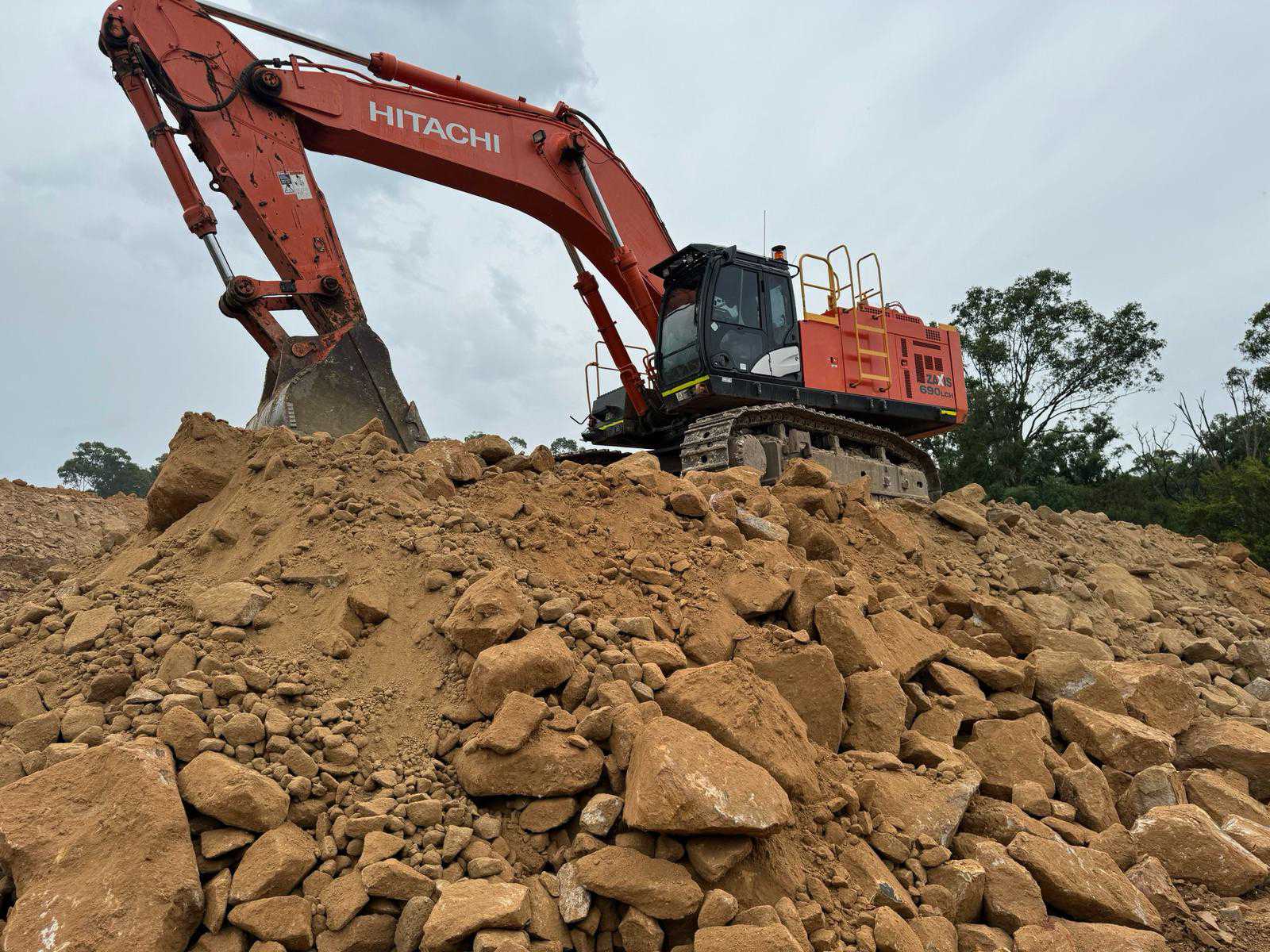
Pool excavation Theresa Park is an important stage of creating a new swimming pool on a residential property. Before a pool can be installed, the site needs to accommodate the required pool shape, depth, access requirements and surrounding construction work. Professional excavation helps create the space required for the pool while also considering ground conditions, underground services, site access and the existing features of the property.
A swimming pool project involves much more than digging a hole. The excavation needs to match the approved pool design and finished levels. The contractor also needs to consider where excavated soil and rock will go, how machinery will reach the work area and whether existing structures or services could affect the excavation.
Properties around Theresa Park can have different site conditions. Some blocks provide generous machinery access while others have restricted entrances, existing landscaping, established homes, fences or other structures close to the proposed pool location. Terrain can also vary across a property.
For that reason, professional pool excavation should begin with proper site planning.
Bobby’s Bobcat Ground Levelling and Excavation provides earthmoving and excavation services for property preparation and related projects. Where appropriate, pool excavation can form part of a wider site preparation process involving access preparation, soil removal, ground levelling and other earthmoving requirements.
If you are planning a swimming pool in Theresa Park, understanding the excavation process can help you prepare for the work and communicate more effectively with your pool builder and excavation contractor.
What Is Pool Excavation?
Pool excavation is the process of removing soil, rock and other ground material to create the space required for an inground swimming pool.
The excavation must follow the pool design rather than simply creating a large open area.
The required excavation can depend on:
Pool dimensions
Pool depth
Pool shape
Pool construction method
Ground conditions
Soil type
Rock conditions
Finished ground levels
Access for machinery
Required working space
Drainage considerations
Surrounding structures
The pool builder normally provides the design and specifications that determine the required excavation.
An excavation contractor then works within those requirements to remove the material and prepare the site for the next stage.
The amount of material removed can be substantial. Depending on the site, excavated material may include topsoil, clay, gravel, fill, sandstone or other rock.
Planning what happens to that material is an important part of the project.
Why Professional Pool Excavation Matters
Pool excavation establishes the physical space for one of the most important parts of the project.
An excavation that does not match the required dimensions can create problems for subsequent construction work. The pool builder may need to spend additional time correcting levels, removing extra material or dealing with unsuitable ground.
Professional excavation also considers the surrounding property.
For example, machinery may need to operate close to:
Existing houses
Retaining walls
Fences
Driveways
Garages
Gardens
Trees
Utilities
Neighbouring structures
A suitable excavation plan reduces unnecessary disturbance and helps the work progress in an organised manner.
The goal is not simply to remove soil quickly. Instead, the excavation should create the correct working area for the next stage of the pool project.
Pool Excavation Theresa Park and Site Conditions
Every pool site is different.
Two properties can have the same pool design but require very different excavation approaches.
One site may have soft soil and easy access. Another may contain rock or compacted material. A third property may have a narrow driveway that limits machinery movement.
Before excavation starts, the contractor should consider:
The pool location
Access route
Excavation depth
Ground slope
Existing structures
Underground services
Overhead services
Soil conditions
Rock
Drainage
Spoil storage
Material removal
Weather conditions
These factors influence how the excavation should proceed.
A proper site assessment therefore provides more useful information than a generic excavation estimate.
Pool Excavation for New Homes
Many Theresa Park homeowners consider a pool as part of a broader new home project.
When the house and pool are planned together, excavation needs to fit into the overall construction schedule.
The property may require:
Site clearing
Bulk excavation
House site preparation
Pool excavation
Driveway preparation
Ground levelling
Soil removal
Drainage work
Landscaping preparation
Coordinating these activities can make the overall project easier to manage.
For example, the excavation contractor may need to consider where soil from the house excavation and pool excavation will go. If material remains on the property temporarily, it should not block important access routes.
Planning early can reduce unnecessary movement of machinery and material.
Pool Excavation for Existing Properties
Existing homes create different excavation considerations.
The proposed pool may sit behind the house or within an established backyard. Access can then become one of the most important factors.
The contractor may need to work around:
Fences
Patios
Retaining walls
Garden beds
Trees
Outdoor structures
Existing driveways
Garages
Sheds
Utility services
Limited turning areas
In these circumstances, the machinery choice becomes important.
A machine that can physically enter the property may still need enough room to manoeuvre and safely remove excavated material.
A site assessment can identify these limitations before excavation begins.
How Pool Excavation Works
A typical pool excavation project follows a planned sequence.
Pool Design and Excavation Requirements
The first step involves understanding the pool design.
The excavation contractor needs information about the proposed pool location, dimensions and depth.
The pool builder or relevant project professional should provide the required excavation specifications.
These details establish the basic excavation target.
Site Assessment
Next, the contractor assesses the property.
The assessment considers access, existing structures, ground conditions and the location of the proposed pool.
The operator can then determine how machinery will reach the excavation area.
Underground Service Checks
Before excavation, underground services need to be identified.
SafeWork NSW states that current underground essential service information should be obtained before excavation work starts. It also directs excavation workers to Before You Dig Australia for underground asset information.
This consideration is important even when the pool area appears clear.
Underground infrastructure may include:
Electrical cables
Gas services
Water pipes
Telecommunications
Stormwater
Sewer infrastructure
Other private services
Knowing where services are located helps the excavation team plan the work.
Machinery Access
Once the site has been assessed, the operator can determine how machinery will enter and reach the pool location.
Access may involve:
Driveway entry
Side access
Rear access
Temporary gate removal
Restricted pathways
Open property boundaries
The available space influences equipment selection and excavation planning.
Excavation
The excavation then proceeds according to the pool design.
The operator removes soil and other ground material while working toward the required depth and shape.
Machine positioning changes as the excavation progresses.
Careful operation becomes particularly important around existing structures and service locations.
Material Management
Excavated material needs a destination.
Some homeowners have enough space to temporarily store suitable soil. Others need the material removed from the property.
Rock can create additional handling requirements.
NSW Government guidance for pool construction specifically notes that the cost of removing and disposing of rocks and other materials can be significant.
Planning material management before excavation helps avoid unexpected delays.
Final Excavation Preparation
After the main excavation is complete, the site can be assessed against the required pool specifications.
The next stage may involve pool construction, base preparation or other work determined by the pool builder and project design.
The excavation contractor’s role should therefore connect with the wider pool construction process.
Soil Conditions and Pool Excavation
Ground conditions can significantly affect excavation.
Common materials may include:
Topsoil
Clay
Sandy soil
Gravel
Compacted fill
Weathered rock
Sandstone
Mixed ground
The excavation method depends on the material encountered.
Soft soil may move relatively easily with suitable earthmoving equipment. Hard rock can require additional equipment and handling.
This difference explains why a pool excavation quote should not rely solely on the pool dimensions.
The contractor also needs to understand the likely ground conditions.
Rock Excavation for Pools
Rock is one of the conditions that can change the excavation process.
A pool site may contain rock beneath an apparently ordinary surface.
Rock excavation can require additional equipment and more time than standard soil excavation.
It can also generate material that needs to be removed from the property.
Before excavation begins, homeowners should ask how potential rock conditions will affect:
Excavation time
Equipment
Spoil removal
Disposal
Project scheduling
Cost
A geotechnical assessment may provide useful information about ground conditions before construction. NSW Government guidance recommends considering a geotechnical survey because rock or unstable foundation soil can significantly affect costs.
Pool Excavation on Sloping Blocks
A sloping property does not automatically prevent pool construction.
However, it can change the excavation requirements.
The contractor may need to consider:
Cut levels
Finished levels
Machine positioning
Access
Material movement
Retaining structures
Drainage
Ground stability
The pool design needs to account for the site’s existing levels.
Sometimes the pool area requires a substantial cut. Other projects may combine excavation with retaining or other structural work.
These decisions should follow the pool design and appropriate engineering advice.
Pool Excavation Near Retaining Walls
Retaining walls require careful consideration.
Excavation can change the ground conditions around an existing structure. If the proposed pool is close to a retaining wall, the pool builder and relevant engineers may need to determine suitable excavation methods and structural requirements.
SafeWork NSW identifies instability of adjoining structures as an excavation risk and recommends appropriate assessment and control measures where excavation may affect nearby structures.
The excavation contractor should therefore know about existing retaining walls before machinery starts digging.
Pool Excavation Near Houses
A pool may sit relatively close to the existing home.
That creates several considerations.
The contractor may need to work around:
Building foundations
Footings
Walls
Patios
Drainage
Utility connections
Existing landscaping
The excavation sequence should consider the stability of nearby structures.
SafeWork NSW advises that excavation work should account for the possible impact on adjoining structures and recommends competent advice where excavation could affect foundations or structural stability.
This is particularly important when the proposed pool excavation is deep or close to an existing building.
Underground Services Before Pool Excavation
Underground services should always form part of the planning process.
The surface of a backyard does not show everything below ground.
Before excavation begins, relevant service information should be obtained.
SafeWork NSW states that current essential service information for the workplace and adjacent areas must be obtained before excavation work commences.
Before You Dig Australia can provide information about underground infrastructure.
Homeowners should also provide the excavation contractor with any relevant plans or service information they already have.
Overhead Powerlines and Pool Excavation
Overhead services can also affect machinery operation.
A machine may need to travel into a backyard or operate near the property boundary.
If overhead powerlines are present, the contractor should assess the work area and maintain appropriate clearances and controls.
SafeWork NSW provides guidance on working near overhead electrical lines and mobile plant.
The location of overhead services should therefore be discussed during the initial site assessment.
Access for Pool Excavation
Access can be one of the biggest challenges on residential pool projects.
The excavation area may be behind the house with no direct driveway access.
In other situations, the machine may have to travel through a side passage.
Important measurements can include:
Gate width
Gate height
Path width
Machine width
Machine height
Turning space
Overhead clearance
Ground slope
Distance to the excavation
If access is too narrow, the contractor may need to consider alternative equipment or a different excavation strategy.
For this reason, accurate site measurements are useful before the job begins.
Why Machinery Selection Matters
The largest machine is not necessarily the best choice.
A larger machine can move more material quickly but may require greater access.
A smaller machine can often manoeuvre through restricted areas but may take longer to remove large volumes of material.
Equipment selection depends on:
Pool size
Excavation depth
Access
Soil
Rock
Working space
Material volume
Existing structures
Site conditions
The contractor should choose equipment that can complete the work while remaining practical for the property.
Bobcat Excavation for Pool Projects
Bobcat equipment can be useful for residential earthmoving where access and site conditions suit the machine.
Depending on the project, Bobcat equipment may assist with:
Excavation
Soil movement
Material loading
Site preparation
Ground levelling
Access preparation
Spoil movement
The machine’s suitability depends on the excavation requirements.
A pool excavation project may also require additional equipment if the site contains significant rock or difficult ground.
The important point is to match equipment to the actual site rather than assuming one machine will suit every project.
Managing Excavated Soil
Pool excavation can produce a large quantity of soil.
Homeowners should decide early whether suitable material will remain on site or leave the property.
Possible options depend on the project and may include:
Temporary stockpiling
Reuse elsewhere on the property
Loading for removal
Separate management of rock
Use in approved landscaping work
The right option depends on the soil type and the property’s future design.
Stockpiled material should also be positioned so it does not obstruct machinery access or create additional hazards around the excavation.
Soil Removal After Pool Excavation
Many pool projects require soil removal.
A residential backyard may not have enough space to store all excavated material.
In addition, the homeowner may not need the material for future landscaping.
When soil needs to leave the property, the excavation plan should include:
Loading
Transport
Suitable disposal or reuse arrangements
Access for trucks
Timing
Temporary storage if required
NSW Government guidance recommends that pool construction quotes clearly account for moving service lines where necessary and disposing of excavated material and construction debris.
This is useful when comparing project costs.
Pool Excavation and Drainage
Pool projects need to account for existing drainage.
The pool should not interfere with existing drainage systems or utility pipes.
NSW Government guidance specifically advises homeowners to check the location of sewers, stormwater, drainage systems and utility pipes before building a pool.
A drainage issue discovered after excavation can create unnecessary project delays.
Therefore, drainage information should form part of the planning process.
Groundwater and Wet Conditions
Some properties may encounter groundwater or unusually wet ground during excavation.
This condition can affect the excavation and the construction process.
The correct response depends on the site conditions and pool design.
A geotechnical assessment may help identify potential ground and groundwater issues before work starts.
Weather also matters.
Heavy rainfall can affect access and ground stability. Wet soil may become difficult for machinery to travel across without causing unnecessary disturbance.
The excavation schedule should therefore remain flexible enough to account for significant weather conditions.
Pool Excavation and Site Preparation
Pool excavation often forms part of a wider site preparation project.
A homeowner may also need:
Land clearing
Ground levelling
Soil removal
Driveway preparation
Access preparation
Drainage work
Landscaping preparation
Retaining work
When these requirements are known early, the contractor can plan machinery movements more efficiently.
For example, clearing an access route before pool excavation can make it easier for equipment to reach the backyard.
Similarly, arranging soil removal at the right stage can prevent excavated material from blocking access.
Pool Excavation for Concrete Pools
Concrete pool construction can involve substantial excavation requirements.
The excavation needs to match the pool’s structural design.
The pool builder may specify the required dimensions and additional working space.
The excavation contractor then removes the required ground material.
Rock and difficult soil can change the excavation process.
The contractor should therefore coordinate with the pool builder so the excavation meets the project’s requirements.
Pool Excavation for Fibreglass Pools
Fibreglass pools also require accurately prepared excavation.
The excavation needs to accommodate the pool shell and the installation requirements specified by the pool manufacturer or installer.
The final dimensions and levels should come from the relevant pool design.
An excavation that is too small can create installation problems. An unnecessarily oversized excavation can increase material removal and handling.
Clear communication between the pool installer and excavation contractor is therefore important.
Pool Excavation and Pool Installation
The excavation contractor is only one part of the wider pool project.
The overall project may involve:
Pool design
Approvals
Excavation
Pool installation
Plumbing
Electrical work
Backfilling
Pool surrounds
Landscaping
Fencing
Certification
Because several trades may work on the same property, scheduling matters.
The excavation should occur at the right stage so the pool builder can continue without unnecessary waiting.
Pool Approvals in NSW
Pool excavation should not begin simply because the homeowner has chosen a pool design.
NSW Government guidance advises homeowners to discuss approval requirements with their local council or a private registered certifier before building a pool.
The NSW Planning Portal also provides information about swimming pools and complying development requirements. Specific development standards can apply depending on the property and approval pathway.
Homeowners should confirm the requirements that apply to their individual property.
The excavation contractor should work from the relevant approved design and project instructions.
Pool Safety Requirements During Construction
Pool safety does not start only after the pool is finished.
NSW Government guidance states that temporary child resistant fencing must be installed around a pool area while construction is underway. It also requires the relevant permanent barrier and certification steps before the pool can be used.
An open excavation creates a physical hazard.
The work area should therefore remain controlled and inaccessible to people who are not involved with the project.
SafeWork NSW also requires excavation work areas to be secured against unauthorised access and highlights the need to manage excavation risks.
Excavation Safety
Pool excavation involves heavy machinery, open ground and potentially deep excavation.
Important safety considerations include:
Underground services
Overhead services
Ground stability
Machine movement
Excavation edges
Nearby structures
Weather
Unauthorised access
Falling material
Safe access
SafeWork NSW states that excavation and earthmoving work can present serious risks and requires appropriate precautions. The regulator also identifies underground services and plant movement as important hazards.
The excavation team should follow appropriate site controls based on the actual work.
High Risk Construction Work
Some excavation activities can fall within high risk construction work requirements.
SafeWork NSW identifies excavation work near certain services and excavations with particular depths or conditions as examples where additional safety planning may apply.
Where the work qualifies as high risk construction work, the required safety documentation and controls need to be in place before work starts.
This is one reason why homeowners should use appropriately qualified and experienced contractors for significant excavation projects.
How Long Does Pool Excavation Take?
The excavation timeframe depends on the project.
Factors include:
Pool dimensions
Excavation depth
Soil conditions
Rock
Access
Machinery
Material volume
Weather
Soil removal
Site restrictions
A small pool on an accessible property may have a relatively straightforward excavation.
A larger pool with difficult access and rock can require substantially more work.
An accurate timeframe comes from assessing the actual site and understanding the excavation specifications.
How Much Does Pool Excavation Cost?
Pool excavation costs vary between properties.
The main factors can include:
Pool size
Excavation depth
Soil type
Rock
Access
Machinery
Spoil volume
Soil removal
Travel
Site restrictions
Additional ground preparation
The cheapest excavation method on paper may not be suitable for the property.
For example, difficult access can require smaller machinery. Rock can require additional equipment. Limited spoil storage can create additional removal requirements.
A useful quotation should therefore identify what the excavation includes.
Why Pool Excavation Quotes Differ
Two excavation contractors may provide different prices for the same pool project.
That does not automatically mean one contractor has misunderstood the work.
The difference can come from:
Machinery selection
Estimated excavation time
Rock assumptions
Soil removal
Transport
Access
Site preparation
Included services
Additional equipment
The homeowner should compare quotes based on the scope rather than the final number alone.
Ask whether soil removal is included.
Ask how rock will be handled if encountered.
Ask whether access preparation forms part of the quote.
Also ask what happens if site conditions differ from the information available before excavation.
What Should Be Included in a Pool Excavation Quote?
A useful excavation quotation should clearly identify the work.
Depending on the project, it may include:
Site preparation
Machinery
Excavation
Loading
Soil movement
Spoil removal
Rock handling
Machine transport
Final excavation preparation
Additional charges for unexpected ground conditions
Not every project requires every item.
The important point is clarity.
A homeowner should know what the contractor has included before work begins.
Choosing a Pool Excavation Contractor in Theresa Park
Choosing an excavation contractor involves more than checking price.
Look for someone who can discuss:
The pool design
Access
Ground conditions
Machinery
Excavation depth
Soil management
Rock
Underground services
Nearby structures
Project scheduling
A contractor should also be willing to explain the work in practical terms.
If the property has difficult access, mention it early.
If the proposed pool sits close to a house or retaining wall, provide that information.
If you have engineering or pool plans, make them available.
Better information allows the contractor to provide a more realistic assessment.
Questions to Ask Before Pool Excavation
Homeowners can ask several useful questions before booking excavation.
Will the machinery fit through my access?
What equipment will you use?
Is soil removal included?
What happens if rock is encountered?
How will excavated material be handled?
Have underground services been considered?
Does the excavation quote include machine transport?
Will the excavation match the pool builder’s specifications?
How will nearby structures be protected?
What happens if weather affects the work?
These questions help establish the scope before excavation begins.
Preparing Your Property for Pool Excavation
Homeowners can make the excavation process easier by preparing the property.
First, confirm the pool location.
Next, identify the access route.
Then remove personal items and movable garden furniture from the work area.
The property owner should also discuss:
Gate access
Existing fencing
Trees
Retaining walls
Drainage
Utility locations
Existing structures
Soil storage
Truck access
If fencing needs temporary removal, arrange it before the machinery arrives.
Clear access can reduce unnecessary delays.
What If Pool Excavation Access Is Narrow?
Restricted access is common on residential properties.
A side passage may be only wide enough for compact machinery.
In that situation, equipment selection becomes especially important.
The contractor may need to use smaller equipment and plan additional trips for material movement.
The excavation could therefore take longer than a similar pool on an open block.
Measuring the access route before booking excavation provides useful information.
Consider both width and height.
A narrow gate may provide enough width for a machine but overhead branches or structures can still prevent safe entry.
Can Excavation Damage My Existing Driveway?
Machinery movement can affect surfaces depending on the equipment, ground conditions and access route.
The contractor should assess the access path before starting.
Existing driveways, pavers and landscaped areas should be discussed during the site assessment.
Where practical, suitable protection measures can be considered based on the property and machinery.
Homeowners should tell the contractor about any surfaces that need particular attention.
What Happens If Rock Is Found?
Rock can change the excavation process.
The contractor may need different equipment or additional excavation time.
Rock also creates additional material that may need to leave the property.
The NSW Government recommends considering geotechnical information because rock and unstable foundation soil can increase pool construction costs.
Before work starts, ask how unexpected rock will be handled.
A clear agreement can reduce confusion if ground conditions differ from expectations.
Can Pool Excavation Be Combined With Soil Removal?
Yes.
Combining excavation with planned soil removal can make the workflow more efficient.
Instead of moving large amounts of soil around the backyard several times, the project can be organised around the required removal process.
The best approach depends on truck access and available space.
If the property has limited room for stockpiling, removal may need to happen as excavation progresses.
Pool Excavation and Landscaping
Pool excavation can create opportunities to plan landscaping at the same time.
The pool area may eventually include:
Retaining walls
Garden beds
Paving
Decking
Grass
Outdoor entertaining areas
Paths
Drainage
The final landscaping design can influence the finished ground levels around the pool.
For that reason, the pool excavation should form part of the wider property plan.
Pool Excavation and Driveway Access
The excavation contractor needs access to the pool area.
If the driveway provides the main machinery route, its condition and width should be assessed before work starts.
A narrow driveway can limit machinery options.
A sloping driveway can also affect machine movement.
If the driveway is already under construction, the project schedule should coordinate with the pool excavation.
Pool Excavation for Rural Properties
Theresa Park includes properties with different site characteristics and larger residential blocks.
A larger property may offer more space for machinery and temporary soil storage.
However, rural style properties can also have:
Long access routes
Sloping ground
Large vegetation
Fences
Dams
Unsealed areas
Soft ground
Large quantities of soil
These conditions can affect excavation planning.
A site assessment helps identify the most practical access route and material management strategy.
Professional Pool Excavation and EEAT
A useful excavation service should demonstrate practical experience rather than simply repeat generic claims.
Experience matters because every excavation site presents different conditions.
An experienced operator can identify practical issues such as restricted access, unsuitable stockpile locations, difficult machine positioning and potential obstacles.
At the same time, specialist engineering, pool design and approval matters should remain with the appropriately qualified professionals responsible for those areas.
This separation of responsibilities helps keep the project organised.
The excavation contractor handles the earthmoving work within the agreed scope while the pool builder, engineer, certifier and other specialists manage their respective responsibilities.
When Should You Book Pool Excavation?
Pool excavation should be scheduled after the required approvals, pool design and site planning are sufficiently established.
Booking too early can create uncertainty if the design changes.
Booking too late can delay the pool builder.
The ideal timing depends on the project schedule.
Discuss the excavation date with the pool builder and confirm when the site needs to be ready.
Weather should also be considered because wet ground can affect machinery access.
A Simple Pool Excavation Checklist
Before excavation begins, check the following:
Pool design is available
Excavation dimensions are confirmed
Required approvals are understood
Access has been assessed
Underground services have been checked
Overhead services have been considered
Existing structures have been identified
Retaining walls have been discussed
Soil storage has been planned
Soil removal has been discussed
Rock conditions have been considered
Machinery access is confirmed
Temporary safety controls are planned
Pool builder and excavator have coordinated schedules
This checklist can help prevent avoidable delays.
Frequently Asked Questions About Pool Excavation Theresa Park
What is involved in pool excavation in Theresa Park?
Pool excavation involves removing soil, rock and other ground material to create the space required for an inground swimming pool. The excavation follows the pool design and needs to account for depth, dimensions, access, ground conditions and surrounding structures.
How much does pool excavation cost in Theresa Park?
The cost varies according to pool size, excavation depth, soil conditions, rock, machinery access, spoil volume and whether excavated material needs to be removed. A site assessment provides a more useful estimate than a standard price.
How long does pool excavation take?
The timeframe depends on the pool size, ground conditions, machinery access, rock and soil removal requirements. A straightforward site may require less excavation time than a restricted site with difficult ground.
Does pool excavation include soil removal?
It can, depending on the agreed scope. Homeowners should confirm whether loading, transport and disposal of excavated material are included in the quotation.
What happens if rock is found during pool excavation?
Rock can require additional equipment, excavation time and material removal. Homeowners should discuss potential rock conditions and the process for handling unexpected material before excavation begins.
Can a Bobcat excavate a swimming pool?
A Bobcat can assist with some residential pool excavation and site preparation projects where the machine suits the access and ground conditions. Larger or more difficult excavations may require additional or different equipment.
Can you excavate a pool on a sloping block?
Yes. Sloping blocks can accommodate pools, but excavation planning needs to account for finished levels, machine access, ground stability, drainage and nearby structures.
Do underground services need to be checked before pool excavation?
Yes. SafeWork NSW requires current essential service information to be obtained before excavation work begins. Underground services can include electricity, gas, water, telecommunications and drainage infrastructure.
Do I need approval before excavating for a pool?
Pool approval requirements depend on the property and the approval pathway. NSW Government guidance recommends discussing requirements with the relevant local council or a private registered certifier before building a pool.
Can pool excavation happen close to my house?
It can be possible, but the excavation needs careful planning when it is close to existing structures. The relevant professionals should assess foundations, ground conditions and structural requirements before work starts.
Can pool excavation damage existing retaining walls?
Excavation can affect nearby retaining structures depending on the location, depth and ground conditions. Existing retaining walls should therefore be identified during the site assessment.
What should I do before the excavator arrives?
Confirm the pool design, access route, service information, excavation requirements and soil removal plan. Clear movable items from the work area and arrange any required temporary access changes before machinery arrives.
Can you remove the excavated soil after digging the pool?
Yes, where soil removal forms part of the agreed service. The quantity and type of material should be discussed before excavation so the project can account for loading and transport.
Does wet weather affect pool excavation?
Yes. Rain can affect ground conditions and machinery access. The contractor may need to adjust the excavation schedule when the ground becomes unsuitable for safe or practical machine operation.
What should a pool excavation quote include?
The quotation should clearly state what excavation work is included. Depending on the project, this can include machinery, excavation, loading, soil movement, spoil removal, machine transport and additional charges related to unexpected ground conditions.
Plan Your Pool Excavation in Theresa Park
Planning a pool is exciting, but the excavation stage deserves careful attention because it establishes the space where the pool will be constructed.
If you are preparing a property in Theresa Park for a new swimming pool, start by confirming the pool design, excavation requirements and access conditions. Then discuss the site with an experienced excavation contractor who can assess the ground and determine the appropriate machinery.
Bobby’s Bobcat Ground Levelling and Excavation can assist with excavation and related earthmoving requirements where the site conditions and project scope are suitable.
Need pool excavation in Theresa Park? Discuss your pool site, access requirements, excavation needs and soil removal requirements before machinery arrives so the project can be planned around the actual property.
Prepare the Site for Your New Pool
A successful pool excavation starts before the first bucket of soil is removed.
Confirm underground services. Check access. Understand the pool dimensions. Consider rock and soil conditions. Plan where excavated material will go. Coordinate the excavation schedule with the pool builder.
These steps can make the excavation process easier and help prevent avoidable surprises.
If your Theresa Park property needs pool excavation, ground preparation, soil removal or related earthmoving work, arrange a site discussion and explain the final outcome you want. A clear plan allows the excavation work to support the next stage of your pool project.
Conclusion
Pool excavation Theresa Park is a specialist stage of residential site preparation that requires more planning than simply removing soil from a backyard.
The excavation needs to follow the pool design while accounting for ground conditions, machinery access, soil, rock, drainage, underground services and existing structures.
Access can have a major influence on the project. A large open property may allow efficient machinery movement while a backyard with narrow side access may require compact equipment and additional planning.
Ground conditions also matter. Clay, loose soil, compacted fill and rock can all affect excavation time and equipment requirements.
Material management deserves attention as well. Pool excavation can produce significant quantities of soil and rock. Planning removal or suitable reuse before digging starts can help prevent the excavated material from becoming an obstacle.
Safety remains essential throughout the process. SafeWork NSW identifies excavation collapse, underground services, moving plant and instability of adjoining structures among the hazards that need appropriate controls.
NSW Government guidance also recommends checking approval requirements, underground services, drainage and geotechnical conditions before building a pool.
Ultimately, good pool excavation connects the excavation stage with the entire pool project.
When the pool builder, excavation contractor and other relevant professionals communicate clearly, the site can move from excavation toward pool construction with fewer avoidable problems.
If you are planning a new swimming pool in Theresa Park, take the time to assess access, ground conditions, services and soil management before excavation begins. Proper preparation can help create a practical and organised starting point for the next stage of your pool project.