Ground Levelling Mulgoa: Professional Ground Preparation for Residential and Construction Projects
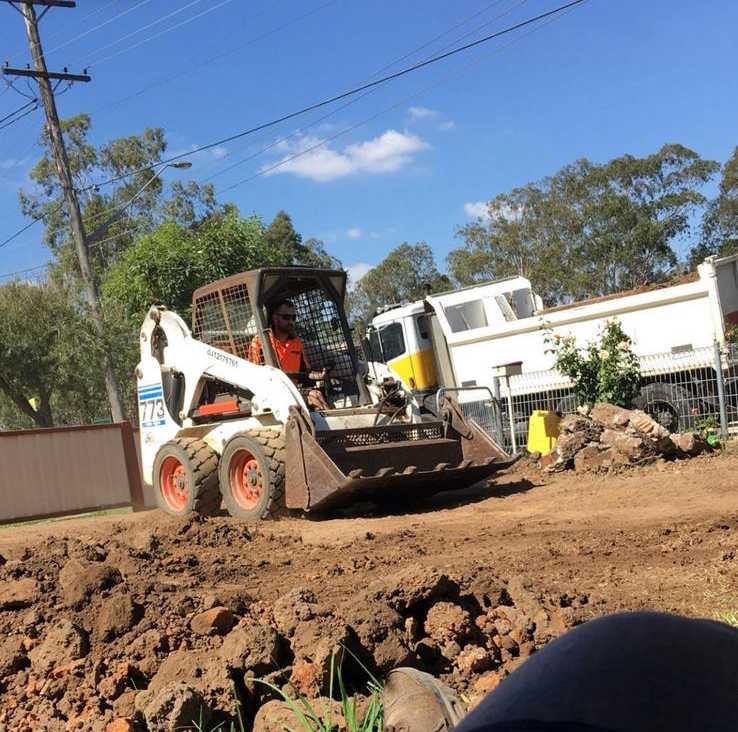
Ground levelling Mulgoa is an important service for property owners who need safer, more usable and better prepared land for construction, landscaping, driveways, sheds, extensions, pools and other outdoor projects. Uneven ground can create drainage problems, difficult access, unstable surfaces and additional construction challenges. Professional ground levelling helps create a more suitable surface by removing high areas, filling low areas and shaping the site according to the requirements of the planned project.
Properties around Mulgoa can include sloping blocks, uneven surfaces, compacted soil, loose material, old landscaping areas and ground affected by previous construction work. As a result, every site needs a practical assessment before earthmoving work begins.
Bobby’s Bobcat Ground Levelling and Excavation provides earthmoving services for property owners and construction projects that require practical site preparation and ground improvement. Depending on the property and project requirements, ground levelling can involve excavation, soil removal, filling, grading, compaction and preparation for the next stage of construction.
If you are searching for ground levelling Mulgoa because your property has an uneven block or difficult terrain, the first step is to understand what the site actually needs. A simple visual inspection may not reveal drainage issues, unsuitable soil, underground services or changes in ground level that could affect the finished project.
Professional earthmoving equipment can make the process more efficient while allowing the work area to be shaped with greater control. The right approach depends on the size of the property, access conditions, existing ground levels, soil conditions and the intended use of the land.
For property owners who need dependable site preparation, Bobby’s Bobcat Ground Levelling and Excavation can assess the work required and discuss the most practical approach for the site.
What Is Ground Levelling?
Ground levelling is the process of changing the existing surface of a property to create a more suitable and controlled ground profile.
The work can include removing excess soil from higher sections, placing suitable fill into lower sections, spreading soil across the work area, grading the surface and preparing the ground for construction or landscaping.
Ground levelling does not always mean creating a completely flat property. In many situations, the correct result is a carefully graded surface that maintains suitable falls for drainage while providing an appropriate foundation for the intended use.
For example, a residential property may need a level area for a new shed while the surrounding ground still needs a controlled fall so rainwater can move away from the structure.
Similarly, a driveway may require a carefully shaped formation rather than a completely flat surface. A pool project may need excavation to a specified level while the surrounding area requires additional preparation.
Therefore, professional ground levelling focuses on achieving the right finished ground profile rather than simply removing soil until the property looks flat.
Why Ground Levelling Matters in Mulgoa
Uneven ground can affect almost every stage of a construction or landscaping project.
A sloping or irregular surface can make it harder to install a driveway. It can complicate shed construction. It can create drainage concerns around buildings. It can make landscaping more difficult and can increase the amount of preparation required before construction begins.
Ground levelling can help create a more practical surface for the next stage of work.
Proper preparation also allows builders, landscapers and other contractors to work from a more predictable ground profile. That can make site planning easier and help reduce unnecessary earthmoving during later stages.
However, the correct finished level depends on the project. A qualified professional should consider drainage, existing structures, boundaries, access and the intended use of the area before deciding how much soil should be removed or added.
Ground Levelling for Sloping Blocks in Mulgoa
Sloping blocks can provide attractive views and useful elevation changes. At the same time, slopes can create challenges when property owners want to construct usable outdoor areas.
A property owner may want to create a level section for a shed, driveway, garden area, entertaining space or another structure.
Ground levelling on a sloping block requires more planning than simply removing soil from the highest point.
The excavation process needs to consider the stability of the surrounding ground. It also needs to consider where excavated material will go and whether imported fill is required.
Drainage also matters.
Water naturally follows changes in elevation. If earthmoving work changes the existing flow of water without considering the finished design, runoff can collect in unwanted locations.
For that reason, ground levelling should form part of the wider site preparation plan.
Common Ground Levelling Services in Mulgoa
Ground levelling can involve several different earthmoving tasks depending on the property.
Site Assessment
The first stage involves understanding the existing site.
An assessment can consider access, ground conditions, existing levels, vegetation, structures, drainage patterns and the intended use of the area.
The assessment also helps identify practical equipment requirements.
Cutting High Areas
High sections of ground can be excavated to reduce the existing elevation.
The removed soil may need to be transported away from the property or reused elsewhere on the site if it is suitable for the intended purpose.
Filling Low Areas
Low sections may require suitable fill material.
The type and quantity of fill depend on the project. Not every excavated soil type is suitable for every application.
Grading
Grading shapes the surface to achieve the required levels and falls.
A properly graded area can provide a more suitable surface for driveways, landscaping, construction areas and other projects.
Soil Removal
Some projects generate excess soil that cannot remain on site.
Professional excavation and earthmoving can assist with removing unwanted material while keeping the work area organised.
Compaction
Some projects require compaction after filling or grading.
Compaction helps create a more stable ground surface when the project specifications require it.
The appropriate compaction method depends on the material, depth, intended use and engineering requirements.
Ground Levelling for New Homes
New residential construction often requires carefully prepared ground before building work starts.
The existing property may contain uneven areas, vegetation, excess soil, old landscaping or sections that require excavation.
Ground preparation can help establish the working area for the construction project.
Depending on the site, earthmoving work may include clearing vegetation, removing unsuitable material, cutting high areas, filling low areas and shaping the ground.
The finished levels should follow the requirements of the building design and relevant professional advice.
A ground levelling contractor should not simply guess the final elevation. Building plans, site levels and engineering information may determine the required excavation and filling.
Ground Levelling for Driveways
Driveways require a suitable base and appropriate surface levels.
An uneven driveway area can cause water to collect in low sections. It can also create difficult vehicle access and contribute to surface deterioration if the underlying preparation is inadequate.
Ground preparation may involve removing existing material, cutting high areas, filling low areas and grading the driveway formation.
The driveway contractor may then complete the required base preparation and installation.
The earthmoving stage should therefore coordinate with the driveway design.
Property owners should also consider vehicle access during the work. Narrow access points, retaining walls, trees, fences and existing structures can affect the equipment that can reach the site.
Ground Levelling for Landscaping
Landscaping projects often benefit from controlled ground preparation.
A garden design may require several different levels rather than one completely flat area.
For example, a property may need a level lawn area with a separate garden bed, retaining structure or pathway.
Ground levelling can help create these different areas before landscaping begins.
The final surface should match the landscaping plan. This may involve creating gentle falls, shaping garden areas and preparing soil for later planting.
Good communication between the earthmoving contractor and landscaper can help avoid unnecessary rework.
Ground Levelling for Sheds
A shed generally needs a suitable prepared area before installation.
The exact requirements depend on the shed design and installation method.
Ground levelling may be necessary where the proposed shed location contains uneven ground or a slope.
The site can be shaped to provide the required footprint while maintaining suitable drainage around the structure.
Property owners should confirm the required finished levels with the shed installer before earthmoving begins.
Ground Levelling for Pool Projects
Pool construction often requires significant earthmoving.
Depending on the site, pool excavation can involve removing large quantities of soil and rock.
Ground preparation around the proposed pool area may also be necessary to establish suitable levels for surrounding paving, landscaping and access.
Because pool construction involves structural requirements, excavation depth and finished levels should follow the pool design and engineering requirements.
Ground levelling should therefore form part of the broader pool construction plan.
Ground Levelling and Drainage
Drainage is one of the most important considerations when changing ground levels.
Water needs a suitable path to move away from buildings and other areas where accumulation could create problems.
Changing the slope of a property can change how water moves across the surface.
That means ground levelling should not focus only on appearance.
The finished profile needs to work with the drainage design.
Where a project involves significant changes to ground levels, retaining structures, stormwater systems or building foundations, property owners should obtain appropriate professional advice before work begins.
Why Soil Conditions Matter
Soil is not the same at every property.
Different materials behave differently when excavated, moved, placed and compacted.
Some soil may contain clay. Other sites may contain sand, gravel, fill or mixed materials.
Groundwater can also affect excavation and site preparation.
These conditions can influence the equipment required, the amount of material that can be reused and the way the finished surface should be prepared.
A professional assessment helps identify these factors before work begins.
Ground Levelling and Site Access
Access is a major practical consideration for earthmoving work.
A property may have a narrow driveway or limited side access. Trees, fences, retaining walls and neighbouring properties can also restrict equipment movement.
The size and type of earthmoving machinery should therefore suit the available access.
Bobcat and compact earthmoving equipment can be useful for projects where access is more restricted. However, the appropriate equipment depends on the site.
Before booking ground levelling work, property owners should provide accurate information about the property access and proposed work area.
Photographs can also help a contractor understand the site before an inspection.
What Equipment Can Be Used for Ground Levelling?
Ground levelling can involve different types of earthmoving equipment.
A compact loader may be suitable for moving and spreading soil across a residential property.
An excavator can assist with deeper excavation and material removal.
Different attachments can also perform specific tasks.
The equipment choice depends on the size and conditions of the project.
Using equipment that is too large can create access problems. Using equipment that is too small can make a large earthmoving project unnecessarily slow.
A professional contractor can determine what equipment best matches the site conditions.
The Ground Levelling Process
A professional ground levelling project usually follows a logical sequence.
Step 1: Understand the Project
The contractor first needs to understand why the ground requires levelling.
A driveway project has different requirements from a pool project. A shed site has different requirements from a new building site.
Knowing the end goal helps determine the appropriate ground preparation method.
Step 2: Inspect the Property
The property should be assessed for access, existing levels, soil conditions, structures and potential hazards.
The contractor can then identify practical constraints.
Step 3: Confirm Existing Services
Underground services must be considered before excavation.
SafeWork NSW advises that current information about underground essential services should be obtained before excavation work begins.
Before You Dig Australia is specifically referenced by SafeWork NSW as a source for underground asset information.
Step 4: Plan the Finished Levels
The desired finished levels should be established according to the project requirements.
This stage can involve building plans, driveway plans, landscape designs or engineering information.
Step 5: Remove or Redistribute Material
High areas can be excavated while suitable material may be moved to low areas where appropriate.
Unsuitable or excess material may need to leave the property.
Step 6: Grade the Surface
The surface is shaped to achieve the required levels and falls.
Step 7: Compact Where Required
Where filling has occurred, suitable compaction may be required depending on the project specifications.
Step 8: Prepare for the Next Contractor
Once the ground reaches the required condition, the site can be handed over for the next stage.
That may involve building, driveway construction, landscaping, paving or another project.
Ground Levelling Safety in Mulgoa
Earthmoving work involves real safety risks.
SafeWork NSW identifies hazards associated with excavations and earthmoving plant including plant overturning, people being struck by machinery, excavation collapse and contact with underground services.
For that reason, ground levelling should not be treated as simply moving dirt around a property.
Excavation work requires proper planning and appropriate controls.
SafeWork NSW also states that high risk construction work can require a Safe Work Method Statement when specific conditions apply. These conditions include excavation work involving certain depths, underground services and other identified hazards.
The requirements that apply to a particular project depend on the work being undertaken.
Underground Services and Ground Levelling
Underground services are one of the most important issues to consider before excavation.
Electricity, telecommunications, gas, water and other infrastructure may exist below ground.
A machine operator may not be able to identify an underground service simply by looking at the surface.
SafeWork NSW advises businesses to obtain current underground essential services information before excavation work begins.
Property owners should therefore make service checks part of the planning process rather than waiting until machinery arrives on site.
Ground Levelling Near Existing Buildings
Ground levels around an existing building need careful consideration.
Removing soil close to a structure can affect the surrounding ground and potentially influence foundations.
The correct approach depends on the building, excavation depth, soil conditions and location of the proposed work.
SafeWork NSW advises that excavation planning should consider the stability of potentially affected structures and foundations. It also recommends obtaining advice from competent professionals where required.
If the proposed earthworks could affect an existing building, retaining wall or neighbouring structure, the appropriate engineering advice should be obtained before excavation starts.
Ground Levelling After Heavy Rain
Weather can affect earthmoving conditions.
Heavy rainfall can soften soil and alter ground stability.
Wet conditions can also affect machinery access and the ability to achieve suitable compaction.
A professional contractor should assess whether conditions are appropriate before proceeding.
SafeWork NSW highlights the importance of monitoring ground and weather conditions during excavation work.
How Much Does Ground Levelling Mulgoa Cost?
The cost of ground levelling varies because every property has different requirements.
Several factors can affect the price.
The size of the area is one consideration.
The amount of soil that needs to be moved is another.
Access conditions can also affect equipment selection and labour requirements.
Soil conditions may increase the difficulty of excavation.
The amount of material that needs to be removed from the property can also affect the total cost.
Additional requirements such as filling, grading, compaction or coordination with other contractors can influence the final price.
Because of these variables, a reliable quotation should follow an understanding of the actual site rather than relying only on a generic hourly rate.
How Long Does Ground Levelling Take?
The duration depends on the size and complexity of the project.
A small residential area with good access may require considerably less time than a large sloping block with significant quantities of soil.
The volume of material, equipment access, weather and disposal requirements can all affect the timeframe.
A contractor can provide a more useful estimate after understanding the site conditions and intended finished levels.
Can Ground Levelling Improve a Sloping Property?
Ground levelling can create more usable sections of a sloping property.
However, the amount of levelling possible depends on the site.
A steep slope may require retaining structures or engineered solutions rather than simple grading.
Removing too much material can also create stability problems.
Therefore, property owners should not assume that every slope can be converted into one completely flat area.
The appropriate solution depends on the property’s topography, soil conditions, drainage requirements and proposed use.
Can Excavated Soil Be Reused?
Sometimes suitable excavated soil can be reused on the same property.
However, suitability depends on the soil characteristics and the purpose for which the material will be used.
Material containing unsuitable debris, organic matter or other contaminants may not be appropriate for structural filling.
The required fill specification should come from the project requirements where structural work is involved.
A professional contractor can discuss whether material appears suitable for reuse or whether disposal and imported fill may be more appropriate.
Why Professional Ground Levelling Is Important
Professional ground levelling provides more than a visually flatter surface.
The work can form the foundation for later construction.
Correct levels can help other contractors understand the prepared site.
Proper grading can support drainage planning.
Suitable equipment can improve productivity.
Experienced operators can also identify practical issues that may not be obvious to a property owner.
Most importantly, professional earthmoving work considers the complete site rather than treating one section of soil in isolation.
Ground Levelling for Residential Renovations
Home renovations can sometimes require external ground preparation.
An extension may require excavation around part of the existing house.
A new driveway may require regrading.
A backyard renovation may require a new lawn level.
A shed or outdoor entertaining area may need a prepared platform.
In each case, the earthmoving work needs to fit the wider renovation plan.
The earlier the excavation contractor understands the final objective, the easier it becomes to coordinate the work with builders, landscapers and other trades.
Ground Levelling for Commercial and Construction Sites
Commercial and construction sites can involve larger areas and more complex site preparation.
The work may include bulk earthmoving, excavation, site clearing and formation preparation.
Construction projects may also require specific levels and compaction standards.
For larger projects, the earthmoving contractor may need to work from detailed plans and coordinate closely with the site supervisor.
Safety planning becomes especially important when multiple workers and machines operate in the same area.
SafeWork NSW identifies risks involving moving plant, excavation collapse and underground services.
Choosing a Ground Levelling Contractor in Mulgoa
When comparing ground levelling contractors, property owners should look beyond the basic price.
Ask whether the contractor understands the type of work required.
Ask whether the contractor has suitable equipment for the available site access.
Ask how the contractor plans to handle excess soil.
Ask whether the contractor understands the required finished levels.
Ask about underground service considerations.
Ask what information is needed before providing a quotation.
Clear communication at the beginning can prevent misunderstandings later.
A contractor who understands the final purpose of the earthworks can plan the work around the project’s actual requirements.
Questions to Ask Before Booking Ground Levelling
Before engaging an earthmoving contractor, consider asking the following questions.
What ground preparation does my project require?
How much soil needs to be removed?
Can suitable excavated material remain on site?
Will imported fill be required?
What equipment can access my property?
How will the finished levels be established?
Are there underground services that need to be checked?
Will the work affect drainage?
Will retaining structures be required?
Does another contractor need to inspect the site before earthworks begin?
What access does the machinery require?
What happens if soil conditions differ from what was expected?
These questions can help property owners understand the work before machinery arrives.
Ground Levelling Mulgoa and Local Site Conditions
Mulgoa properties can vary considerably.
Some blocks have open areas with straightforward machinery access. Other properties may contain established gardens, trees, slopes, driveways, retaining walls or buildings that limit equipment movement.
That variation means a standard approach does not suit every property.
Local knowledge can help a contractor understand the practical requirements of working around residential and rural style properties in the area.
However, the actual conditions of each individual site remain the most important consideration.
Ground Levelling and Environmental Considerations
Earthmoving work can disturb soil and change surface drainage.
Good planning helps minimise unnecessary disturbance.
Soil should be managed appropriately during the project.
Excess material should be handled according to the applicable requirements.
Where soil may contain contamination or other unsuitable material, specialist advice may be necessary.
Projects involving significant earthworks should also consider local planning requirements and any approvals that may apply.
Property owners should confirm requirements with the relevant authority when the project involves substantial changes to the property.
Ground Levelling and Erosion Control
Exposed soil can become vulnerable to erosion during rainfall.
This is especially relevant when ground levels have recently changed.
Temporary controls may be appropriate while the site remains exposed.
The correct approach depends on the slope, soil type, weather conditions and project duration.
Good site management helps reduce the movement of loose soil into drainage areas and neighbouring properties.
What Makes a Good Finished Level?
A good finished level is not necessarily perfectly flat.
Instead, it should match the purpose of the area.
A lawn may need a gentle fall.
A driveway may need controlled grades for vehicle access and drainage.
A building platform may require specific levels according to engineering and building requirements.
A shed site may need a prepared base that meets the installation requirements.
A pool area may require several different finished levels.
Therefore, successful ground levelling means achieving the correct result for the project rather than simply creating a visually flat surface.
Ground Levelling Mulgoa for Better Site Preparation
Ground preparation is one of the earliest physical stages of many property improvement projects.
Getting this stage right can make later work more straightforward.
Once the ground has the appropriate shape and level, other trades can work from a clearer starting point.
For this reason, property owners should treat ground levelling as part of the overall project plan.
The right equipment, correct levels, suitable material and careful site management all contribute to a better prepared property.
When Should You Book Ground Levelling?
It is usually useful to organise earthmoving before other contractors depend on the finished ground levels.
For example, if you are planning a new driveway, the earthmoving contractor should understand the driveway design before excavation begins.
If you are building a shed, the shed installer should provide the required site dimensions and levels.
If you are constructing a pool, the excavation contractor should work from the pool project’s approved requirements.
Planning the earthworks early can reduce the possibility of repeated excavation later.
A Practical Ground Levelling Checklist
Before ground levelling begins, property owners can prepare the following information.
The location of the work area.
The approximate size of the area.
The intended use of the finished area.
Photos showing property access.
Information about existing structures.
Information about retaining walls.
Details of known underground services.
Relevant building or landscaping plans.
Information about where excess soil can go.
Any known drainage problems.
Any relevant engineering information.
This information gives the contractor a clearer picture of the project.
Voice Search Questions About Ground Levelling Mulgoa
People searching by voice often use complete questions rather than short keywords.
Common searches can include:
Who provides ground levelling in Mulgoa?
How much does ground levelling cost in Mulgoa?
How do I level a sloping block in Mulgoa?
Can a bobcat level my backyard?
How do I prepare land for a shed?
How do I prepare a site for a driveway?
What happens before ground levelling?
Do I need excavation before landscaping?
How do I remove excess soil from my property?
Can ground levelling improve drainage?
These questions reflect the practical information property owners usually need before contacting an earthmoving contractor.
Frequently Asked Questions About Ground Levelling Mulgoa
What is ground levelling used for?
Ground levelling is used to shape uneven land into a suitable profile for construction, landscaping, driveways, sheds, pools and other property projects. The work can include excavation, filling, grading, soil movement and compaction where required.
Does ground levelling always make land completely flat?
No. The finished surface may need controlled falls for drainage or access. The correct level depends on the purpose of the area and the project’s design.
Can ground levelling be done on a sloping block?
Ground levelling can create more usable areas on many sloping properties. However, steep slopes may require retaining structures, engineering advice or other specialised solutions.
How do I know how much soil needs to be removed?
The amount depends on existing ground levels and the required finished levels. A site assessment and project plans can help establish the required excavation depth and material quantities.
Can the excavated soil stay on my property?
Suitable material may sometimes be reused on site. However, suitability depends on the soil and the intended application. Some projects require specific fill material.
Does ground levelling help with drainage?
Ground levelling can help create suitable surface falls. However, changing ground levels can also alter existing water movement. Drainage should therefore form part of the site planning process.
Can ground levelling be used before a driveway?
Yes. Ground preparation is commonly required before driveway construction. The finished formation should follow the driveway design and allow for the required base and surface construction.
Can ground levelling prepare a site for a shed?
Yes. Ground preparation can create a suitable area for shed installation. The exact requirements should come from the shed supplier or installer before earthmoving begins.
Is underground service checking important before excavation?
Yes. Underground services can create serious safety risks. SafeWork NSW advises that current information about underground essential services should be obtained before excavation work starts.
Can wet weather affect ground levelling?
Yes. Heavy rainfall can change soil conditions and affect machinery access and ground stability. The contractor should assess whether conditions are suitable before continuing work.
How long does ground levelling take?
The timeframe depends on the area, soil volume, access, equipment and disposal requirements. A site assessment provides a more useful estimate than a generic timeframe.
What should I tell a ground levelling contractor?
Explain what you want to build or use the area for. Provide the location of the work area and any available plans. Photos of the property and machinery access can also help the contractor understand the job.
Does ground levelling require excavation?
Some ground levelling projects require excavation while others mainly involve filling, spreading and grading. The method depends on the existing ground profile and the required finished levels.
Can ground levelling be combined with other earthmoving work?
Yes. Depending on the project, ground levelling can form part of broader earthmoving work such as excavation, site clearing, soil removal, driveway preparation or pool excavation.
Get Ground Levelling Mulgoa Advice for Your Project
If your Mulgoa property has uneven ground, a slope or an area that needs preparation for construction, the best starting point is to understand the existing site and the finished result you need.
Bobby’s Bobcat Ground Levelling and Excavation can help property owners understand the earthmoving requirements for residential and construction projects.
Whether you need a prepared area for a driveway, shed, landscaping project, pool or building work, explain the intended project when requesting a quote. This allows the earthmoving work to be planned around the finished outcome rather than simply moving soil without a clear objective.
For ground levelling Mulgoa and related excavation requirements, contact Bobby’s Bobcat Ground Levelling and Excavation to discuss your property and the work you need completed.
Plan Your Ground Levelling Before Construction Starts
Ground levelling is often the foundation of successful site preparation.
The right finished levels can make the next stage of a project easier to manage. Careful planning can also help identify access restrictions, soil requirements, drainage considerations and underground service risks before machinery begins work.
If you are planning earthworks in Mulgoa, start by identifying what the finished area needs to achieve. From there, a professional assessment can help determine the most suitable excavation, filling and grading approach.
For reliable earthmoving assistance, contact Bobby’s Bobcat Ground Levelling and Excavation and discuss your ground levelling requirements before starting the project.