Bulk Excavation Cobbitty: A Practical Guide to Planning Large Scale Earthworks
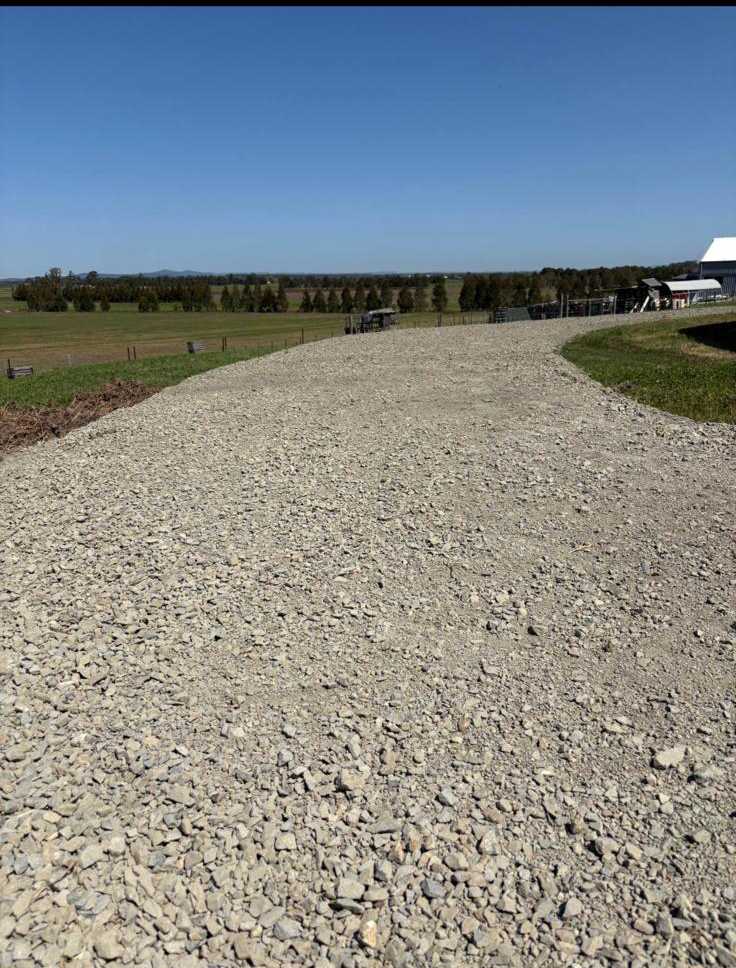
Bulk excavation is an important part of many construction, landscaping and property improvement projects. When a substantial amount of soil or other ground material needs to be removed, lowered or reshaped, the work needs to be planned around what the property will be used for afterwards.
For property owners searching for Bulk Excavation Cobbitty, the key question is not simply whether excavation machinery can reach the site. The more important consideration is how the earthworks should be carried out so the finished area is suitable for the next stage of the project.
That could mean preparing a building platform, creating space for landscaping, changing ground levels, preparing access, excavating for a pool or removing surplus material from a development site.
Bobby’s Bobcat Ground Levelling and Excavation provides excavation and earthmoving services across Sydney. Its service range includes bulk excavation, detailed excavation, ground levelling, driveway repairs, pool dig outs, sand and soil removal and site clearing.
This guide explains what bulk excavation involves, how to prepare a property, why access matters, how excavated material should be managed and what to consider before arranging excavation work in Cobbitty.
What Is Bulk Excavation?
Bulk excavation involves removing or reshaping a significant quantity of ground material to prepare an area for its intended purpose.
Depending on the property, the material may include soil, sand, clay, gravel or other ground material. The objective can range from lowering an area of land to creating a suitable construction platform or reshaping a large section of a property.
Unlike a small trench or isolated excavation, bulk earthworks generally affect a broader area. The work therefore needs to be considered as part of the overall project.
For example, a residential construction project may require a large area to be cut before foundations or a slab can be prepared. A landscaping project may need substantial earthworks before retaining walls, gardens, lawns, paths or outdoor living areas are installed.
A sloping property may also require controlled excavation before another contractor can begin work.
The objective should not simply be to remove as much material as possible. The excavation needs to produce the required shape, level and site condition for the next stage.
Bulk Excavation Compared With Other Excavation Work
The word excavation covers many different types of earthmoving.
A narrow trench for underground services has very different requirements from excavation across a building footprint. Pool excavation has its own dimensions and access considerations, while ground levelling focuses on achieving a suitable finished surface.
Bulk excavation is generally concerned with moving larger quantities of material across a broader area.
This means the planning process needs to consider:
- The size of the excavation area
- Required depth and finished levels
- Ground conditions
- Machinery access
- Available working space
- Material handling
- Loading and transport
- Nearby structures
- Underground and overhead services
- The requirements of the next contractor
Understanding these factors before work begins can help reduce unnecessary delays and unexpected changes.
Why Planning Matters for Bulk Excavation in Cobbitty
A property can appear straightforward from the street while presenting several practical challenges once machinery arrives.
A narrow driveway may restrict equipment access. A fence may need to be considered when positioning machinery. Trees, buildings and retaining structures can limit the available working area. Sloping ground can also affect machine movement and the way material is handled.
Another important consideration is where excavated material will go.
A large excavation can create a considerable quantity of spoil. If there is no suitable space to store it temporarily, arrangements may need to be made for loading and transporting it away.
Before excavation starts, discuss the following:
- What area needs to be excavated?
- What will the area be used for afterwards?
- What depth or level is required?
- How will machinery enter the property?
- Where will excavated material be placed?
- Does surplus material need to leave the site?
- Are there structures close to the work area?
- Have underground services been identified?
- Will another contractor begin work after excavation?
These details provide a much clearer picture of the project.
Common Projects That Require Bulk Excavation
Bulk excavation can be used for many different types of property work. The exact requirements depend on the design, ground conditions and intended use of the site.
Construction Site Preparation
Building projects often require an area of land to be cut or lowered before construction begins.
The excavation may form part of the preparation for a slab, foundation or construction platform.
In these situations, the required levels should come from the relevant plans, drawings or professional documentation rather than being estimated visually.
Large Landscaping Projects
Large landscaping projects can involve much more than planting and garden installation.
A property may need substantial earthworks before lawns, retaining walls, paths, outdoor entertaining areas or multiple garden levels can be constructed.
Bulk excavation can establish the broad shape of the site so the landscaping team can proceed with the next stage.
Ground Level Changes
Some properties contain sections that are significantly higher or lower than the proposed finished level.
Excavation can be used to lower high areas and reshape the property according to the project requirements.
However, changing ground levels can affect drainage, access, retaining requirements and neighbouring areas. These factors should therefore be considered before work begins.
Access Preparation
Some construction and property projects require improved access before other work can take place.
Earthworks may involve removing unsuitable material, reshaping a route or preparing an area for vehicles and machinery.
The finished access needs to work for the equipment and contractors that will use it during the following stages of the project.
Surplus Material Removal
Excavation can generate a large quantity of excess soil and other material.
If that material is not required elsewhere on the property, removal arrangements should be discussed before digging begins.
The NSW Environment Protection Authority provides guidance concerning excavated material and construction and demolition waste, including requirements relating to lawful transport and disposal.
Planning a Bulk Excavation Project Step by Step
A successful excavation project usually starts with planning rather than machinery.
Define the Intended Result
Begin by explaining what you want the excavated area to become.
For example, the purpose could be:
- A building platform
- A landscaped area
- A driveway
- A pool
- An access route
- A level outdoor area
- A development site
Knowing the final purpose helps determine the appropriate approach.
Establish the Excavation Area
The boundaries of the work should be clearly understood.
Marking the proposed area can help prevent unnecessary disturbance to nearby vegetation, structures or other parts of the property.
Plans, drawings, measurements and photographs can all help communicate the intended work.
Assess Site Access
Access is one of the most important practical considerations.
Before booking machinery, consider the width of the driveway or gate, overhead clearance, turning space, fences, trees, slopes and nearby structures.
If trucks will need to enter the property, their access requirements should also be considered.
Restricted access can influence the type of equipment that can be used and the order in which the work is completed.
Check Underground Services
Excavation should never begin on the assumption that underground services are absent.
SafeWork NSW advises that essential services information should be obtained before excavation work begins and refers excavation projects to Before You Dig Australia for underground asset information.
Before You Dig Australia provides a free referral service that allows people planning excavation to request information from relevant infrastructure owners.
This should be considered an important part of preparation before digging.
Decide What Happens to Excavated Material
Before excavation starts, determine whether the material will remain on the property or be removed.
If suitable material can be reused as part of the project, its intended location and use should be established.
If material needs to leave the property, clarify who is responsible for loading, transport and disposal.
The NSW EPA provides requirements and guidance concerning the management and lawful movement of excavated material.
Confirm Finished Levels
The required finished level should be clear before major excavation begins.
Construction projects may rely on architectural, engineering or surveying information. Landscaping projects may follow a landscape design. Driveways may require particular grades and drainage considerations.
Where precise levels are required, the appropriate qualified professional should establish them.
Coordinate With Other Contractors
Excavation is often only one stage of a larger project.
The next contractor could be a builder, concreter, landscaper, pool installer, driveway contractor or retaining wall specialist.
Knowing what the next contractor requires can help ensure the excavated area is left in a suitable condition.
Choosing Equipment for Bulk Excavation
The largest machine is not necessarily the most suitable machine.
Equipment selection depends on the size of the excavation, access conditions, ground material, available working space and project requirements.
Restricted Access
A large excavation area does not automatically mean large machinery can be used.
For example, a substantial backyard excavation may be located behind a narrow residential entrance.
The available access may determine which equipment can reach the area and how material can be moved.
Providing photographs and measurements of the access route can help when discussing the project.
Ground Conditions
Different materials can behave differently during excavation.
Loose soil, compacted clay, gravel, wet ground and harder materials can require different approaches.
Actual site conditions may also differ from what is expected before digging starts.
Attachments and Equipment
Depending on the task, different equipment and attachments may be used for digging, grading, loading and moving material.
The appropriate setup should be based on the work required rather than selecting equipment simply because it is larger.
Information to Provide When Requesting a Quote
A clear quotation starts with useful information.
When contacting an excavation contractor, provide as much relevant detail as possible.
This may include:
- Property location
- Intended purpose of the excavation
- Approximate dimensions
- Photographs
- Access information
- Gate measurements
- Nearby buildings or structures
- Existing slopes
- Available plans
- Expected ground material
- Whether material needs to be removed
- Timing requirements
- Details about the next contractor
You do not need to be an excavation expert to provide this information.
The purpose is simply to give the contractor enough context to understand the project.
Why Site Photographs Help
Photographs can show the property entrance, driveway, proposed excavation area, fences, buildings, slopes and possible loading locations.
Several clear images can provide useful information before a site visit.
However, photographs and approximate measurements should not be treated as a replacement for professional surveying where accurate levels or boundaries are required.
Understanding Site Levels
Ground levels are an important part of earthworks.
The purpose of excavation is often to create a surface at a particular elevation.
A property may appear relatively flat while still having differences in level that matter to construction or landscaping.
Why Visual Levelling Is Not Enough
The human eye is not a reliable method for establishing precise construction levels.
A surface that appears flat can still have a measurable fall.
Likewise, an apparently uneven area may have been intentionally designed to direct water or connect different parts of a property.
For projects requiring specific elevations, use the appropriate plans, survey information or professional measurements.
Cut and Fill
Earthworks may involve both cutting and filling.
Cutting involves removing material from a higher section.
Filling involves placing suitable material into a lower area.
Whether excavated material can be reused depends on its characteristics and the requirements of the project.
Material should not simply be relocated because there is space available. Its suitability, drainage characteristics, stability and intended purpose should be considered.
Bulk Excavation and Drainage
Changing ground levels can affect the way water moves across a property.
This makes drainage an important consideration during earthworks planning.
A newly excavated platform, slope or lower area can alter surface runoff.
Before work begins, consider:
- Existing drainage
- Proposed ground levels
- Surface runoff
- Nearby buildings
- Retaining structures
- Neighbouring properties
- Stormwater arrangements
The appropriate drainage solution depends on the individual site.
Where engineering or hydraulic design is required, the relevant qualified professional should provide the design and advice.
Managing Excavated Material
Material management can be one of the most significant practical issues during a large excavation.
A substantial excavation can produce more spoil than a property owner initially expects.
Planning material handling in advance helps prevent large quantities of soil being left without a suitable destination.
Can Excavated Material Stay on the Property?
In some circumstances, suitable material can remain on the property and form part of the project.
For example, material may be required for approved filling or landscaping work.
However, not all excavated material is automatically suitable for reuse.
The NSW EPA provides guidance concerning excavated natural material and conditions that may apply to its reuse.
When Material Needs to Be Removed
If surplus material needs to leave the property, transport and disposal should be discussed before excavation starts.
Ask whether the quotation includes:
- Loading
- Truck hire
- Transport
- Disposal
- Relevant disposal charges
Clarifying these details early can help prevent unexpected costs.
Unexpected Material
Excavation can sometimes uncover material that was not visible before digging.
This could include construction debris, contaminated soil or other unusual material.
Potentially hazardous or contaminated material should not automatically be handled as ordinary clean soil.
If unexpected material is discovered, the situation should be assessed appropriately before continuing with the affected work.
Safety Considerations for Bulk Excavation
Excavation and earthmoving involve significant machinery and ground disturbance, so proper safety planning is essential.
SafeWork NSW identifies risks associated with excavation and earthmoving activities including ground collapse, underground services, plant movement and machine rollover.
Keep People Away From Machinery
People who are not involved in the excavation should remain outside the active work area.
Children, visitors and other unauthorised people should not approach operating machinery.
Where appropriate, an exclusion area should be established around the work zone.
Underground Services
Striking an underground service can create serious risks to workers, the public and infrastructure.
That is why service information should be obtained before excavation.
Before You Dig Australia provides a free referral service for information about underground infrastructure.
Ground Stability
Ground conditions can change during excavation.
Slopes, deep excavations, trenches, nearby structures and wet conditions can create additional hazards.
SafeWork NSW notes that high risk construction work requirements can apply to certain excavation activities, including trenches deeper than 1.5 metres and work involving specified services or powered mobile plant.
The relevant WHS requirements should be assessed for the specific project.
Overhead Services
Overhead powerlines also need to be considered when mobile plant is operating.
Equipment height, boom movement and the location of the work area should be assessed before machinery arrives.
SafeWork NSW provides guidance concerning work near overhead powerlines.
What Can Affect the Cost of Bulk Excavation?
There is no single price for bulk excavation in Cobbitty.
The cost can vary considerably between properties because the conditions and scope of work are different.
Excavation Volume
The amount of material being removed is an obvious factor.
A larger quantity generally means more excavation and material handling.
Site Access
Restricted access can affect productivity and equipment selection.
A machine may need to operate within a confined area or material may need to travel through a narrow access route.
Ground Material
Clay, compacted ground, loose soil, gravel and harder materials can require different approaches.
Unexpected ground conditions can also change the scope.
Material Removal
If excavated material must leave the property, transport and disposal can form a significant part of the overall project cost.
Site Conditions
Slopes, vegetation, existing structures, wet conditions and other constraints can influence how efficiently the work can be completed.
Required Finish
There is a difference between removing a large quantity of material and preparing a surface to a specific level for another contractor.
When requesting a quotation, explain the required finished condition rather than only describing the amount of soil you expect to remove.
How to Compare Excavation Quotes
When comparing quotations, look at the scope rather than the headline price alone.
Check whether the quotation includes:
- Excavation
- Machine operation
- Loading
- Material movement
- Transport
- Disposal
- Final grading
- Site clean-up
- Additional work if unexpected material is found
Two quotes may appear different simply because one includes services that the other treats separately.
Ask questions if anything is unclear.
It is much easier to compare quotations when the scope is clearly defined.
Preparing a Cobbitty Property for Excavation
A few practical steps can make excavation day easier.
Clear the Work Area
Move vehicles, garden furniture, equipment and unnecessary items away from the excavation zone.
Protect anything that must remain.
Prepare Access
Make sure gates and access routes are available when machinery arrives.
Remove obstacles that could prevent safe movement.
Keep People Away
Children, visitors and pets should remain away from active excavation and machinery.
Keep Plans Available
If you have site plans, drawings, surveys or measurements, keep them available for discussion.
Organise Material Handling
Decide whether excavated material will stay on site or be transported elsewhere.
Communicate Changes
If the excavation area, project design or access arrangements change before the work starts, tell the contractor.
Even a change in excavation location can affect equipment selection and material volumes.
Bulk Excavation for Landscaping
Large landscaping projects often require substantial groundwork before the visible landscaping begins.
Lawns, gardens, paths, retaining walls and outdoor entertaining areas may all depend on the underlying ground being correctly shaped.
Creating Multiple Levels
A large backyard may include several different areas.
One section may be designed as a lawn while another becomes an entertaining area. Paths may connect these spaces and retaining structures may separate different elevations.
The excavation therefore needs to follow the overall landscaping design.
Retaining Structures
Significant changes in ground level may require retaining structures.
The design and structural requirements for retaining walls should be handled by the relevant qualified professional where required.
The excavation can then be carried out according to the agreed project requirements.
Bulk Excavation for Construction
Construction projects often require carefully prepared ground before building work begins.
The excavation may create the formation level or platform required for the structure.
The exact requirements should come from the relevant project documentation.
Coordinate With the Builder
The builder or other construction professional should be clear about the required excavation levels and finished condition.
They may also need clear access around the excavation for subsequent work.
Discussing these requirements before excavation begins can reduce the chance of unnecessary rework.
Bulk Excavation for Driveways
Driveway projects can involve considerable groundwork before the final surface is installed.
An existing area may need to be lowered, reshaped or prepared before the driveway base and surface are constructed.
Bobby’s Bobcat also provides driveway repair services as part of its broader groundwork services.
The excavation should be coordinated with the proposed driveway design, levels and drainage requirements.
Why Ground Preparation Matters
The finished driveway is more than the visible surface.
The underlying ground and base preparation form part of the overall construction process.
The correct preparation depends on the driveway material, site conditions and project specifications.
Bulk Excavation for Pool Projects
Pool excavation requires close coordination with the pool project.
The pool design determines the required excavation dimensions and shape.
Access also needs to be considered because machinery must reach the proposed pool area.
Plan for Excavated Material
Pool excavation can generate a significant amount of spoil.
Before work begins, determine whether the material will remain on the property or needs to be transported away.
If it is leaving the property, clarify loading, transport and disposal arrangements in advance.
The Importance of Practical Excavation Experience
Excavation involves more than operating machinery.
The operator needs to consider access, machine positioning, material movement, ground conditions, nearby structures and the sequence of work.
Practical experience can help with these day to day decisions.
At the same time, practical experience should work alongside project documentation, professional advice and applicable safety requirements.
Every site is different, so excavation should be planned around the actual property rather than based solely on assumptions.
Questions to Ask Before Booking Bulk Excavation in Cobbitty
Before arranging excavation, consider asking:
What Is Included in the Quote?
Clarify whether excavation, loading, transport, disposal, grading and clean-up are included.
What Information Do You Need From Me?
Ask whether the contractor needs photographs, plans, measurements or other project information.
Can the Machinery Access My Property?
Discuss gates, driveways, slopes, overhead obstacles and working space.
What Happens to the Excavated Material?
Confirm whether material stays on site or is transported away and who handles the arrangements.
What Happens if Unexpected Material Is Found?
Ask how additional work or unusual ground conditions will be handled.
What Finished Level Is Required?
Make sure the required level comes from the relevant project documentation where precise levels are necessary.
When Can the Work Begin?
If another contractor is scheduled afterwards, coordinate the timing so the site is ready for the next stage.
How People Search for Bulk Excavation in Cobbitty
Property owners do not always search using one exact phrase.
Someone planning earthworks might search:
“Who provides bulk excavation near Cobbitty?”
“How much does bulk excavation cost?”
“What does bulk excavation include?”
“Can excavated soil be removed?”
“Do I need to check underground services before digging?”
“What machinery is used for large earthworks?”
“Can excavation prepare land for construction?”
“What should I do before excavation?”
These questions reflect the practical concerns people have before starting earthworks.
A useful excavation resource should therefore provide clear information about planning, access, safety, material handling, pricing factors and project coordination.
When Should You Arrange Bulk Excavation?
Bulk excavation is generally arranged before the construction, landscaping or property improvement stage that depends on the prepared ground.
The exact timing depends on the project.
For a building project, excavation may need to occur before foundation work.
For landscaping, earthworks may need to be completed before retaining structures, paving or planting.
For a driveway, excavation and preparation may come before the base and final surface.
For a pool, excavation forms an early stage of the pool construction process.
The important point is to coordinate the earthworks with the overall project schedule.
A Practical Bulk Excavation Checklist
Before excavation begins, review the following.
Project
- What is the excavation for?
- What area needs to be excavated?
- What finished level is required?
- Are plans or drawings available?
- What work follows the excavation?
Access
- Can machinery reach the site?
- What is the gate width?
- Is there enough turning space?
- Are trees or fences restricting access?
- Are overhead obstacles present?
- Can trucks access the property?
Services
- Have underground services been identified?
- Has the relevant Before You Dig Australia information been obtained?
- Are overhead powerlines nearby?
Material
- What ground material is expected?
- Approximately how much material will be removed?
- Can suitable material remain on site?
- Does surplus material need to be transported away?
- Who is responsible for disposal?
Safety
- Will people be kept away from operating machinery?
- Are nearby structures relevant to the excavation?
- Could ground conditions create additional risks?
- Are weather conditions suitable?
- Are additional WHS requirements applicable?
Coordination
- Who will work after excavation?
- What finished condition do they require?
- When do they need the site?
- Does the excavation need to be inspected or measured before the next stage?
Frequently Asked Questions About Bulk Excavation Cobbitty
What is bulk excavation?
Bulk excavation involves removing or reshaping a substantial quantity of ground material to prepare a property for construction, landscaping, access, development or another project.
How is bulk excavation different from detailed excavation?
Bulk excavation generally focuses on moving larger quantities of material across a broader area. Detailed excavation is more focused on controlled excavation around particular dimensions, depths or project requirements.
Do I need to check underground services before excavation?
Yes. Underground services should be identified before excavation begins. SafeWork NSW advises that essential services information should be obtained before excavation work starts.
Can excavated soil be reused on my property?
It may be possible when the material is suitable and the proposed reuse complies with the relevant requirements. The suitability of excavated material should be assessed rather than assuming all soil can be reused.
Does bulk excavation include soil removal?
It can, depending on the agreed scope. Excavation, loading, transport and disposal may be separate components, so these details should be confirmed when requesting a quotation.
How much does bulk excavation cost in Cobbitty?
There is no standard price because the cost depends on excavation volume, access, ground conditions, machinery requirements, material handling, transport and disposal.
Can bulk excavation prepare land for construction?
Yes. Bulk excavation can be used to create a suitable formation level or construction platform where the project requires substantial ground removal or reshaping.
Can bulk excavation be used for landscaping?
Yes. Major landscaping projects may require earthworks before lawns, gardens, paths, retaining structures and outdoor areas can be installed.
Can bulk excavation be carried out on sloping land?
Excavation can be used on sloping properties, but the effect on ground stability, drainage, access and nearby structures needs to be considered as part of the project planning.
What should I provide when requesting a quote?
Useful information includes the property location, intended project, approximate dimensions, photographs, access details, available plans and whether excavated material needs to be removed.
What happens if unexpected material is found?
Unexpected material should be assessed before it is treated as ordinary soil. If potentially contaminated or hazardous material is discovered, appropriate advice should be obtained before continuing with the affected work.
How long does bulk excavation take?
The duration depends on the size of the excavation, equipment access, ground conditions, material volume, weather, loading arrangements and disposal requirements. A site specific assessment is more useful than a general timeframe.
Planning Your Bulk Excavation Project in Cobbitty
Bulk excavation is most effective when it is treated as one part of the wider property project.
The objective is not simply to remove soil.
The aim is to leave the property in a condition that allows the next stage of work to proceed safely and efficiently.
That means understanding the intended result, establishing the required levels, checking machinery access, identifying underground services, planning material handling and coordinating with the contractors who will follow.
For property owners planning excavation in Cobbitty, providing clear information at the beginning can make the quotation and planning process much easier.
Share the approximate excavation area, explain what the finished space will be used for, provide photographs of the property and access, and mention whether excavated material needs to be removed.
You can explore Bobby’s Bobcat excavation and earthmoving services to see the broader range of groundwork services available, including excavation, ground levelling, site clearing and material removal.
If you are planning Bulk Excavation Cobbitty for a construction project, landscaping work, driveway preparation, pool project or another property improvement, you can contact Bobby’s Bobcat Ground Levelling and Excavation to discuss the requirements of your site.
The more clearly the project scope is understood before machinery arrives, the easier it becomes to plan the excavation around the finished result.