Bobcat Excavation The Oaks: A Practical Guide to Digging, Clearing and Preparing Your Land
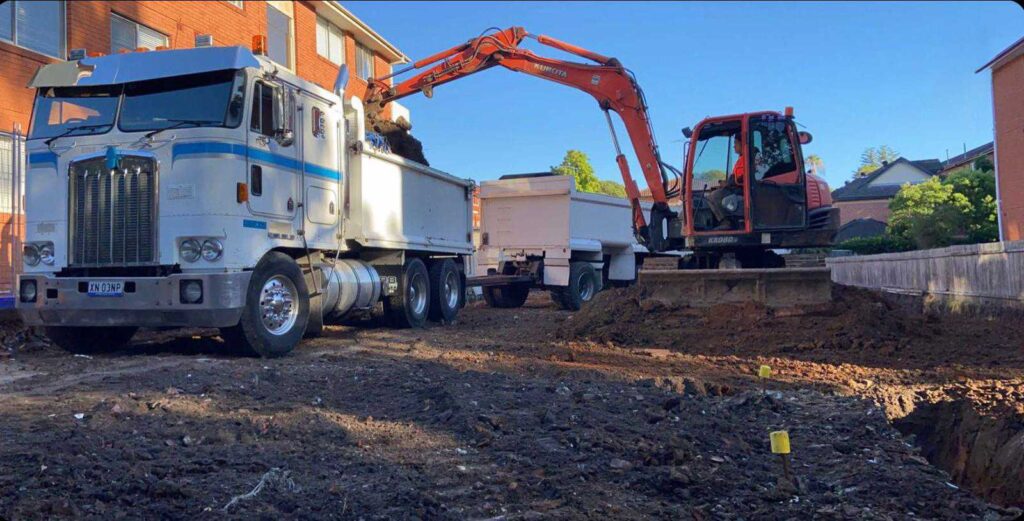
Every property in The Oaks has a story that starts with the ground. Some blocks need a pad for a new shed. Others need a trench for drainage, a dam cleaned out or an overgrown paddock brought back into use. In each case, the right machine and the right operator make the difference between a tidy result and an expensive headache.
That is why Bobcat excavation The Oaks landowners search for is more than a machine hire enquiry. It is really about getting accurate and careful groundwork done on rural residential land with limited access and variable soil. Bobby’s Bobcat Ground Levelling and Excavation provides professional earthmoving, excavation and site preparation with 9 years of industry experience. Throughout this guide, you will learn what compact machine excavation involves, why local conditions matter and what affects cost. You will also see which rules apply and how to choose a contractor you can trust.
Quick Answer: What Is Bobcat Excavation in The Oaks?
Bobcat excavation uses compact machinery to dig, move, level and remove soil on residential and rural properties. In The Oaks, it commonly covers trenching, footings, pool digs, site clearing, dam cleaning, driveway preparation and ground levelling. Compact machines suit the area because many blocks have narrow gates, sloping ground and delicate lawns or gardens that larger equipment could damage.
Key Takeaways
- Compact machines reach places that full sized excavators cannot, so they suit most residential and semi rural jobs.
- The Oaks has a mix of acreage, sloping land and bushland edges, which influences machine choice and planning.
- Costs depend on access, soil, depth, volume, disposal and the finish you need.
- Underground services must be checked before any digging begins.
- Bushfire awareness and weather timing matter more here than in a typical suburb.
- A written scope and honest communication protect you from surprises.
What Bobcat Excavation Actually Means
Bobcat started as a brand name, yet many Australians now use the word for any compact loader or small digger. In everyday conversation, people asking for a Bobcat usually want a small and nimble machine with an operator who can dig, scoop, spread and carry material efficiently.
Skid Steer Loaders
A skid steer loader is a compact machine that turns by driving its wheels or tracks at different speeds. As a result, it can pivot in a very small space. It excels at scooping, carrying, levelling and spreading soil, sand and gravel. Furthermore, it can take a range of attachments that change what the machine can do.
Mini Excavators
A mini excavator has a digging arm and a rotating cab. Because of this, it digs deeper trenches and holes with more precision than a loader can. Many contractors use both machine types depending on the task. For instance, a loader might spread and level a pad while a mini excavator digs the footings beside it.
Which One Do You Need?
The answer depends on your job. Wide and shallow work such as levelling, clearing and spreading suits a loader. Deep and narrow work such as trenches, pits and pool shells suits a digger. Therefore, describe your project clearly and let the operator recommend the right equipment. If you are unsure, ask what the team can supply for your site.
Bulk and Detailed Work
Excavation splits into two broad types. Bulk excavation removes large volumes of earth for major construction or landscaping. Detailed excavation covers precise digging for footings, trenches, drains and small pads. You can read about each on the Bulk Excavation and Detailed Excavation pages.
Why The Oaks Needs a Careful Approach
The Oaks is a small township in Wollondilly Shire, southwest of Sydney. Nearby places include Oakdale, Werombi, Theresa Park, Picton, Buxton and Warragamba. The area blends rural residential lots, small farms, horse properties and bushland edges. Consequently, excavation here often looks different from a typical suburban job.
Larger Blocks and Longer Access
Many properties sit well back from the road behind long driveways. In addition, gates can be narrow and driveways soft after rain. Therefore, machine size and delivery method matter. Compact equipment is often the safest choice because it reduces the risk of bogging or damaging access tracks.
Variable Soil
Soil in the wider district changes from one block to the next. Some areas have clay rich soil that holds water and turns sticky when wet. Others have sandier or shallower ground over rock. Because conditions vary, an early ground check saves money. An honest operator will tell you if hard material is likely before the quote is finalised.
Sloping Land
Gentle to moderate slopes are common. For example, a flat shed pad may need cutting into the high side and filling or retaining the low side. Similarly, driveways need careful grading so water does not scour the surface. Good planning here prevents erosion and slumping later.
Bushland and Fire Risk
Many properties border bush or open grassland. As a result, vegetation management is part of responsible land care. The NSW Rural Fire Service shares property preparation guidance at rfs.nsw.gov.au. Meanwhile, clearing and grading can improve access for emergency vehicles and reduce fuel near buildings.
Dams, Creeks and Drainage
Rural land often includes dams and natural drainage lines. Earthworks change how water flows, so any work near these features needs extra thought. Moreover, silt and debris can wash into waterways if soil is left bare. Stabilising disturbed ground protects both your property and the environment.
What a Compact Machine Can Do on Your Property
Compact equipment is versatile. However, the results depend heavily on the operator and the attachments used. The following list covers the main tasks people book for.
Digging and Trenching
Trenches carry drainage pipes, water lines, electrical conduit and irrigation. A narrow trench limits disturbance to lawns and gardens. Consequently, it is often faster and neater than using a larger machine.
Footings and Pads
Building work needs accurate excavation for footings and level pads. The operator digs to the required depth and width. Afterwards, the base can be trimmed and compacted so the builder can proceed with confidence.
Levelling and Grading
Uneven yards, paddocks and driveways can be reshaped to a consistent grade. In addition, proper falls move water away from buildings. To learn more, visit the Ground Levelling page.
Loading and Carrying
Loaders move soil, sand, mulch and gravel quickly. Instead of carrying material by hand, you can have it delivered and spread in a fraction of the time.
Clearing and Cleaning Up
Compact machines pull stumps, push debris into piles and load waste for removal. Similarly, they help tidy neglected corners of a property. See the Site Clearing and Clean Ups page for more.
Attachments
Many compact machines can use augers, trenchers, grading buckets and other tools. Because attachments differ between operators, ask what is available before you book. That way, you can match the tool to the task rather than forcing the wrong one.
Bobcat Excavation The Oaks Property Owners Book Most Often
Different properties need different services. Below are the most common jobs, with a plain explanation of each.
Pool Dig Outs
A pool excavation must match the shell dimensions, depth and shape. It also produces a large volume of soil that needs a plan. In tight backyards, a compact machine fits where bigger ones cannot. For details, read the Pool Dig Outs page.
Concrete Site Preparation
A slab performs only as well as the base beneath it. Preparation includes excavating, levelling, removing unsuitable material and preparing a firm base. Otherwise, cracking and settling often follow. The Concrete Site Preparation page explains the process.
Driveway Repairs and Road Base
Long rural driveways take a beating from vehicles and rain. Repair work removes failed material, corrects the base and reshapes the surface. In the same way, new tracks need a stable foundation. Visit the Driveway Repairs and Road Base and Gravel Works pages.
Dam Clearing and Maintenance
Dams collect silt, weeds and debris over time. Consequently, they lose capacity and become harder to manage. Cleaning restores depth and improves water holding. Read more on the Dam Clearing and Maintenance page.
Bush and Shrub Clearing
Overgrown vegetation limits usable space and can create safety issues. Selective clearing keeps what you want and removes what you do not. See the Bush and Shrub Clearing page.
Sand and Soil Removal
Projects often produce surplus soil or sand. Removing it keeps the site clear for other trades. For more, visit the Sand and Soil Removal page.
Free Soil Delivery
Sometimes a project needs fill instead. Low areas and garden beds can benefit from delivered soil. The Free Soil Delivery page explains how this works.
You can browse everything together on the main Services page.
How a Bobcat Excavation Job Runs From Start to Finish
Knowing the process helps you ask the right questions. A well run job normally follows the steps below.
Step 1: Explain the Goal
First, describe what the finished ground must do. You might need a trench for pipes, a pad for a shed or a cleaned dam. Photos, sketches and measurements help the contractor understand the task quickly.
Step 2: Inspect the Site
Next, the contractor reviews access, slope, soil and obstacles. Hidden problems such as tree roots, soft ground and old rubbish often appear at this stage. As a result, you can solve them before they cost extra on the day.
Step 3: Receive a Clear Quote
A good quote lists inclusions, exclusions and possible variations. It also explains how spoil will be handled. Consequently, both sides start with the same expectations.
Step 4: Mark Out and Check Services
Before digging, the area is marked and underground services are checked. Levels and boundaries are confirmed as well. Trees, septic areas and irrigation lines are identified so they stay protected.
Step 5: Do the Work
The operator then digs, moves and shapes soil to the agreed levels. Progress is checked regularly against the plan. Because accuracy matters, the work happens in controlled passes rather than one rushed effort.
Step 6: Compact and Finish
Where needed, material is compacted in layers and the surface is trimmed. Drainage falls are checked so water moves away from buildings. Afterwards, topsoil can be spread where lawns or gardens are planned.
Step 7: Clean Up and Handover
Finally, loose material is cleared and access areas are tidied. You walk the site with the operator and confirm the work matches the agreement. A tidy handover is a clear sign of professional standards.
Get Your Free Quote for The Oaks
Ready to move ahead? Send the details of your site through the Free Quote page, and the team will help you choose the right approach. If you prefer to talk first, call 0449 993 438. Calls are welcome at any time, and working hours run from 7 AM to 5 PM, Monday to Sunday.
What Affects the Cost of Bobcat Excavation
Price varies because no two sites are the same. Nevertheless, a handful of factors explain most differences.
Size and Depth
Larger areas and deeper cuts need more machine hours. Therefore, a shallow trench costs far less than a full pool excavation.
Soil and Rock
Loose sandy soil digs quickly. Clay, on the other hand, can be heavy and sticky. Rock slows progress and may need different equipment, so an early ground check matters.
Access
Narrow gates and soft driveways limit machine size. In turn, the job may take longer. Clear and firm access often reduces cost.
Spoil Removal
Digging produces material that has to go somewhere. Volume, distance and material type all influence the price. In some cases, soil can be reused on your own land, which reduces removal needs.
Soil that is contaminated or classified as special waste is handled differently. The NSW Environment Protection Authority explains waste rules at epa.nsw.gov.au.
Vegetation and Obstacles
Trees, stumps, old fences and buried debris add time. For that reason, an overgrown site usually costs more to prepare than a clean paddock.
Finish Required
A rough clean up costs less than a precisely trimmed and compacted pad. So, be clear about the result you need.
Weather and Timing
Wet ground slows machines and can make sites unsafe. Flexible dates therefore reduce risk and often cost.
Why a Free Quote Is Fairer
A quote based on photos and a clear description is the most honest way to understand price. In contrast, any figure given without knowing your access, soil and volume is only a guess.
Rules and Approvals to Check First
Many small jobs are straightforward. Even so, some projects trigger rules you should confirm before work begins. This section offers general information only, so always check your own situation.
Council and Planning
The Oaks falls within Wollondilly Shire. Depending on the works, you may need approval for large earthworks, retaining walls, pools, sheds or tree removal. Start with Wollondilly Shire Council to see what applies. Additionally, the NSW Planning Portal explains approval pathways across the state.
Vegetation and Bushland
Clearing native vegetation may be regulated, especially near bushland or waterways. Because rules vary, confirm what is allowed before any clearing starts.
Drainage and Neighbours
Earthworks change how water moves. Consequently, you should make sure your work does not send water onto a neighbour. Sensible grading protects your boundary and your relationships.
Engineering Advice
Deep cuts, steep slopes and tall retaining walls may need an engineer. In those cases, a contractor who recommends professional advice is looking after you.
Safety and Underground Services
Safety matters on every excavation job. It protects your household, your neighbours and the people operating the machine.
Check Before You Dig
Underground gas, water, power, sewer and communications lines can sit closer to the surface than expected. Striking one can cause injury and costly repairs. Therefore, submit an enquiry through Before You Dig Australia before any digging begins.
Work Health and Safety
Machines can roll or strike people, and trenches can collapse. Fortunately, safe systems of work, exclusion zones and skilled operators reduce these risks. SafeWork NSW publishes information about safety duties in the state.
Keep Children and Pets Clear
Machinery has limited visibility, and freshly cut edges can be unstable. For that reason, keep children and pets well away from the work area until the job is finished.
Protect Trees and Structures
Digging near tree roots, fences or footings can cause damage. So, ask your contractor how they will protect the features you want to keep.
How to Choose a Bobcat Excavation Contractor
The operator matters as much as the machine. With that in mind, use the checks below before you hire anyone.
Look for Genuine Experience
Years in the industry show that a business has faced many soil types and site problems. Bobby’s Bobcat has 9 years of experience across earthmoving, excavation and site preparation. You can learn more on the About Us page.
Review Completed Work
Photos help you judge quality. Browse the Gallery to see examples of finished sites.
Expect Clear Communication
You should receive straight answers and updates as the job progresses. Responsiveness before the job is usually a good predictor of behaviour during it.
Ask About Insurance and Safety
Ask about public liability insurance and how the business manages safety on site. If a builder or insurer needs proof, request it in writing.
Get the Scope in Writing
A written quote should list inclusions, exclusions and how variations are handled. As a result, both sides are protected.
Watch for Warning Signs
Be cautious if a price looks very low but the scope is vague. Likewise, avoid anyone who dodges questions. Cheap work that has to be redone rarely saves money.
Preparing Your Property Before the Machine Arrives
A little preparation makes the day run smoothly. Here is a simple checklist in plain language.
First, clear vehicles, trailers and loose items from the work area and access path. Second, mark anything that must be protected such as garden beds, irrigation lines, septic systems or trees. Third, confirm gate widths and mention low branches or tight corners. Fourth, share what you know about buried pipes or cables. Finally, decide where surplus soil should go and make sure someone can answer questions on the day.
In addition, let neighbours know when noisy work will happen. Overall, good information leads to fewer surprises and faster progress.
Weather, Fire Season and Timing in The Oaks
Weather shapes earthmoving more than most people expect. For example, heavy rain turns clay into a slippery mess and machines can bog. Trenches may also fill with water and delay concrete or pool installation.
On the other hand, dry periods make ground easier to work but can create dust. Hot and windy days raise fire danger, which affects what work is sensible near dry grass and bush. Therefore, check forecasts with the Bureau of Meteorology and stay flexible with dates. Moreover, if other trades follow the excavation, coordinate schedules so open trenches and bare ground are not left exposed for long.
Erosion and Drainage After Digging
A neat trench or pad can still fail if water is ignored. In fact, drainage is often what separates lasting work from work that needs redoing.
Set Falls Away From Buildings
Ground around a house or shed should slope gently away from the walls. This direction moves rain away from footings. Otherwise, water collects against the structure and causes damp or movement.
Plan Where Water Goes
Water leaving your work area needs a safe destination. For instance, it might flow to a swale, a table drain or a lower paddock. Importantly, it should never be sent onto a neighbour without careful thought.
Stabilise Bare Soil
Freshly disturbed soil washes away easily in heavy rain. As a result, mulch, grass seed or gravel is a sensible finishing step. Besides that, protecting drains and dams from silt avoids downstream problems.
Common Mistakes With Bobcat Excavation
Learning from other people’s errors can save real money. The most frequent problems are listed below.
Skipping the Services Check
This mistake carries the highest risk. Hitting a buried line can injure people and cause expensive repairs.
Underestimating Spoil
A small looking hole can produce a surprising volume of soil. So, plan removal or reuse from the beginning.
Ignoring Drainage
A neat pad that floods a shed is a poor result. Because of this, always plan falls and outlets.
Rushing Compaction
Loose fill settles over time. Consequently, slabs crack and driveways sink.
Choosing on Price Alone
The lowest figure often hides gaps in the scope. In contrast, a clear written quote and a reliable operator usually deliver better value.
Forgetting Approvals
Skipping council checks can lead to delays or fines. Therefore, confirm requirements early.
Leaving Bare Soil Exposed
Rain can wash loose soil into drains and dams. Accordingly, stabilise the surface soon after the work.
Project Examples: How These Principles Apply
The ideas above become clearer when you see them in real situations.
A Shed Pad on a Sloping Block
The owner wants a flat area for a large shed. The operator cuts into the high side and uses the spoil to build up the low side. Then the pad is compacted and graded with a gentle fall for drainage. In the end, the shed sits square and dry.
A Backyard Pool With Narrow Access
The side gate is too narrow for a large excavator. Instead, a compact machine digs the pool shell and loads soil into trucks parked on the street. Meanwhile, the lawn is protected with ground cover. As a result, disruption stays low.
A Silted Farm Dam
Years of runoff have reduced the dam to a shallow pond. The operator removes silt carefully without damaging the wall. Afterwards, spoil is spread in a suitable area away from the water. Water holding improves noticeably.
A Washed Out Rural Driveway
Heavy rain has cut channels through the gravel. The operator reshapes the surface, adds a cross fall and lays fresh road base. Therefore, water now sheds to the sides instead of running down the middle.
A Neglected Block Ready for Building
Weeds, rubbish and old stumps cover the site. First, everything is cleared and removed. Next, levels are checked and the ground is prepared for design and building. Eventually, the owner can see the real potential of the land.
Quick Answers for Voice Search and AI Assistants
Many people now ask spoken questions on their phones or through AI tools. Here are short and direct answers.
Who offers Bobcat excavation in The Oaks?
Bobby’s Bobcat Ground Levelling and Excavation provides excavation, levelling and site preparation with 9 years of experience. Contact the team to confirm availability for your address.
What can a Bobcat dig?
A compact machine can dig trenches, footings, small pads and pool shells depending on the model and attachments. Deeper or larger jobs may need a bigger excavator.
Is a Bobcat better than a full sized excavator?
For tight access, lawns and small to medium jobs, a compact machine is usually better. For deep cuts and huge volumes, a larger excavator may be faster.
What hours does Bobby’s Bobcat work?
Working hours are 7 AM to 5 PM, Monday to Sunday. Local noise rules and council conditions may also apply.
Frequently Asked Questions About Bobcat Excavation in The Oaks
What is Bobcat excavation used for?
Bobcat excavation covers digging, trenching, levelling, clearing, loading and soil removal using compact machinery. Homeowners, builders, landscapers and rural landowners use it for pads, pools, drainage, driveways and dams. Compact machines are especially useful where access is tight or lawns need protection.
Do I need council approval before excavation in The Oaks?
It depends on the scale and purpose of the work. Minor jobs may need nothing, whereas pools, large earthworks, retaining walls or tree removal can require approval. Check with Wollondilly Shire Council or the NSW Planning Portal before starting.
How much does Bobcat excavation cost?
Cost depends on area, depth, soil type, access, spoil removal and the finish required. Rock and tight access raise the price, while open access and reusable soil keep it lower. A free quote based on photos gives the most reliable figure.
How long does an excavation job take?
A small trench or levelling job can take a few hours, whereas a pool dig or block clearing may take a day or more. Weather, rock and spoil removal can extend the timeline. Ask your contractor for an estimate that reflects your site.
Can a compact machine work on a sloping block?
Yes, though planning is essential. Sloping land usually needs cutting into the high side and filling or retaining the low side. Steeper sites may need engineering advice, so ask early.
What should I do before the machine arrives?
Check underground services through Before You Dig Australia, then clear the work area and access path. Mark items to protect and confirm any council requirements. Also decide what will happen to surplus soil.
Can you prepare a site before concreting?
Yes. Concrete site preparation includes excavation, levelling, removal of unsuitable material and base preparation. A firm and correctly graded base reduces cracking and settling. Tell your contractor the slab size and use so the base suits the load.
Do you handle both small and large excavation jobs?
Yes. Bobby’s Bobcat provides detailed excavation for precision work and bulk excavation for larger earthmoving projects. Share your plans and the team can recommend the right approach.
Ready to Book Bobcat Excavation in The Oaks?
Good groundwork supports everything you build, plant or install afterwards. Once you understand the machines, the local conditions and the cost drivers, you can plan wisely and avoid the usual traps. With that knowledge, choosing Bobcat excavation The Oaks property owners can rely on becomes much easier.
Bobby’s Bobcat Ground Levelling and Excavation offers 9 years of experience, a straightforward process and careful work on every site. To see what the team has completed, browse the Gallery, read the FAQ page or explore more articles on the Blog.
When you are ready, tell the team about your site through the Contact Us page or call 0449 993 438 to talk through your access and the work required. You can also request a free quote and receive clear next steps without pressure.