Land Clearing South Maroota: Professional Site Clearing for Safe and Usable Properties
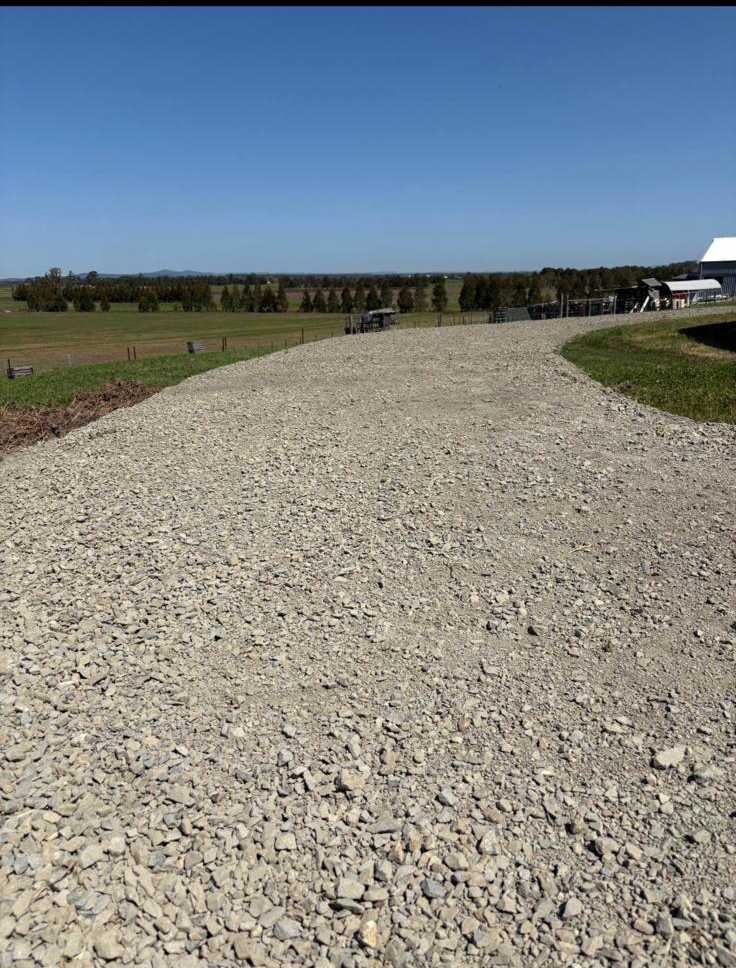
Land clearing South Maroota can be an important first step when a property needs to be prepared for construction, landscaping, access improvements, fencing, agriculture or other land use changes. Overgrown vegetation, fallen branches, unwanted trees, thick undergrowth, old vegetation and accumulated organic material can make a property difficult to access and harder to develop.
Professional land clearing does more than remove vegetation. A well planned clearing process considers the existing terrain, soil conditions, drainage, access, underground services, nearby structures, environmental requirements and the intended use of the property. These factors help determine what equipment should be used and how the work should be completed.
South Maroota properties can present different site conditions from one block to another. Some properties have established vegetation and uneven ground while others may have restricted access, sloping sections or areas that require careful clearing around existing structures. For this reason, land clearing should begin with an assessment of the property rather than simply sending machinery onto the site.
Bobby’s Bobcat Ground Levelling and Excavation provides earthmoving and site preparation services for property owners who need practical groundworks before their next project. Land clearing can be coordinated with excavation, ground levelling, soil removal and other site preparation requirements where the project calls for it.
If you are planning land clearing in South Maroota, understanding the process can help you prepare your property properly and avoid unnecessary delays.
What Is Land Clearing?
Land clearing involves removing unwanted vegetation, organic material, debris and other obstacles from an area so the land can be used for its intended purpose.
Depending on the property, clearing may involve removing:
Trees that are approved for removal
Small vegetation and shrubs
Dense undergrowth
Fallen branches
Dead vegetation
Tree roots and stumps where required
Organic debris
Overgrown grass and weeds
Loose material
Old site debris
Unwanted vegetation around access areas
The exact scope depends on what the property owner wants to achieve. A site intended for a new driveway may only require a narrow access area to be cleared. A larger construction project may require broader site clearing before excavation and ground preparation begin.
Land clearing should also account for vegetation that needs to remain. Not every tree or plant on a property should automatically be removed. Existing vegetation may provide privacy, shade, habitat or erosion protection.
A professional approach therefore starts by identifying the clearing area and separating vegetation that should remain from material that can be removed.
Why Land Clearing Matters Before Construction
Construction projects require a workable site.
Builders need suitable access for machinery, materials and workers. Surveyors need clear areas to establish reference points. Excavation contractors need space to operate equipment safely. Ground levelling also becomes easier when unwanted vegetation and debris no longer obstruct the work area.
Without proper clearing, vegetation can interfere with:
Site access
Excavation
Ground levelling
Driveway construction
Drainage works
Building set out
Material deliveries
Machinery movement
Fencing
Landscaping
Pool excavation
Utility installation
For example, a property owner planning a new shed may first need access through an overgrown section of the block. Clearing that section can allow machinery to reach the proposed work area.
Similarly, a driveway project may require vegetation removal before the driveway alignment can be established.
Land clearing therefore often forms part of a larger site preparation process rather than acting as an isolated task.
Land Clearing South Maroota for Different Property Projects
Property owners request land clearing for many different reasons.
A residential block may require clearing before construction of a new home. Another property may need vegetation removed before installing a driveway or shed. Some owners may want to reclaim an overgrown section of land for landscaping or usable outdoor space.
Common applications include:
New home construction
Driveway preparation
Shed construction
Rural property improvements
Access tracks
Fencing preparation
Landscaping
Pool projects
Drainage preparation
Site preparation
Ground levelling
Earthmoving projects
Property maintenance
The required equipment and clearing method depend on the project.
A small residential area may require controlled machinery work with careful attention to nearby structures. A larger rural property may require more extensive vegetation removal and material management.
Before work starts, the intended end result should be clearly established. This helps the operator determine how much vegetation should be removed and what should happen to the material afterwards.
How Professional Land Clearing Works
A professional land clearing project usually begins with an assessment of the site.
The operator considers the size of the clearing area, vegetation density, ground conditions, access and nearby hazards. The intended use of the land also influences the clearing approach.
Once the scope is understood, the work can proceed in a controlled sequence.
Site Assessment
The first step involves looking at the property and identifying the area that needs clearing.
The assessment may consider:
Site access
Ground slope
Vegetation density
Existing trees
Structures
Fences
Driveways
Drainage
Overhead services
Underground services
Soft ground
Potential hazards
Machinery access
Material storage areas
A clear understanding of the site helps reduce unnecessary disturbance.
Planning Machinery Access
Machinery needs a safe route into and around the clearing area.
Restricted access can become a major consideration on residential and rural properties. Narrow gates, fences, steep sections and existing structures may limit where machinery can travel.
The operator can assess the available access before selecting the appropriate equipment.
This approach helps avoid situations where machinery arrives on site only to discover that the work area cannot be reached safely.
Clearing Vegetation
Once the work area has been established, the operator can begin removing the vegetation that falls within the agreed clearing zone.
The process may involve pushing, cutting, lifting, moving or separating vegetation depending on its size and location.
Smaller vegetation can often be cleared relatively quickly. Larger material may require additional handling.
Careful machine operation becomes particularly important around fences, buildings, driveways and vegetation that needs to remain.
Removing Debris
Clearing creates organic material that needs to be managed.
Depending on the project, material may be:
Moved to a designated area
Loaded for removal
Separated for later processing
Stacked where permitted
Used as part of an approved property management plan
The correct approach depends on the material and the requirements of the property.
Simply pushing everything into a pile may not provide the finished site the owner needs. A clear plan for debris management helps keep the property organised.
Preparing the Ground
Once vegetation and unwanted material have been removed, the ground may still need additional work.
Roots, uneven areas, loose soil and organic material can affect future construction.
For some projects, the next stage may involve excavation or ground levelling.
That transition is particularly important when land clearing forms part of a broader site preparation project.
Land Clearing and Ground Levelling
Land clearing and ground levelling often work together.
Clearing removes obstacles from the site. Ground levelling then addresses the terrain so the property can better suit its intended use.
A site may contain:
High areas
Low areas
Uneven sections
Loose material
Organic soil
Small depressions
Sloping sections
Areas affected by previous activity
After vegetation removal, these conditions become easier to identify.
Ground levelling can then involve cutting high areas, moving soil and shaping the surface to achieve a more practical profile.
The required level depends on the final project.
A driveway needs a suitable formation and gradient. A building area may require a stable platform based on the construction design. Landscaping may need a different finished profile.
The goal is not always to make the entire property completely flat. In many situations, the natural slope can remain while specific areas receive grading or levelling.
Preparing South Maroota Properties for Construction
Construction site preparation requires more than simply removing visible vegetation.
Once clearing is complete, the site may still require excavation, soil management, grading or access preparation.
A property owner should consider what the builder or next contractor needs before clearing begins.
For example, a building project may require:
Clear machinery access
Defined building areas
Suitable excavation zones
Stable work areas
Material storage space
Drainage considerations
Safe movement around the site
The clearing plan should support those requirements.
Early coordination can also reduce repeated machinery work. If the clearing contractor understands the intended construction layout, the operator can avoid disturbing areas that need to remain and can focus work on the sections that will actually be developed.
Land Clearing for Driveway Preparation
A driveway is one of the most common reasons a property may require clearing.
A proposed driveway may pass through:
Grass
Shrubs
Small trees
Dense vegetation
Uneven ground
Loose soil
Old debris
Before construction starts, the access route may need to be cleared and shaped.
Land clearing provides the first step. Excavation and grading may follow depending on the driveway design and ground conditions.
The driveway route should also consider drainage and finished levels.
A driveway that simply follows the easiest clearing path may not provide the best long term result. The final alignment should work with the property and the intended access requirements.
Land Clearing for Shed Sites
Sheds need suitable access and a prepared area.
A property owner may have a proposed shed location surrounded by grass, shrubs or other vegetation. Clearing creates space for the construction team and can make the proposed footprint easier to establish.
The next stage may involve:
Removing unsuitable material
Levelling the area
Improving access
Preparing a foundation area
Managing excess soil
Creating equipment access
The required preparation depends on the shed size and construction method.
Land clearing should therefore be planned around the final shed location rather than treating vegetation removal as a separate activity.
Land Clearing for Landscaping
Land clearing can also help property owners reclaim unused outdoor areas.
An overgrown section may prevent the owner from using the land for:
Gardens
Lawns
Outdoor entertaining
Play areas
Retaining structures
Paths
Access areas
Planting zones
Landscaping works can become much easier once unwanted vegetation and debris have been removed.
However, good landscaping does not necessarily require complete clearing.
Existing mature trees can provide shade and character. Established vegetation can also contribute to privacy and habitat.
A better approach is often selective clearing that removes what needs to go while retaining suitable vegetation.
Clearing Sloping Land
Sloping properties require additional care.
Machinery behaves differently on slopes compared with level ground. Ground conditions can also change across the property.
A clearing plan should therefore consider:
Slope direction
Ground stability
Machinery positioning
Access routes
Wet areas
Drainage
Material movement
Nearby structures
Existing vegetation
Safe operating space
SafeWork NSW identifies plant rollover and ground conditions as important risks associated with earthmoving work. The regulator also highlights the need to assess excavation and earthmoving hazards before work begins.
For this reason, land clearing on sloping ground should not be approached as a simple push and clear operation.
The operator needs to understand how the machine will access the area and where cleared material can safely go.
Soil Conditions Matter During Land Clearing
Vegetation often hides the actual condition of the ground.
Once the surface is cleared, the site may reveal:
Soft soil
Compacted soil
Rock
Roots
Organic layers
Wet areas
Erosion
Uneven ground
Old fill
Drainage problems
These conditions can influence the next stage of work.
For example, a building area may require excavation and preparation after clearing. A driveway may require additional grading. A landscaping project may need soil redistribution.
Land clearing therefore provides useful visibility into what comes next.
What Happens to Trees During Land Clearing?
Tree removal requires careful consideration.
A property owner should not assume that every tree can be removed simply because it stands inside the proposed work area.
Tree removal requirements can depend on local planning controls, vegetation protection rules and the characteristics of the tree and property.
Native vegetation can also have environmental significance. NSW environmental information recognises land clearing as an important pressure on native vegetation and biodiversity.
Before removing significant vegetation, property owners should check the requirements that apply to their property and the proposed work.
Where trees need to remain, the clearing process should protect them from unnecessary machinery damage.
That means establishing clear working boundaries and avoiding unnecessary movement around retained vegetation.
Underground Services and Land Clearing
Underground services are an important consideration before earthmoving work.
A property may contain:
Electricity
Gas
Water
Telecommunications
Drainage
Other underground infrastructure
Some services may not be visible from the surface.
SafeWork NSW advises that essential service information should be obtained before excavation work begins. The regulator specifically directs those undertaking excavation work to consult Before You Dig Australia for current underground service information.
Land clearing may not always involve deep excavation. However, once earthmoving machinery will disturb the ground, underground services should be considered as part of the site planning process.
Property owners should not rely on assumptions about where services are located.
Working Near Existing Buildings
Many South Maroota properties contain existing homes, sheds, fences, retaining structures or other improvements.
Machinery needs enough space to operate without unnecessarily affecting these structures.
The clearing plan should identify:
Buildings
Fences
Retaining walls
Driveways
Pools
Utilities
Trees to retain
Drainage structures
Neighbouring boundaries
The operator can then plan machine movements around these features.
SafeWork NSW highlights risks associated with earthmoving plant working near people and structures. It also recommends appropriate controls including exclusion zones and suitable traffic management.
Careful planning becomes especially important when access is restricted.
Land Clearing and Drainage
Vegetation removal can change how water moves across a property.
This does not mean that clearing automatically creates drainage problems. It means that drainage should form part of the site assessment.
South Maroota properties can have varying terrain and natural drainage patterns. A clearing project should avoid unintentionally directing water towards buildings, driveways or neighbouring areas.
Where grading follows clearing, the final surface should consider the intended flow of stormwater.
If drainage infrastructure is required, it should be planned according to the overall property design rather than added as an afterthought.
Why Access Planning Matters
Machinery needs a practical route to the work area.
Access planning considers:
Gate width
Gate height
Driveway width
Overhead clearance
Ground conditions
Slope
Turning space
Nearby structures
Fence locations
Power lines
Property boundaries
A machine that cannot safely reach the clearing area cannot complete the work efficiently.
Therefore, access should be discussed before the job starts.
This simple step can prevent unnecessary delays and help determine whether temporary access arrangements are required.
Choosing the Right Equipment
Different clearing jobs require different equipment.
The appropriate machinery depends on:
Vegetation size
Clearing area
Ground conditions
Access
Slope
Material volume
Existing structures
Project requirements
A compact machine may work well in a restricted residential area. Larger machinery may be more suitable for extensive clearing where access and ground conditions allow.
The operator should select equipment based on the site rather than simply choosing the largest available machine.
Smaller equipment can provide better manoeuvrability around existing structures. Larger equipment may provide greater productivity on open areas.
The right choice balances capability with safe site access.
Bobcat Services for Land Clearing
Bobcat machinery can be useful for many site clearing applications because it can work within relatively restricted areas and can handle different attachments depending on the job.
A Bobcat may assist with:
Vegetation movement
Debris handling
Surface clearing
Soil movement
Minor grading
Access preparation
Site preparation
Material relocation
The exact equipment and attachments should match the clearing requirements.
For larger trees or specialised vegetation removal, additional services may be necessary depending on the site.
The important point is that machinery should support the project plan rather than determine it.
How Long Does Land Clearing Take?
There is no single timeframe for land clearing in South Maroota.
The duration depends on:
Property size
Clearing area
Vegetation density
Tree size
Ground conditions
Access
Slope
Amount of debris
Required soil removal
Machinery requirements
Weather
The difference between clearing a small access route and preparing a large construction site can be significant.
A professional assessment provides a more useful timeframe than a generic estimate.
Once the operator understands the site, they can consider the amount of work involved and the machinery required.
Does Rain Affect Land Clearing?
Weather can affect earthmoving operations.
Wet conditions may change ground stability and machinery access. Soil can become soft and machinery can leave deeper tracks than it would on dry ground.
Rain can also affect the safe operation of earthmoving plant.
SafeWork NSW notes that ground and weather conditions should be monitored when managing excavation related risks.
For that reason, the timing of land clearing should consider recent and expected weather conditions.
A short delay can sometimes protect the property from unnecessary ground disturbance.
What Happens After Land Clearing?
The next stage depends on the purpose of the project.
After clearing, the property may require:
Ground levelling
Excavation
Soil removal
Driveway preparation
Drainage work
Building site preparation
Landscaping
Fencing preparation
Pool excavation
Access improvements
The advantage of planning the entire project early is that each stage can support the next.
For example, a property owner preparing a new home site may arrange clearing first followed by excavation and ground preparation.
Another owner may clear a driveway route before arranging driveway construction.
The finished clearing should make the next stage easier.
Soil Removal After Clearing
Land clearing can expose soil and organic material that the property owner does not want to retain.
Some projects require material to be removed from the property.
Soil removal may become necessary when:
Excavation creates excess material
The site contains unsuitable soil
The finished level requires material reduction
The property owner has limited space for stockpiling
Construction requires imported fill
The existing material is unsuitable for the intended application
Soil removal should be planned rather than treated as an unexpected problem.
If excavation follows clearing, discussing soil management before work begins can make the overall project more efficient.
Land Clearing and Site Preparation
Site preparation brings several activities together.
A project may involve:
Land clearing
Excavation
Ground levelling
Grading
Soil removal
Access preparation
Drainage preparation
Each task affects the next.
If vegetation remains where excavation needs to occur, the excavator cannot work efficiently.
If soil is stockpiled in the machinery access route, deliveries can become difficult.
If the final level is not considered during clearing, additional earthmoving may become necessary later.
Good site preparation therefore starts with the end goal in mind.
Environmental Considerations for Land Clearing
Responsible land clearing considers more than the immediate work area.
Vegetation can provide habitat and contribute to soil stability. Removing too much vegetation can expose soil and alter the character of the property.
NSW environmental information identifies land clearing and habitat disturbance as significant environmental considerations.
Property owners should therefore establish what vegetation can legally and practically be removed before machinery starts.
Where possible, retaining suitable vegetation can help preserve shade, privacy and natural features.
Clearing boundaries should also be clearly identified.
Managing Erosion After Clearing
Removing vegetation can expose soil.
On sloping land, exposed soil may be more vulnerable to erosion during heavy rainfall.
The clearing plan should therefore consider the future use of the site and whether temporary or permanent erosion controls are required.
Depending on the property, measures may include:
Maintaining suitable vegetation
Controlling water flow
Avoiding unnecessary soil disturbance
Stabilising exposed areas
Planning drainage
Completing grading carefully
The correct solution depends on the site.
Where substantial earthworks are planned, drainage and erosion considerations should form part of the broader site preparation design.
Safety During Land Clearing
Land clearing involves moving machinery and changing ground conditions.
Common hazards can include:
Moving plant
Falling branches
Unstable ground
Underground services
Overhead powerlines
Sloping terrain
Unstable trees
Hidden debris
Restricted access
People entering the work area
SafeWork NSW identifies earthmoving plant contact with services, plant striking people and plant rollover among the significant risks associated with earthmoving work.
That is why professional land clearing should include suitable planning and control measures.
People who are not involved with the work should stay away from active machinery areas.
Where required, exclusion zones and traffic controls can help separate people from moving plant.
Underground Service Checks Before Earthmoving
Before excavation or ground disturbance begins, service information should be obtained.
Before You Dig Australia provides information about underground infrastructure to assist with planning excavation work.
SafeWork NSW specifically advises contacting Before You Dig Australia before excavation begins.
This step should not be skipped simply because the site appears rural.
Underground services can exist on developed and rural properties.
Knowing what is below ground helps the contractor plan the work more safely.
When Should You Book Land Clearing?
It is best to arrange clearing before the project reaches the stage where machinery is urgently needed.
Early planning allows time to consider:
Vegetation requirements
Access
Machinery
Service locations
Council requirements
Tree considerations
Soil management
Waste management
Weather
Future excavation
Early booking can also help coordinate land clearing with builders, landscapers, fencing contractors or other trades.
If the property has a fixed construction start date, the clearing stage should form part of the overall project schedule.
What Should You Ask a Land Clearing Contractor?
Before engaging a contractor, ask practical questions about the work.
Useful questions include:
What area will be cleared?
What vegetation will remain?
What machinery will be used?
Can the machinery access the property?
How will cleared material be handled?
Will soil removal be required?
Will ground levelling be needed afterwards?
How will underground services be considered?
Are there structures near the clearing area?
What happens if ground conditions change?
How will the finished area be left?
These questions help clarify the scope before work begins.
A clear scope also makes it easier to compare quotations because you can check whether each contractor is pricing the same work.
What Affects the Cost of Land Clearing?
Land clearing costs vary because every property is different.
Important cost factors include:
Size of the clearing area
Vegetation density
Tree size
Ground conditions
Access
Slope
Machinery requirements
Debris volume
Soil removal
Travel
Additional excavation
Ground levelling
Waste handling
Restricted working conditions
A small open area with good machinery access may require less work than a heavily overgrown property with restricted access.
Likewise, clearing combined with excavation and soil removal involves more work than vegetation removal alone.
The most reliable way to understand the cost is to assess the actual site and define the required scope.
Why Cheap Land Clearing Can Become Expensive
The lowest initial price does not always represent the complete project cost.
A quote may appear inexpensive because it excludes important tasks.
For example, the property owner may later discover that:
Debris still needs to be removed
Additional soil work is required
Access was not prepared
Stumps remain
The ground needs grading
More machinery is required
Additional trips are necessary
Unexpected site conditions have affected the work
A clear quotation should explain what is included.
Before accepting a price, ask whether the quote covers the complete clearing requirement or only the initial vegetation removal.
Land Clearing for Rural Properties
Rural properties can require different approaches from smaller residential blocks.
Large areas may contain a mixture of grass, shrubs, trees and fallen vegetation. Access can also vary considerably across the property.
The clearing strategy should identify the areas that actually need development.
There is often little reason to clear vegetation that will remain unused.
Selective clearing can help retain useful natural features while creating practical access and working areas.
The property owner should also consider future maintenance.
A newly cleared area may eventually need mowing, landscaping, fencing or other ongoing work.
Planning the finished use can therefore make the clearing more practical.
Land Clearing Near Property Boundaries
Property boundaries require particular care.
Clearing should remain within the agreed area and should not unnecessarily disturb neighbouring land.
Before work starts, the clearing boundary should be clear.
This becomes especially important when vegetation crosses or grows close to boundary lines.
The operator should also consider:
Fences
Neighbouring structures
Shared access
Trees near boundaries
Drainage
Retaining structures
Overhead services
A clear work area helps prevent accidental disturbance.
Land Clearing Around Fences
Existing fences can make machinery access more difficult.
Vegetation may also grow through or around fence lines.
Where fencing must remain, the operator should plan machine movements carefully.
If the fence needs to be removed or relocated, that requirement should be agreed before clearing begins.
For a new fence project, clearing can prepare a practical line for the fencing contractor.
The final ground profile also matters because uneven terrain can affect fence installation.
Land Clearing Before Pool Excavation
Pool construction often requires clear access for excavation machinery.
The proposed pool area may need vegetation removal before excavation begins.
In addition, machinery may need a clear route from the property entrance to the excavation area.
Pool projects can also generate substantial excavated material.
Planning clearing, excavation access and soil management together can reduce unnecessary handling.
Once the site is clear, the excavation contractor can work more efficiently within the designated area.
Land Clearing for Future Development
Some property owners clear land even when construction will happen later.
This can make sense when the property needs to be made accessible or when an overgrown area prevents future planning.
However, clearing too early can create maintenance and erosion issues.
The timing should therefore match the development plan.
If construction is several years away, retaining appropriate vegetation may be more practical.
If construction is approaching, clearing can become part of the immediate site preparation process.
Why Professional Experience Matters
Land clearing looks straightforward until machinery encounters difficult conditions.
A professional operator needs to understand:
Machine limitations
Ground conditions
Safe operating distances
Access requirements
Vegetation handling
Material movement
Slopes
Existing structures
Underground services
Overhead hazards
SafeWork NSW states that operators of earthmoving plant need appropriate information, instruction, training and supervision and that risks from moving plant must be managed.
Experience helps the operator make practical decisions as site conditions change.
That does not mean every site has the same solution.
Instead, the clearing method should respond to the specific property.
A Practical Land Clearing Process for South Maroota
A straightforward process can make the project easier to manage.
First, identify the exact area that needs clearing.
Next, determine which vegetation and structures must remain.
Then assess access for machinery.
After that, check underground services and other relevant site hazards.
The operator can then select appropriate machinery and establish a safe working area.
Vegetation is removed according to the agreed scope.
Cleared material is managed according to the project requirements.
Finally, the area is assessed for the next stage such as excavation, grading, soil removal or construction.
This process keeps the clearing connected to the property’s final purpose.
Preparing for a Land Clearing Visit
Property owners can make the process easier by preparing some basic information before the contractor arrives.
Consider marking:
The proposed clearing area
Trees that should remain
Access gates
Existing structures
Areas that should not be disturbed
Proposed building areas
Driveway locations
Shed locations
Pool locations
Areas where material can be temporarily stored
Photos of the property can also help explain the project during the initial discussion.
If the project involves construction, having plans available can provide useful context.
Land Clearing South Maroota and the Next Stage of Your Project
Land clearing should not be viewed as the end of the preparation process.
For many properties, clearing creates the conditions needed for the next stage.
That stage could involve:
Excavation
Ground levelling
Driveway preparation
Soil removal
Drainage preparation
Building site preparation
Landscaping
Fencing
Pool excavation
The more clearly these stages are planned together, the easier it becomes to manage machinery access and material movement.
A contractor who understands the intended outcome can also provide more practical advice about what needs to be cleared and what can remain.
Frequently Asked Questions About Land Clearing South Maroota
What does land clearing in South Maroota involve?
Land clearing involves removing unwanted vegetation, debris and other obstacles from a defined area so the property can be used for its intended purpose. Depending on the project, the work may include vegetation removal, debris movement, surface preparation and coordination with excavation or ground levelling.
Do I need land clearing before building a house?
Not every building project requires extensive land clearing. However, the building area and machinery access route may need vegetation and debris removed before construction and excavation can begin. The required clearing depends on the property and building plan.
Can land clearing include ground levelling?
Yes. Land clearing and ground levelling can form part of the same site preparation project. Clearing removes vegetation and obstacles while levelling or grading addresses uneven ground.
Can a Bobcat clear overgrown land?
A Bobcat can assist with many site clearing tasks, particularly where access is suitable and the vegetation is within the machine’s capabilities. The appropriate equipment depends on vegetation size, ground conditions, access and the overall project requirements.
Does land clearing include tree removal?
It can include vegetation removal where the required work is permitted and within the agreed scope. However, property owners should check applicable tree and vegetation requirements before removing significant trees or native vegetation.
What happens to the material after land clearing?
Cleared material can be moved to an agreed location, loaded for removal or managed according to the project requirements. The correct approach depends on the type and quantity of material and the property’s available space.
How much does land clearing cost in South Maroota?
There is no single price because clearing requirements vary between properties. The clearing area, vegetation density, access, slope, machinery, debris volume and additional work such as soil removal or grading can all affect the cost.
Can land clearing be done on sloping land?
Yes, but sloping land requires careful planning. Machinery position, access, ground stability and material movement all need consideration. SafeWork NSW identifies plant rollover and ground conditions among the risks that need to be managed during earthmoving work.
Should underground services be checked before clearing?
Underground services should be considered before ground disturbance and excavation work. SafeWork NSW advises obtaining current essential service information and consulting Before You Dig Australia before excavation work starts.
Can land clearing prepare a driveway site?
Yes. Clearing can remove vegetation and obstacles along a proposed driveway route. The area may then require excavation, grading or other preparation before driveway construction.
Can land clearing prepare a shed site?
Yes. Clearing can create access and working space around a proposed shed location. Depending on the ground conditions, the area may then require grading or other preparation before construction.
Is land clearing suitable for landscaping projects?
Yes. Clearing can reclaim an overgrown section of a property so landscaping can begin. Selective clearing may be preferable when the owner wants to retain established trees or useful vegetation.
How long does land clearing take?
The timeframe depends on the property. A small clearing area with good access may take much less time than a large block with dense vegetation, difficult terrain or restricted machinery access.
Can rain delay land clearing?
Yes. Wet conditions can affect machinery access and ground stability. The operator may need to consider current ground conditions before proceeding with earthmoving work.
What should I do before booking a land clearing contractor?
Define the area that needs clearing and identify vegetation or structures that should remain. Also consider access, the property’s intended future use and whether excavation, ground levelling or soil removal will follow.
Your Next Step for Land Clearing South Maroota
If an overgrown or uneven property is preventing you from moving forward, professional land clearing can create a more practical starting point for your next project.
Whether you are preparing for construction, improving property access, creating space for a shed, preparing a driveway or reclaiming an unused section of land, the work should begin with a clear understanding of the site.
Bobby’s Bobcat Ground Levelling and Excavation can assist with practical earthmoving and site preparation requirements where land clearing forms part of a larger property improvement project. Discuss the area you want cleared, the access available and what you plan to do with the land after clearing.
Plan Your South Maroota Site Preparation
If your property needs more than vegetation removal, consider planning the next stage at the same time. Ground levelling, excavation and soil removal may be required after clearing depending on the final use of the site.
A coordinated approach can help reduce unnecessary machinery movement and keep the property ready for the next contractor.
For land clearing South Maroota and related earthmoving requirements, arrange an assessment of your property and explain what you want the finished area to achieve. A clear project scope makes it easier to plan the machinery, access and work sequence before the job starts.
Conclusion
Land clearing South Maroota can transform an overgrown or obstructed section of property into a practical area ready for its next purpose.
The process involves more than removing vegetation. Good clearing considers access, terrain, soil, drainage, underground services, existing structures, retained vegetation and the next stage of the project.
For construction projects, proper clearing can create the access and working space needed for excavation and building activities. For driveways and sheds, it can prepare the route and working area. For landscaping, it can help reclaim unused parts of the property while allowing suitable vegetation to remain.
Safety should remain a priority throughout the process. SafeWork NSW highlights the risks associated with earthmoving plant, excavation work, underground services, moving machinery and unstable ground.
Environmental considerations also matter. Native vegetation and habitat should be considered before clearing begins and property owners should confirm any requirements that apply to the proposed work.
Most importantly, land clearing should be planned around the property’s final purpose.
When the clearing process is connected to excavation, ground levelling, soil removal, driveway preparation or construction, the result can provide a much more useful foundation for the next stage of the project.
If you are preparing a property in South Maroota and need professional land clearing or related earthmoving work, start with a site assessment and explain what you want to achieve. The right plan can help turn an overgrown area into a practical site ready for its next stage.