10 Essential Steps for Planning Earthmoving Services in Silverdale
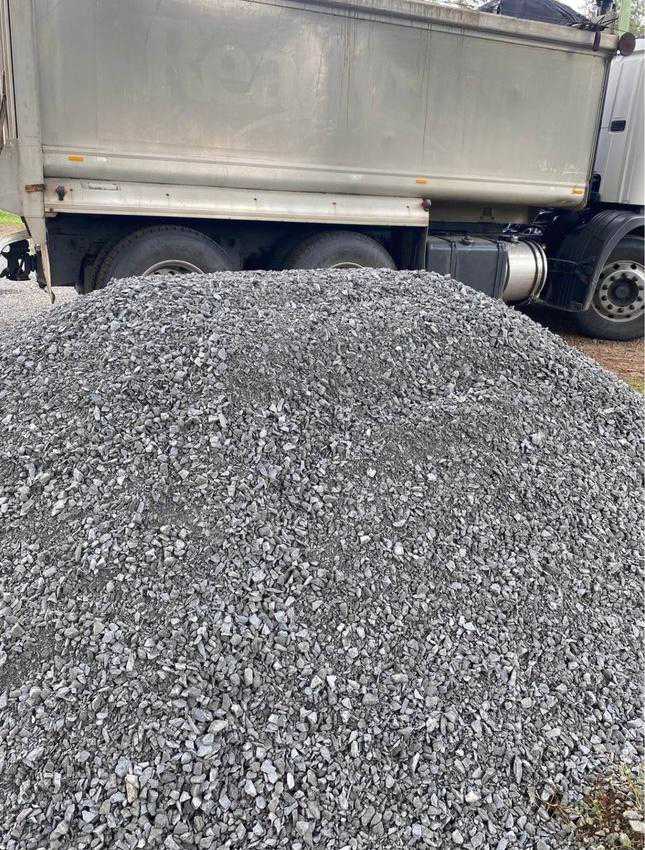
Earthmoving services in Silverdale can involve much more than simply moving soil from one part of a property to another. A successful earthmoving project requires proper planning, suitable machinery, careful ground preparation and an understanding of how the existing site conditions can affect the work.
Silverdale properties can present different site requirements depending on the land size, existing structures, driveway access, soil conditions, drainage requirements and the type of earthmoving work being planned. A residential property may need ground preparation for landscaping or a new driveway while a larger property may require bulk excavation, site clearing, soil removal or broader earthmoving work.
Professional earthmoving can help prepare land for construction, improve site access, reshape uneven areas, remove unwanted material and create a more suitable foundation for future work. However, the quality of the finished result depends heavily on what happens before machinery begins operating.
This guide explains 10 essential steps for planning earthmoving services in Silverdale. It covers site assessment, project requirements, machinery selection, ground conditions, excavation, material removal, drainage, access, safety and final inspection.
For property owners planning excavation, ground preparation or earthmoving work around Silverdale, understanding the process can make it easier to prepare the site and communicate requirements clearly with an experienced earthmoving contractor.
1. Assess the Silverdale Site Before Earthmoving Begins
The first step in planning earthmoving services in Silverdale is understanding the existing site.
Every property has different conditions. Even two properties located close to each other can require completely different approaches because of changes in ground levels, soil, vegetation, structures, drainage and access.
A site assessment should consider the current condition of the land and the work that needs to be completed.
Important areas to assess include:
Existing ground levels
Uneven ground can create problems for construction, landscaping, driveways and outdoor areas. Some parts of a property may sit higher than others while natural slopes can direct water toward areas where it is not wanted.
Before earthmoving begins, the existing levels should be understood.
The contractor can then determine where material needs to be removed, where material may need to be placed and whether the finished surface needs to be level or gently graded.
Existing structures
Buildings, sheds, retaining walls, fences, pools, driveways and other structures can affect machinery access and excavation requirements.
Machinery needs enough room to operate safely. The proximity of structures should therefore be considered before work starts.
Vegetation and trees
Trees, shrubs, roots and other vegetation may need to be considered when clearing or reshaping land.
Tree removal can involve additional requirements depending on the location and type of tree. Earthmoving around established trees should also be planned carefully because excavation can affect root systems and surrounding ground stability.
Drainage
Water movement across a property is an important part of earthmoving planning.
Changing the level of land can change how water flows. If earth is moved without considering drainage, water may collect in low areas or flow toward buildings, driveways or neighbouring properties.
A professional assessment should therefore consider how the proposed earthmoving work will affect existing drainage.
Access
Machinery access is another major consideration.
A contractor needs to know how equipment will enter the property and where it can safely operate.
Narrow gates, steep driveways, overhead structures, fences and existing buildings can restrict access.
Planning access before work begins helps reduce delays and makes the project more efficient.
2. Clearly Define the Earthmoving Work Required
The second step is to identify exactly what the project requires.
The term earthmoving services can describe many different types of work. A contractor may be required to excavate soil, level land, clear vegetation, remove unwanted material or prepare a site for another construction activity.
Clearly defining the scope helps the contractor understand the machinery, labour and time that may be required.
Common earthmoving requirements in Silverdale can include:
Bulk excavation
Bulk excavation involves removing or moving larger quantities of soil and other material.
It can be required for construction sites, building pads, access areas and other projects where significant volumes of material need to be moved.
Detailed excavation
Detailed excavation requires more controlled digging around defined areas.
This can be relevant where excavation needs to follow specific dimensions or levels.
Ground levelling
Ground levelling involves reshaping uneven land to create a more suitable surface.
This can support landscaping, building preparation, driveway work and other property improvements.
You can learn more about this type of service through the Ground Levelling service page.
Site clearing
Site clearing can involve removing unwanted vegetation, debris and other material from an area before further work begins.
More information about preparing a property can be found through the Landscaping and Site Preparation service page.
Soil and sand removal
Some projects generate excess soil that needs to be removed from the property.
The quantity, type and location of the material should be considered when planning removal.
You can read more about this service through the Sand and Soil Removal service page.
Driveway preparation
Earthmoving can also be part of preparing a new driveway or repairing an existing driveway.
The work may involve removing unsuitable material, reshaping the ground and preparing the base before the driveway surface is installed.
3. Check Underground Services Before Excavation
Underground services must be considered before excavation or earthmoving work begins.
Electricity, telecommunications, gas, water and other services may run underground around residential and rural properties.
Digging without understanding the location of underground infrastructure can create serious safety risks and potentially cause service damage.
Before digging, property owners and contractors should use the appropriate underground service location process.
Before You Dig Australia provides information about obtaining underground utility plans before excavation work.
This step is especially important when earthmoving involves:
• Excavation near buildings
• Driveway construction
• Drainage work
• Landscaping
• Site preparation
• Trenching
• Pool excavation
• Ground reshaping
• Installation work
Knowing where services are located helps the contractor plan the excavation approach and determine where machinery can safely operate.
Underground service information should not be treated as an optional part of planning. It should be incorporated into the project before digging starts.
4. Select Machinery According to the Site
Choosing suitable machinery is an important part of earthmoving services in Silverdale.
Different machines have different operating capabilities. The right equipment depends on the amount of material being moved, the available space, ground conditions and the type of work.
A compact machine may be suitable for restricted residential areas while larger machinery may be more efficient for larger earthmoving projects.
Bobcat equipment
Bobcats can be useful for a wide range of earthmoving tasks where manoeuvrability and controlled material movement are important.
They can be suitable for:
• Ground preparation
• Material movement
• Levelling
• Site clearing
• Driveway preparation
• Landscaping preparation
• Soil movement
Excavators
Excavators are commonly used when deeper or more controlled excavation is required.
They can be suitable for projects involving:
• Trenching
• Detailed excavation
• Pool excavation
• Removal of soil
• Larger excavation areas
Choosing equipment for restricted access
Residential properties can sometimes have limited access.
The contractor may need to consider:
• Gate width
• Driveway width
• Overhead clearance
• Fence locations
• Building proximity
• Ground conditions
• Turning space
A machine that is too large for the site may create access problems while equipment that is too small may increase the time required for the project.
Professional planning helps match the equipment to the actual conditions of the property.
5. Understand Soil and Ground Conditions
Soil conditions can significantly affect earthmoving work.
Different soil types behave differently during excavation and material movement. Some ground can be relatively easy to excavate while other conditions can require additional effort or specialised equipment.
The site assessment should consider:
Soil composition
The type of soil can influence excavation difficulty and material handling.
Clay, sand, gravel, topsoil and mixed ground conditions can each behave differently during earthmoving.
Moisture
Wet ground can become soft and difficult for heavy machinery to operate on.
Excessive moisture can also affect the stability of the working area.
Compaction
Existing ground may have different levels of compaction.
Areas that have previously supported driveways, structures or heavy vehicles can behave differently from undisturbed soil.
Fill material
Some properties may contain previously placed fill.
Fill can vary significantly in composition and compaction. Understanding existing ground conditions helps determine whether material can remain on site or should be removed.
Ground stability
Excavation and earthmoving can change the stability of surrounding ground.
The contractor should consider nearby structures, slopes, retaining walls and other features before moving significant amounts of soil.
This is one reason why professional earthmoving planning is more than simply deciding where to place a machine.
6. Plan Material Removal and Soil Management
Earthmoving projects can generate substantial quantities of soil and other material.
Before work begins, property owners should understand what will happen to the material being removed.
Depending on the project, excavated material may be:
• Reused elsewhere on the property
• Used for suitable filling
• Stockpiled temporarily
• Loaded for removal
• Taken to an appropriate disposal or recovery facility
The correct option depends on the material, project requirements and applicable disposal requirements.
Reusing suitable material
Some excavated material may be suitable for reuse.
For example, clean material may sometimes be used to reshape other parts of a property when the project design allows it.
However, material should not automatically be reused simply because it is already available.
Its suitability depends on the intended use and the characteristics of the material.
Removing unwanted soil
If excess soil cannot be reused, removal may be necessary.
This requires planning for loading, transport and disposal.
The quantity of material can also affect project logistics.
A small amount of excess soil may require a different approach from a major bulk excavation project.
Avoiding unnecessary stockpiling
Unplanned stockpiles can reduce access and create additional site management problems.
Material should be placed in an area where it will not interfere with machinery, drainage or other site activities.
7. Plan Drainage Before Changing Ground Levels
Drainage is one of the most important considerations when planning earthmoving services in Silverdale.
Moving soil changes the shape and level of the ground. This can influence the direction in which rainwater travels.
Poorly planned earthmoving can potentially create low areas where water collects.
It can also direct water toward buildings, retaining walls, driveways or other areas where drainage problems may develop.
Why ground levels matter
Water naturally follows changes in elevation.
When a contractor reshapes land, the finished levels should therefore be considered alongside drainage.
A site may need:
• Controlled falls
• Drainage channels
• Improved surface levels
• Suitable grading
• Preparation around existing drainage infrastructure
The correct solution depends on the property and project.
Drainage around buildings
Ground should generally be planned so that water does not unnecessarily collect against building areas.
The existing site design should be considered before material is removed or added.
Driveway drainage
Driveways also require attention because poor drainage can contribute to surface deterioration and erosion.
If earthmoving is being completed as part of driveway preparation, drainage should be considered at the same time rather than treated as an afterthought.
8. Prepare Safe Machinery Access
Machinery access should be planned before earthmoving begins.
This can be particularly important on residential properties where access may be restricted.
The contractor should understand how equipment will reach the working area and where material will be moved.
Gate access
Measure gates and other entry points before arranging machinery.
The available width should be compared with the dimensions of the equipment.
Surface conditions
The entry route should also be considered.
Soft ground can create access problems for heavy machinery. Existing driveways may also need protection depending on the equipment and site conditions.
Overhead obstacles
Overhead powerlines, trees, structures and other obstacles can affect machine operation.
These should be identified before work begins.
Working space
The contractor needs enough room to manoeuvre the machine.
A site that appears large enough from the street may have limited usable working space once fences, buildings and landscaping are considered.
Proper access planning can help avoid delays on the day of the project.
9. Coordinate Earthmoving With Other Trades
Earthmoving is often one part of a larger property project.
The timing of the work can therefore affect builders, landscapers, concreters, plumbers and other contractors.
For example, a building project may require earthmoving before construction begins.
A driveway project may require excavation and ground preparation before the driveway contractor begins.
Landscaping may require clearing and levelling before new garden areas, retaining structures or outdoor surfaces are installed.
Good coordination helps create a logical sequence.
A typical project may involve:
Site assessment
Underground service checks
Site clearing
Earthmoving
Excavation
Ground levelling
Material removal
Drainage preparation
Base preparation
Construction or landscaping
Final site inspection
The exact sequence depends on the project.
Why scheduling matters
If earthmoving is completed too early, later construction activities may disturb the finished ground.
If earthmoving is completed too late, other trades may be unable to start.
Discussing the complete project schedule with the relevant contractors can help avoid unnecessary rework.
10. Inspect the Site After Earthmoving
The final step is to inspect the completed earthmoving work.
The finished site should be compared with the original project requirements.
The inspection can consider:
• Ground levels
• Surface condition
• Access areas
• Drainage direction
• Excavation dimensions
• Remaining material
• Site cleanliness
• Areas requiring further preparation
A final inspection is particularly important when the earthmoving work is preparing the property for another stage of construction.
If additional work is required, it is better to identify the issue before another contractor begins.
Earthmoving Services for Residential Properties in Silverdale
Residential earthmoving projects can range from small landscaping preparation to substantial excavation and ground reshaping.
Homeowners may require earthmoving when:
• Preparing a new garden area
• Creating a level outdoor area
• Preparing a driveway
• Removing unwanted soil
• Clearing a property
• Preparing for construction
• Excavating for a pool
• Reshaping uneven ground
• Preparing land for landscaping
• Improving access around a property
The scale of residential projects can vary considerably.
A small backyard project may require compact equipment while a larger property development may require more extensive machinery and material management.
Professional earthmoving can help ensure the work is planned around the actual property conditions.
Earthmoving for Property Development
Larger property projects can involve substantial volumes of soil and require more detailed planning.
Earthmoving may be required before:
• Building construction
• Driveway installation
• Retaining wall construction
• Landscaping
• Drainage improvements
• Outdoor area construction
• Access road preparation
• Site development
The contractor may need to coordinate excavation levels, material movement and access requirements with other parts of the project.
For larger earthmoving projects, early planning can help establish realistic expectations about machinery, material quantities and site access.
Ground Levelling and Earthmoving Work
Ground levelling is closely connected with earthmoving.
An uneven site may require soil to be removed from higher areas and moved into lower areas where suitable.
However, simply making a surface look flat does not necessarily mean it has been prepared correctly.
The finished ground may need to account for drainage, construction requirements and future use.
For example, a surface intended for a driveway has different requirements from an area intended for landscaping.
Similarly, land being prepared for construction may require specific levels and ground conditions.
For more information about professional ground preparation, visit the Ground Levelling service page.
Detailed Excavation and Earthmoving
Some Silverdale projects require more controlled excavation rather than broad soil movement.
Detailed excavation may be necessary where specific dimensions and levels are required.
Examples can include:
• Service trenches
• Footing preparation
• Pool excavation
• Drainage preparation
• Restricted excavation areas
• Building preparation
• Landscaping structures
Detailed excavation requires attention to existing services, measurements, access and surrounding structures.
The Detailed Excavation service page provides more information about this type of work.
Site Clearing Before Earthmoving
Site clearing may be required before machinery can begin earthmoving.
Vegetation, branches, old material, debris and other obstacles can prevent equipment from accessing the working area.
Clearing should therefore be considered during the initial planning stage.
Site clearing can also help create a safer and more organised working environment.
However, clearing requirements vary from property to property.
Trees and other vegetation may require additional consideration before removal.
Soil Removal During Earthmoving Projects
Soil removal is often an important part of earthmoving.
A project may create excess soil because the finished site needs to sit at a different level.
The amount of material can be influenced by:
• Excavation depth
• Project area
• Existing ground levels
• Finished ground levels
• Soil conditions
• Drainage requirements
• Construction requirements
Accurately estimating the quantity of material can be difficult without assessing the site.
This is why an onsite assessment can be valuable before confirming the project scope.
For additional information about soil removal services, visit the Sand and Soil Removal service page.
Earthmoving for Driveway Preparation
Driveway projects frequently involve earthmoving.
An existing surface may need to be removed before the ground can be reshaped and prepared for a new driveway surface.
Depending on the condition of the property, the work may involve:
• Removing unsuitable material
• Levelling the area
• Establishing the required fall
• Preparing the driveway base
• Improving drainage
• Removing excess soil
• Creating suitable access
Driveway preparation should be planned according to the final driveway design.
If the ground underneath is not properly prepared, problems may develop after the surface is installed.
Earthmoving for Pool Preparation
Pool excavation requires careful planning because excavation depth and location need to match the proposed pool design.
The contractor should consider:
• Pool location
• Excavation dimensions
• Access for machinery
• Underground services
• Excavated soil
• Surrounding structures
• Ground conditions
• Material removal
Pool projects can generate significant amounts of excavated material.
Planning the removal process before excavation starts can make the project easier to manage.
Common Problems Caused by Poor Earthmoving Planning
Poor planning can create unnecessary problems during and after an earthmoving project.
Incorrect ground levels
If finished levels are not properly established, the site may not be suitable for its intended purpose.
Poor drainage
Incorrect grading can create unwanted water movement.
Insufficient machinery access
If equipment cannot reach the required area, additional arrangements may be needed.
Unexpected soil conditions
Unknown ground conditions can affect excavation difficulty and project duration.
Excess material
If soil removal is not planned, unwanted material can remain on site and interfere with other work.
Damage to existing areas
Without proper access planning, machinery movement may affect existing surfaces, landscaping or structures.
Project delays
Poor coordination with other contractors can delay construction or landscaping.
Planning reduces the likelihood of these issues and gives the contractor a clearer understanding of the work.
What Can Affect the Cost of Earthmoving Services in Silverdale?
The cost of earthmoving cannot be determined accurately from the project title alone.
Several factors can influence the overall price.
These can include:
Size of the work area
Larger areas generally require more time and machinery use.
Quantity of material
The amount of soil that needs to be moved or removed can have a significant impact on project logistics.
Excavation depth
Deeper excavation can require different equipment and additional handling.
Ground conditions
Hard or difficult ground can increase the effort required.
Access
Restricted access can affect which machinery can be used and how efficiently material can be moved.
Soil disposal
If excavated material must be removed from the property, transport and disposal requirements can influence the project cost.
Site preparation
Vegetation, debris or existing structures may require preparation before earthmoving begins.
Project complexity
Projects involving several stages or coordination with other contractors can require more detailed planning.
For this reason, an onsite assessment is generally more useful than relying on a generic earthmoving price.
Questions to Ask Before Hiring an Earthmoving Contractor
Before starting an earthmoving project in Silverdale, property owners can ask practical questions about the proposed work.
Important questions include:
What type of machinery will be required?
How will machinery access the property?
Where will excavated soil go?
Will suitable material be reused?
How will underground services be checked?
What preparation is required before machinery arrives?
How will drainage be considered?
What areas need to remain protected?
Will the work need to coordinate with another contractor?
What does the quoted work include?
Clear answers to these questions can help property owners understand the scope of the project.
Safety Considerations for Earthmoving Work
Earthmoving involves heavy machinery and excavation activities.
Safety planning should therefore be part of every project.
SafeWork NSW provides guidance for construction activities including excavation and earthmoving work. Property owners can access relevant information through SafeWork NSW.
Important considerations can include:
• Identifying underground services
• Maintaining suitable exclusion areas
• Keeping people away from operating machinery
• Managing excavation hazards
• Considering ground stability
• Maintaining clear communication
• Managing vehicle movement
• Assessing overhead hazards
• Using appropriate equipment
• Following relevant workplace safety requirements
Professional earthmoving contractors should assess site specific risks before work begins.
Homeowners should also keep children, visitors and other unauthorised people away from active work areas.
Environmental Considerations During Earthmoving
Responsible earthmoving should also consider the surrounding environment.
Soil movement can create dust, sediment and changes in surface water flow.
Depending on the project, appropriate measures may be required to manage:
• Soil erosion
• Sediment movement
• Dust
• Runoff
• Waste material
• Vegetation
• Water movement
The appropriate approach depends on the property and scale of the work.
Planning environmental controls early can reduce disruption and help maintain a cleaner site.
Why Local Site Knowledge Matters in Silverdale
Choosing an earthmoving contractor who understands local project conditions can make communication easier.
Local knowledge does not replace a proper onsite assessment. However, experience working across similar residential and property environments can help a contractor understand common access and project planning considerations.
A local contractor can assess the specific property and discuss practical requirements before machinery arrives.
For homeowners planning earthmoving, excavation, ground levelling or site preparation, the goal should be to establish a clear scope before work begins.
How to Prepare Your Property for Earthmoving
Property owners can take several practical steps before the contractor arrives.
Clear unnecessary items
Remove movable furniture, equipment, garden items and other objects from the working area.
Confirm access
Check gates and access routes.
Identify areas that must remain protected
Tell the contractor about gardens, structures, trees and other areas that should not be disturbed.
Discuss underground services
Ensure service information has been considered before excavation.
Explain the final goal
Tell the contractor what the land will be used for after earthmoving.
Plan soil removal
Discuss whether excavated material will remain onsite or require removal.
Coordinate other contractors
If a builder, landscaper or concreter will work after the earthmoving stage, make sure the timing is understood.
These simple steps can make the work easier to organise.
When Should You Arrange Earthmoving Services?
Earthmoving should generally be planned before the stage of a project that depends on the finished ground.
For example, if a property requires land preparation before landscaping, earthmoving should be completed before the landscaping installation begins.
If excavation is required before a building project, the required levels and access should be understood before the excavation work starts.
Early planning can also help identify potential problems such as restricted access, underground services or excess soil.
Leaving earthmoving until the last moment can make scheduling more difficult.
Signs Your Property May Need Earthmoving
Some common signs can indicate that earthmoving may be useful.
These include:
• Uneven ground
• Large soil mounds
• Poor site access
• Areas that collect water
• Excess soil after construction
• Ground that needs reshaping
• An unsuitable driveway base
• Land that needs clearing
• A planned building project
• A planned pool project
• Landscaping requiring a level surface
The correct solution depends on the cause of the problem and the intended use of the property.
A Practical Earthmoving Planning Checklist for Silverdale
Before starting an earthmoving project, property owners can use the following checklist.
Site
Assess existing ground levels.
Identify structures.
Identify vegetation.
Assess drainage.
Confirm machinery access.
Services
Check underground services.
Identify overhead hazards.
Discuss existing infrastructure.
Project
Define the required earthmoving work.
Determine the final ground levels.
Estimate material movement.
Plan excavation requirements.
Machinery
Select suitable equipment.
Confirm access dimensions.
Consider working space.
Plan equipment movement.
Material
Determine whether soil can be reused.
Identify material requiring removal.
Plan temporary stockpiling if required.
Discuss transport and disposal.
Safety
Establish the working area.
Keep unauthorised people away.
Consider excavation risks.
Manage machinery movement.
Follow relevant safety requirements.
Completion
Check final levels.
Inspect drainage.
Confirm the required area has been prepared.
Remove unwanted material.
Coordinate the next stage of the project.
Choosing Earthmoving Services in Silverdale
The right earthmoving approach depends on the property rather than simply the name of the service.
A small residential project may require controlled machinery and careful access planning.
A larger property may require bulk excavation, extensive material movement and soil removal.
A driveway project may focus heavily on ground preparation and drainage.
A landscaping project may require site clearing and levelling.
A construction project may require more detailed excavation and accurate finished levels.
The important starting point is understanding what the site needs.
Bobby’s Bobcat Ground Levelling and Excavation provides earthmoving and related ground preparation services for property owners requiring practical site work.
If you are planning earthmoving in Silverdale and want to discuss the requirements of your property, visit the Bobby’s Bobcat Ground Levelling and Excavation homepage to learn more about the available services and make an enquiry.
Frequently Asked Questions About Earthmoving Services in Silverdale
What are earthmoving services?
Earthmoving services involve using machinery to move, excavate, level or remove soil and other ground materials. The work can support construction, landscaping, driveway preparation, site clearing and other property improvement projects.
What types of earthmoving work can be completed in Silverdale?
Earthmoving can include bulk excavation, detailed excavation, ground levelling, site clearing, soil removal, driveway preparation and general site preparation. The appropriate service depends on the existing property and the intended outcome.
Do I need to check underground services before earthmoving?
Yes. Underground electricity, gas, water and telecommunications services can create serious risks during excavation. Before digging, property owners and contractors should use the appropriate service location process. Before You Dig Australia provides information about obtaining underground service plans.
Can excavated soil be reused on my property?
Some excavated material may be suitable for reuse depending on its composition and the intended application. The suitability of the material should be assessed before it is used for filling or reshaping.
How much does earthmoving cost in Silverdale?
Earthmoving costs vary according to factors such as the size of the project, quantity of material, excavation depth, soil conditions, machinery requirements, site access and material removal. An onsite assessment is generally the most useful way to establish the scope of work.
Can earthmoving improve uneven ground?
Yes. Earthmoving equipment can be used to reshape uneven areas and establish more suitable ground levels. The final levels should also consider drainage and the future purpose of the land.
Can earthmoving help prepare a driveway?
Yes. Earthmoving can be part of driveway preparation where existing soil needs to be removed, ground levels need to be adjusted or the site requires preparation before the driveway surface is installed.
Can earthmoving be used for landscaping projects?
Yes. Earthmoving can assist with site clearing, soil movement, ground levelling and preparation of outdoor areas before landscaping work begins.
What machinery is used for earthmoving?
The machinery depends on the project. Bobcats and excavators are commonly used for different types of earthmoving and excavation work. The contractor should select equipment according to site access, ground conditions and the required work.
How do I prepare my property for earthmoving?
Remove unnecessary items from the work area, confirm access, identify areas that need protection, discuss underground services and explain the final purpose of the site to the contractor.
Can earthmoving affect drainage?
Yes. Changing ground levels can change the way water moves across a property. Drainage should therefore be considered before soil is removed or placed.
Is earthmoving suitable for residential properties?
Yes. Earthmoving can be used for residential projects including landscaping preparation, driveway preparation, ground levelling, site clearing, soil removal and construction preparation.
Should I remove soil before or after excavation?
The appropriate approach depends on the project. For some projects, excavated material can be loaded and removed as the work progresses. For others, suitable material may be temporarily stockpiled or reused onsite.
Why is site access important for earthmoving?
Machinery needs enough room to enter the property and safely operate. Narrow gates, fences, buildings, trees and overhead obstacles can affect which equipment can be used and how efficiently the work can be completed.
Plan Your Earthmoving Project With the Right Preparation
Earthmoving services in Silverdale can provide the foundation for many types of property improvement and construction projects. However, successful earthmoving begins before machinery arrives onsite.
A clear understanding of the site, ground conditions, access, underground services, drainage, machinery requirements and material management can help create a more organised project.
Whether the work involves bulk excavation, detailed excavation, ground levelling, site clearing, soil removal or driveway preparation, the correct approach should be based on the actual conditions of the property.
If you are planning earthmoving services in Silverdale, Bobby’s Bobcat Ground Levelling and Excavation can help you understand the practical requirements of your project.
Visit Bobby’s Bobcat Ground Levelling and Excavation to explore earthmoving, excavation, ground levelling, site preparation and soil removal services and get in touch about your project.