Site Preparation Orangeville: Complete Guide to Preparing Land for Construction and Landscaping
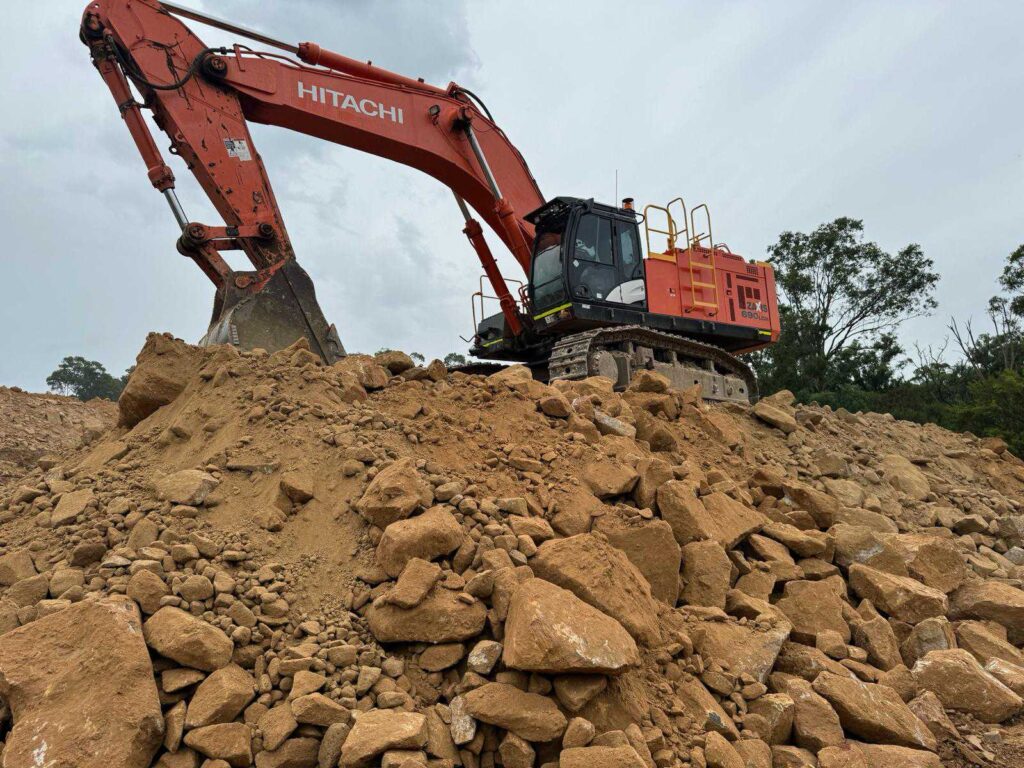
Preparing land correctly is one of the most important stages of a construction, landscaping, driveway, pool or property improvement project. Before concrete is poured, a structure is built, a driveway is installed or a landscape is transformed, the ground needs to be assessed and prepared for the work that follows.
Professional site preparation in Orangeville can involve several different tasks depending on the condition of the property and the intended use of the land. The work may include clearing unwanted vegetation, removing excess soil, adjusting ground levels, improving access, preparing construction areas, moving materials and creating a suitable surface for the next stage of the project.
A site that looks simple from the surface can have several factors that need to be considered before excavation begins. Existing levels, soil conditions, drainage, access, underground services, vegetation, structures and the final design can all influence how the preparation should be approached.
For property owners planning work in Orangeville, understanding the preparation process can make it easier to communicate with contractors, prepare the property and avoid unnecessary delays.
Bobby’s Bobcat Ground Levelling and Excavation provides excavation, earthmoving and site preparation services throughout Sydney. The business states that it has 9 years of industry experience and works with homeowners, builders, landscapers and property owners on different types of groundwork projects.
If you are planning a project that requires excavation, ground adjustment, soil removal or general site preparation, you can explore the Bobby’s Bobcat services to see the types of groundwork services available.
What Is Site Preparation?
Site preparation is the process of getting a piece of land ready for the work that will take place on it.
The exact preparation required depends on the project.
A new building may require excavation, levelling, removal of unsuitable material and preparation for foundations.
A landscaping project may require vegetation clearing, soil removal, ground shaping and surface preparation.
A driveway project may require excavation, level adjustment, removal of unsuitable material and preparation for road base or gravel.
A pool project may require a specific excavation area with suitable access for machinery and appropriate management of excavated material.
Because every property is different, site preparation should not be treated as a single standard task.
The first step is understanding what the finished area needs to look like and then determining what needs to happen to the existing ground to reach that result.
Why Site Preparation Matters in Orangeville
Good site preparation provides the starting point for the next stage of a project.
If the existing ground is uneven, unstable or unsuitable for the planned use, simply placing materials over the surface may not solve the underlying problem.
For example, a new outdoor area may need a more consistent level before landscaping begins. A driveway may require excavation and base preparation before the finished surface can be installed. A construction project may require accurate excavation to achieve the required formation level.
Proper preparation can also make the site easier for other trades to work on.
When the area is organised, accessible and prepared according to the project requirements, builders, landscapers, concreters and other contractors can work with a clearer starting point.
The preparation stage therefore connects the existing property with the finished project.
What Does Site Preparation Include?
Site preparation can involve several different services.
The work required at one Orangeville property may be very different from another.
Common site preparation tasks can include:
Ground assessment
Site clearing
Vegetation removal
Soil removal
Ground levelling
Excavation
Bulk earthmoving
Detailed excavation
Material movement
Access preparation
Surface preparation
Drainage related groundwork
Driveway preparation
Landscape preparation
Pool excavation
Removal of unwanted materials
Final site clean up
Not every project needs all of these services.
The correct approach depends on the existing condition of the land, the proposed project and the requirements of the next contractor.
Site Assessment Should Come Before Excavation
Before machinery arrives on site, it is useful to understand what is already there.
A basic assessment can identify issues that may affect the excavation process.
These may include:
Existing ground levels
Steep or uneven sections
Trees and vegetation
Fences
Buildings
Retaining structures
Driveways
Drainage areas
Overhead services
Underground services
Restricted access
Soft or unstable ground
Existing soil or material that needs removal
The final assessment should also consider what the site needs to become.
For example, if the goal is to create a level area for a future structure, the required finished level is important.
If the goal is landscaping, the preparation may need to accommodate gardens, turf, pathways, retaining structures or outdoor features.
If the project involves a driveway, the required levels and access direction need to be considered.
Understanding the final objective helps determine the preparation work instead of simply removing soil without a clear purpose.
Understanding Ground Levels
Ground levels are one of the most important considerations during site preparation.
Natural land is rarely perfectly level.
Some properties have slopes, high points, low points or changes in elevation across the site. The amount of excavation or filling required depends on the desired finished level.
Ground levelling may involve cutting down higher areas, moving soil into lower areas or removing excess material from the property.
The objective is not necessarily to make every property completely flat.
Instead, the goal is to create ground that is appropriate for the intended use while considering drainage, access and the requirements of the project.
Bobby’s Bobcat explains that ground levelling can be used for construction, landscaping, driveways and outdoor improvements. Its Ground Levelling service also states that the team assesses property conditions before carrying out the required work.
You can learn more about this service on the Ground Levelling page.
Cut and Fill in Site Preparation
Cut and fill is commonly associated with earthmoving and ground level adjustment.
Cutting involves removing material from a higher section.
Filling involves placing suitable material into a lower section.
The objective is to create a more suitable formation for the planned project.
However, not every excavated material is automatically suitable for filling.
Material quality, moisture, soil type and the requirements of the project need to be considered before deciding whether excavated material should remain on the property or be removed.
This is one reason why site preparation should be planned around the final project rather than treated simply as a process of moving dirt from one location to another.
Soil Removal During Site Preparation
Excavation often produces excess soil.
Depending on the project, the material may be reusable on the property or may need to be removed.
The decision depends on the project design and the type and condition of the material.
If soil is not required elsewhere on the property, it may need to be loaded and transported away.
The volume of material can have a significant effect on project planning because excavation, loading, transport and disposal are separate considerations.
Bobby’s Bobcat provides Sand and Soil Removal as part of its broader range of groundwork services.
Planning soil removal early can also help prevent piles of excavated material from obstructing access or interfering with other contractors.
Site Clearing Before Excavation
Some properties require clearing before excavation can begin.
Site clearing may involve removing unwanted vegetation, debris, loose materials or other obstacles that prevent machinery from reaching the work area.
Clearing is particularly useful when an area has become difficult to access or has not been maintained for an extended period.
The amount of clearing required depends on the property.
A small backyard improvement may need only minor clearing.
A larger development area may require more extensive preparation before excavation equipment can operate effectively.
Site clearing should also be coordinated with the final project because some existing vegetation or features may need to remain.
Removing everything without considering the final design can create unnecessary work.
Machinery Access Is an Important Part of Planning
Machinery needs to get to the work area.
This sounds obvious but access can become one of the biggest practical limitations on residential properties.
The available access route may be affected by:
Driveway width
Gate width
Fence locations
Buildings
Trees
Retaining walls
Overhead services
Neighbouring properties
Sloping ground
Soft ground
Parking arrangements
Existing structures
Before the project starts, it is useful to identify how equipment will enter and leave the site.
The required machinery also depends on the work.
A smaller machine may be more appropriate for a restricted backyard while a larger machine may be suitable for a more open area.
The important point is that machinery selection should be based on the actual site rather than choosing equipment based only on the size of the excavation.
Why Machine Selection Matters
Different excavation and earthmoving tasks require different levels of reach, capacity and access.
A machine that is too large may have difficulty entering a restricted property.
A machine that is too small may take longer to complete a larger earthmoving task.
Attachments can also influence what equipment is suitable.
The operator needs to consider the material being moved, the required excavation depth, the available working area and the final result.
For homeowners, providing photographs of the access point can be useful when discussing a project with an excavation contractor.
Measurements such as gate width and driveway width can also help.
Underground Services Must Be Considered
Underground services are an important safety consideration before excavation.
Services can include electricity, gas, water, telecommunications and other infrastructure.
Before excavation work starts, current information about underground essential services should be obtained.
SafeWork NSW states that information about underground essential services at the worksite and adjacent areas should be obtained before excavation work begins.
Before You Dig Australia provides a national referral service that allows people planning excavation to request information about underground infrastructure from participating asset owners.
The service is free to lodge and provides plans and information that can help with excavation planning.
You can visit Before You Dig Australia before starting excavation work.
It is also important to understand that utility plans are not necessarily an exact representation of every service on private property. BYDA advises users to consider site clues and skilled locating where appropriate.
The Five Ps of Safe Excavation
Before You Dig Australia promotes five key steps for safer excavation.
They are:
Plan
Prepare
Pothole
Protect
Proceed
Planning involves obtaining the relevant utility information before work begins.
Preparation involves reviewing the plans and identifying potential risks.
Potholing may be used where appropriate and permitted to help confirm the location of services.
Protection involves protecting identified infrastructure and communicating its location to people working on the site.
Proceed means starting excavation after the necessary planning and protective measures are in place.
BYDA recommends lodging a free utility plan request before excavation and reviewing the information carefully before work starts.
These steps are useful for homeowners as well as contractors because excavation risks are not limited to large construction sites.
Overhead Services Also Matter
Underground services are not the only infrastructure consideration.
Overhead powerlines can create risks when excavation machinery or other large equipment is operating on a property.
Equipment movement needs to take overhead infrastructure into account.
Before work begins, the working area should be assessed so that machinery can be operated safely around overhead services.
BYDA provides a Look Up and Live tool for information relating to overhead powerlines.
If overhead infrastructure is present near the work area, this should be discussed before machinery arrives.
Site Preparation for New Construction
Construction projects often require detailed preparation before building work can begin.
The exact requirements depend on the design, engineering requirements and site conditions.
Preparation may include:
Removing unsuitable material
Creating required levels
Excavating construction areas
Clearing vegetation
Improving access
Moving excess soil
Preparing working areas
Coordinating machinery access
Creating suitable conditions for following trades
The excavation contractor should work from the project requirements rather than simply deciding how much soil to remove.
Where engineering plans or specific levels are available, these should be provided before excavation.
Accurate information can reduce the risk of preparing the site to the wrong level.
Site Preparation for Landscaping
Landscaping projects can also benefit significantly from professional groundwork.
A landscape design may include gardens, turf, pathways, retaining structures, outdoor living areas, drainage features or changes in elevation.
The ground needs to support those features.
Landscaping site preparation may involve:
Clearing unwanted vegetation
Removing excess soil
Adjusting levels
Creating garden areas
Preparing turf areas
Preparing pathways
Improving access
Shaping outdoor areas
Preparing areas for future landscape construction
Bobby’s Bobcat provides Landscaping Site Preparation for residential and commercial landscaping projects.
The service description explains that preparation can include clearing, shaping, soil removal and surface preparation.
Preparing Land for a Driveway
A driveway needs more than a visually level surface.
The underlying ground and base preparation influence how the finished driveway performs.
Depending on the project, preparation may involve:
Removing unsuitable material
Excavating to the required depth
Adjusting ground levels
Preparing the formation
Moving excess soil
Preparing for road base or gravel
Improving access around the driveway
The required preparation should be determined by the driveway design and the material that will be installed.
A driveway contractor or builder may also have specific requirements that need to be followed.
Bobby’s Bobcat also provides Road Base and Gravel Works as part of its available groundwork services.
Preparing a Site for Concrete
Concrete projects depend heavily on the condition of the ground underneath.
Before concrete is installed, the area may need to be excavated, levelled and prepared according to the requirements of the concrete project.
This can include:
Removing unsuitable material
Creating the required level
Preparing the base
Removing excess soil
Providing suitable access for following trades
Maintaining a clean work area
Bobby’s Bobcat lists concrete site preparation among its services.
The company describes this work as involving excavation, ground levelling, material removal and base preparation.
If you are planning concrete work, the excavation and preparation stage should be coordinated with the concreter so the prepared area meets the requirements for the next stage.
Preparing Land for a Pool
Pool excavation requires careful planning because the excavation needs to match the pool design.
Before digging begins, the site should be assessed for access, existing structures, underground services, excavation requirements and material removal.
Pool excavation can produce a substantial amount of soil.
Therefore, a plan for the excavated material should be considered before work begins.
Access is another important factor.
Machinery needs to reach the excavation area and there needs to be a practical way to manage the material that is removed.
Bobby’s Bobcat lists Pool Dig Outs among its available services.
Drainage and Site Preparation
Water management should be considered when preparing land.
Poorly considered levels can contribute to water collecting where it is not wanted.
However, excavation and levelling should not be treated as a substitute for a properly designed drainage system.
The finished levels need to work with the wider project design.
If drainage infrastructure is part of the project, the excavation contractor should understand the required locations and levels before work starts.
This is particularly important where the prepared area connects with buildings, driveways, retaining structures or landscaped areas.
Soil Conditions Can Affect the Work
Not all ground behaves in the same way.
The material encountered during excavation can vary across a property.
Possible materials can include topsoil, clay, sand, gravel, fill and other ground materials.
The condition of the material can influence:
Excavation methods
Machine selection
Production time
Material handling
Transport requirements
Final preparation
Unexpected material can also change the scope of a project.
For this reason, an accurate quote should be based on the information available about the property and the intended excavation.
Why Existing Fill Needs Attention
Previously disturbed areas may contain imported or placed material.
The composition and suitability of that material may not always be obvious from the surface.
If the project requires a particular level of stability or formation condition, the existing material may need to be assessed as part of the overall preparation process.
The important point is to avoid assuming that every visible section of ground is naturally consistent.
Site history can matter.
Previous construction, demolition, landscaping, filling or excavation can all influence what is found below the surface.
How Site Preparation Costs Are Determined
There is no single price for site preparation in Orangeville because each project has different requirements.
Several factors can affect the cost.
These include:
Size of the work area
Amount of material to be removed
Depth of excavation
Ground conditions
Machinery required
Machine access
Travel requirements
Number of working hours
Material loading
Soil removal
Disposal or transport requirements
Site clearing
Required finished levels
Additional preparation
Unexpected ground conditions
The best way to receive a useful estimate is to provide as much project information as possible.
Photos can help.
Site dimensions can help.
Information about access can help.
Plans can help even more where they are available.
What Information Should You Provide for a Site Preparation Quote?
When contacting an excavation contractor, try to provide:
The property location
The type of project
Approximate work area
Photos of the site
Photos of the access point
Approximate gate width
Expected excavation depth
Whether soil needs to be removed
Whether vegetation needs to be cleared
Whether there are existing structures nearby
Whether underground services are known
Whether plans are available
The intended finished use of the area
This information can make the initial conversation more productive.
It also gives the contractor a better understanding of the job before visiting the property.
Site Preparation and Project Scheduling
Site preparation is usually one part of a larger project.
That means timing matters.
For example, a landscaper may be waiting for excavation to finish before installing a garden.
A concreter may need the area ready before forming and pouring.
A builder may need the site prepared before construction starts.
A driveway contractor may need the formation ready before installing the final surface.
If excavation is delayed, the next stage may also be delayed.
Planning the preparation work around the overall project schedule can therefore reduce unnecessary downtime.
Why Communication Between Contractors Matters
A site preparation contractor does not always work independently from everyone else.
The prepared area may be handed over to another contractor.
Clear communication can help prevent misunderstandings about:
Finished levels
Excavation depth
Access
Material removal
Drainage
Working boundaries
Required preparation
Timing
Site handover
If another contractor has supplied specifications, those requirements should be available before excavation starts.
Detailed Excavation Versus General Site Preparation
Site preparation is a broad term.
Detailed excavation is more specific.
Detailed excavation generally focuses on excavation where accuracy and control are particularly important.
This may include areas associated with construction, drainage, landscaping or other project requirements.
Bobby’s Bobcat provides Detailed Excavation and explains that detailed excavation requires planning, accurate measurements and careful operation.
A project may require both general site preparation and detailed excavation.
The two processes can work together depending on the project.
Bulk Excavation Versus Site Preparation
Bulk excavation usually involves moving larger quantities of material.
Site preparation may involve a broader range of tasks.
For example, a project could include clearing, bulk excavation, soil removal and final ground levelling.
The difference is mainly related to the scope and purpose of the work.
If a property requires substantial amounts of soil to be removed before construction, bulk excavation may form a major part of the preparation.
If a backyard needs clearing, levelling and surface preparation for landscaping, the project may involve a smaller combination of groundwork tasks.
When Should You Book Site Preparation?
It is generally useful to organise excavation and site preparation before other contractors are scheduled to begin their work.
The exact timing depends on the project.
For a new construction project, excavation may need to follow surveying, engineering or planning requirements.
For landscaping, preparation should be coordinated with the landscape design and installation schedule.
For concrete work, the area should be prepared before the concreter begins the next stage.
For driveway projects, excavation and base preparation should be coordinated with the driveway installation.
The earlier the groundwork requirements are understood, the easier it can be to organise the project sequence.
What Homeowners Can Do Before the Excavator Arrives
Property owners can make the preparation stage easier by completing several basic tasks.
Remove loose personal belongings from the work area.
Move vehicles away from the machinery access path.
Keep children and pets away from the working area.
Identify known structures and property features.
Provide available plans or project drawings.
Discuss underground services.
Confirm access arrangements.
Tell the contractor about any areas that must remain untouched.
Confirm where excavated material should go.
Discuss the expected finished level.
If there are neighbours or shared access arrangements involved, those details should also be communicated early.
Site Access Checklist
Before machinery arrives, check:
Can the machine physically reach the site?
Is the gate wide enough?
Are there overhead obstructions?
Are there low branches?
Are fences removable if required?
Is the driveway suitable for machinery?
Is there enough room to turn?
Where will excavated material be placed?
Where will machinery park?
Will another contractor need access during the work?
Are there underground or overhead services nearby?
A few minutes of access planning can prevent significant delays.
How Weather Can Affect Site Preparation
Weather can influence excavation and earthmoving work.
Heavy rain can change ground conditions and make some areas difficult for machinery to access.
Wet ground can also affect how material behaves during excavation and movement.
Dry conditions can create dust depending on the material and activity.
Because weather conditions are outside the contractor’s control, project scheduling may need some flexibility.
If the property has slopes or soft ground, weather conditions may be especially relevant to access and machinery movement.
Keeping the Site Organised During Excavation
Good site management is not only about moving material.
It is also about maintaining an organised working area.
Excavated soil should be positioned where it does not unnecessarily obstruct machinery or access.
Materials that are staying on site should be separated from materials intended for removal where practical.
The machinery working zone should remain clear of unnecessary obstacles.
Other contractors should know when excavation equipment is operating.
This approach helps keep the project easier to manage.
What Happens After Excavation?
The end of excavation does not necessarily mean the project is finished.
Depending on the scope, the next stage may include:
Final levelling
Compaction
Drainage installation
Road base installation
Concrete preparation
Landscape installation
Turf installation
Building work
Retaining wall construction
Driveway construction
Pool installation
The exact next step depends on the project.
This is why site preparation should always be planned around what happens after the excavation.
Site Preparation for Small Residential Projects
Professional site preparation is not limited to large construction sites.
Homeowners may need groundwork for smaller projects such as:
Backyard landscaping
Garden areas
Driveways
Sheds
Outdoor entertaining areas
Retaining wall preparation
Turf preparation
Drainage improvements
Pool projects
Property clean ups
Removing unwanted soil
The size of the project does not remove the need for proper planning.
A small residential excavation can still encounter restricted access, underground services, difficult soil or unexpected material.
Site Preparation for Builders and Landscapers
Builders and landscapers often need excavation work to fit into a wider project schedule.
For these projects, communication about levels, access, material removal and timing is particularly important.
The excavation contractor should understand the scope before starting.
If plans are available, they should be provided.
If a landscaper has specified a particular finished level, that information should be communicated before ground is moved.
The same principle applies to builders.
Accurate information at the beginning can reduce the possibility of having to redo preparation later.
E E A T and Professional Site Preparation
Good excavation content should answer practical questions rather than simply repeating a keyword.
Property owners want to know what needs to happen before machinery arrives.
They want to understand how excavation works.
They need to know what information to provide.
They also need to understand potential safety issues.
For this reason, useful site preparation information should be based on practical experience, clear processes and reliable safety information.
Bobby’s Bobcat states that it has 9 years of industry experience and provides excavation, earthmoving and site preparation services across Sydney.
The company also states that it works with homeowners, builders, landscapers and property owners.
Those experience based details are useful when considering an excavation contractor because site preparation involves practical conditions that are difficult to understand from a generic description alone.
Questions to Ask an Excavation Contractor
Before booking site preparation in Orangeville, you can ask:
What preparation does my site require?
What machinery will be used?
Can the machinery access the property?
How will excess soil be handled?
Do I need to arrange soil removal?
What finished level should be achieved?
What information do you need from my builder or landscaper?
Are there underground services that need to be checked?
Will the site be left ready for the next contractor?
How long is the expected excavation stage?
What factors could change the quote?
These questions help make the scope clearer before work begins.
What Makes a Site Ready for the Next Stage?
A prepared site should meet the requirements of the next stage of the project.
That may mean different things depending on the project.
For landscaping, the area may need to be shaped and levelled for the landscape design.
For concrete, the formation and base preparation may need to meet the concreter’s requirements.
For construction, excavation may need to follow engineering or building plans.
For a driveway, the ground may need to be excavated and prepared for the specified base and surface.
The definition of “ready” should therefore be agreed before work begins.
Site Preparation Orangeville for Future Landscaping
If your current goal is to improve an outdoor area later, early site preparation can make future work easier.
For example, an unused section of land may first need clearing and levelling before a future garden, lawn or outdoor living area is installed.
However, preparation should still be based on the planned use.
Creating an arbitrary flat area without considering drainage, garden levels or future structures can create additional work later.
A better approach is to think about the final layout before major earthmoving begins.
Site Preparation and Property Improvement
Groundwork can have a significant effect on how usable a property becomes.
Uneven or obstructed areas may be difficult to use.
Excess soil can reduce access.
Overgrown areas can prevent landscaping.
Poorly prepared ground can make future construction more complicated.
Professional excavation and site preparation can help turn an unsuitable area into a more practical starting point for the next stage.
Bobby’s Bobcat explains that its groundwork services are designed for different property sizes and project requirements across Sydney.
A Practical Site Preparation Process
A straightforward site preparation process can look like this.
Step 1: Define the Project
Start by identifying what the land will be used for.
Is it a building site?
A driveway?
A pool?
A garden?
A landscaped outdoor area?
A concrete area?
The final use affects the preparation requirements.
Step 2: Inspect the Existing Ground
Look at the existing levels, vegetation, structures, access and obvious obstacles.
The inspection should identify anything that could affect machinery operation.
Step 3: Confirm Project Levels
Where plans or measurements are available, use them to determine the required finished levels.
Do not rely on visual estimates where accurate levels are required.
Step 4: Check Underground and Overhead Services
Before excavation, obtain the relevant utility information and consider whether skilled locating is needed.
Before You Dig Australia provides free referral services for underground infrastructure information.
Step 5: Plan Machinery Access
Confirm how equipment will enter the property and where it will operate.
Step 6: Plan Material Handling
Decide whether excavated material will remain on site, be moved to another location or require removal.
Step 7: Complete Excavation and Ground Adjustment
Carry out the required clearing, excavation, levelling and material movement.
Step 8: Prepare for the Next Contractor
The final area should be prepared according to the requirements of the next stage.
Step 9: Review the Finished Area
Confirm that the area is accessible, organised and prepared for the next part of the project.
Common Site Preparation Mistakes
Several mistakes can make excavation projects more difficult.
Starting Without Checking Services
Underground infrastructure should never be assumed to be absent.
Obtain the relevant information before excavation.
Ignoring Access
A machine may be suitable for the excavation but impossible to get into the property.
Access needs to be considered early.
Removing Soil Without a Plan
Excavated material needs somewhere to go.
Planning this early can reduce delays.
Ignoring the Finished Level
Excavating without understanding the required final level can result in unnecessary rework.
Treating Every Site the Same
Properties have different conditions.
A method that works on one site may not be appropriate for another.
Forgetting the Next Stage
The prepared ground needs to suit whatever happens next.
Not Communicating With Other Contractors
Builders, landscapers and concreters may have specific preparation requirements.
These should be discussed before excavation begins.
How to Make Your Site Preparation Project Smoother
Good preparation starts before machinery arrives.
Have your project information ready.
Provide photographs.
Explain the intended use of the area.
Discuss access.
Identify existing structures.
Share available plans.
Discuss soil removal.
Confirm the required finished level.
Check underground services.
Coordinate timing with the next contractor.
These steps can make the excavation process more organised and easier to manage.
Why Local Site Knowledge Can Matter
Every property has its own conditions.
The same type of project can require different preparation depending on access, soil, slope and surrounding structures.
A contractor familiar with earthmoving and site preparation can assess these practical considerations as part of the job.
Bobby’s Bobcat works throughout Sydney and states that its approach focuses on practical solutions, careful workmanship, communication and preparing each site for the next stage.
When You Need Site Preparation Orangeville
You may need professional site preparation if you are:
Building a new property
Preparing land for landscaping
Installing a driveway
Preparing for concrete
Planning a pool
Creating a garden area
Removing excess soil
Clearing an overgrown property
Levelling uneven ground
Preparing a work area for another contractor
Removing unwanted materials
Improving access to part of your property
The exact service will depend on the condition of the site and the intended project.
First CTA: Talk About Your Orangeville Site
If you are planning excavation, landscaping, construction, driveway work or another property improvement project in Orangeville, start by discussing the site requirements before the work begins.
Bobby’s Bobcat Ground Levelling and Excavation provides excavation, earthmoving and site preparation services across Sydney.
You can view Bobby’s Bobcat services to see the available groundwork options and determine which type of preparation may suit your project.
When requesting an estimate, provide photographs, approximate dimensions, access information and details about what you want the finished area to achieve.
How to Prepare for an Excavation Quote
A detailed quote discussion becomes easier when the contractor has enough information.
Try to provide:
Property location
Project type
Approximate area
Approximate excavation depth
Photos
Access photos
Gate measurements
Existing structures
Known services
Plans or drawings
Soil removal requirements
Expected finished level
Preferred project timeframe
The more relevant information available, the easier it is to discuss the practical requirements.
What If You Are Unsure What Service You Need?
Not every homeowner knows whether they need excavation, ground levelling, site clearing or soil removal.
That is normal.
The best starting point is to explain the project rather than trying to choose the technical service yourself.
For example, instead of saying that you need a particular excavation method, explain that you want to create a level area for landscaping.
Instead of guessing how much soil needs to be removed, explain what the finished area needs to look like.
The contractor can then assess the requirements and determine the appropriate groundwork approach.
Second CTA: Get the Ground Ready for Your Project
If your Orangeville property needs clearing, excavation, ground levelling, soil removal or preparation before construction or landscaping, the groundwork should be planned around the final project.
Bobby’s Bobcat Ground Levelling and Excavation works with homeowners, builders, landscapers and property owners across Sydney and provides a range of excavation and earthmoving services.
Visit the Bobby’s Bobcat website to learn more about the business and its groundwork services.
For related preparation work, you can also review the Landscaping Site Preparation service and Ground Levelling service.
Frequently Asked Questions About Site Preparation Orangeville
What is site preparation?
Site preparation is the process of getting land ready for construction, landscaping, concrete, driveway, pool or other property improvement work. Depending on the project, it can include clearing, excavation, soil removal, ground levelling, access preparation and surface preparation.
What does site preparation in Orangeville include?
The exact work depends on the property and project. Common tasks include clearing unwanted material, removing soil, adjusting ground levels, excavating areas, preparing access and creating suitable conditions for the next stage of construction or landscaping.
Do I need to check underground services before excavation?
Yes. Underground services should be considered before excavation begins. Before You Dig Australia provides a free referral service for obtaining information about underground infrastructure from participating asset owners. SafeWork NSW also states that information about underground essential services should be obtained before excavation work starts.
Can excavated soil stay on my property?
It can depend on the soil type, project requirements and whether the material is suitable for reuse. Some projects may use suitable material elsewhere on the property while other projects may require excess soil to be removed.
How much does site preparation cost in Orangeville?
There is no single price because site preparation varies according to the size of the area, excavation depth, ground conditions, machinery access, soil removal, material handling and other requirements. A site assessment and clear project information can help determine the scope.
Does site preparation include ground levelling?
It can. Ground levelling is one of the common tasks associated with site preparation. Bobby’s Bobcat provides ground levelling for construction, landscaping, driveways and outdoor improvements. You can view the Ground Levelling service for more information.
Can site preparation be used for landscaping?
Yes. Landscaping often requires clearing, shaping, levelling and soil preparation before gardens, turf, pathways and outdoor features are installed. Bobby’s Bobcat provides Landscaping Site Preparation for residential and commercial landscaping projects.
How do I prepare my property before the excavator arrives?
Clear personal belongings from the work area, move vehicles, keep people and pets away from the machinery area, confirm access, provide available plans and discuss underground services. It is also useful to provide photographs of the property and machinery access.
Can site preparation be used before a driveway project?
Yes. Driveway projects may require excavation, ground level adjustment, material removal and preparation for the driveway base. The required work depends on the driveway design and the surface material being installed.
Can site preparation be used before concrete?
Yes. Concrete site preparation can include excavation, levelling, material removal and base preparation. The excavation work should be coordinated with the concreter so the prepared area meets the requirements for the next stage.
Is site preparation necessary for a small backyard project?
It can be. Small projects may still require clearing, soil removal, levelling or access preparation. The amount of work depends on the condition of the property and what you want to build or install.
How long does site preparation take?
The duration depends on the size of the area, amount of excavation, ground conditions, machinery access, soil removal and project requirements. A small preparation project may be completed quickly while larger earthmoving work can require more planning and working time.
What should I tell an excavation contractor before requesting a quote?
Provide the property location, project type, approximate area, photographs, access information, expected excavation depth, information about soil removal, known services, plans and the intended finished use of the area.
Can site preparation help with uneven ground?
Yes. Ground levelling and earthmoving can be used to adjust uneven areas and prepare land for construction, landscaping, driveways and other improvements. The appropriate approach depends on the existing levels and the requirements of the finished project.
Final Site Preparation Checklist for Orangeville
Before excavation begins, make sure you have considered:
The purpose of the project
Existing ground levels
Required finished levels
Machinery access
Gate and driveway dimensions
Existing structures
Trees and vegetation
Underground services
Overhead services
Soil conditions
Excavated material
Soil removal
Drainage requirements
Project plans
Timing
The next contractor
Site safety
Final site condition
A clear preparation plan can help turn a complicated groundwork project into a more organised process.
Conclusion
Site preparation is the foundation of many construction, landscaping and property improvement projects.
The work may involve much more than simply removing soil.
A successful preparation process considers the existing ground, final levels, machinery access, underground services, material handling, drainage, project timing and the requirements of the next stage.
For homeowners and property owners in Orangeville, understanding these factors can make it easier to plan excavation and communicate with contractors.
Whether the project involves landscaping, a driveway, concrete, a pool, construction or general property improvement, the ground needs to be prepared according to the purpose of the project.
Bobby’s Bobcat Ground Levelling and Excavation provides excavation, earthmoving, ground levelling, landscaping site preparation, soil removal and other groundwork services across Sydney.
For more information about available services, visit the Bobby’s Bobcat Services page.
You can also explore Ground Levelling, Landscaping Site Preparation, Detailed Excavation and Sand and Soil Removal to understand how different groundwork services may fit into your project.
For excavation safety information, Before You Dig Australia provides utility information and safety resources before digging. SafeWork NSW also provides guidance about excavation work and essential service information.
The right preparation gives the next stage of your project a clearer and more suitable starting point.
“`html “`