10 Essential Steps for Planning Driveway Repairs in Greendale
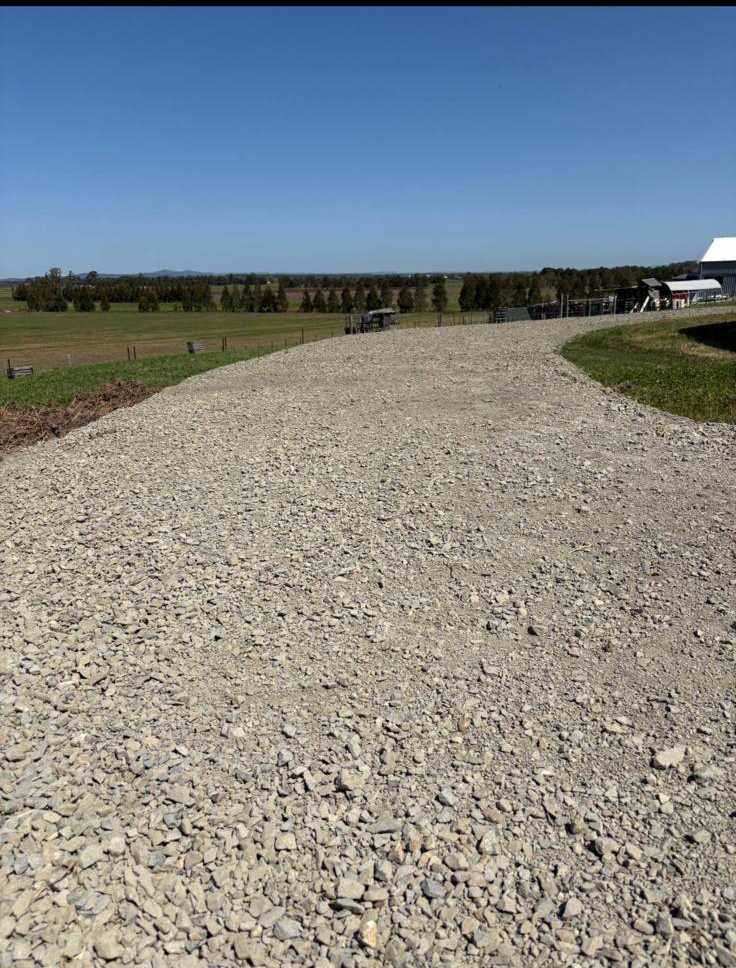
Driveway repairs in Greendale require more than simply filling cracks or adding a new layer of material over an existing surface. A driveway needs to handle vehicles, rainfall, changing ground conditions and regular daily use. When the underlying ground has drainage problems, settlement or poor preparation, a surface repair may only provide a temporary improvement.
For homeowners, property managers, builders and developers in Greendale, planning driveway repairs carefully can help identify the actual cause of deterioration before repair work begins. Cracking, potholes, uneven surfaces, edge damage and water pooling can all indicate different underlying problems. Understanding those problems helps determine whether a small repair is appropriate or whether more extensive ground preparation is required.
Bobby’s Bobcat Ground Levelling and Excavation provides groundwork services that can support driveway repairs and related site preparation requirements. Depending on the condition of the property, driveway work may involve ground levelling, excavation, removal of unsuitable material, soil removal and preparation of the area before the finished driveway surface is installed.
This guide explains 10 essential steps for planning driveway repairs in Greendale. It covers driveway inspection, identifying damage, drainage, ground conditions, excavation, material preparation, machinery access, safety, project scheduling and final checks.
1. Inspect the Existing Driveway Before Planning Repairs
The first step in driveway repairs in Greendale is a detailed inspection of the existing driveway.
A driveway can appear damaged on the surface while the actual problem exists underneath. For example, a crack may develop because of movement in the underlying ground. A pothole may form because water has entered a weak section. An uneven driveway may result from settlement or inadequate preparation.
Before deciding how to repair the surface, inspect the entire driveway and identify the areas requiring attention.
Look for Cracks
Cracks can vary considerably in size and severity.
Small surface cracks may develop from normal weather exposure or minor surface movement. Larger cracks, widening cracks or cracks associated with uneven sections can indicate a more significant issue.
Record where the cracks occur and whether they appear to be spreading.
Check for Potholes
Potholes commonly develop when water enters weakened areas and repeated vehicle movement breaks down the surface.
Small potholes may sometimes be repaired locally. Larger or recurring potholes may require investigation of the underlying base and drainage conditions.
Look for Uneven Areas
Driveways should provide a reasonably stable surface for vehicles.
Low sections, depressions and areas that have visibly settled can create problems with water drainage and vehicle movement.
If one part of the driveway has dropped compared with the surrounding surface, the underlying material may need to be assessed before resurfacing or repairing the area.
Examine the Edges
Driveway edges can deteriorate when vehicles regularly travel over them or when surrounding soil is not properly supported.
Edge failure may also occur where water flows along the side of the driveway.
Inspect both sides of the driveway and identify sections where the edge has broken away, become soft or lost its original shape.
Check for Water Pooling
Water pooling is an important warning sign.
After rainfall, observe whether water remains on the driveway or collects in particular areas. Persistent water can contribute to surface deterioration and may indicate that the driveway does not have suitable drainage or falls.
Addressing the water issue may be necessary before completing the surface repair.
2. Identify the Cause of Driveway Damage
Repairing the visible damage without addressing its cause can result in recurring problems.
A professional assessment should consider what caused the driveway to deteriorate.
Ground Settlement
Ground settlement occurs when underlying material changes position or compresses.
Settlement can create dips, uneven sections and cracking. If the underlying ground is unstable, simply repairing the visible surface may not provide a durable result.
Ground preparation may therefore be required before rebuilding the affected section.
Poor Base Preparation
The base beneath a driveway provides important structural support.
If the base was not properly prepared, compacted or constructed for the expected vehicle loads, the surface may deteriorate prematurely.
When repairing a damaged driveway, the condition of the existing base should be considered.
Drainage Problems
Water is one of the major factors that can contribute to driveway deterioration.
Poor drainage can allow water to remain around the driveway or penetrate beneath the surface.
Where drainage contributes to the damage, the repair plan should consider how water will move away from the driveway.
Tree Roots
Trees and established vegetation near driveways can sometimes affect surrounding ground conditions.
Roots may contribute to movement or create uneven areas depending on the site.
Where vegetation is contributing to driveway damage, the situation should be assessed carefully before removing roots or vegetation.
Heavy Vehicle Use
A driveway designed for ordinary residential vehicles may experience different stresses when regularly used by heavy vehicles.
Construction equipment, delivery vehicles, trucks or other heavy traffic can place additional loads on the driveway.
The expected vehicle use should therefore be considered when planning repairs.
3. Assess the Ground and Base Beneath the Driveway
One of the most important steps in driveway repairs is understanding what is underneath the damaged surface.
A driveway is not simply a top layer. Its performance depends on the ground beneath it and the materials used to support the finished surface.
Why Ground Preparation Matters
If unsuitable or unstable material remains beneath the driveway, new surface material may eventually experience movement.
Ground preparation can involve removing unsuitable soil, reshaping the area, bringing in suitable material and compacting the prepared surface according to the requirements of the project.
The exact method depends on the driveway type and site conditions.
Identify Soft Ground
Soft or unstable areas may become visible through vehicle tracks, depressions or movement after rainfall.
If a section feels unstable or repeatedly settles, the area may require further investigation before repair.
Check Existing Base Material
If an existing driveway has a base layer, assess whether it remains suitable for the planned repair.
In some cases, sections of the existing base can remain in place. In other situations, damaged material may need to be removed and replaced.
The decision should be based on the actual condition of the driveway.
Consider Ground Levels
Ground levels are particularly important where a driveway connects to a garage, road, footpath, carport or other paved area.
Incorrect levels can create drainage problems or create an uncomfortable transition between surfaces.
Ground levelling and excavation may therefore form part of a larger driveway repair project.
For related groundwork requirements, you can explore ground levelling services from Bobby’s Bobcat Ground Levelling and Excavation.
4. Plan Drainage Before Repairing the Driveway
Drainage should be considered before completing driveway repairs.
A repaired driveway can deteriorate again if water continues to collect beneath or around the surface.
Observe How Rainwater Moves
After rainfall, look at where water flows across the property.
Consider whether water moves toward the house, garage, neighbouring property or driveway.
Also check whether existing drains are blocked or whether the driveway has areas where water naturally collects.
Consider Driveway Falls
Driveways generally require suitable gradients so water can move away from the surface.
The appropriate fall depends on the driveway design, location and drainage arrangement.
Where changes to levels are required, the work should be planned carefully so that water does not create new problems.
Protect Buildings
Water should not be directed toward areas where it could create problems for buildings or other structures.
When a driveway sits close to a garage or house, drainage planning becomes particularly important.
Manage Runoff
Excavation and ground reshaping can change the way water moves across a property.
Any significant changes to levels should therefore be considered in relation to existing drainage and stormwater arrangements.
Where technical drainage design is required, consult an appropriately qualified professional.
5. Decide Whether Excavation or Ground Preparation Is Required
Not every damaged driveway needs excavation.
Some surface defects may be addressed with localised repairs. However, if the underlying material has failed, excavation and ground preparation may be necessary.
When Excavation May Be Required
Excavation may be considered when:
The existing base has deteriorated.
The ground beneath the driveway is unsuitable.
A section has significantly settled.
The driveway needs new levels.
Drainage improvements require changes to the ground.
Existing damaged material needs to be removed.
A new driveway section needs to connect with another area at a different level.
The actual requirements should be assessed on site.
Removing Unsuitable Material
If unsuitable soil or damaged base material is identified, it may need to be removed before replacement material is placed.
The depth of excavation depends on the site and project requirements.
Excavated material also needs to be managed properly rather than simply left beside the driveway.
Preparing the New Ground
After unsuitable material is removed, the area may need to be shaped and prepared for the next construction stage.
Compaction and material selection are important because the prepared ground needs to provide suitable support for the finished driveway.
For excavation and groundwork requirements, see detailed excavation services.
6. Choose the Appropriate Driveway Repair Approach
Different driveway surfaces require different repair methods.
The repair approach should match the existing surface, the extent of damage, the underlying ground and the intended use of the driveway.
Concrete Driveways
Concrete driveways can develop cracks, surface deterioration and settlement.
Minor defects may sometimes be addressed with localised repair methods. Larger structural problems may require removal and replacement of affected sections.
Gravel Driveways
Gravel driveways can develop potholes, ruts and uneven areas as vehicles move material and rainfall changes the surface.
Repair work may involve reshaping the driveway, adding suitable gravel and restoring the correct surface profile.
Asphalt Driveways
Asphalt can experience cracking, potholes and surface deterioration.
The appropriate repair depends on the extent and depth of the damage.
Mixed or Older Driveways
Older properties may have driveways constructed using several materials or layers.
Before repair work begins, identify what materials are present and how they interact with the surrounding ground.
A site assessment can help determine whether the existing surface can be repaired or whether more extensive reconstruction is appropriate.
7. Plan Machinery Access and Site Preparation
Machinery can make driveway repair and groundwork more efficient, but access must be considered before equipment arrives.
Check Driveway Width
Measure the available access width and identify narrow sections.
Gates, fences, buildings and neighbouring structures can restrict machinery movement.
Check Overhead Clearance
Trees, cables, awnings and other overhead structures can affect machinery access.
These restrictions should be identified before equipment is selected.
Protect Existing Property
During groundwork, consider nearby landscaping, walls, fences and other structures.
The excavation contractor should understand the site conditions and access limitations before beginning work.
Select Machinery for the Site
Different projects require different equipment.
Compact machinery may be suitable for restricted residential properties while larger equipment may be appropriate where there is sufficient access and a greater volume of material needs to be moved.
The machinery should match the job rather than simply being selected based on size.
8. Organise Soil and Material Removal
Driveway repairs involving excavation can produce soil, old base material, broken surface material and other waste.
Planning removal before work begins helps keep the site organised.
Estimate Material Volumes
The amount of material produced depends on the size and depth of the excavation.
Larger driveway reconstruction projects can generate substantial volumes of material.
Planning for transport and disposal early can help avoid unnecessary stockpiling.
Determine Whether Material Can Be Reused
Some material may be suitable for reuse depending on its condition and intended purpose.
However, unsuitable or contaminated material should not be reused without appropriate assessment.
Material intended for structural applications should meet the requirements of the relevant project.
Keep Access Clear
Material piles should not unnecessarily block access for machinery, vehicles or workers.
A clear site allows the excavation and repair process to proceed more efficiently.
For projects that involve significant soil removal, see sand and soil removal services.
9. Plan the Repair Schedule and Coordinate the Work
Driveway repairs can affect vehicle access to a home, business or construction site.
A realistic schedule helps property owners understand when the driveway may be unavailable and allows other work to be coordinated.
Plan Around Property Access
If the driveway is the primary vehicle entrance, determine where vehicles can park while repairs are underway.
Commercial properties may also need to consider customer access, deliveries and staff parking.
Coordinate With Other Contractors
If driveway repairs are part of a larger building or landscaping project, coordinate excavation with the other trades.
For example, drainage work may need to happen before driveway reconstruction. Landscaping may need to wait until heavy machinery has finished operating.
Allow for Unexpected Conditions
Existing driveways do not always reveal what is underneath.
Excavation may uncover unsuitable soil, old construction material, unexpected drainage infrastructure or other obstructions.
A practical schedule should allow for assessment if unexpected conditions are discovered.
Confirm the Work Area
Before machinery arrives, make sure the contractor knows which sections are included in the repair.
Clearly identifying the work area can help prevent confusion and unnecessary excavation.
10. Inspect the Completed Driveway Repairs
The final step is to inspect the completed work.
A driveway should be reviewed for surface condition, levels, drainage and access before the project is considered complete.
Check the Finished Levels
Look at the repaired section in relation to the surrounding driveway.
The repaired area should transition appropriately into existing surfaces.
Check Water Movement
Where practical, confirm that water is not collecting in newly repaired areas.
If drainage was part of the project, review the relevant drainage arrangement.
Inspect Edges
Check where the repaired driveway meets lawns, gardens, kerbs, paths and other surfaces.
Well managed edges can help maintain the overall condition of the driveway.
Confirm Surface Condition
Look for obvious soft spots, loose material, depressions or unfinished sections.
Any concerns should be discussed with the contractor before finalising the work.
Driveway Repairs for Residential Properties in Greendale
Residential driveway repairs often involve smaller work areas but can still require careful planning.
A driveway may connect the street with a garage, carport or house. This means even relatively small repairs can affect everyday vehicle access.
Homeowners should consider the age of the driveway, existing drainage, ground movement, vehicle usage and future property improvements.
If the driveway is being repaired as part of a wider landscaping project, it can be useful to coordinate driveway work with site preparation and ground levelling.
Driveway Repairs for Commercial Properties in Greendale
Commercial driveway repairs can involve additional considerations because vehicles may use the area more frequently and the property may need to remain accessible during the work.
Businesses should consider:
Vehicle volumes
Delivery vehicles
Customer access
Staff parking
Drainage
Heavy vehicle loads
Worksite safety
Repair scheduling
Material storage
Machinery access
For larger commercial properties, driveway repairs may form part of broader site preparation or earthmoving work.
Planning these activities together can help coordinate the overall project.
How Ground Levelling Supports Driveway Repairs
Ground levelling can be an important part of driveway repair when the surrounding ground levels are uneven.
An uneven site can affect drainage, driveway transitions and vehicle access.
Ground levelling may involve removing high areas, filling suitable low areas or reshaping the ground to achieve the required levels.
However, the appropriate approach depends on the existing soil, driveway design and engineering requirements.
Ground levelling should not be used simply to cover an underlying problem. The cause of settlement or movement should be investigated first.
How Excavation Supports Driveway Reconstruction
Excavation may be required when the existing driveway has failed below the visible surface.
Removing damaged material can allow the underlying area to be assessed and prepared for replacement.
Excavation may also be required when changing driveway levels or improving connections between different areas of the property.
The excavation depth and preparation method should be determined according to the actual project requirements.
Common Causes of Driveway Deterioration
Understanding why driveways deteriorate can help property owners identify potential problems early.
Poor Drainage
Persistent water can weaken surrounding ground and contribute to surface deterioration.
Ground Movement
Changes in soil conditions can cause settlement and movement.
Insufficient Base Preparation
A weak or poorly prepared base can reduce driveway performance.
Heavy Traffic
Repeated heavy vehicle use can accelerate surface deterioration.
Weather Exposure
Rainfall and temperature changes can contribute to cracking and surface wear over time.
Lack of Maintenance
Small cracks and drainage problems can become larger issues when they remain untreated.
Signs Your Driveway May Need More Than a Surface Repair
Some signs indicate that the problem may extend beneath the surface.
These include:
Large or expanding cracks
Repeated potholes
Significant settlement
Standing water
Soft ground
Widespread surface failure
Movement around driveway edges
Damage that returns after previous repairs
If these conditions are present, investigate the underlying ground and drainage before applying another surface repair.
Preparing for a Driveway Repair Quote in Greendale
Providing detailed information can help an excavation or groundwork contractor understand your requirements.
Before requesting a quote, prepare:
The property location
Approximate driveway dimensions
Photos of damaged areas
Information about previous repairs
Details about vehicle use
Known drainage problems
Access restrictions
Information about nearby structures
Any available plans
Information about soil or ground conditions
A site inspection may then be required to assess the driveway properly.
The final cost can vary depending on the amount of excavation, material removal, machinery requirements, access conditions and repair method.
Driveway Repair Safety Considerations
Driveway repairs involving excavation and machinery should be planned with safety in mind.
Work areas should be managed so that vehicles, pedestrians and machinery do not interfere with one another.
Underground services should also be investigated before excavation.
Before You Dig Australia provides a national service for obtaining information about underground utility infrastructure. You can visit Before You Dig Australia for further information.
SafeWork NSW also provides guidance relating to excavation and earthmoving work. Relevant information is available through SafeWork NSW.
The exact safety requirements depend on the project and site conditions. Where specialist assessment is required, engage an appropriately qualified professional.
Environmental Considerations During Driveway Repairs
Driveway repair work can affect soil, vegetation, drainage and surrounding areas.
Good planning can help reduce unnecessary disturbance.
Control Soil Movement
Excavated soil should be managed so it does not unnecessarily move onto roads, neighbouring properties or stormwater systems.
Manage Dust
Dry excavation and material handling can generate dust.
Appropriate site management should be used where dust may affect workers, neighbours or nearby properties.
Protect Drainage
Soil and loose material should not be allowed to enter stormwater systems.
Manage Waste
Old driveway material and unsuitable soil should be managed according to applicable requirements.
Where waste classification or disposal requirements are unclear, obtain appropriate advice.
Why Professional Groundwork Planning Matters
Driveway repairs can look straightforward from the surface. However, the long term result depends on what happens underneath.
Professional groundwork planning considers the existing ground, drainage, access, machinery, material handling and final levels.
This broader approach can help property owners understand whether they need a local repair, ground preparation or more extensive reconstruction.
For homeowners and businesses in Greendale, the right repair approach depends on the actual condition of the property.
Practical Driveway Repair Checklist for Greendale Property Owners
Before starting driveway repairs, review the following checklist:
Inspect the entire driveway.
Identify cracks and potholes.
Check for uneven areas.
Look for water pooling.
Inspect driveway edges.
Consider the underlying ground.
Check existing drainage.
Identify underground services before excavation.
Measure the driveway and affected areas.
Confirm access for machinery.
Determine whether excavation is required.
Plan soil and material removal.
Choose a suitable repair approach.
Coordinate the repair schedule.
Protect surrounding structures and landscaping.
Inspect the finished work.
This checklist can help property owners prepare useful information before discussing their project with a professional.
Frequently Asked Questions About Driveway Repairs in Greendale
1. What are the most common reasons a driveway needs repairs?
Common reasons include cracking, potholes, settlement, drainage problems, edge deterioration, heavy vehicle use and deterioration of the underlying base. The correct repair method depends on the cause and extent of the damage.
2. Can a damaged driveway be repaired without complete replacement?
In some situations, yes. Localised damage may be repairable without replacing the entire driveway. However, if the underlying base or ground has failed, more extensive reconstruction may be necessary.
3. How do I know if driveway damage is caused by poor drainage?
Persistent water pooling, soft areas, erosion around driveway edges and deterioration that becomes worse after rainfall can indicate drainage issues. A site assessment can help determine whether drainage is contributing to the problem.
4. Does driveway repair require excavation?
Not always. Minor surface repairs may not require excavation. Excavation becomes more relevant when the underlying ground or base has deteriorated, when levels need to change or when unsuitable material needs to be removed.
5. Can a bobcat be used for driveway repairs?
A bobcat can be useful for suitable groundwork activities such as moving soil, removing material, preparing areas and assisting with ground levelling. The appropriate machinery depends on site access, excavation requirements and the amount of material involved.
6. How long do driveway repairs take?
The timeframe depends on the driveway size, extent of damage, ground conditions, machinery access, material requirements and weather. A small localised repair can require significantly less work than a driveway that needs excavation and reconstruction.
7. What should I do if my driveway keeps developing potholes?
Recurring potholes should be investigated rather than repeatedly filled without assessing the underlying cause. Drainage problems, weak base material or unstable ground may contribute to recurring damage.
8. Can drainage problems cause driveway settlement?
Drainage problems can contribute to changes in ground conditions and may play a role in settlement. However, settlement can have multiple causes, so the specific site should be assessed before determining the appropriate repair method.
9. Can driveway repairs be combined with ground levelling?
Yes. Where uneven ground levels contribute to driveway problems, ground levelling may form part of a broader repair or reconstruction project. The appropriate approach depends on the site and the desired finished levels.
10. What happens to material removed during driveway repairs?
Removed material may be reused where appropriate, stockpiled temporarily or transported away for suitable disposal. The correct method depends on the material type, condition and applicable requirements.
11. Should underground services be checked before driveway excavation?
Yes. Underground services should be investigated before excavation. Electricity, gas, water, telecommunications and other infrastructure may be located beneath or near the driveway.
12. What information should I provide when requesting driveway repair services?
Provide the property location, driveway dimensions, photographs of the damage, access information, known drainage issues, vehicle usage and details about previous repairs. This information can help the contractor understand the scope before a site inspection.
13. Are driveway repairs suitable for commercial properties?
Yes. Commercial driveways can require repairs because of vehicle traffic, deliveries, parking requirements and general site use. Commercial projects may require additional planning to maintain access and coordinate repairs with business operations.
14. Can driveway repairs improve drainage?
Driveway repair work can sometimes include changes to levels or related groundwork that support better water movement. However, drainage design depends on the property and should be assessed according to site conditions and applicable requirements.
Final Thoughts on Driveway Repairs in Greendale
Planning driveway repairs properly starts with identifying the actual cause of the problem.
A cracked or uneven surface may be the visible symptom of a deeper issue involving drainage, settlement, unsuitable ground or an inadequate base. By inspecting the driveway, assessing ground conditions, checking underground services, planning drainage, selecting suitable machinery and organising material removal, property owners can approach the repair process with a clearer understanding of what the project requires.
For some properties, a localised repair may be appropriate. Other driveways may require excavation, ground preparation and reconstruction. The right approach depends on the condition of the existing driveway and the requirements of the finished surface.
Bobby’s Bobcat Ground Levelling and Excavation can assist with related groundwork requirements including excavation, ground levelling, site preparation and soil removal.
Planning driveway repairs in Greendale? Visit Bobby’s Bobcat Ground Levelling and Excavation to discuss your groundwork requirements and determine the appropriate next step for your property.
If your driveway repair project requires ground preparation, excavation or material removal, early planning can help make the work easier to coordinate with the rest of your property improvement or construction project.