Bobcat Excavation Hensbrey: Complete Guide to Residential and Property Excavation
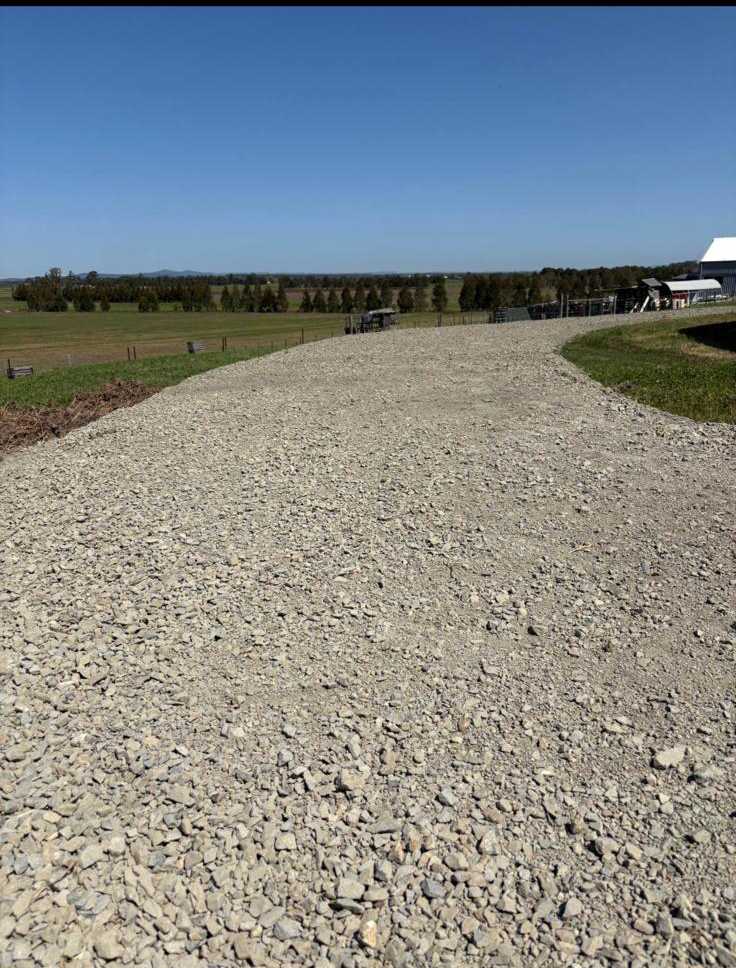
If you are planning construction, landscaping, a driveway, drainage work, a pool project or another property improvement in Hensbrey, the quality of the groundwork can influence everything that follows.
Bobcat excavation provides a practical way to move soil, prepare ground, create access, remove unwanted material and shape areas for the next stage of a project. However, excavation involves much more than simply bringing a machine onto a property and digging.
The right approach starts with understanding the existing site.
Ground levels, soil conditions, access restrictions, underground services, surrounding structures, drainage requirements and the final purpose of the area all need consideration before excavation begins.
For homeowners, builders, landscapers and property developers looking for Bobcat excavation Hensbrey, understanding the process can make it easier to plan the job, communicate with an excavation contractor and prepare the property before machinery arrives.
This guide explains what Bobcat excavation involves, when it may be required, how site access affects machinery selection, what happens to excavated soil, how excavation connects with landscaping and construction, what to consider before digging and how to prepare for an excavation quote.
What Is Bobcat Excavation?
Bobcat excavation refers to excavation and earthmoving work carried out using compact machinery suited to a range of property and construction environments.
The term Bobcat is commonly used when people search for smaller excavation and earthmoving equipment that can work in areas where larger machinery may have limited access.
Depending on the project, Bobcat excavation can involve:
Removing soil
Levelling uneven ground
Preparing construction areas
Clearing selected areas
Moving materials
Preparing landscaping sites
Excavating for outdoor projects
Preparing driveway areas
Removing excess soil
Creating access
Preparing areas for concrete
Supporting drainage related groundwork
Preparing sites for other trades
The exact service depends on what the property requires.
For example, a backyard landscaping project may require careful excavation and levelling within a restricted area. A larger construction project may require more extensive earthmoving and material management.
Therefore, the machine should be selected according to the site rather than assuming that every excavation project requires the same equipment.
Why Bobcat Excavation Can Be Useful for Hensbrey Properties
Residential and property improvement projects often have access limitations.
A narrow driveway, side passage, fence, retaining wall or existing structure can restrict the amount of space available for machinery.
Compact excavation equipment can be useful in situations where access needs careful planning.
That does not mean a Bobcat is automatically suitable for every project.
The machine still needs enough room to enter, operate and safely move material. The excavation depth, volume of material, ground conditions and project requirements also matter.
For that reason, a proper site assessment remains important.
The objective should always be to match the equipment and excavation method to the actual property.
What Can Bobcat Excavation Be Used For?
Bobcat excavation can support many types of residential and commercial groundwork.
Common applications include:
Site preparation
Ground levelling
Landscaping preparation
Driveway preparation
Concrete preparation
Pool excavation
Garden preparation
Soil removal
Earthmoving
Material movement
Drainage related excavation
Construction preparation
Property clean up
Access preparation
Detailed excavation
Not every job requires all of these tasks.
Some projects may only require a few hours of ground preparation. Other projects can involve several stages of excavation, material movement and site preparation.
The best approach depends on the intended finished result.
Bobcat Excavation for Site Preparation
Site preparation creates the groundwork for a future project.
Before construction or landscaping begins, the property may need clearing, excavation, levelling or soil removal.
A typical preparation process may involve:
Assessing the property
Identifying the work area
Checking machinery access
Confirming required levels
Checking underground services
Planning material handling
Removing unwanted material
Excavating the required area
Levelling the ground
Preparing the area for the next contractor
This process connects the existing property with the planned project.
For example, a homeowner may want to transform an uneven backyard into an outdoor entertaining area. The excavation stage may involve removing excess soil and adjusting the levels before landscaping or construction begins.
A builder may require excavation to prepare a construction area.
A landscaper may need an existing section of ground cleared and shaped before installing gardens and outdoor features.
Each situation requires a different preparation strategy.
Understanding Ground Levels Before Excavation
Ground levels deserve attention before excavation begins.
Natural ground often contains slopes, high points and low points. Existing levels may also have changed because of previous construction, landscaping or filling.
The finished level depends on the purpose of the project.
A garden may need gradual changes in elevation.
A driveway may need levels that connect with the existing road and property access.
A concrete area may require a specific formation.
A building project may have engineering or construction levels that need to be followed.
As a result, excavation should not rely only on visual judgement when accurate levels matter.
Where plans or measurements exist, provide them to the excavation contractor before work begins.
Cut and Fill Work
Cut and fill describes two common earthmoving activities.
Cutting involves removing material from a higher section of ground.
Filling involves placing suitable material into a lower section.
Together, these activities can help achieve a required ground profile.
However, excavated material does not automatically qualify as suitable fill.
The type of soil, moisture, material composition and project requirements can affect whether it can remain on the property.
For that reason, material handling should form part of the excavation plan.
Soil Removal After Bobcat Excavation
Excavation often creates excess material.
The amount depends on the size and depth of the excavation.
If the project does not require the material elsewhere, it may need to leave the property.
Soil removal involves more than digging.
The material needs to be loaded, transported and handled appropriately.
Planning this before excavation begins can help prevent piles of soil from blocking driveways, access paths or working areas.
Bobby’s Bobcat provides sand and soil removal as part of its groundwork services. You can review the Sand and Soil Removal service when planning a project that will generate excess material.
Bobcat Excavation for Landscaping
Landscaping often begins with groundwork.
Before plants, turf, pathways, garden edging or outdoor structures are installed, the existing land may need to be cleared and shaped.
Bobcat excavation can assist with:
Removing unwanted soil
Creating garden levels
Shaping outdoor areas
Preparing turf areas
Preparing pathways
Clearing selected sections
Creating access
Moving landscaping materials
Preparing areas for retaining structures
The required work depends on the landscape design.
A simple garden improvement may need minor preparation, while a major backyard transformation may require extensive earthmoving.
Bobby’s Bobcat provides Landscaping Site Preparation as part of its excavation and groundwork services.
Bobcat Excavation for Ground Levelling
Uneven ground can make a property difficult to use.
Furniture may not sit comfortably.
Turf installation can become more complicated.
Outdoor structures may require a suitable formation.
Drainage can also become difficult to plan when existing levels do not work with the proposed design.
Ground levelling can involve cutting high areas, moving material and preparing lower sections.
However, the goal is not necessarily to make the entire property perfectly flat.
Instead, the ground should be shaped according to the intended use.
Bobby’s Bobcat provides Ground Levelling for property improvement, landscaping and other groundwork projects.
Bobcat Excavation for Driveway Preparation
Driveways require a suitable foundation beneath the finished surface.
Depending on the existing property, preparation may include excavation, soil removal, levelling and preparation for road base or another specified material.
Access also matters because the driveway often provides the main route for excavation machinery.
The contractor may need to consider:
Existing driveway condition
Property entrance
Slope
Drainage
Ground levels
Soil type
Finished driveway level
Material requirements
Connection with the street
If you are preparing a driveway, discuss the excavation requirements with the driveway contractor before the ground is altered.
That coordination helps ensure the excavation matches the finished driveway design.
Bobcat Excavation for Concrete Areas
Concrete projects also require proper ground preparation.
A concrete slab, pathway, patio or outdoor area needs an appropriate base and formation according to the project requirements.
Excavation may therefore involve:
Removing existing soil
Removing unsuitable material
Creating the required level
Preparing the formation
Moving excess soil
Creating machinery access
Preparing the area for the concreter
The excavation contractor should understand the concreter’s requirements before work begins.
A visually level area does not automatically mean that the ground meets the requirements for concrete installation.
Bobcat Excavation for Pool Projects
Pool excavation is another common reason property owners require earthmoving equipment.
The excavation needs to follow the pool design and account for the surrounding property.
Before excavation begins, consider:
Pool dimensions
Required excavation depth
Machinery access
Existing structures
Underground services
Excavated soil
Material removal
Neighbouring property boundaries
Working space
Pool construction schedule
Excavated material can become a major logistical issue on residential properties.
Planning where the soil will go before digging begins can make the process much easier.
Bobcat Excavation for Drainage Work
Drainage projects may require excavation to create trenches or prepare areas for drainage infrastructure.
The exact excavation method depends on the drainage design.
The contractor may need to work around:
Existing buildings
Driveways
Gardens
Retaining walls
Underground services
Existing pipes
Electrical infrastructure
Telecommunications
Because drainage excavation can involve defined levels and gradients, the required specifications should be available before digging.
Where the project involves regulated or technical drainage infrastructure, follow the requirements of the relevant professional or authority.
Detailed Excavation
Some excavation projects require more controlled digging rather than broad earthmoving.
Detailed excavation can involve accurately preparing specific areas for construction, drainage, landscaping or other work.
The work may require attention to:
Dimensions
Depth
Location
Existing structures
Finished levels
Access
Material handling
Bobby’s Bobcat also provides Detailed Excavation as part of its excavation services.
When accuracy matters, providing plans or clear measurements before excavation can help the contractor understand the required result.
Bobcat Excavation and Machinery Access
Access is one of the first practical questions to consider.
Before booking excavation, look at the route from the street to the working area.
Consider:
Gate width
Driveway width
Fence positions
Trees
Low branches
Retaining walls
Buildings
Steps
Slopes
Overhead services
Neighbouring structures
The available access can influence which machine is suitable.
A machine may have enough digging capacity but still fail to reach the work area because the entry point is too narrow.
That is why photographs are valuable when requesting an excavation quote.
How to Measure Access for a Bobcat
Start with the narrowest point between the street and the work area.
Measure the gate opening.
Then consider the driveway width and any tight turns.
Check for low branches and overhead obstacles.
Look at the ground surface and slope.
Also consider whether fences or gates can be temporarily opened or removed.
Photos from several angles can provide useful context.
If the access route includes a narrow side passage, take photographs from both ends.
This information helps the excavation contractor assess the job before arriving.
Underground Services Before Excavation
Underground services are one of the most important safety considerations when planning excavation.
Services can include electricity, gas, water and telecommunications.
SafeWork NSW says that before excavation work starts, current information about underground essential services at the workplace and adjacent areas must be obtained. That information should also be provided to anyone carrying out the excavation work.
Before You Dig Australia provides a free referral service for obtaining information about underground infrastructure from participating asset owners.
You can use Before You Dig Australia before starting excavation.
The service is useful for residential projects as well as larger construction work.
BYDA also explains that the service does not necessarily identify every service on every property because not every asset owner is a member. Therefore, the plans should be reviewed carefully and other appropriate locating measures should be considered.
The Five Ps of Safe Excavation
Before You Dig Australia promotes five steps for safer excavation:
Plan
Prepare
Pothole
Protect
Proceed
Planning involves lodging the required enquiry and obtaining current utility information.
Preparation involves reviewing the plans and identifying hazards.
Potholing may help verify service locations where appropriate and permitted.
Protection involves marking and protecting identified infrastructure.
Proceed means beginning excavation after the relevant planning and controls are in place.
BYDA recommends obtaining free plans before excavation and following its safe excavation process.
Why Safe Excavation Planning Matters
Excavation machinery can be powerful and heavy.
The excavation area may also contain hazards that are not visible from the surface.
Potential risks include:
Underground services
Unstable ground
Open excavations
Plant movement
Overhead services
Nearby structures
Restricted access
Changing ground conditions
Public access
SafeWork NSW identifies excavation and earthmoving plant as activities that require appropriate precautions and safety planning.
Where excavation work meets the criteria for high risk construction work, additional safety requirements can apply, including a Safe Work Method Statement.
The exact requirements depend on the work being undertaken and the site conditions.
Protecting Existing Structures
Excavation close to buildings, retaining walls, fences and other structures requires careful planning.
Removing soil can change the support conditions around nearby structures.
The contractor should understand what structures are close to the excavation area.
This becomes particularly important where excavation involves significant depth or occurs close to foundations.
If engineering advice is required, obtain it before excavation begins.
A site inspection can help identify potential constraints before machinery starts digging.
Soil Conditions and Excavation
Ground conditions vary between properties.
Excavation may encounter:
Topsoil
Clay
Sand
Gravel
Imported fill
Mixed material
Rocks
Previously disturbed ground
The material affects how easily the machine can excavate and how the excavated material should be handled.
Unexpected ground conditions can also change the time or scope required.
For that reason, excavation estimates should allow for the information known about the property while recognising that underground conditions can sometimes differ from what is visible on the surface.
Previously Filled Areas
Some properties contain areas that were previously filled or modified.
The visible surface may not show what exists underneath.
Previous landscaping, demolition, construction or earthmoving may have changed the ground profile.
If a project requires a specific formation or load bearing condition, the ground may need appropriate assessment before construction.
This is especially relevant when excavation forms part of a larger building project.
How Much Does Bobcat Excavation Cost in Hensbrey?
There is no single price for Bobcat excavation.
Every project has different requirements.
The cost can depend on:
Excavation area
Excavation depth
Volume of material
Soil conditions
Machinery requirements
Access conditions
Travel
Working time
Material loading
Soil removal
Disposal requirements
Site preparation
Additional attachments
Finished level requirements
The most useful way to discuss cost is to provide enough information for the contractor to understand the scope.
A vague request such as “How much is a Bobcat?” does not provide enough information to estimate a particular excavation project.
Instead, describe the work you need completed.
What Should Be Included in an Excavation Quote?
A useful quote discussion should clarify the scope.
Ask about:
Machine and operator
Expected excavation work
Ground levelling
Material movement
Soil removal
Transport
Disposal
Access
Additional equipment
Expected working time
Site preparation
Any conditions that could change the scope
The exact inclusions depend on the contractor and project.
Comparing quotes becomes easier when the scope is similar.
A lower figure does not necessarily represent the same service if one quote excludes soil removal or transport while another includes it.
How to Request a Bobcat Excavation Quote
Before contacting an excavation contractor, collect basic information.
Include:
Your Hensbrey property location
Type of project
Approximate dimensions
Expected excavation depth
Photos
Access photos
Gate width
Existing structures
Known underground services
Available plans
Soil removal requirements
Desired finished level
Preferred timing
This information can help the contractor understand the job.
For more complicated projects, plans and drawings can provide additional detail.
What Happens During Bobcat Excavation?
The exact process varies, but a typical project may follow several stages.
Initial Discussion
The contractor learns about the project and the intended result.
Site Assessment
The working area and access route are considered.
Service Planning
Underground and overhead infrastructure information is reviewed.
Machinery Planning
The appropriate machine and attachments are considered.
Site Preparation
Obstacles or unwanted material may need removal before excavation.
Excavation
The operator removes or moves material according to the agreed scope.
Material Management
Excavated material is placed, reused or removed according to the project plan.
Ground Shaping
The area is brought toward the required level or profile.
Site Handover
The prepared area is left ready for the next stage of the project.
What Can Homeowners Do Before the Machine Arrives?
Homeowners can help prepare the property.
Move vehicles away from the work area.
Remove garden furniture and loose items.
Keep children and pets away from machinery.
Clear unnecessary obstacles.
Confirm gate access.
Provide available plans.
Discuss underground services.
Tell the contractor about structures that need protection.
Confirm what should happen to excavated material.
If another contractor will follow the excavation, provide their requirements.
These simple steps can reduce delays.
What Should Stay Out of the Excavation Area?
Before work starts, remove items that could obstruct the machine.
These may include:
Garden furniture
Children’s toys
Vehicles
Loose building materials
Potted plants
Tools
Temporary structures
Stored equipment
Other movable items
Permanent structures should not simply be removed or altered without proper planning.
The contractor should know what needs to remain untouched.
Bobcat Excavation for Builders
Builders often need excavation contractors to prepare a site before construction.
Depending on the project, this may involve:
Site clearing
Bulk excavation
Detailed excavation
Ground levelling
Soil removal
Access preparation
Material movement
Foundation preparation
The builder should provide the relevant plans and levels so the excavation work aligns with the construction requirements.
Good communication between the builder and excavation contractor helps keep the groundwork connected to the wider construction sequence.
Bobcat Excavation for Landscapers
Landscapers may need excavation support before installing:
Gardens
Turf
Retaining walls
Pathways
Outdoor entertaining areas
Garden beds
Drainage features
Decorative landscaping
Outdoor structures
The excavation requirements should follow the landscape design.
If the landscaper needs a particular level, depth or shape, provide those details before work begins.
Bobcat Excavation for Property Owners
Property owners may not have a detailed construction plan.
That does not mean they cannot discuss excavation.
Explain the result you want.
For example:
“I want to create a level backyard for landscaping.”
“I need excess soil removed.”
“I want to prepare an area for a driveway.”
“I need an area excavated for a pool.”
“I want to prepare the ground before concrete work.”
The contractor can then discuss what groundwork may be appropriate.
Site Preparation Before Landscaping
A landscaping project often benefits from early preparation.
The process may include:
Clearing
Excavation
Ground shaping
Soil removal
Levelling
Material movement
Access preparation
Surface preparation
Bobby’s Bobcat provides landscaping site preparation services that can support this stage of a landscaping project.
You can explore the Landscaping Site Preparation service to understand the type of groundwork involved.
Site Preparation Before Construction
Construction projects require careful coordination.
Before excavation begins, the contractor may need:
Site plans
Engineering information
Finished levels
Excavation dimensions
Access information
Service information
Material handling requirements
The more precise the construction requirements, the more important accurate preparation becomes.
Excavation should follow the project requirements rather than simply removing a visually estimated amount of soil.
Bobcat Excavation and Drainage
Drainage is closely connected with ground levels.
Water needs an appropriate path to move away from areas where it could cause problems.
Excavation can help create the ground profile needed for drainage infrastructure.
However, excavation alone does not constitute a complete drainage design.
Where drainage engineering or specialist installation is required, the appropriate professional should determine the design.
The excavation contractor can then work according to those requirements.
Bobcat Excavation and Retaining Walls
Retaining wall projects often involve excavation.
The required excavation depends on:
Wall design
Wall location
Ground level
Foundation requirements
Drainage
Access
Soil conditions
Engineering specifications
Because retaining walls manage soil and changes in ground level, the excavation requirements should follow the wall design.
Where engineering certification or plans apply, those requirements should be available before excavation.
Bobcat Excavation for Backyard Improvements
Many backyard projects start with groundwork.
An unused area can become:
A lawn
Garden
Outdoor entertaining area
Pathway
Play area
Pool area
Shed location
Driveway extension
Retaining wall area
The first step may involve removing excess material and adjusting levels.
A compact excavation machine can provide practical assistance when access allows.
The final result should always match the planned use of the space.
Why Planning the Final Result Matters
Excavation without a clear final objective can create unnecessary work.
Suppose a homeowner removes a large amount of soil simply to create a flat area.
Later, the landscape design may require a slope for drainage or different levels for garden beds.
That can mean additional earthmoving.
Instead, plan the finished area first.
Then determine how excavation can support that result.
This approach can reduce unnecessary movement of material.
Managing Excavated Material
Material management deserves attention before excavation.
Ask:
How much material may be removed?
Can any suitable material remain on the property?
Where can it be placed temporarily?
Does it need transport?
Who arranges removal?
Are there restrictions on where material can be placed?
Will the material obstruct other work?
Planning these questions early can make the excavation process more efficient.
What Happens if Unexpected Material Is Found?
Excavation can sometimes reveal material that was not visible from the surface.
Examples may include buried construction material, hard ground, rock or previously placed fill.
If the unexpected condition changes the excavation requirements, the contractor may need to discuss the situation before continuing.
This is another reason to have a clear scope rather than assuming that every excavation project will proceed exactly according to an initial estimate.
Weather and Excavation
Weather can affect ground conditions.
Rain may make some areas softer and more difficult to access.
Wet material may also behave differently during loading and transport.
Dry conditions can create dust depending on the material and activity.
Therefore, weather can influence scheduling and site conditions.
A little flexibility can help when planning excavation work around changing conditions.
Why Site Access Should Be Discussed Early
Access affects the entire excavation process.
It affects:
Machine selection
Working position
Material movement
Loading
Safety
Working time
Site protection
If the machine cannot reach the required area, the project may require another approach.
Therefore, provide access photographs when requesting a quote.
Mention narrow gates, fences, steep driveways and any other restrictions.
Protecting Your Property During Excavation
Excavation machinery operates around existing property features.
These can include:
Driveways
Fences
Garden beds
Walls
Buildings
Paving
Trees
Retaining structures
Pools
Utilities
Before work starts, identify features that need protection.
Discuss them with the operator.
Clear communication helps the excavation team understand the boundaries of the work.
Bobcat Excavation and E E A T
Useful excavation information should answer real questions that property owners have before booking a contractor.
A high quality excavation service page or article should explain:
What the service involves
When it is useful
What affects cost
How access works
What preparation is required
How material is handled
What safety issues matter
What information a customer should provide
What happens after excavation
This practical information supports trust because it helps potential customers understand the process before contacting the business.
Bobby’s Bobcat focuses on excavation, ground levelling and earthmoving services for property owners, builders and landscaping projects.
For a customer researching Bobcat excavation in Hensbrey, the goal should be to understand the project requirements rather than simply repeat the phrase “Bobcat excavation Hensbrey.”
Questions to Ask Before Booking
Before hiring an excavation contractor, ask:
What type of machine will suit my property?
Can the machine access the work area?
How will excavated material be handled?
Is soil removal included?
What information do you need before starting?
Do you need plans or finished levels?
What should I do before the machine arrives?
How should underground services be checked?
What could change the estimated cost?
What will the site look like after excavation?
These questions can help clarify expectations.
Common Bobcat Excavation Mistakes
Ignoring Access
A machine cannot work effectively if it cannot reach the excavation area.
Check access first.
Starting Without Utility Information
Underground services can create serious risks.
Obtain current information before excavation.
Failing to Plan Soil Removal
Excavated material needs somewhere to go.
Plan this before the machine starts.
Guessing Finished Levels
Visual estimates may not match construction or landscaping requirements.
Use plans or measurements when accuracy matters.
Choosing Machinery Only by Size
The largest machine is not automatically the right machine.
Access and site conditions matter too.
Forgetting the Next Contractor
The excavation needs to prepare the site for whatever happens next.
Not Discussing Existing Structures
Nearby buildings, fences and retaining walls need consideration.
Comparing Quotes Without Comparing Scope
Two prices may cover different services.
Compare what each quote includes.
A Simple Bobcat Excavation Checklist
Before your excavation project starts, check:
Project purpose
Work area
Approximate dimensions
Required depth
Finished levels
Machinery access
Gate width
Driveway access
Underground services
Overhead services
Existing structures
Soil conditions
Material handling
Soil removal
Drainage
Project timing
Next contractor
Site safety
Having this information ready can make the initial discussion easier.
How to Make Your Excavation Project Easier
Start with the finished result.
Then work backwards.
Determine what needs to be removed.
Determine what needs to remain.
Identify the required levels.
Check access.
Check services.
Plan material handling.
Coordinate with other contractors.
Finally, schedule the excavation.
This approach provides a clear sequence and reduces the chance of overlooking an important part of the groundwork.
Planning Bobcat Excavation in Hensbrey?
If you are preparing a Hensbrey property for landscaping, construction, a driveway, concrete, a pool or another improvement, discuss the groundwork before the project begins.
Bobby’s Bobcat Ground Levelling and Excavation provides excavation and earthmoving services for residential and property projects.
Visit the Bobby’s Bobcat Services page to explore the available excavation and groundwork services.
When requesting an estimate, provide photographs of the work area and access route along with approximate dimensions and information about the project.
Preparing for Your Excavation Quote
A good quote starts with useful information.
Provide:
Your property location
Project description
Approximate dimensions
Photos
Access photographs
Gate measurements
Expected excavation depth
Existing structures
Known services
Available plans
Soil removal requirements
Desired finished levels
Preferred timing
If you have drawings from a builder, landscaper, engineer or designer, provide those where appropriate.
What If You Do Not Know the Excavation Terms?
You do not need to know every technical excavation term before contacting a contractor.
Instead, explain what you want to achieve.
Tell the contractor what the area looks like now.
Then describe what you want it to become.
For example, you might want an uneven backyard prepared for landscaping.
You might need excess soil removed after a building project.
You might need ground prepared before a driveway is installed.
You might need an area excavated for a pool.
These descriptions give the contractor useful information without requiring you to identify the exact excavation method yourself.
When Is Bobcat Excavation Suitable?
Bobcat excavation may suit projects where compact earthmoving equipment can access the work area and perform the required task.
Potential applications include:
Residential landscaping
Ground levelling
Site preparation
Driveway preparation
Concrete preparation
Soil removal
Garden preparation
Pool excavation
Property improvements
Detailed excavation
Construction groundwork
The suitability depends on the actual site.
A site assessment remains the best way to determine the appropriate equipment and excavation approach.
Bobcat Excavation Versus Larger Earthmoving Equipment
Equipment selection depends on the project.
Compact machinery can be useful where access is restricted.
Larger equipment may make more sense when the site has open access and a large volume of material needs to move.
The choice depends on:
Site access
Excavation size
Material volume
Required reach
Ground conditions
Working area
Project duration
Transport
Attachments
Therefore, “bigger” does not automatically mean “better.”
The right machine is the one that can safely and efficiently perform the required work within the conditions of the property.
Get Your Hensbrey Groundwork Planned
If your property needs excavation, ground levelling, site preparation or soil removal, start by explaining the project and the result you want.
Bobby’s Bobcat Ground Levelling and Excavation offers groundwork services for residential and property projects across Sydney.
Visit the Bobby’s Bobcat website to learn more about the business and available services.
You can also review Ground Levelling, Detailed Excavation, Landscaping Site Preparation and Sand and Soil Removal when deciding which type of groundwork may be relevant to your project.
Frequently Asked Questions About Bobcat Excavation Hensbrey
What is Bobcat excavation?
Bobcat excavation involves using compact earthmoving machinery for tasks such as excavation, ground levelling, soil removal, site preparation and material movement. The appropriate machine depends on access, ground conditions and the project requirements.
What can Bobcat excavation be used for?
Bobcat excavation can support site preparation, landscaping, ground levelling, driveway preparation, concrete preparation, soil removal, pool excavation, detailed excavation and other property improvement projects.
Is Bobcat excavation suitable for a residential property?
It can be suitable for residential projects where the equipment can safely access and operate within the property. Gate width, driveway access, working space, excavation depth and existing structures all need consideration.
How much does Bobcat excavation cost in Hensbrey?
The cost depends on the size and depth of the excavation, ground conditions, access, machinery requirements, working time, soil removal and other project requirements. Providing photographs, dimensions and project details can help with the quote process.
Do I need to check underground services before excavation?
Yes. Underground services should be identified before excavation. SafeWork NSW requires current information about underground essential services to be obtained before excavation work starts. Before You Dig Australia provides a free referral service for obtaining information from participating asset owners.
Can Bobcat excavation remove excess soil?
Yes. Excavation can generate excess soil that may need to be moved or removed. Bobby’s Bobcat also provides Sand and Soil Removal as part of its groundwork services.
Can Bobcat excavation level an uneven backyard?
It can. Ground levelling may involve removing material from higher sections and moving or removing material to create a more suitable profile. The finished level should match the intended landscaping, construction or property improvement project.
Can Bobcat excavation prepare land for landscaping?
Yes. Landscaping projects may require clearing, excavation, ground shaping, soil removal and levelling before gardens, turf, pathways and other features are installed.
Can Bobcat excavation prepare a driveway area?
Yes. Driveway preparation may involve excavation, soil removal, ground levelling and preparation for the driveway base. The exact requirements depend on the driveway design and finished surface.
Can Bobcat excavation be used for concrete preparation?
Yes. Excavation and ground preparation can create the required formation for concrete work. The preparation should follow the requirements supplied by the concreter or project designer.
Can Bobcat excavation be used for pool excavation?
It can be used for pool excavation where the equipment can safely access the property and perform the required excavation. Pool dimensions, excavation depth, access, underground services and soil removal should be considered before work begins.
How do I prepare my property for Bobcat excavation?
Remove vehicles and loose items from the working area, keep people and pets away from machinery, confirm access, provide available plans and discuss underground services. Photographs of the site and access route can also help with planning.
What information should I provide when requesting an excavation quote?
Provide the property location, project type, approximate dimensions, expected excavation depth, photographs, access information, gate width, existing structures, available plans, known services and whether excavated soil needs removal.
How long does Bobcat excavation take?
The duration depends on the excavation size, material volume, ground conditions, machine access, soil removal and project requirements. A small residential job can have very different requirements from a larger construction project.
Can excavated soil be reused on the property?
Potentially. Reuse depends on the type and condition of the material and the requirements of the project. Not all excavated material is automatically suitable for reuse or filling.
What happens after Bobcat excavation?
The next stage depends on the project. The prepared area may proceed to landscaping, concrete installation, driveway construction, building work, drainage, turf installation or another form of property improvement.
Final Thoughts on Bobcat Excavation Hensbrey
Bobcat excavation can form an important part of residential construction, landscaping and property improvement projects.
The excavation itself represents only one part of the process.
Successful groundwork starts with understanding the finished objective.
From there, the project can consider existing ground levels, machinery access, underground services, soil conditions, material handling, drainage, surrounding structures and the requirements of the next contractor.
For homeowners, builders and landscapers searching for Bobcat excavation Hensbrey, the most useful first step is to describe the property and the result you want to achieve.
That information allows the excavation requirements to be considered more accurately.
Before digging begins, make sure the necessary underground service information has been obtained and that the excavation plan accounts for the conditions of the site. SafeWork NSW and Before You Dig Australia both provide guidance that supports safer excavation planning.
For excavation and groundwork services, visit the Bobby’s Bobcat Services page.
You can also explore the relevant service pages for Ground Levelling, Detailed Excavation, Landscaping Site Preparation and Sand and Soil Removal.
The better the groundwork plan, the easier it becomes to move from an existing property to the next stage of your project.
“`